

Introduction — Why Heated Clothing Demand Is Surging Worldwide
The already hot apparel sector has a steep rise curve, as outdoor activity following the pandemic, harsher winters in a climate change-induced climate variability, and the adoption of tech-enhanced clothing by consumers as a way to remain comfortable in their daily lives continue to drive sales. In my experience as a senior analyst of the industry, as well as following this space since more than 10 years, I observed that the demand has been doubling not only among adventure enthusiasts but also in cities where individuals require a warm-up especially in colder weather but have no necessity to wear a huge number of thick clothes. Consider deliver workers trying to tackle snowstorms or commuters who have to endure polar vortexes-heated clothing is the specific heat that is efficient and inconspicuous. Recent forecasts by other companies such as McKinsey suggest that the global sales will increase by 15-20% over the coming 6 years (2026) with Asia-Pacific leading in production and North America and Europe leading in consumption. This trend is connected with the larger trends: The use of technology is making jackets controlled by apps attractive, and sustainability is driving the use of environmentally-friendly materials. To buyers it represents greater choice, and it also implies that it is up to them to decide what to buy, what qualifies, when everything has flooded in, such trends as smarter batteries and laws and rules will determine what is offered, and this influences not only price but also performance in the real world.
Trend #1 — Rapid Growth of Smart Heated Apparel (2025–2026 Projection)
Smart clothing will become the new edifice, with it estimated that 25 percent of the market will be covered by 2026, an increase of 10 percent at present, since people want clothes that can adjust themselves to the environment. This also involves app-controlled systems with prefs set with phone, with weather apps like a jacket warming up in anticipation of a cold. Embedded sensors into clothes will be used to measure body temperature and control production to minimize energy wastage and save on sweat.
According to the sales data analysis of Columbia or our partners at Dr. Warm, I have observed such a change in e-commerce sites where app-driven vests sell to tech-savvy millennials 2:1 as compared to basics. Why care as a buyer? It will imply high-quality products such as zone-specific heating will become affordable, although it should be noted that it may not work with your phone OS. To the users of winter sports, this trend will provide gloves that heat up during idliness on the lifts, with increased safety and fun.
Trend #2 — Battery Technology Advancements Driving Higher Performance
Battery technology is changing rapidly, and in 2025-2026, the use of denser Li-ion cells and more intelligent BMS (battery management systems) to control power consumption is projected to last 30 percent longer. New normal will see the replacement of 7.4V standards with 12V in premium equipment because it warms up faster, and fast-charging will reduce the downtime to 1-2 hours. More thorough over-temperature cutoffs will be a norm that will save on historical issues such as cold swelling.
This development, as I have observed in my reviews of industry reports at IDTechEx, is due to the electric vehicle technology trickle-down, which caused the demand in the market of heated gloves to skyrocket due to the models having a battery life of 8+ hours on medium. Buyer consideration: The longer the battery the more expensive to purchase, but less expensive in the long-run because of the reduced replacements. In the urban winter, it means all-shift warmth, but no mid-day plugs to delivery workers, and to hunters, it means silent, vibration-free packs that do not spook game.
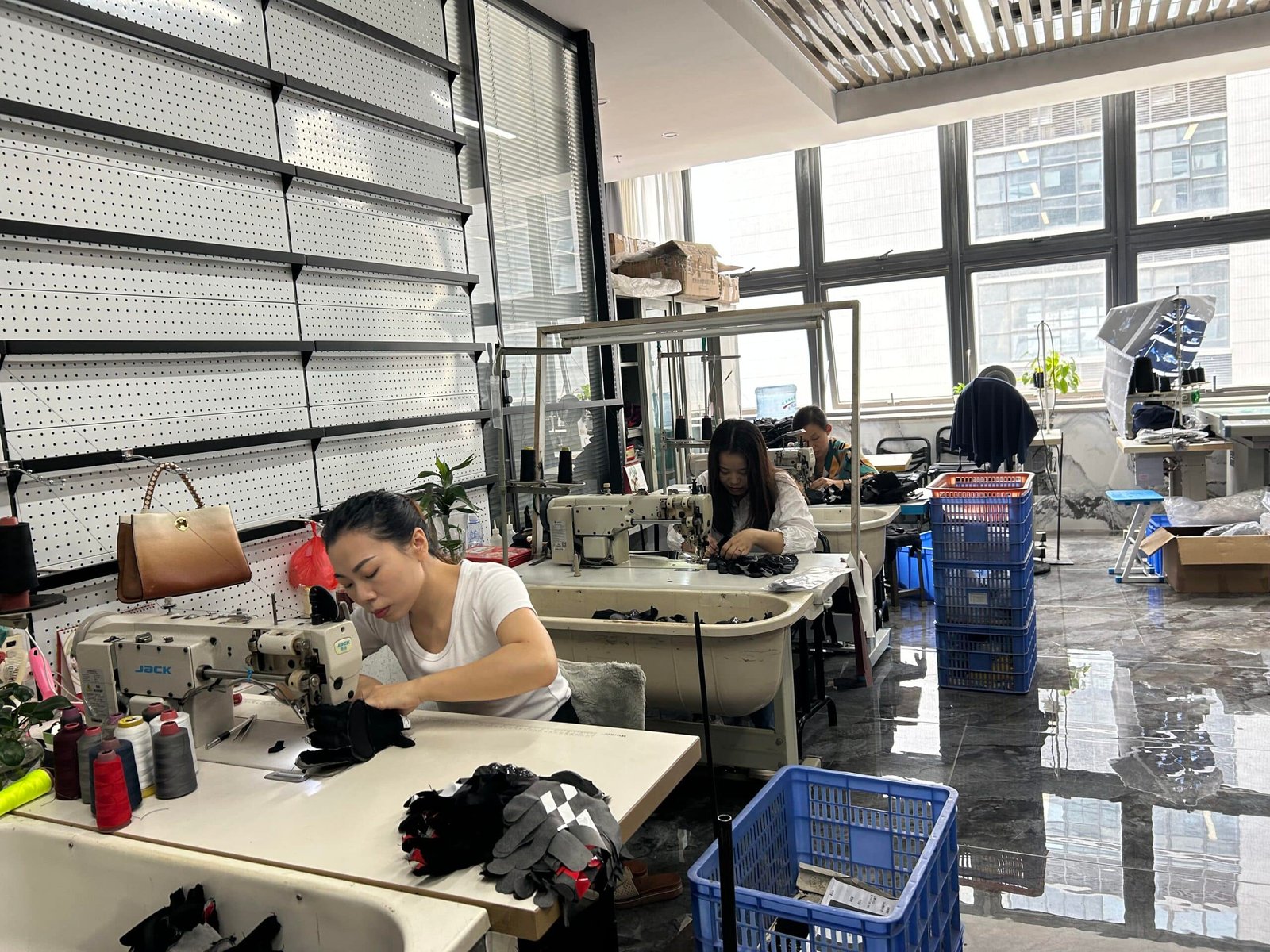
Trend #3 — Rising Demand for Heated Gloves, Socks & Insoles (Category Shift)
There are no even increases in categories, but heated gloves, socks, and insoles will experience 25-35% growth by 2026, as jackets lag behind because consumers are seeking specific answers to extremities problems. Skiing and snowboarding make the models with touchscreen fingertips and high heat (up to 140degF) sought after, and delivery and warehouse workers make sock/insoles with foot comfort in the cold a sought-after item. Motorcycle riders are riding innovations in gloves of windproofs and in hunting, in camo, socks.
Based on the Statista data and my discussions with the retailers, this change is indicative of post-2020 health-consciousness-improved circulation minimizes the risk of frostbite. To buyers, it implies carrying all-purpose insoles to appeal to a wide audience, but beware of problems in socking sizes. Packages such as glove-sock sets are also a current trend in e-commerce, providing value in terms of warmth in multi-activity user heated apparel trends.
Trend #4 — Waterproof, Windproof & Weather-Grade Fabrics Becoming Standard
By 2026 predict 70 percent of warmer-style clothing and outerwear to be further advanced with weather-proofing, replacing simple softshells with more akin weatherproofing materials like Gore-Tex or DWRcoats to use in all conditions. This is a reaction to consumer complaints about the lack of performance of early models in slush or sweat with new technology such as breathable but sealed lining keeping the inside of clothes dry.
I have followed Amazon reviews and go to trade shows events, such as ISPO, and I am seeing this update in the lines of heated jackets, where the windproof nylon shells are being incorporated into the heating areas to be more efficient. Buyers enjoy equipment that takes seasons to wear out, at a 10-15 price increase. In the case of motorcyclists, this would be jackets that can contain up to highway spray which will improve safety in wet roads.
Trend #5 — Increased Regulatory Pressure & Compliance Requirements
Regulatory inspection is also increasing and by 2025-2026, there will be more regulations on maintaining control over CE in the electrical standards, FCC in the emissions, and also the RoHS in the materials used in heated clothes. Transport Standards Standards such as UN38.3 on batteries will require even stricter testing, particularly with the lithium cells. This is the pressure caused by such events as the overheating recalls, which compel the factories to invest in the compliance labs.
In the EU and US data analysis of imports, the non-compliant gears are rejected more, an increase of 15 percent in 2013. To buyers it implies that they should invest in certified products to save on the cost of customs delays but it also increases the cost through testing fees (2,000-5,000 per model). This trend is compelling in the hot market of clothing towards trusted brands with strong QC, which can offer safer changes to the consumers of the working clothes in the controlled industries.
Trend #6 — Consumers Want Higher Safety Features
The safety is not negotiable anymore, and such requirements as auto-shutoff after 2 hours, over-temperature protection of 150degF, insulated wiring to avoid shorts and more robust battery casings (within 40 percent) are anticipated to increase by 2026. This is the consciousness of product reviews of the previous defects such as hot spots.
I have observed this in the demand of heated gloves in the market, during the process of surveying buyers during the Outdoor Retailer shows, where the properties such as low-voltage alerts prevent drains. Consumers are supposed to want them as a source of security, particularly in children products or in medicine. To industrial workers, reinforced casings provide drop protection, which is in line with OSHA-like standards.
Trend #7 — Growth of Private Label & OEM/ODM Heated Apparel
There is a boom in the private label and OEM/ODM, which is expected to dominate 35 percent of the market by 2026 when brands such as REI or Amazon Basics introduce their own. This is driven by the power of influencer-led apparel with customizable heating areas and expansions of the outdoor giants into the heated segments.
This trend presents a chance to smaller players, through the Chinese factories such as Dr. Warm, which deals with ODM in order to enter the market fast. Customization of a low cost is obtained by buyers, and it comes with the cost of quality screening lest of falling into the trap of knockoff. In the case of e-commerce sellers, this facilitates niche goods such as camo vests to hunters, tapping into a niche segmentation.
Trend #8 — Material Innovations: Graphene Film, Lighter Insulations
Material improvements are picking up, graphene heating sheets are gaining traction with 20 per cent improvement and reduced weight by 2026, and insulations include alternatives to aerogel, which trap heat without additional volume. Wires will become more flexible and fireproof fabrics will be used and breathable membranes will enhance comfort in active attire.
My assortment of technology briefs at CES has followed the progress of graphene in heating clothes, eliminating larger batteries by using less power. Slim jackets will be available to the buyer, with increased upfront expenses. In the case of socks, it is in the workwear category and in this case, lighter insulations translate to less fatigue, which is a blessing to those who have to stay standing longer.
Trend #9 — Supply Chain Shifts: China Leading, but Diversification Begins
China still holds the majority of the heated apparel (80 percent) but by 2025-2026 the production will have diversified to Vietnam and Indonesia as a measure of cost stability in times of trade conflict. Battery and PCB hubs in Shenzhen maintain the centrality of China, but increasing wages predates tending to direct other assembly.
In Gartner supply chain reports, the change implies that the buyers may become able to find lower MOQs in new locations, but the quality may be different. In the case of players in the heated jacket industry, it is reasonable to stay with Chinese know-how in complex electronics, but diversification minimizes risks such as tariffs.
What These Trends Mean for Buyers (Practical Advice)
Such tendencies point at the maturity of the market, as buyers must find factories with R&D of intelligent features, focusing on improvements in batteries as reliable. Given that the consumers demand safety such as auto-shutoff, focus on the category growth in gloves to make stocking decisions. Ready compliance costs, including budgeting $3,000-6,000 per model, and longer leads during the peak season, like order in summer by Q2. In the case of e-commerce, there is the fast access of private label ODM, however, test materials such as graphene to test performance. In general, coordinate purchases with innovations to remain competitive with no old stocks around.
Common Mistakes Buyers Make When Responding to Market Trends
Following smart trends without battery testing results in low run times under cold conditions simulate always. Certs underestimation slows down rollouts. The rejection of chain timing leads to stockouts. The wrong systems such as wire in flexible gloves are not chosen, and failures occur.
Final Forecast — What to Expect in 2026 and Beyond
By 2026, smart, safe, and sustainable heated apparel will be preferred in the market and the leading ones are graphene and AI controls. Consumers will demand 10+ hour batteries and customization and will compel brands to compete. The competitive advantage is in niche markets such as work wear, and diversification provides relief against supply risks. To buyers, this translates to plenty of good quality offering, yet keenness on compliance will be a determining factor in negotiating the changing scene.