

The decision to use either heating film or carbon fiber in the heated socks is not just a material one; it affects directly the heat distribution and transmission, the flexibility, the durability, and the long-term reliability of the product.
A large number of brands and product developers believe that all the heated socks are based on virtually the same heating technology. As a matter of fact, the two most prevalent methods which are the heating film and the carbon fiber are both based on resistive heating, however they vary greatly in their construction, and application into flexible fabrics as well as in their practical applications. These variations are based on engineering decisions on the design and embedding of the heating component.
The appropriate selection of right heating elements is determined by the desired application, the need to be flexible, and the anticipated duration of use, and the ability of the manufacturer to integrate with the system heating. To sourcing managers and engineers that consider alternatives, the differences at the level of production are useful in preventing the usual traps of performance consistency and field failures.
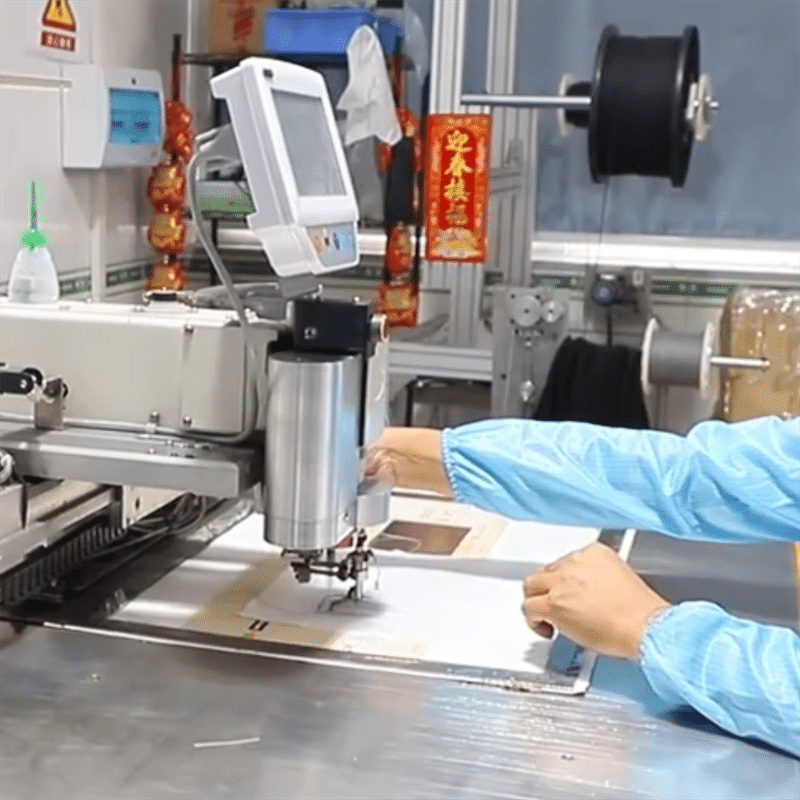
How Heating Film Works in Heated Socks
Heating film offers a surface-based planar method of heating in heated socks.
Heating film Heating films have a fine, stratified conductive material; many heating films are made of a polymer substrate covered or printed with either conductive inks or carbon-based materials, which produce heat on the entire surface as a current passes through it. Within the case of the hot sock, the film is either laminated between layers of cloth or placed in a ready-made pocket around the sole and instep of the sock.
This type generates uniform surface heating in desired areas, which is why it would be used in areas where the production of warmness across a specific range is of priority and does not involve intricate patterning.
| Feature | Heating Film Characteristics |
| Structure | Flat layered film |
| Flexibility | Moderate |
| Heat Distribution | Targeted |
| Integration | Requires stable placement |
| Typical Positioning | Lightweight models |
The issues of integration are found in very flexible textile systems such as socks. The planar nature of the film implies that the film should stay in contact and not crease or move during the movement of feet and repeated washing. Uneven heating or premature delamination may occur because of poor lamination or incorrect positioning. Otherwise, with customization opportunities, detailed heated socks heating system design becomes essential to ensure the film remains stable under dynamic stress.
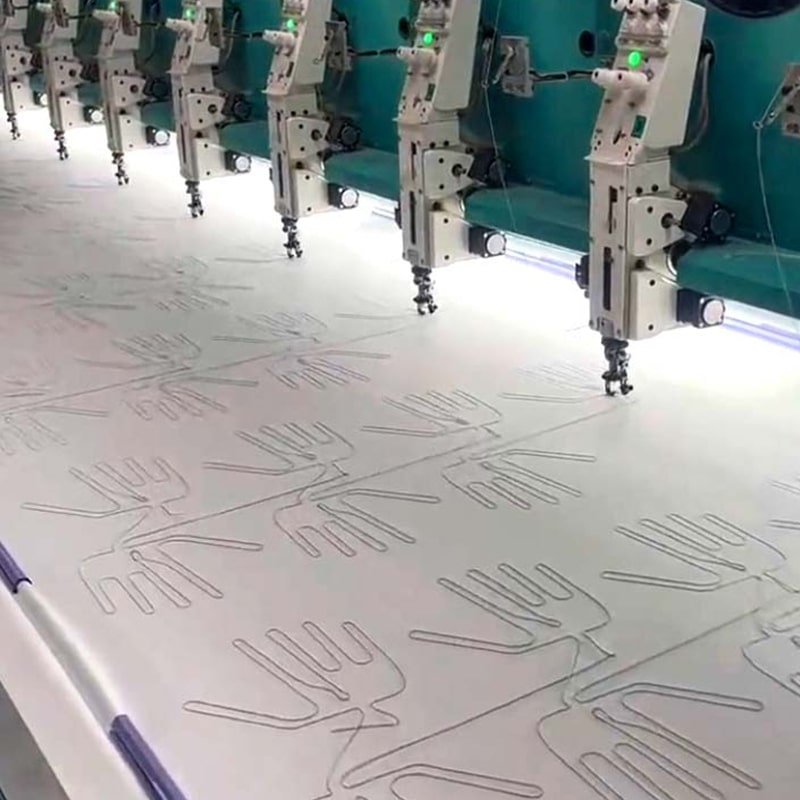
How Carbon Fiber Heating Elements Work
Carbon fiber is used to provide better flexibility in dynamic and high movement processes due to its strand based structure.
Carbon fiber heating elements incorporate fine conductive carbon fiber strands, either woven into a mat-like or embedded in the form of individual threads in the sock fabric. The passage of electrical current through these strands causes heating through resistance. The fibers are where the high-heat-need parts of the body such as the toes and the arch are located and in many cases are sewn or glued directly into the layers of the textile used to make the socks.
This fiber-based solution enables the heating component to bend with the sock in a natural manner without losing electrical connection regardless of the repeated bending and stretching.
| Feature | Carbon Fiber Characteristics |
| Structure | Flexible fiber strands |
| Flexibility | High |
| Heat Distribution | Even |
| Durability | Strong under flex |
| Typical Positioning | Premium models |
The resistance to fatigue nature of the material is what gives the long-term durability advantage. Carbon fiber strands spread the mechanical load over large numbers of small filaments, instead of focussing it on one of the layers or interfaces, eliminating the possibility of cracking or hot spots in thousands of flex cycles.
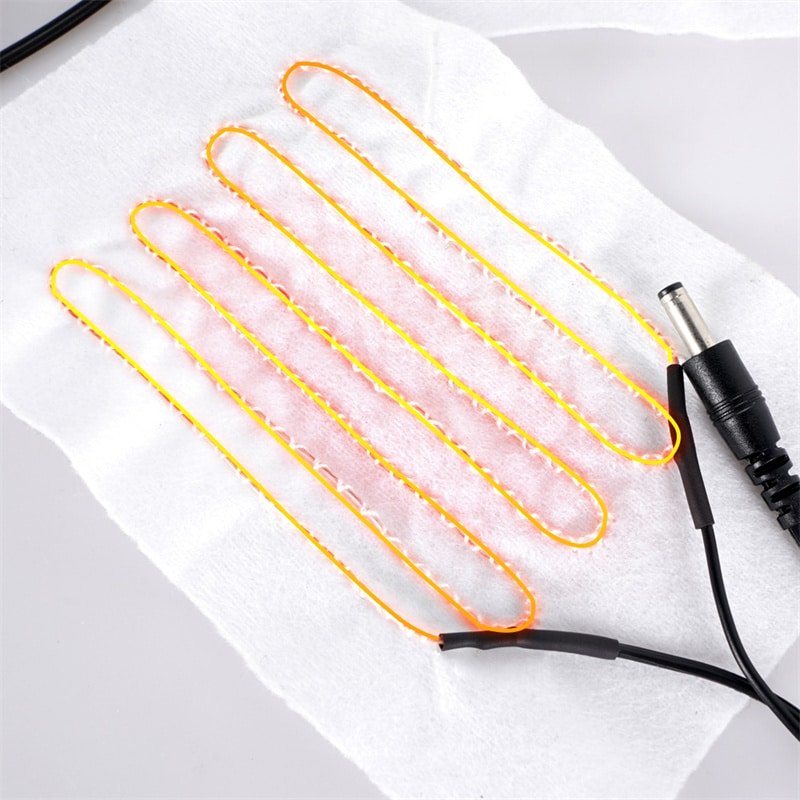
Performance Comparison: Heating Film vs Carbon Fiber
The direct performance variations between heating film and carbon fiber can be observed when considerations are made in the highly important engineering parameters in heated socks.
The two technologies can efficiently transfer electrical energy to heat, yet the structural design makes them behave differently in the real use conditions.
| Criteria | Heating Film | Carbon Fiber |
| Flexibility | Moderate | High |
| Heat Spread | Localized | Even |
| Durability under Flex | Moderate | Higher |
| Production Complexity | Moderate | Higher |
| Cost | Lower to mid | Mid to high |
In scenarios where controlled heating in lower-flex is required, heating film can be used with great benefit. By comparison, carbon fiber is better in aggressive movement, distribution of heat more evenly over curved forms such as the foot and is resistant to degradation due to repeated deformation.
Durability and Wash Resistance Considerations
The final durability of heated socks depends on the performance of the heating component as regards to bending stress, exposure to sweat and mechanical washing.
Socks are subject to repetitive foot flexion, wear due to perspiration and vigorous laundry processes such as twisting, agitation and hot conditions. A typical area of failure of both systems is connection points (soldering or conductive stitching).
Heating film may develop micro-cracks in the conductive coating or adhesive degradation in the event of failure to laminate ideally; resulting in inconsistent heat dissipation or open circuit conditions after prolonged use. The distributed design of the carbon fiber is more tolerant to flex fatigue and moisture infiltration, where single filaments still remain active in case some small damage is done elsewhere.
The precision of integration is the decisive factor: a secure encapsulation, strain relief at battery contacts, and strong waterproofing around the terminations contribute greatly to the service life of either of the technologies.
Manufacturing Complexity and Cost Implications
It is necessary to make heating elements adjustments in manufacturing heated socks which have various heating elements and this affects scalability and final cost directly.
Integration of heating films is normally laminated or bonded to the sock layer using adhesives on pre-cut film sheets. This is a critical process to ensure that no wrinkles form and also that pressure/temperature is maintained uniformly during bonding to prevent delamination. The production lines require specific fixtures, whereas the general amount of complexity is moderate when it comes to having tooling in place.
The embedding of carbon fiber is regularly associated with the process of weaving the strands into the fabric during the knitting or the subsequent addition of the strands with the help of sewing/embroidery and the protective coating. This adds to the time and expertise required to set it, and requires more operator skill to keep uniform resistance and prevent strand separation. Other processes – such as multi-zone patterning and extensive continuity testing – increase complexity.
Cost drivers include:
- Raw material: Heating film is more inclined towards low costs of raw inputs.
- Manpower and equipment: Carbon fiber is more specific.
- Yield and testing: Both require a large amount of aging, flex and testing, however, the greater durability of carbon fiber can minimize field returns.
Which Heating Technology Is Better for Different Use Cases?
The best heating technology would be in line with the performance requirements and market positioning of the sock.
Activities with high movement require components that preserve integrity with unchanging flex whereas less heavy applications are more cost-effective and simplistic.
| Use Case | Recommended Heating Type |
| High Flex Sports (skiing, hiking) | Carbon Fiber |
| Lightweight Casual | Heating Film |
| Budget Entry-Level | Heating Film |
| Premium Performance / Long Runtime | Carbon Fiber |
In the case of skiing or long outdoor activities, it is better to use carbon fiber as it has a high flex capacity and heat dispersion, thus, generates cold areas during movement. Entry level lines or everyday wear are good to have heating film that is cheaper and good enough to use in moderate conditions.
Common Misunderstandings About Heating Elements
The market in hot socks is full of misconceptions that cause a discrepancy between expectations.
- Always better carbon fiber- Although it does have benefits in the flex durability and uniformity, it is not always the best; heating film is reliable in less stressful applications, and cheaper.
- Quality heating film is poor Quality lies with integration and materials; and the quality film systems are produced at low prices.
- Disregarding the quality of integration – Choosing material will not necessarily be performance-meaningful; badly bonded lamination, lax connections or insufficient testing are the primary causes of failure in most cases, irrespective of the type of element.
- Ignoring testing procedures – Real durability is a product of accelerated flex, wash and thermal cycling tests, not first heat output.
Conclusion — Heating Element Choice Should Match Engineering Capability
The decision on whether to use heating film or carbon fiber in heated socks must be based on product positioning, durability expectations and manufacturing capacity and not presumptions regarding which material is superior.
Finally, it has long-term reliability due to the sound design of the heating systems and accurate combination instead of the heating component itself. Brands that compare both options with particular applications and production capabilities place themselves in a state of regular performance and minimal quality concerns in the sphere.