

Introduction — How Heated Clothing Is Actually Made (The Complete Workflow)
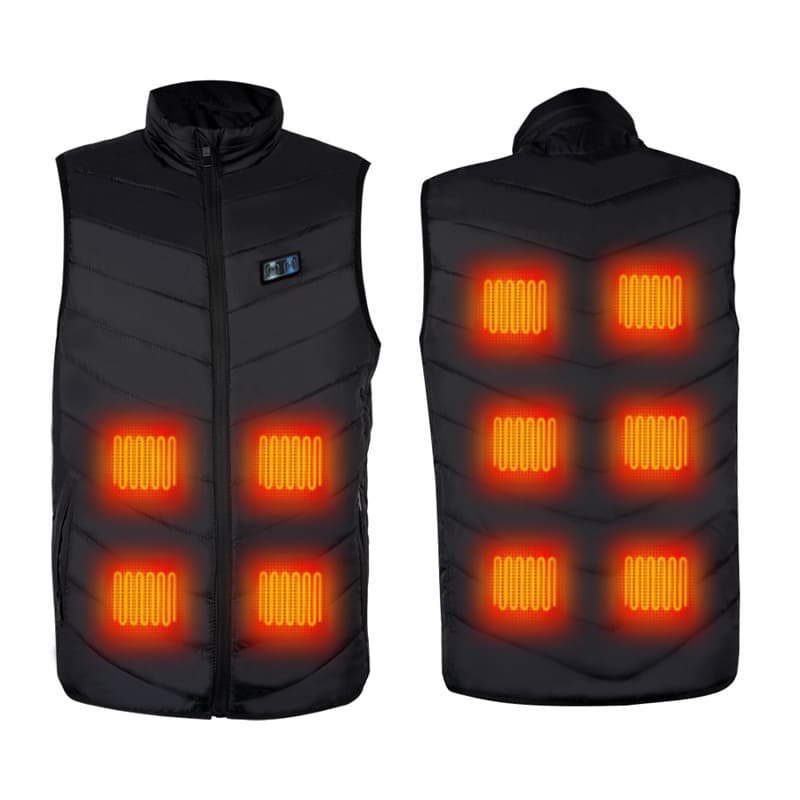
Manufacturing heated clothing isn’t like churning out regular T-shirts or jeans—it’s a sophisticated fusion of textile production, electronics integration, and battery technology. As a veteran process engineer who’s overseen production lines in garment factories specializing in heated gear, I’ve witnessed how one misstep in wiring or heating placement can turn a promising jacket into a safety hazard. Unlike standard apparel, heated clothing manufacturing requires handling heating elements, rechargeable batteries, and control circuits alongside fabrics, all while prioritizing safety standards to prevent overheating or short circuits. This complexity stems from the need for seamless electronics integration in apparel, making the process ideal for OEM heated apparel development in factories like those in Dongguan, China. Whether it’s a heated jacket production run or custom gloves, the goal is reliable warmth without compromising wearability.
Full Production Workflow Overview (Quick Summary)
At its core, how heated clothing is manufactured follows a structured pipeline that balances garment craftsmanship with tech precision. Here’s the high-level breakdown every heated clothing factory adheres to for efficiency and quality:
- Product design & specification: Defining features like heat zones and battery type.
- Heating system development: Engineering elements and circuits.
- Materials sourcing: Securing fabrics, wires, and batteries.
- Pattern making & sample creation: Prototyping for fit and function.
- Cutting & sewing: Building the base garment.
- Integrating heating elements & wires: Embedding tech without bulk.
- Battery and controller assembly: Installing power sources.
- QC tests (temperature, wiring, battery safety): Ensuring everything works safely.
- Final assembly & packaging: Prepping for shipment.
This overview captures the essence of the heated apparel production process, where skipping any phase risks defects. In my experience running lines for heated glove manufacturing process and jackets, this sequence minimizes errors in mass runs.
Phase 1 — Product Design, Engineering & Prototyping
The foundation of any heated clothing assembly process starts here, where ideas become tangible blueprints. Without solid engineering, later stages fall apart.
Step 1 — Technical Design (Tech Pack Creation)
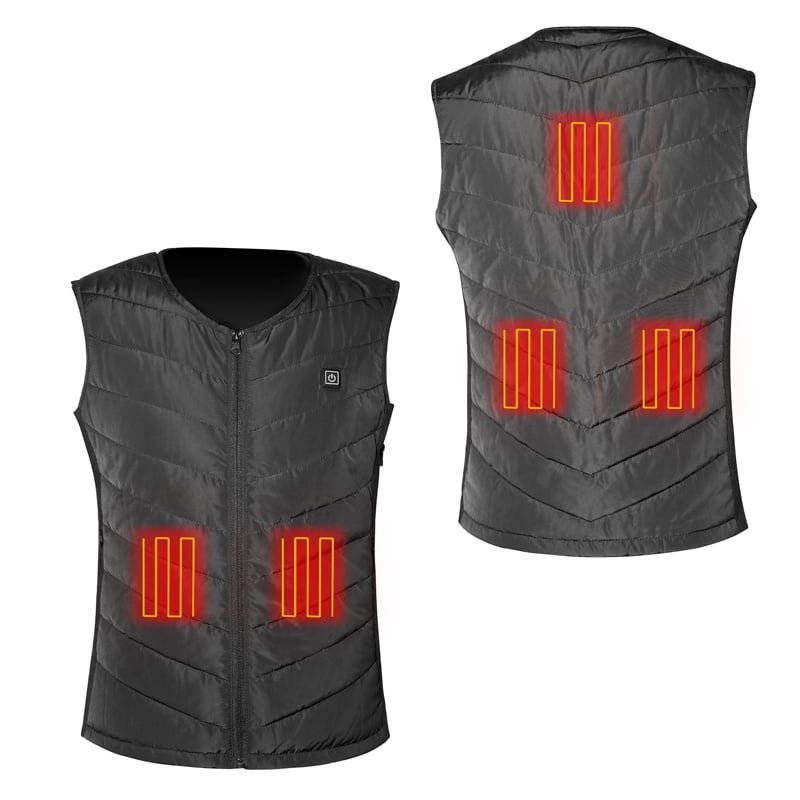
Engineers draft a detailed tech pack outlining heating zones (e.g., chest, back, sleeves), battery placement (often in pockets for easy access), control system (buttons or apps), and fabric layers (outer shell, insulation, lining). This includes specs for voltage—5V for USB or 7.4V/12V for batteries—and power draw to match runtime needs. In factories I’ve managed, this step involves CAD software to visualize how heat flows without hotspots.
Step 2 — Heating Element Selection
Choosing the right heating elements is crucial: Graphene films for flexible, even heat; carbon fiber pads for durability in high-wear areas; or heating wires for cost-effective options. Factors like wattage output (10-50W) and flexibility dictate choices—graphene shines in slim vests, while wires suit bulky jackets.
Step 3 — Electronic Circuit & PCB Design
Designers create PCB (Printed Circuit Boards) with safety circuits, including BMS (Battery Management System) for overcharge protection, and connectors for wiring. This ensures compatibility with rechargeable batteries and prevents faults. Authority in this comes from aligning with CE, FCC, and RoHS standards right from design.
Step 4 — First Engineering Sample (Prototype)
Build a hands-on prototype to test heat distribution and battery compatibility. I’ve iterated dozens of samples, tweaking placements to achieve uniform warmth across sizes.
Phase 2 — Materials Sourcing & Heating Component Production
Sourcing sets the quality bar—poor materials lead to failures in the heated clothing supply chain.
Fabrics
Select softshell polyester for weather resistance, insulation layers like Thinsulate for warmth retention, and waterproof membranes (e.g., PU coatings) for outdoor gear. Breathability is key to avoid sweat buildup in heated items.
Heating Components
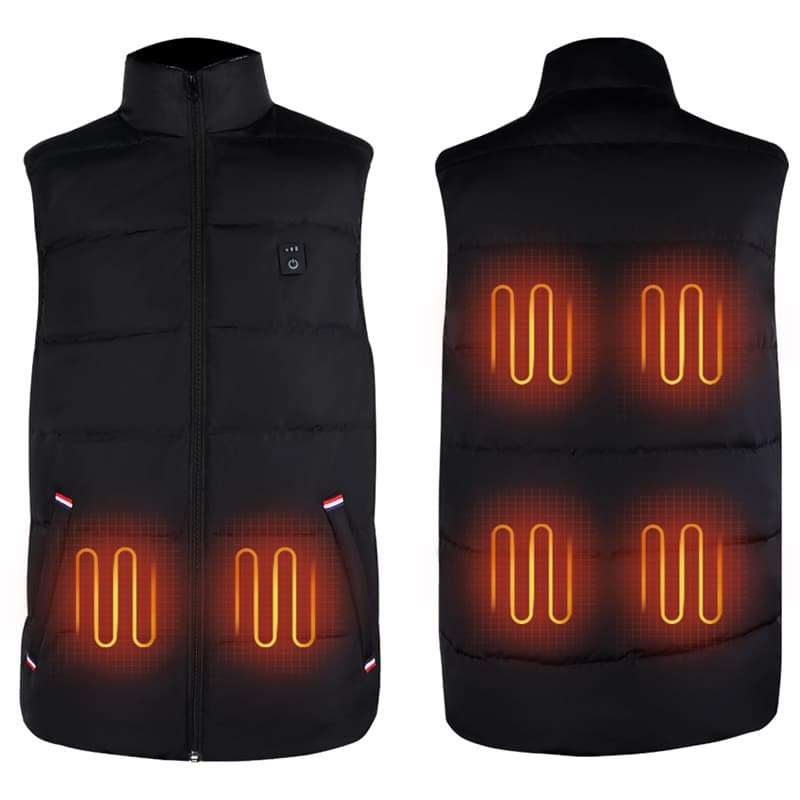
Procure heating elements, wiring harness (flexible silicone-coated wires), controllers (with LED indicators), and rechargeable batteries (lithium-ion packs from 2,000-10,000mAh). Suppliers are vetted for consistency, as variances in resistance can skew heat output.
Certification-Ready Electronics
All components must prep for CE, FCC, RoHS, and UN38.3 certifications—the latter critical for battery shipping. In my audits, non-compliant parts get rejected to avoid legal snags.
Phase 3 — Pattern Making, Cutting & Pre-Sewing Preparation
Transitioning to physical production, this phase adapts designs to real-world making.
Step 1 — Pattern Making
Use CAD software to generate garment patterns, scaling for sizes (S-XXL) while marking heating element positions. This ensures symmetry in heated jacket production.
Step 2 — Fabric Cutting
Employ automatic cutting machines (laser or blade) for precision, or manual for small runs. Layers are cut separately—outer, lining, insulation—to accommodate tech inserts.
Step 3 — Heating Element Placement Planning
Map exact spots for elements per size, factoring stretch and movement to prevent shifts during wear.
Phase 4 — Sewing & Integration of Heating Systems
Here, textiles meet tech in the sewing and bonding heated garments stage—where skilled operators shine.
Step 1 — Sewing Garment Panels
Stitch front, back, sleeves, and pockets using industrial machines, reinforcing seams for durability. Overlock stitching prevents fraying in activewear like gloves.
Step 2 — Integrating Heating Elements
Attach heating pads via stitching, adhesive lamination, or heat bonding. For example, in how heated jackets are made, pads are laminated between layers to stay flat and washable.
Step 3 — Wiring Installation
Route wires through channels, securing with bar tacks for flexibility. They must be invisible yet accessible, avoiding pinch points that cause breaks.
Step 4 — Controller & Battery Pocket Assembly
Sew reinforced pockets with Velcro or zippers, adding reinforcement stitches to handle battery weight without tearing.
Phase 5 — Electronics Assembly & System Testing
Post-sewing, focus shifts to powering up the garment.
PCB & Controller Testing
Bench-test PCBs for functionality—check buttons, LEDs, and voltage regulation before embedding.
Battery Assembly
Assemble packs with BMS, verifying overcharge protection and cycle stability (aiming for 500+ cycles). Charge-discharge tests confirm capacity.
Heating System Performance Test
Run tests for max temperature (45-60°C), heat-up time (1-5 minutes), uniformity (±5°C), and long-run stability (4-8 hours). Adjustments fix any dips.
Phase 6 — Full Product Testing (Critical Stage)
The heated clothing QC process is exhaustive here—no garment ships without passing.
Thermal Imaging Test
Use thermal cameras to map heat consistency across zones, spotting uneven areas for rework.
Wiring Durability Test
Subject to 3,000-5,000 bending cycles, simulating wear; resistance must stay stable.
Waterproof Testing (IPX)
Test per IPX4-IPX7 for items like gloves—submerge, dry, and retest electronics.
Fabric Strength & Stitching QC
Check tear strength (20-50N) and abrasion resistance with Martindale testers.
Final Runtime Test
Verify all heat levels with real batteries, ensuring promised durations in ambient and cold conditions.
Phase 7 — Final Assembly, Packaging & Shipping
Wrap up with logistics prep.
Labeling
Add user instructions, battery warnings, and care labels (e.g., hand wash only).
Packaging
Use gift boxes or polybags with safety leaflets; eco-friendly options for branding.
Shipping Battery Requirements
Comply with UN38.3 documentation for air/sea transport, including MSDS sheets.
OEM/ODM Perspective — How Factories Customize Heated Apparel
In custom heated apparel manufacturing, factories adapt for clients.
Custom Heating Systems
Offer app control or multi-zone designs for premium lines.
Custom Voltage/Battery Configurations
Tailor 5V, 7.4V, or 12V setups based on use—lightweight for vests, powerful for jackets.
Custom Fabrics, Colors, Branding
Incorporate logos, private labels, and bespoke packaging to match brand identity.
Common Manufacturing Challenges
Factories face hurdles like heating zone misalignment from pattern errors, wiring breakage during sewing if not routed properly, battery compatibility issues causing underperformance, and inconsistent temperature output from poor element quality. Proactive QC mitigates these.
Final Conclusion
In essence, how heated clothing is manufactured demands masterful textile + electronics integration, where battery safety is critical to avoid risks. QC must be rigorous at every turn, from prototyping to shipping, ensuring products like heated jackets deliver reliable warmth. For OEM projects, seek factories with engineering expertise in heating element integration in apparel and certifications. As someone who’s streamlined these processes for global clients, I recommend partnering with experienced heated clothing factories to navigate the complexities—ultimately yielding gear that’s safe, effective, and market-ready.