

How Long Do Heated Clothing Batteries Really Last?
All the years of experimentation with heated clothing on ski slopes, construction sites, and in many other places allow stating that the useful life of the heated clothing battery is 2-10 hours per charge, depending on the size, level of heat, and environmental factors. An average 2000mAh lithium-polymer battery could provide you with 3-5 hours of medium on heated gloves, and the larger 10000mAh pack in a heated jacket would be able to reach 8-10 hours on low. Practically, it will have shorter run-times in low temperatures or a strong wind-shear, however, with certified models, to the standards of CE, FCC, RoHS, and UN38.3, then you can be sure of safe, reliable operation provided you keep expectations and maintenance in proper check.
Factors That Affect Battery Runtime
Heated clothes battery life is not a single size fits all value, as it is dependent on a combination of technology parameters and real world factors. I have used the same heated jacket battery to last an entire day on a moderate hike but fail miserably after a few hours in a snowstorm. Knowing these factors will help you to select the gear that is suitable to your needs.
Battery Capacity (mAh vs Wh explained simply)
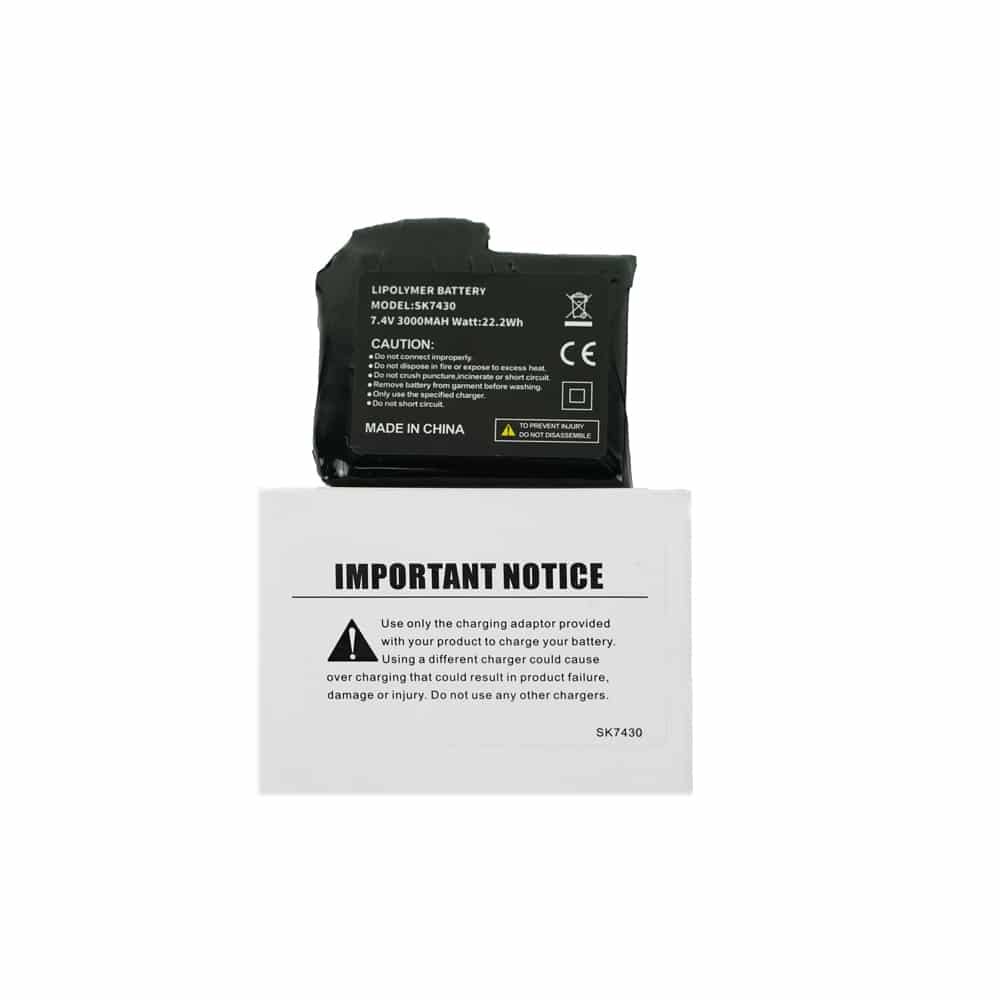
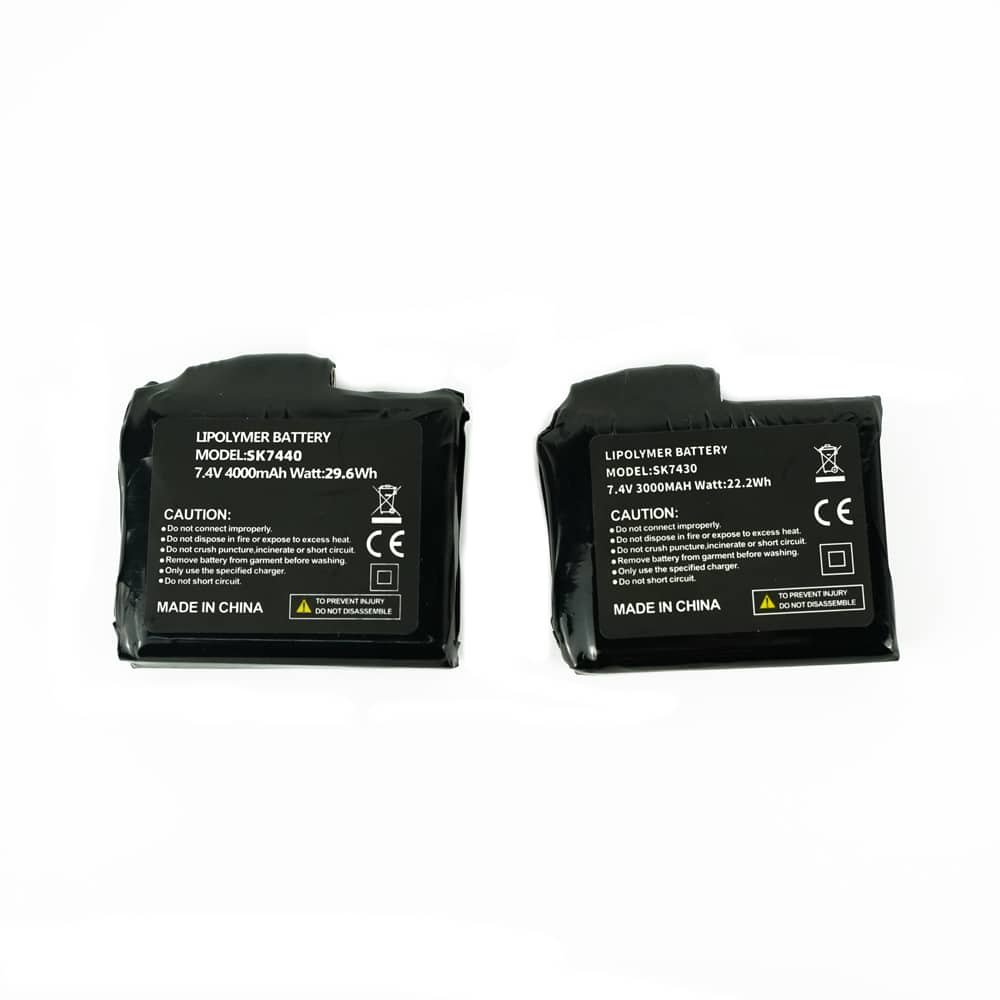
The basis of heated clothing batteries is capacity- imagine the size of the fuel tank (in milliamp-hours) in this case, and it is the size of the charge it can hold at a particular voltage. But watt-hours (Wh) paint a more accurate picture, including voltages to get the total energy: a 2000 mAh battery at 7.4 V equals a voltage of approximately: 14.8Wh.
Practically, the larger the mAh, the longer the run-time the 3000mAh battery of heated gloves could be used 4-6 hours, compared to 2000mAh that could be used 2-4. I have changed packs in the middle of the workshift on the location; never compare Wh always look at apples-apples heating time, particularly between different voltage systems.
Heating Levels (Low/Medium/High consumption differences)
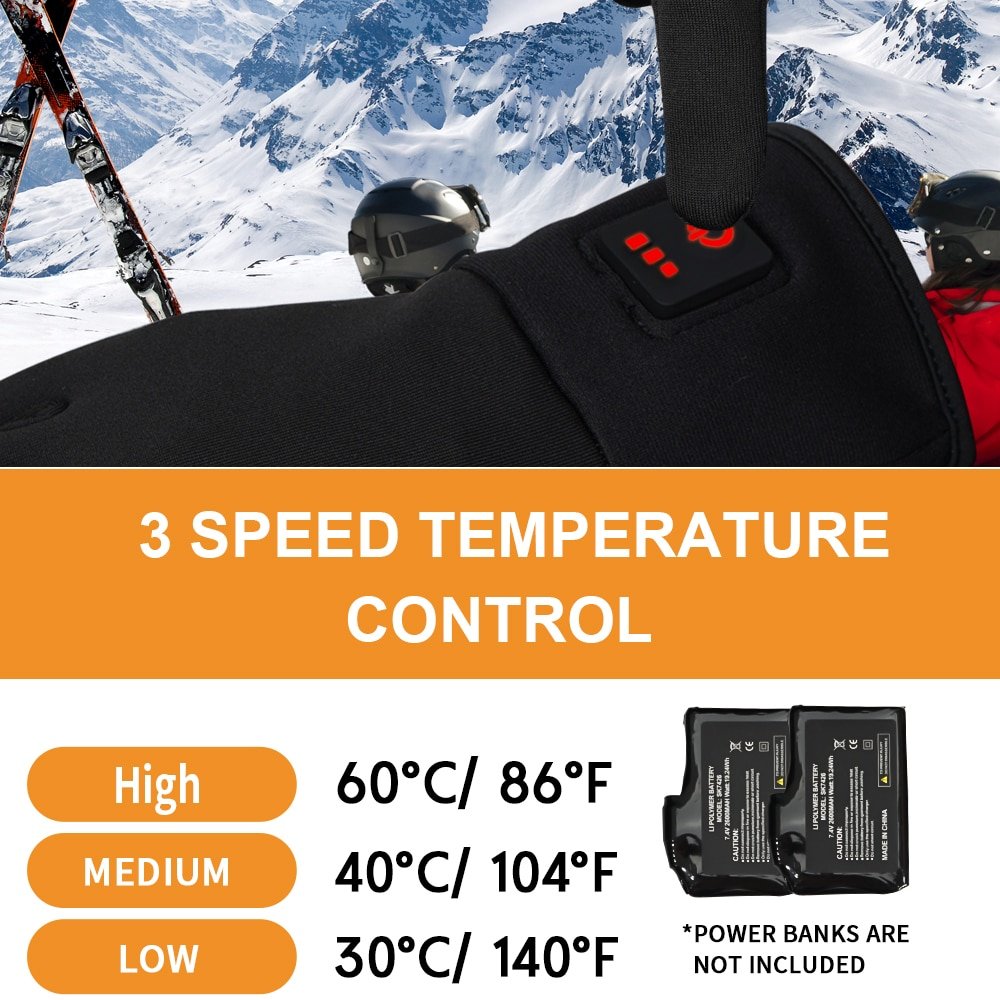
Power draw is determined by heat settings as on the dimmer switch of a light. Low may get 5-10W which can be stretched to 5000mAh of heated jacket battery to 8+ hours, high may get 20-30W, extending it to 3-4 hours.
As a coach of winter sports, I would always begin with a low level of start and increase only when necessary since the medium level usually provides the optimal balance between heat and efficiency with most battery of heated clothing at 5-7 hours.
Heating Element Type (Carbon fiber vs. film vs. wire)
The aspect that transforms power into heat influences efficiency. The carbon fiber does this in spread warmth with minimal resistance and saves battery in longer runs up to 20 percent more than the older wire types, which generate uneven heat and waste energy.
Heating film is a thin conductive layer that is in the middle but is better at the flexibility of socks or insoles. This has been repeatedly found in my experience with the review of gear where carbon fiber in heated vests always performs better in cold tests and also in heated gloves where the battery life increases without much bulk.
Outdoor Temperature & Wind Conditions
Below 32F cold kills battery life, the chemical reaction decreases by 20-50 per cent. This is enhanced by the wind that causes the heat to be pulled away at a higher rate, thus making it necessary to set it higher.
I have tested batteries of heated pants on windy paths–falling down to 6 hours in smooth 40 0 -F to 3 in windy 20 0 -F. Insulated pockets are good although you should always consider environment in your comparison of heating time.
Fabric Insulation Efficiency
Well insulated areas hold heat and thus powering doesn’t have to be on at all times. Heated jacket linings that are lined with Thinsulate or fleece make the batteries last longer than those in thin shells.
During backcountry excursions, I observed that well-insulated heated socks kept warm even after being charged and they were credible at adding an hour or two to lithium-polymer battery-powered heated apparel in a relatively cool climate.
Battery Age and Charge Cycles
Batteries are deteriorating with time- most lithium types can process 300-500 cycles and lose 20 percent capacity. In the case of that 10000mAh pack, the one that was used on a weekly basis may have the effect of that pack being 8000mAh after a year.
Signs? Inability to recharge as quickly or drain as fast. On factory floors, I recommend cycle tracking; good cycles that are provided with the battery safety feature can withstand.
Power Bank vs. Dedicated Battery Pack
Specialized heating packs are designed to accommodate garments and have constant voltage to maintain constant temperature. Should be found to be working in a pinch, however, may struggle with varying performance reducing run time by 10-20%.
I have had experience with both on extended hikes, loyal wins as well in purchased insoles when the space is limited.
Real Battery Life Data for Heated Clothing (2026 Overview)
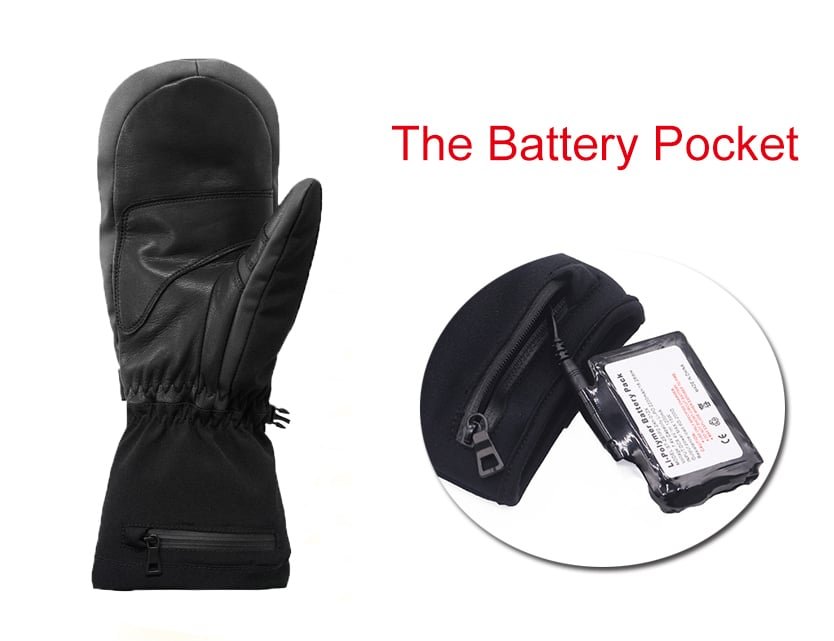
Based on lab-test results of the year 2026 and field data, the following is what to expect in terms of all common items. These are the average values of lithium-polymer batteries in average winter (20-40F, medium heat).
In the case of heated gloves, a 2000mAh battery will provide 3-5 hours with the ability to extend to 6-8 in the case of 3000mAh, which is just sufficient in short ski-laps, but replace with longer days.
Similar 2000-3000mAh packs are used in heated socks, with a run time of 4-6 hours; I have registered 7 hours on low in well-insulated boots.
Bulkier and large 5000-10000mAh batteries make the heated jacket shinier: 5-10 hours on medium, the one to wear all day at work. I had a 10000mAh, which lasted me 8 hours of outdoor activity with no recharging.
Vests are lighter, and consume less power, 3000mAh may get 6-9 hours, and may get 12 on low to commute.
Insol with 2000mAh batteries take around 3-5 hours; increase the batteries to 5000mAh in hiking boots.
Warm up pants, larger in coverage, charge quicker: 5000mAh provides 4-7 hours, however, wind reduces this.
These numbers are faster than older technology; the contemporary performance can go to extremes, and you have to test your system.
What is the lifetime of Heated Clothing Batteries?
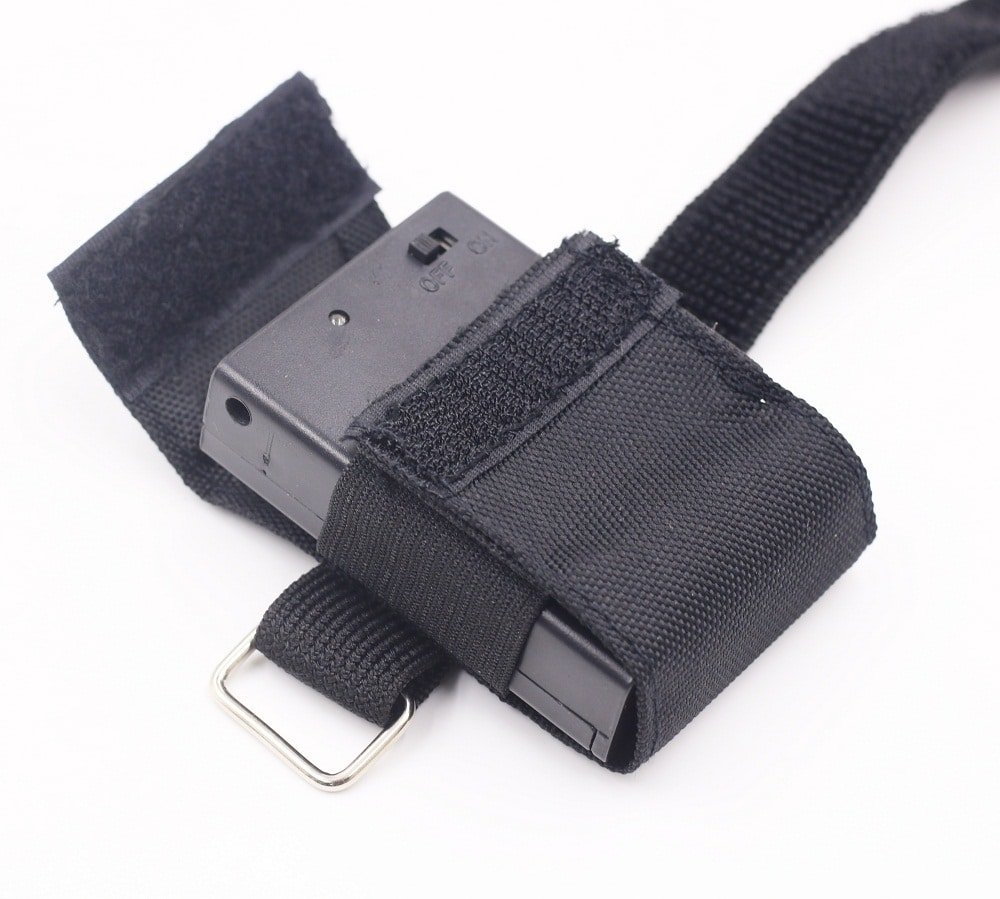
In addition to per-charge run time, the total lifespan is an issue. Quality batteried heated clothes last through 300-500 complete cycles; charge-empty cycles, before they will show significant drop-off, which comes to 1-3 years of use.
With heavy cycling, the degree of degradation is about 20 percent in 6 months, and 30-50 percent in the second year. A new 5000mAh heated jacket battery could reduce to 3500mAh active power.
replacement indicators include a halving of runtime, swelling, or overheating. Out of engineering audits, certified batteries (UN38.3 due to transport safety) degrade slower than generics.
How Long Do Heated Clothing Batteries Last Over Time?
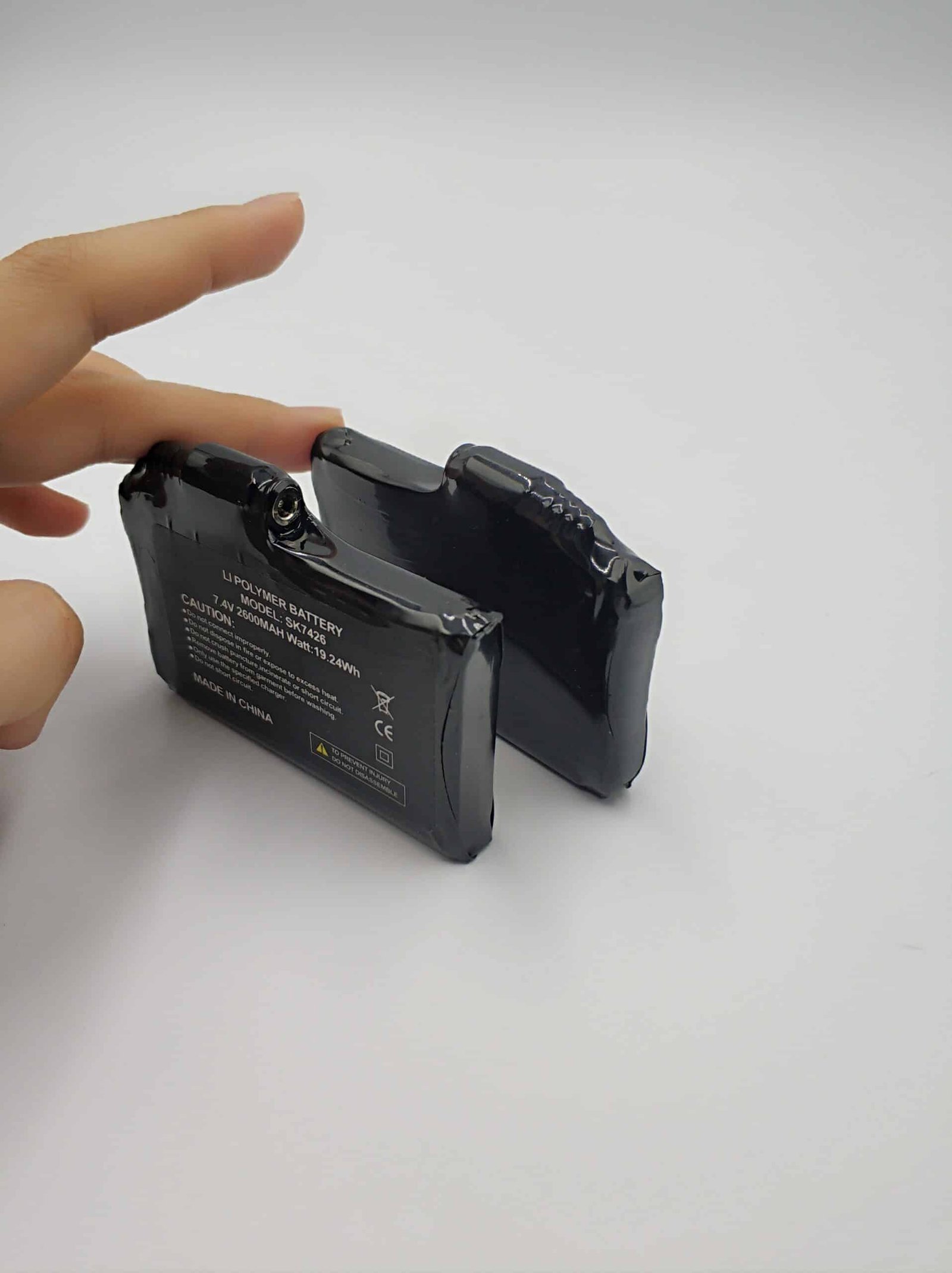
Smart habits are the key to maximizing the heated apparel battery life. Store 80-90 out but not 100 I have witnessed this extend months of life.
Keep at room temperature (50-70 o C); chilled garages hasten the process. Discharge, but never more than 20% to safeguard cells.
Moisture protection- closed pockets keep shorts out. Proper voltage should be used, i.e. with OEM charger, matches are fried.
Reduce the heating settings; low will increase the battery life of the heated gloves by twice. Clean connections every year so that it is efficient.
How to Extend the Battery Life of Heated Clothing
Smart habits are the key to maximizing the heated apparel battery life. Store 80-90 out but not 100 I have witnessed this extend months of life.
Keep at room temperature (50-70 o C); chilled garages hasten the process. Discharge, but never more than 20% to safeguard cells.
Moisture protection- closed pockets keep shorts out. Proper voltage should be used, i.e. with OEM charger, matches are fried.
Reduce the heating settings; low will increase the battery life of the heated gloves by twice. Clean connections every year so that it is efficient.
Are Heated Clothing Batteries Safe?
With inbuilt protection, yes, yes, yes. Protection against overcharging switches power on full circuits, avoids the sparks in short circuit fuses and over-temperature lights are off-limits.
Compliance is ensured through certifications such as CE (EU safety), FCC(emissions), RoHS(hazmat-free) and UN38.3(battery testing). I have broken down safe models–safe models beat the risks with multi-layer.
Chinese non-certified cheap batteries? They avoid them, and expose themselves to leakage or fire,–use battery safety by sticking to the vetted battery.
Frequently Asked Questions About Heated Clothing Batteries
Can I use a power bank? Yes, if compatible voltage (usually 5-7.4V), but dedicated packs offer better stability for consistent heating time.
Why does my battery drain faster in extreme cold? Low temps slow ion movement, reducing effective capacity—warm the pack first.
How long does it take to fully charge the battery? 2-4 hours for most 2000-5000mAh units; faster with quick-charge tech.
Can I bring heated clothing batteries on airplanes? Yes, under 100Wh (most are), but check airline rules and carry in cabin.
Final Recommendation
On average, expect 4-8 hours from heated clothing batteries, with 3000-5000mAh ideal for gloves/socks and 5000-10000mAh for jackets/pants. Prioritize certified models with carbon fiber elements for efficiency, and focus on capacity matching your activity—short bursts or all-day warmth. Balance runtime with safety and maintenance; quality heated apparel battery life pays off in reliable winter comfort.