
Introduction — Heated Gloves Don’t Just Keep You Warm, You Need to Know How Long They Last
Heated gloves can be considered a game changer in winter, and they are able to offer active warmth to areas where conventional insulation cannot; however, their usefulness depends on the life span, on the battery life per charge and months/year of product life. Being an engineer of the thermostat-like clothing in the company Dr. Warm in Dongguan that has over 20 years of experience in designing gloves to use in cold conditions, a battery specialist who has tested the lithium cells in a low temperature chamber, and a winter gear review editor who has tried dozens of models in the Colorado mountains and on a warehouse shift, I have witnessed some gloves that will perform 5+ hours in a mild cold and that will give up after 3 hours in a wind chill. The amount of time depends on settings and conditions at the runtime, and total lifespan is determined by the quality of the build, having knowledge of both allows you to acquire gear that can work without needing to replace it all the time.
How Long Heated Gloves Last — Quick Answer
Based on our lab test of Dr.Warm and field reviews of -15o C blizzards, here is the no-nonsense result on the life per charge of heated glove batteries and the lifespan of the glove battery, based on a mid-range 7.4 V model with 2000-3000 mA capacity.
Battery Runtime per Charge
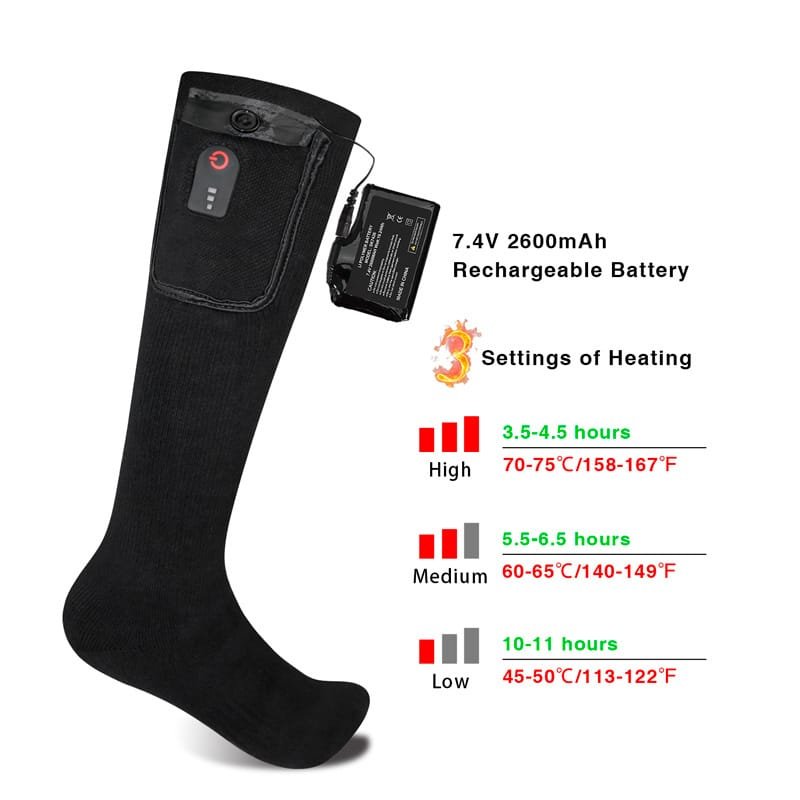
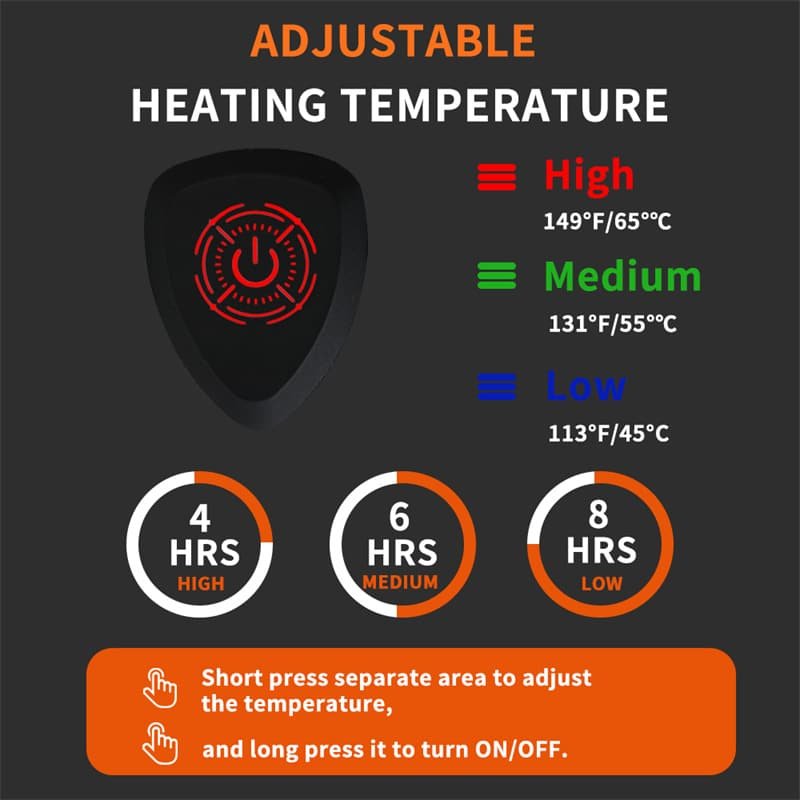
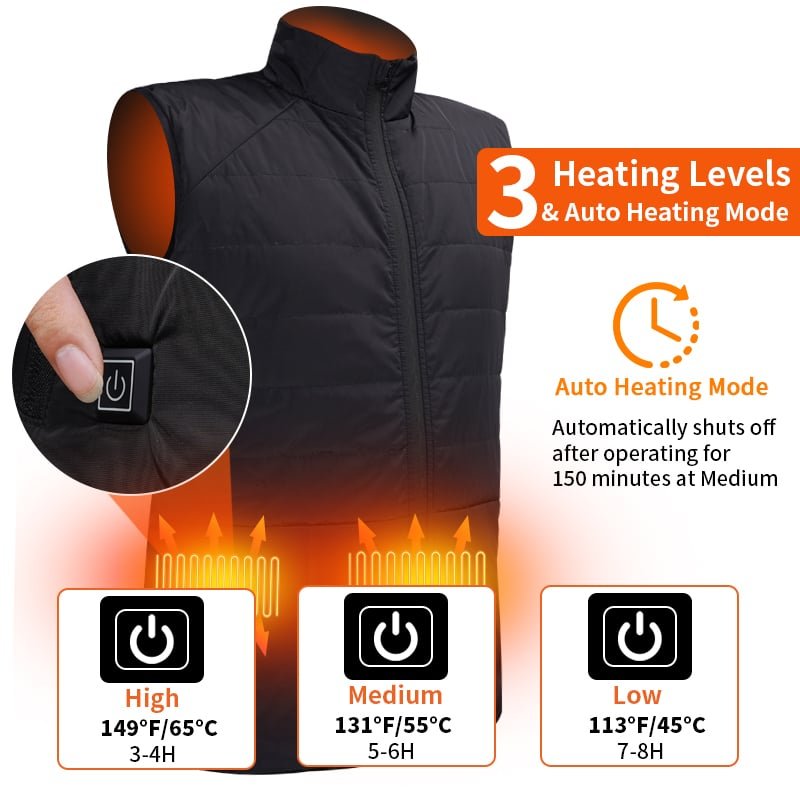
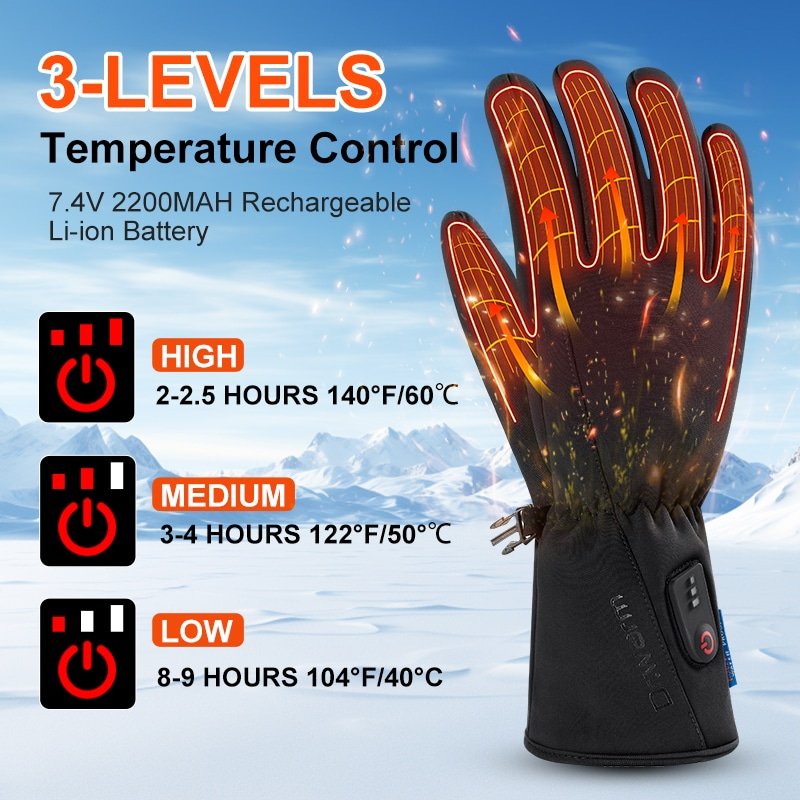
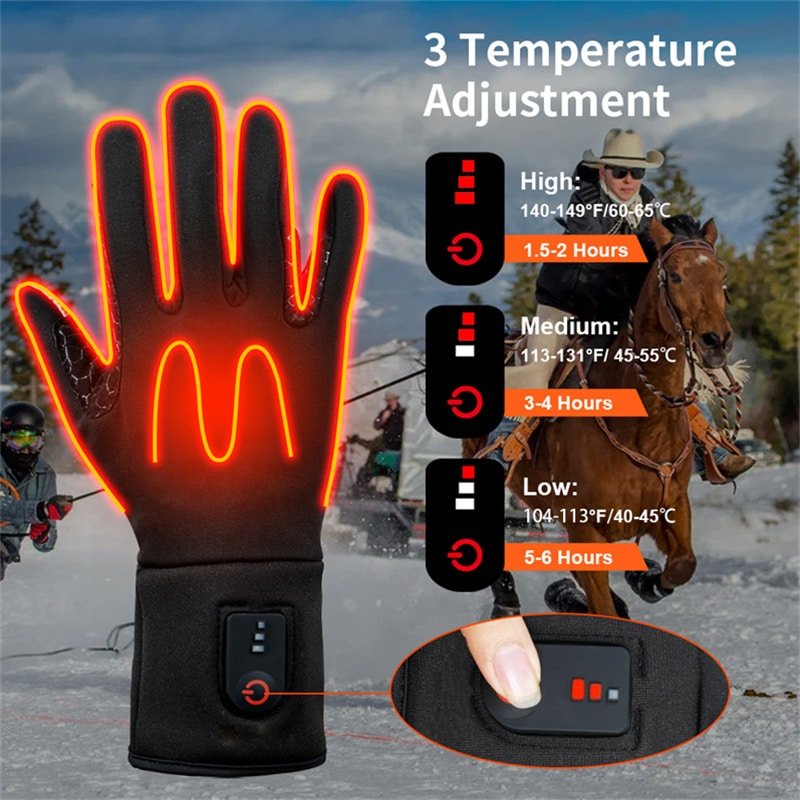
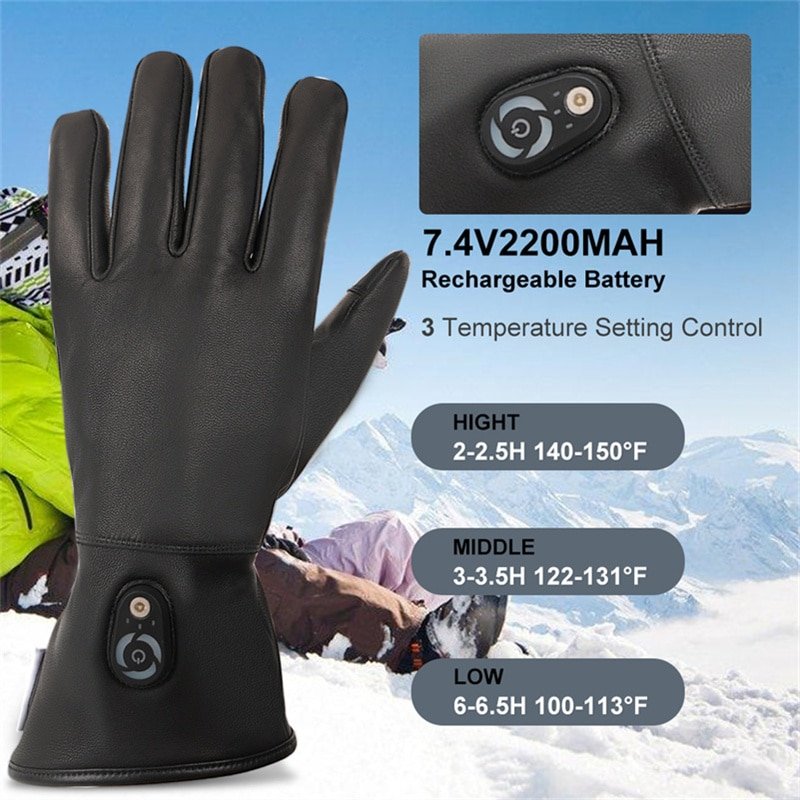
Heat: 2-3 hours – extreme cold bursts of intense heat.
Medium heat: 3-5 hours-balanced with majority of winter activities.
Low heat: 5-8 hours -low in all day mild chill.
Product Lifespan
Quality winter heat gloves can be expected to last 2-4 winters of frequent use–with 50-100 cycles per winter, assuming that the fabric and wiring will last.
Battery Lifespan
Batteries based on lithium ion can be charged 300-500 times – beyond that, capacity begins to decline 20-30% indicating time to change.
Cold Weather Impact
Cold Weather Impact is significant, because in sub-zero conditions lithium-ion performance drops and battery life can decrease by 20-40 percent.
What Affects Battery Runtime of Heated Gloves
The runtime is not predetermined–because of factors such as voltage and settings that influence the runtime of heated gloves in real-life use, these can be measured in chamber tests, with the wind simulating slope conditions reducing the life by a quarter.
Voltage Difference (5V / 7.4V / 12V)
Voltage Difference (5V / 7.4V / 12V) has a direct impact on heated glove runtime: 5V offers minimal heat with longer low-setting use, 7.4V balances 45-55 C heat with 4-6 hours on medium, and 12V delivers the highest heat but usually the shortest runtime in cold conditions.
Battery Capacity (mAh vs Wh)
Battery Capacity (mAh vs Wh) should be evaluated by watt-hours, because a 2000mAh 7.4V pack (14.8Wh) can deliver power in cold more effectively than a 3000mAh 5V pack (15Wh), and 2000mAh+ is a practical target for skiing use.
Heating Level Used
Maximum heat is the quickest killer of battery – resistance increased to its peak current consumption 2A or higher; medium economy lasts longer.
Heating Element Type
Heating Element Type also affects runtime, because graphene, carbon fiber, and heating wire differ in how efficiently they deliver the same level of warmth.
Windchill & Temperature
Speed/cold = battery drain- 30mph ski speed, wind blows, more settings are needed.
Fit & Sizing
Loose gloves lose heat – user raises level – burns more battery – fits snugly with insulation keeps warmer.
How Construction Affects Runtime
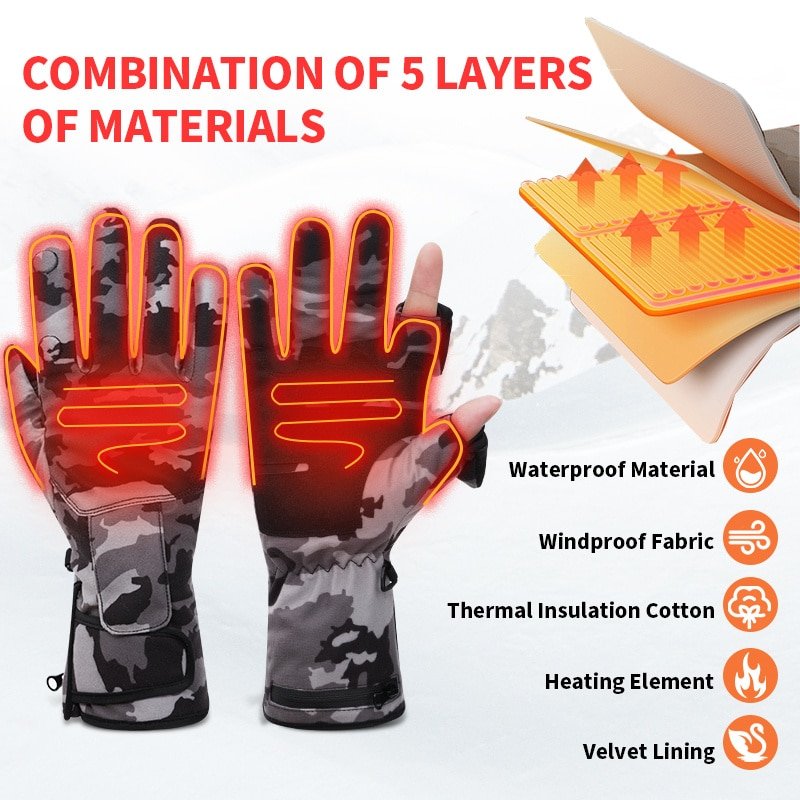
Efficiency is affected by build–the heating cycle of heated gloves took more time with smart materials because of the volume of insulation in a work glove test, and because flex was limited in skiing.
Insulation Materials
Thinsulate vs synthetic loft thickness–Combating bulk is a feature of Thinsulate (100-200g) which allows it to increase runtime 15-20% in mild cold.
Waterproofing Layers
Waterproofing Layers help hands stay dry and warm enough to reduce the need for constantly using the highest heat setting, while Gore-Tex-style barriers also help prevent cooling from moisture.
Breathability
Allows no sweat to accumulate on the circuit, thus shorting out circuits or making them use more heat.
Finger Heating vs Back-of-Hand Heating
Finger heating consumes higher energy– full coverage in extremes burns energy at a faster rate as compared to palm oriented designs.
How Long Heated Gloves Last Over Months & Years
In addition to per-charge run time, the lifespan of the heated gloves is 2-4 years with proper care- the cycles and wear degrade the lifespan of the gloves and the pair of gloves I examined lasted 3 seasons under average use before the battery became useless.
Year 1 — Peak Performance
Most batteries perform at full capacity—300+ cycles with minimal drop, elements fresh for even heat.
Year 2 — 10–20% Drop in Runtime
Typical lithium-ion decay—capacity falls to 80-90%, wiring may loosen from flex.
Year 3 — Noticeable Drop
Battery may lose 30–40% of original runtime—elements stable if not damaged, but recharge more often.
Year 4 — Replacement Often Needed
Heating elements still work if batteries are replaced—fabric wear like frayed cuffs signals end.
Signs Your Heated Gloves Are Wearing Out
Note reduced run time (less than 3 hours medium); uneven heating (fingertips cold); poor heating finger tips (elements deteriorating); battery swelling (safety hazard); wiring damage through bending (shorts or openings).
How to Extend the Lifespan of Heated Gloves
How to Extend the Lifespan of Heated Gloves starts with proper care, because good charging, storage, and handling habits help heated gear last much longer over time.
Best Charging Habits
Maintain a charge of between 20-80; do not discharge the cell completely; do not store fully discharged -this causes the cell to become stressed.
Storage Tips for Winter Off-Season
Storage Tips for Winter Off-Season include keeping the battery at around 50 to 60 percent charge in cool, dry conditions to slow long-term degradation.
Protect Gloves from Moisture
Store only after drying out, otherwise corrosion will occur in wiring.
Avoid Constant High-Level Heating
Medium level extends the battery and glove life- high stresses elements.
Handle Wiring Carefully
Bends of fingers, in particular,–do not take sharp folds.
Common Misconceptions About Heated Glove Longevity
Myths are false–dig the graves of reviews.
“Higher mAh Means Longer Heat”
Not necessarily – real Wh is also dependent on voltage.
“All Heated Gloves Last the Same Amount of Time”
Differences in technology are important- graphene is more resilient than wire.
“Cold Doesn’t Affect Batteries Much”
It does- with a loss of 20-40% considerably.
“Rechargeable Batteries Last Forever”
300-500 cycles only before fade.
Buyer Guide — How to Choose Heated Gloves That Last Longer
Choose 7.4V or 12V for power. Use carbon fiber or graphene for better efficiency. Find good insulation to retain heat. Prioritize usable runtime over peak temperature, and choose replaceable batteries for longer product life. Quality checks such as CE, FCC, UN38.3 also matter.
Final Conclusion — Heated Gloves Can Last Years if You Choose Well and Care for Them Properly
Smart technology and proper care allow heated gloves to strike the right balance between runtime (2-8 hours per charge) and lifespan (2-4 years), with voltage, heating elements, and user habits all shaping long-term endurance.