

The packaging design decisions significantly influence the shipping cost and the protection of the product achieved long before the logistics planning process commences. Most of the brands are keen on analyzing the transportation costs by majorly paying attention on the freight rates or carrier contracts but the packaging size, structure, and weight can have a more significant impact on the final bill. Likewise, much of the product damage that occurs during transit is not due to mishandling by the logistics providers, but rather due to packaging that does not consider the real-life transportation stress factors including vibration, compression and impact.
Decision on packaging design is the one that directly defines both the performance of shipping cost efficiency and performance of product protection. By considering these aspects at the design phase, brands will be able to minimize volumetric charges and other damage claims and decrease the total landed costs, which are much better than post-shipment fixes.
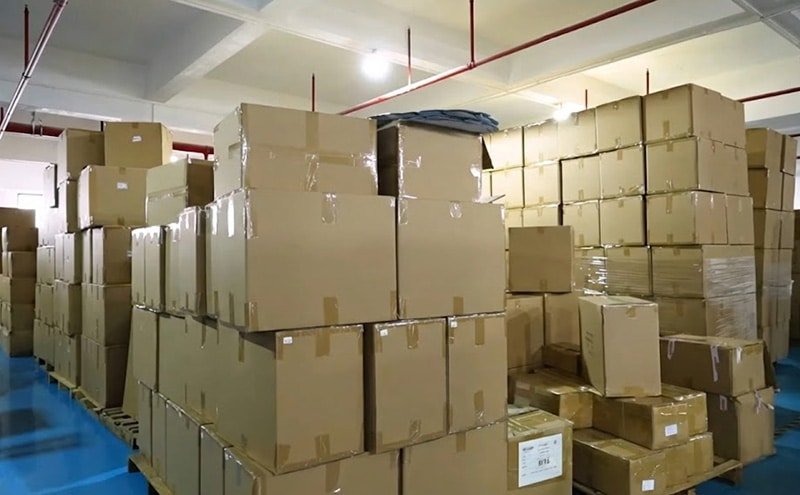
Why Packaging Design Plays a Critical Role in Shipping Performance
The basic factor that determines how well a product will live the delivery process between the factory and the customer is the packaging design that regulates the cost of logistics.
Structural decisions determine the load stability in stacking either in warehouses, trucks, or containers. Dimensional efficiency has a direct effect on the volume of space that a package can hold, which indirectly influences freight pricing based on dimensional (also called volumetric) weight systems deployed by large freight carriers. The bad design increases risks of handling since ill-balanced or bulky packages will be more exposed to dropping, crushing, and re-packing.
Some of the major factors of packaging design and their direct effects are summarized in the table below:
| Packaging Design Factor | Impact on Shipping |
| Box dimensions | Freight cost and space utilization |
| Structural strength | Damage resistance |
| Weight distribution | Handling safety |
| Material rigidity | Stackability |
Optimizing these factors allows packages to be more compatible with pallets, containers, and carrier networks, eliminating direct costs and indirect expenses through damage or inefficiency.
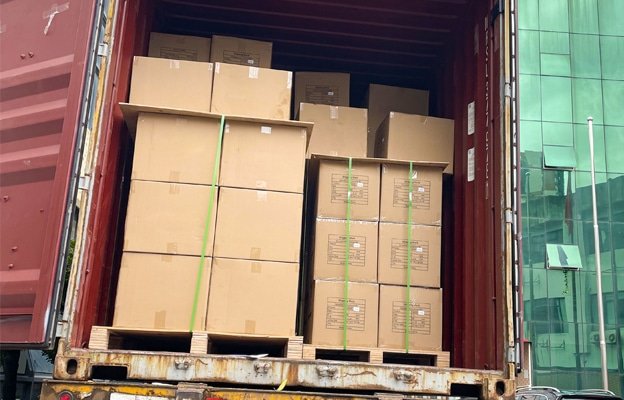
How Structural Design Influences Shipping Cost
The costs of shipments can increase or decrease drastically with the structural design decisions in the initial product development stage, which is often even larger than negotiated freight costs.
Large dimensional packaging is a stimulus to increased volumetric charges as carriers weigh dimensional weight by product length x width x height and then divide with a carrier-specific factor (typically between 139 and 166 in domestic or 6,000 cm 3 / kg when international). Even small packages in the heavy boxes are rated as heavy charges and this adds unnecessary costs to the costs.
Weak structures that have unnecessary waste of void space jeopardize the optimal utilization of space and increase the unit freight costs. Poor or weak designs are likely to attract repacking or extra handling costs or damage claims that increase the back office logistics costs.
| Structural Issue | Shipping Cost Impact |
| Oversized boxes | Higher volumetric charges |
| Excess void space | Poor container utilization |
| Weak structure | Repacking and damage cost |
Minimized, optimized design The package fits the product well and provides the required protection at a consistent low cost without negating safety needs.

Packaging Design and Product Protection During Transportation
To be effective in product protection, a product packaging must look at the actual stresses that products experience during the process of transit and not the ideal conditions of handling.
Stresses associated with common transportation are:
- Vibration – Constant low-frequency shaking by road, rail, or sea transportation which may result in fatigue, abrasion or component movement within the package.
- Compression – Crushing of weak structures in pallets, containers, or transport movement that can be compressed and deformed contents in the case of poor allocation of weight.
- Impact and drop- This happens due to sudden shock when loading/unloading, changing conveyors or accidental drops usually taking place several times in a shipment journey.
Packaging has to combine structure and materials in order to overcome these forces. Rigid outer cartons have containment and stacking, whereas internal cushions (foam, air pillows, or molded inserts) absorb shocks and do not allow movement. Corner reinforcement and adequate weight distribution also lead to less compression and tipping.
In the absence of this holistic method, even the packages that might have a strong appearance fall apart in the actual logistics.
Balancing Protection and Shipping Efficiency
The right balance between protection and efficiency is a key factor that needs to be achieved since excessive and excessive packaging increases overall landed cost.
Over-packaging contributes to the waste of material weight and volume, making materials more expensive, adding to dimensional weight charges, and environmental footprint, but offering equal measures of protection. The additional volume results in increased freight costs and empty space in containers or trucks.
Under-packaging, on the other hand, cannot endure the stresses of transit, and the products are damaged, returned by customers, reshipped, or returned due to product damage, and the company is reputed as making the product inadequate, which increases its costs that are many times greater than the initial savings.
Shipping-friendly design of packages minimizes total landed cost through the provision of sufficient protection at the lowest possible material and dimensional costs. This methodology takes into account the packaging structure in terms of logistics at the early stage and makes sure that it is not overly durable.
For deeper insight into creating such solutions, explore structural packaging design approaches that align protection needs with transportation realities.
Why Packaging Design Should Consider Logistics Conditions Early
Storage or just display packaging often does not perform well during transit, particularly when transporting it over long distances or across borders.
Local/regional shipping could mean fewer transit time, softer handling, but international shipments endure multiple transfers, differing modes of transportation (truck, sea, air), longer transit time and different environmental factors (humidity, temperature changes, etc.). Packaging should not pay attention to these differences and it may end up costing a lot to redesign the packaging once incidences of damages have been experienced.
Prior assessment of the logistics requirements, e.g. anticipated stacking height, vibration response, or custom-handling can be made to avoid structural failure. As practice indicates, post-prototyping or even post-shipment is a cause of reactive repairs, increased expenses, and schedule slippage.
Common Shipping and Protection Issues Caused by Poor Packaging Design
The common consequences of ineffective packaging design:
- Shock on the damaged products, improper cushioning, poor structures or lack of empty spaces, which results in damaged products that may be lost and rejected deliveries.
- Excessive cost and replacement of customer-reported damage, with some frequently being amplified by observable packaging failure that destroys trust.
- Poor utilization of space and high freight costs are caused by ineffective palletization and loading of containers in the event of irregular shapes, oversize dimensions, or lack of stackability.
- Complaints made by customers regarding the packaging looks or concerning the integrity of the product despite its functionality.
Such problems are not usually caused by any single carrier error, but instead, they are linked to decisions that were made during the design phase that did not aim at minimizing shipping damage by using packaging or packaging design to carry shipments.
Conclusion — Shipping Efficiency Starts With Packaging Design
The cost of shipping and the product protection is largely design based results and not a problem that is addressed merely by the choice of the carrier or by insurance.
Brands avoid unnecessary costs and loss by considering the realities of logistics during the packaging design process, namely dimensional efficiency, structural integrity and protection against actual transit stresses. Due to the fact that efficient packaging design is based on active engineering rather than corrective actions after the occurrence of shipment problems, effective packaging design is more geared towards transportation.
This top-down strategy provides quantifiable cost reduction, damage, and the overall reliability of the supply chain.