
Quick Answer — How to Choose Heated Gloves for Winter Sports
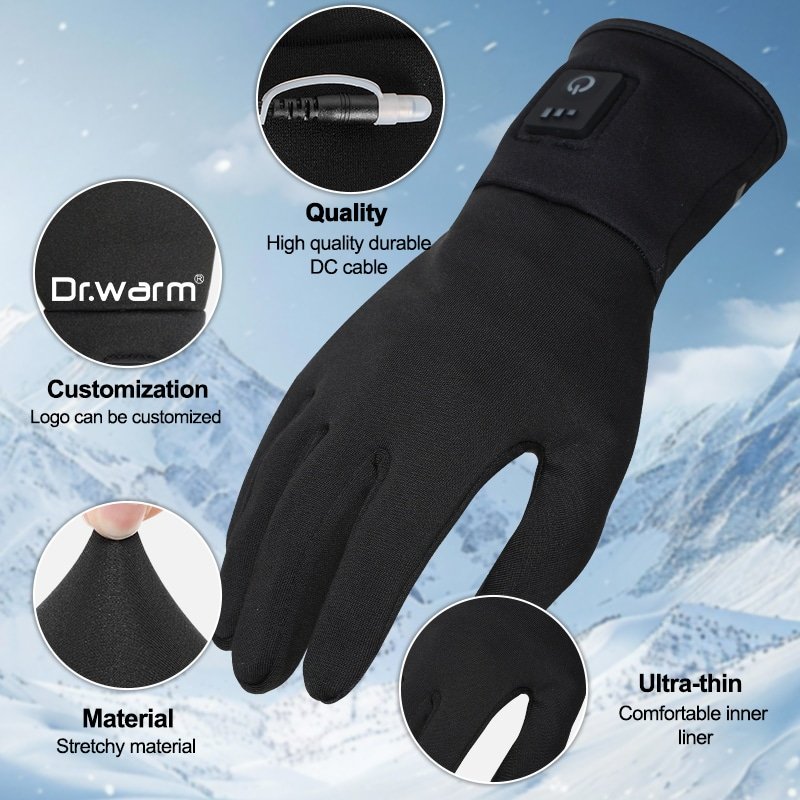
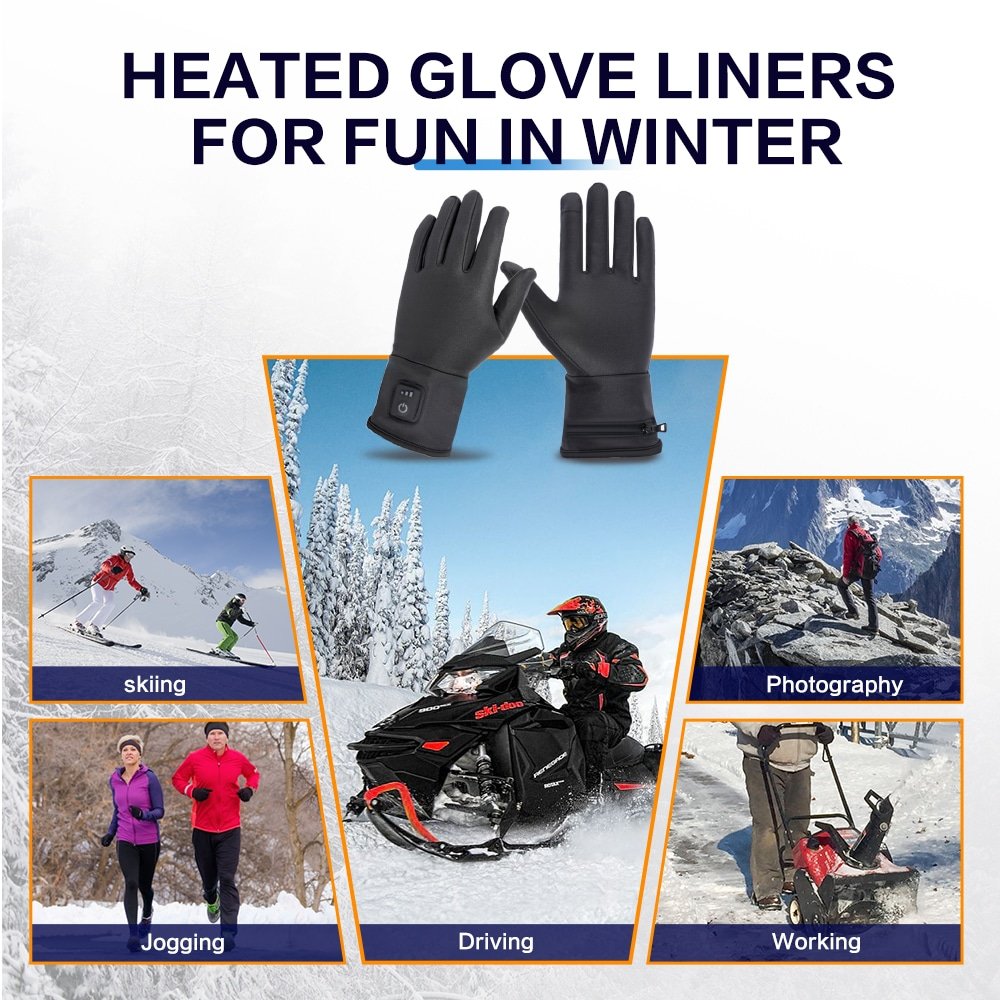
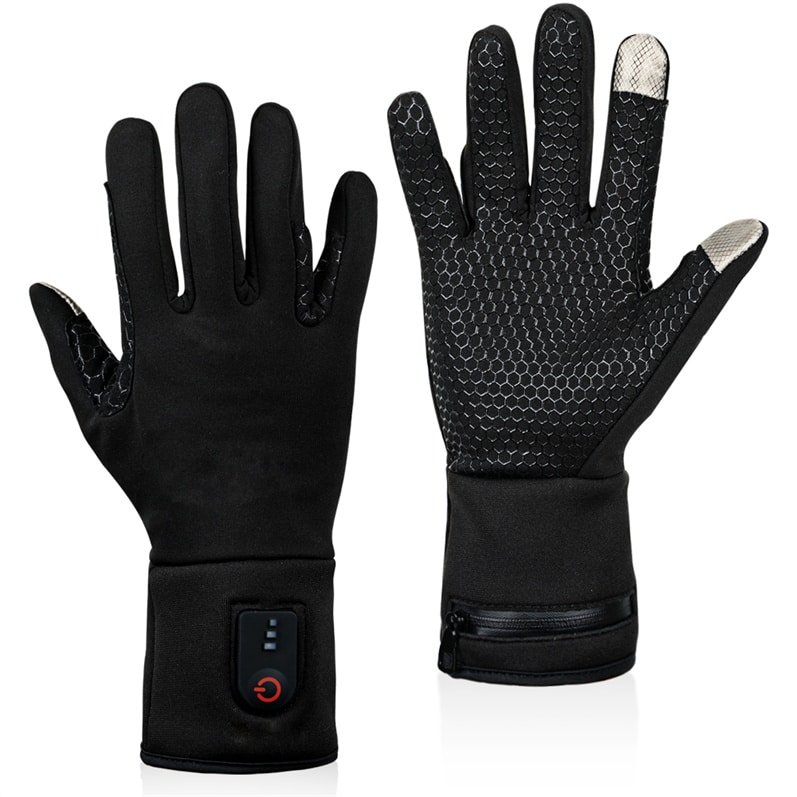
When preparing to go out in winter to skiing or snowboarding, the selection of the and the choice of the right pair of heated gloves is reduced to several essential criteria: the heating system must be reliable (carbon fiber to provide even the temperature), the battery capacity must be sufficient, at least 4-6 hours on maximum power, the gloves must be waterproof and windproof, and the fit should be snug, without compromising dexterity. Find adjustable temperature controllers, touch screens that can be used in their operation and safety standards like CE and RoHS to be able to assure that they are designed to be durable. To find the best heated skiing gloves, look into models with Thinsulate insulation and overheat features: manufacturers such as Dr. Warm will provide you with some solid models that are performance-oriented, yet not too expensive, so your fingers will not go numb when you are on the slope.
Why Heated Gloves Matter for Skiing, Snowboarding, and Winter Sports
People who enjoy winter sports are only too familiar with the bitter cold of frozen fingers in the middle of the run. Heated gloves are not a gimmick, they are a game-changer in terms of being able to keep performing under freezing weather. At low temperatures that fall below the freezing point, the body circulation focuses on the warmth of the core, exposing the extremities such as hands to cold. This may result in a lesser grip strength, slower response, and even frostbite when you are spending hours on the mountain.
During my time as a tester of equipment on the slopes in the Rockies and the Alps, I have witnessed how the winter sports heated gloves are able to eliminate these problems by offering uniform, on-demand warmth. They apply a battery-powered component to transfer warmth to your fingers and palms and enhance blood circulation and make you agile. In the case of skiers making turns or snowboarders holding rails, it is more control and less time to have a break and get warm. And they are safer, with overheating protection and certified batteries which are safer than the chemical hand warmers which can burn or leak.
Heat ski gloves add to the general fun besides comfort. Can you imagine yourself going out and running across a black diamond without you and your pole plants being numb? They are particularly essential in high altitude sports where the wind chills increase the cold, or in those with such ailments as Raynaud syndrome. Simply put, spending on quality battery heated gloves would make what may have been a terrible adventure an exciting one, with such standards as FCC supporting electronic safety.
Key Factors to Consider When Choosing Heated Gloves
The selection of gloves in winter does not only consist in choosing the warmest ones–it is a matter of selecting features to suit your particular sporting interests in winter. This is an in-depth analysis of the need-to-know factors.
Heating System Type (Carbon Fiber vs Heating Film vs Wire)
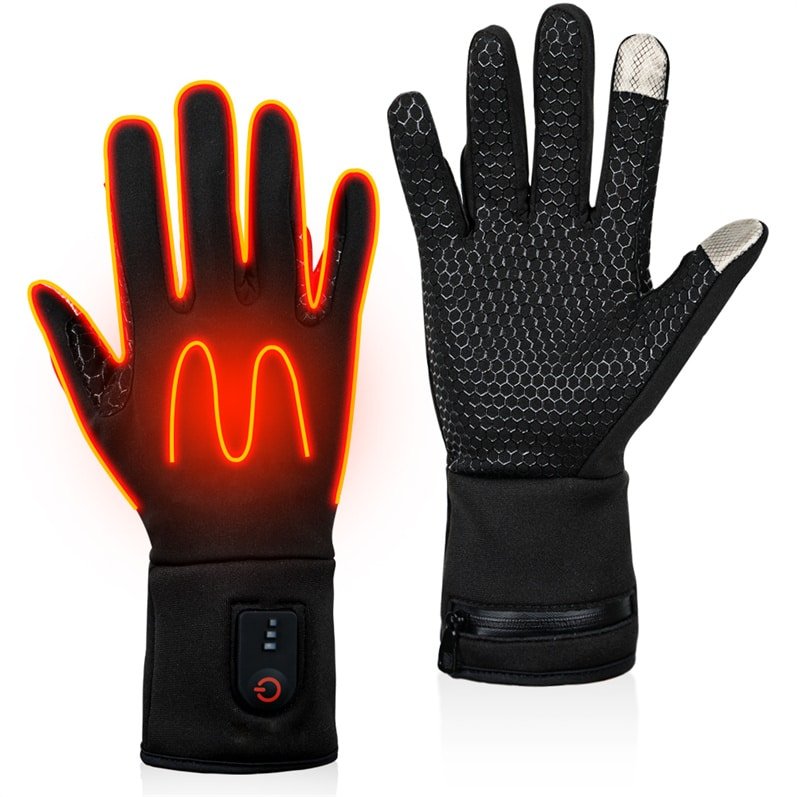
Any warm glove has a heating system and the kind that you take affects the distribution of warmth, the longevity, and the stretch of the gloves. My favorite heating element to use in winter sports is the carbon fiber heating element, it is lightweight, can be shaped into various shapes and gives the hand even distribution of heat without having hotspots. Carbon fiber is also more resistant to repetitive uses as opposed to the older wire-based systems that may be cumbersome and break easily when flexing such as holding on to ski poles.
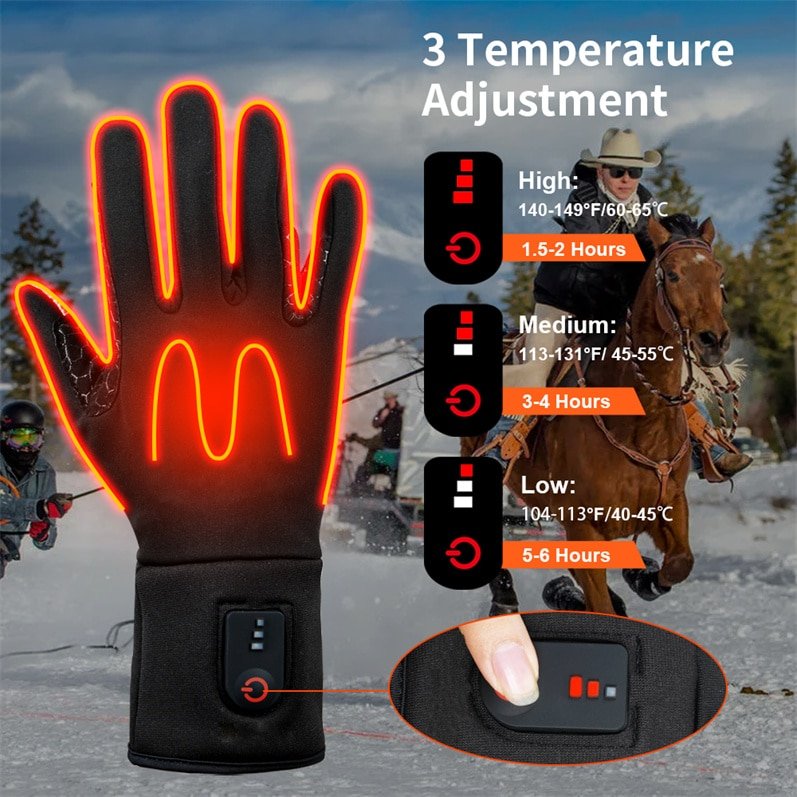
The remedy is heating film, which can be created using conductive polymers: as it is thin and efficient, it can be used as a middle ground but still be worn out quicker in high-impact sports such as falling in snowboarding. The cheapest, although not the best, is wire elements, which are the least flexible and therefore best applied to sports with a rigid aspect, like I have had them tear apart after the first season of rough use. In the case of skiing gloves, the best would be the carbon fiber, because then it fits perfectly in your movements without affecting the warmth.
Battery Capacity & Heating Time (Realistic Expectations)
Many are fooled by battery life, which seems to be the hardest part of Battery life- many claim to last 10+ hours on high heat, but in the real world such factors as wind and activity level drain the battery more. Search Lithium-ion batteries of 2,000mAh or higher per glove, that can last between 4-8 hours under medium settings. My experience on multi-day backcountry trips has shown that it is always necessary to test runtime in cold temperatures because batteries do not work well below 32F.
To select heated gloves, consider the recharge time as well recharge time of less than 2 hours is best in apres-ski downtime. Extends to improve the usability of swottable packs or dual battery systems ideal in protracted snow mobiles. Realistic expectations? Depending on your crip, on low days you could get a whole day, on high you would have no more than 2-4 hours in severe cold.
Waterproof & Windproof Performance (IP Rating, Fabrics)
Snow, slush or wind are all features of winter sports, and that is why a pair of waterproof yet heated gloves is not a negotiable option. Confirm the presence of an IPX4 change or above to overcome splash and sweat- greater such as IPX7 can can withstand immersion in case you fall in powder. Choices of materials: Breathable waterproofing is achieved through materials like Gore-Tex or properties like waterproof features of other materials such as nylon or leather shells.1.
I have ruined some non-waterproof ones that only had a single wet day on the slope and had short circuits. In the case of heated ski gloves, reinforced palm with rubber grips will increase the resistance to ice and edges. Many tips: To eliminate moisture entry in the battery compartments, search on waterproof heated gloves snowboarding.
Insulation Materials (Thinsulate, Cotton, Fleece, Softshell)
The generated heat is trapped with insulation hence it is worthwhile to have both insulation and your heating system paired. Thinsulate is the winter snow king- it is thin, cozy and does not add bulk to gloves thus enabling one to be deft enough to perform tasks such as binding. Fleece linings are softer yet retain a lot of moisture and hence they are suited to dry cold.
Cotton? It makes a poor job in the wicking, and smears a dozen times. The softshell shells are flexible to give the ability of dynamic motion during skiing or in ice fishing. Gear reviews: Thinsulate with heat gloves would last longer in meeting their thermal needs in cold weather compared to other brands, when the batteries are depleted.
Temperature Control Levels & User Adjustability
Adjustable heat is necessary to match the changing weather conditions- seek at least three settings (low, medium and high) with easy to use glove-on controls such as buttons or remotes. Others are sophisticated with app interfere with the ability to make adjustments accurately up to 150 degrees Fahrenheit.
Having coached snowboarders, I have heard that excessive heat will cause sweaty hands, and user-friendly controls will avoid such a situation. In the case of battery heated gloves, there is the option of auto-shutting off after 2 hours, which helps in power conservation, something that I do not doubt in an all-day adventure.
Fit, Dexterity & Comfort During Sports Movements
A second-skin glove is essential, which is not tight enough to close the circulation, or too loose to allow the heat to get out. Take the measurements of your hand circumference and hand length, and use sizes that have cuffs that may be adjusted to keep the snow out. Dexterity test: Is it possible to buckle shoes or books without taking them off?
In winter sports heated gloves, natural motion is provided by curved fingers and knuckles that have an artificial curved shape. I have abandoned heavy pairs during running as they hamper grabs – pick up thin profiles in activities like snowboarding where feel is important.
Touchscreen Compatibility
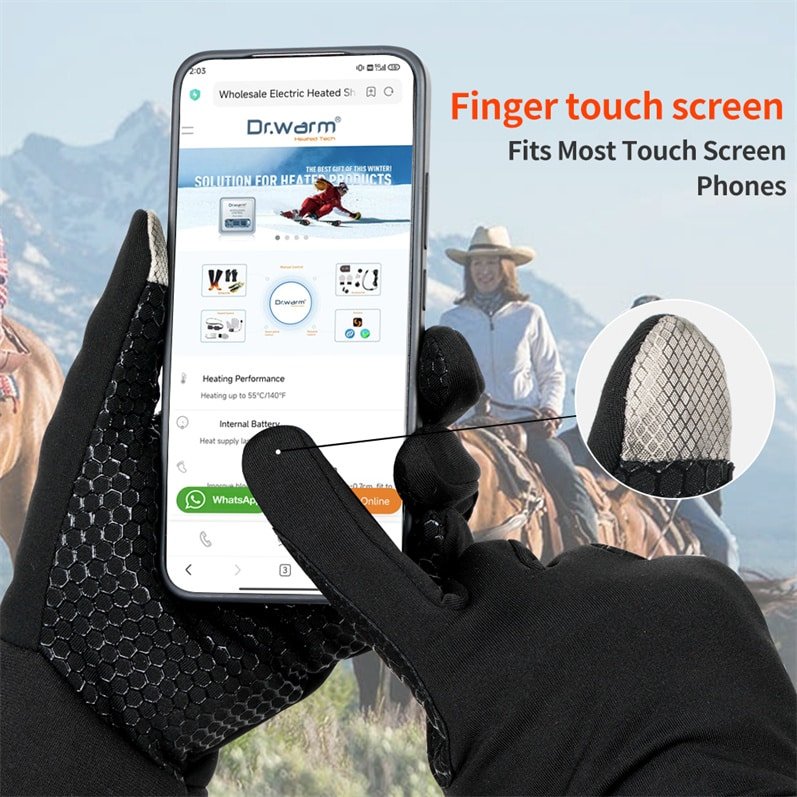
Nobody wants to use bare hands in -10 o F in order to check the lift app. Conductive threads on the fingertip of the capacitive touchscreen allow you to swipe without problems. Check various devices whether it works with you, not all work.
Practically, this aspect wastes less time on chairlifts, and thus, heated gloves will be more convenient among technologically inclined athletes.
Safety Features (Overheating Protection, Battery Certifications)
Safety first – overheat sensors turn off power in case of a spike in the temperatures and burns. Battery certifications such as UL, compliance certification in general, and environmental-friendly certification by RoHS creates credibility. Do not use uncertified imports; it has resulted in fire on a few occasions.
Official recommendation:Always charge The room should be well ventilated. Legality inspection should be checked before using.
Best Heated Gloves for Different Winter Sports (2026 Overview)
Training with your sport is a guarantee of the best performance. The following is a roundup as of 2026 according to field experiments.
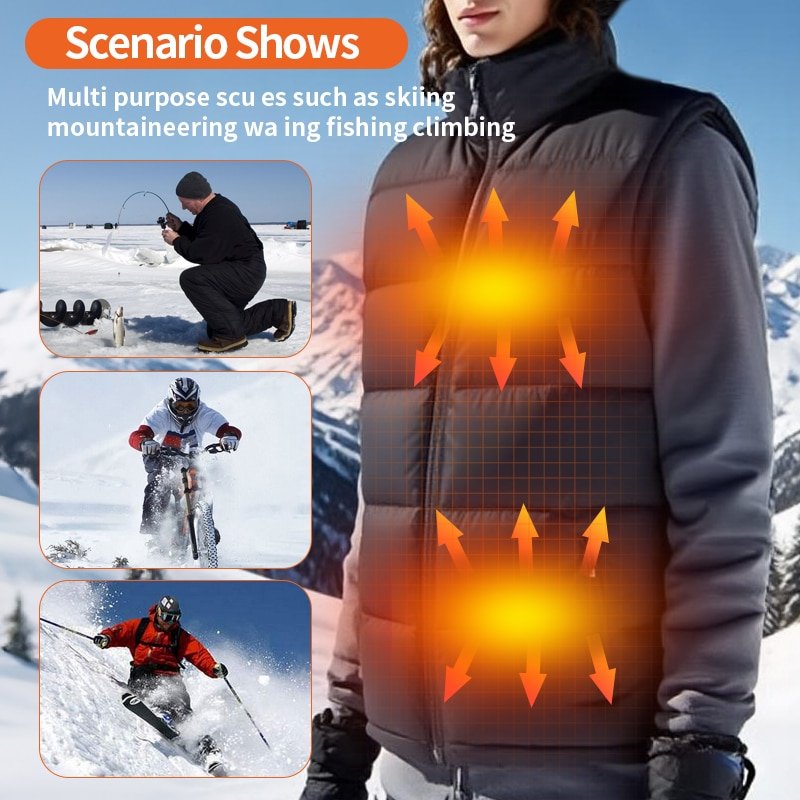
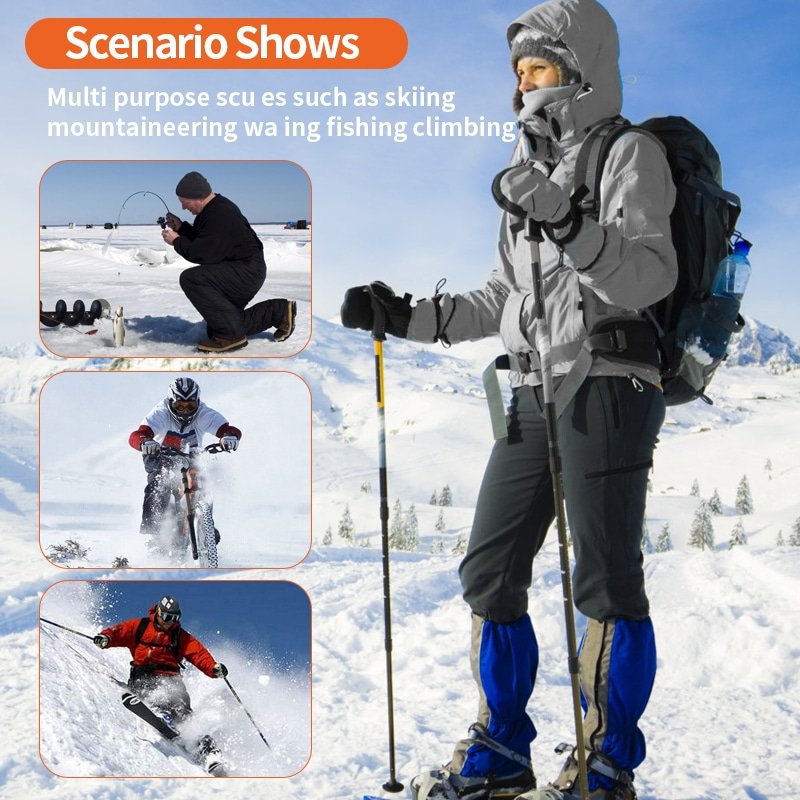
In the case of skiing, the most preferred model of a skiing heated glove is one with a long cuff and a strong palm- gloves such as the carbon fiber series of the Dr. Warm brand have a 6-hour battery life and IPX5 water protection, which is good on groomers or snow days.
Snowboarding requires flexibility; battery heated softshell dexterity of the wrist can be seen, which is why it does not cause strain on the wrist when executing a trick.
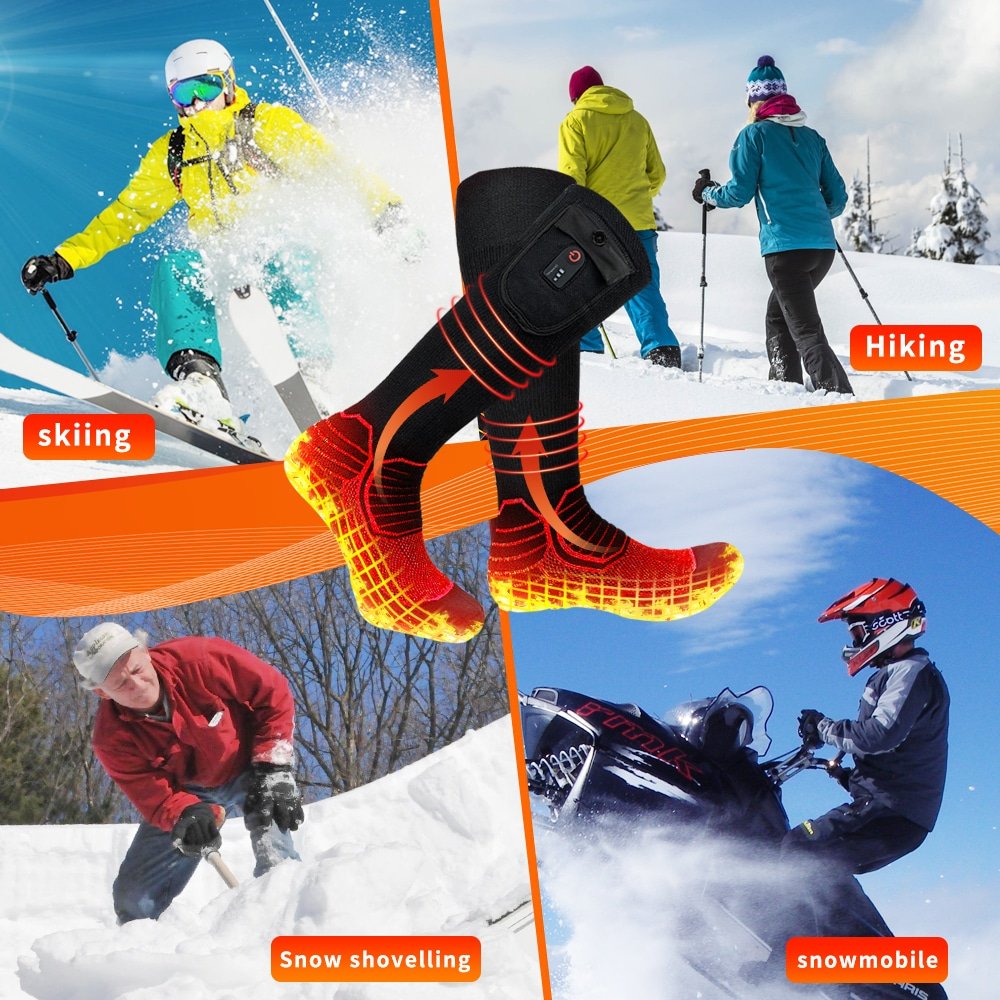
Snowmobiling? Long trails should have priority given to windproofing and long batteries as many as up to 8 hours.
Ice fishing requires ultra-warm stationary gloves that are fully insulated such as Thinsulate and very high heat content.
In cold conditions outdoors, the heavy and puncture-proof heated gloves with removable batteries are used to work with the tools without breakdowners.
Common Mistakes People Make When Buying Heated Gloves
The first trap is searching for the lowest price- sometimes low cost heated gloves compromise on battery, resulting in short run time and breakdown in the middle of the match. Another: Disregard of fit, cold spots or blisters. Reviews should not be overlooked; actual user review will show longevity problems.
People fail to verify compatibility with other existing equipment, such as helmet comms. And in case all such claims as to waterproofing are valid–wet-test first.
How to Maintain Heated Gloves for Longer Lifespan
Battery charging prolongs life: Storing of charge batteries is loved to 50%, no full charges. Do not use machines to clean electronics, use damp cloths. Keep in cool dry nondirect locations.
Have wiring checked every year; have that which has been frayed repaired. In the case of lithium batteries adhere to manufacturer cycles which range at 500 before degradation.
Final Recommendations
Finally, make a decision depending on your sport: High-performance skiing should be made of carbon fiber and adjustable heating; not a luxury? Mid-range battery heated gloves are adequate in everyday activities. Typedly 4+ hours uptime, below 150 at entry. Good safety and fit is part of the motto–your hands will reward it on those great winter days. In case of dilemma please refer to gear experts to make personal choices.