

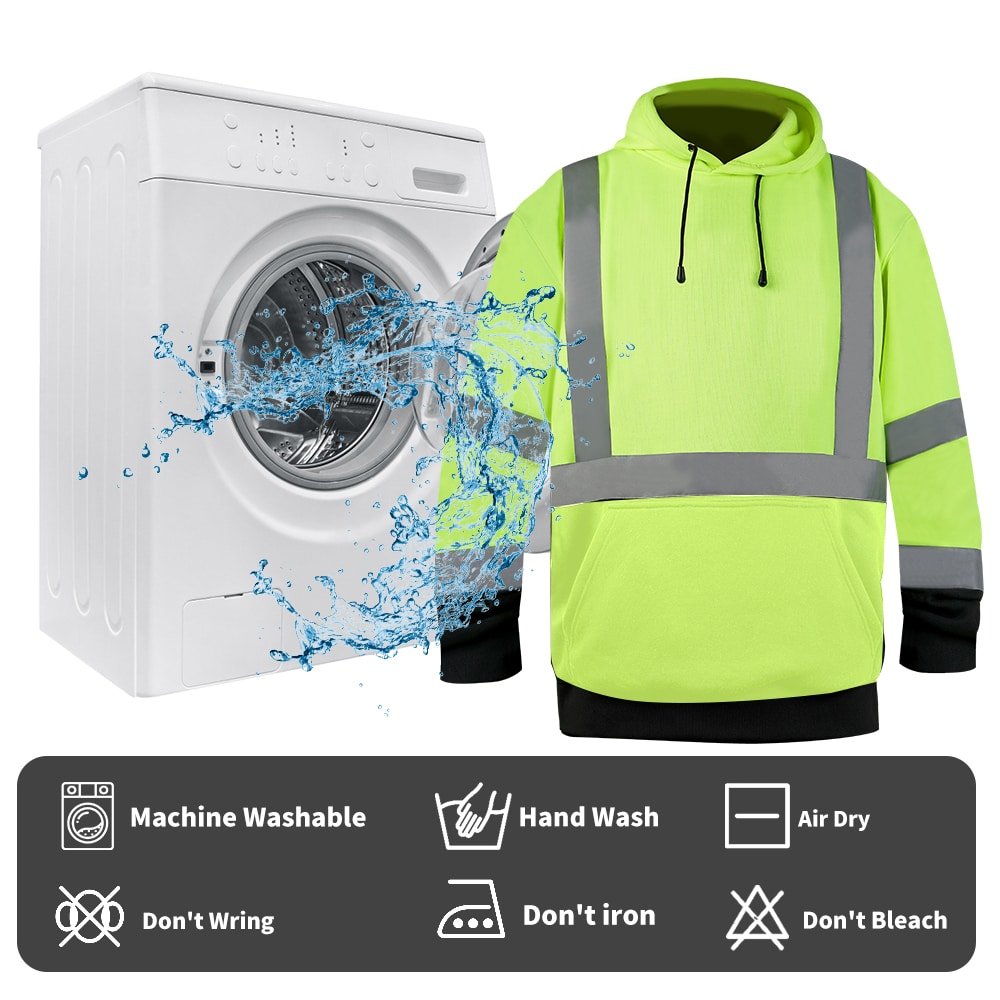
Quick Answer — How to Properly Wash and Maintain Heated Clothing
The golden rules of taking care of the heated clothes begin with never leaving battery in any clothing before cleaning it, hand-washing most of the clothes in cool water using mild detergent, and air-drying flat to avoid wiring and insulation damage. Charge batteries at room temperature, put them in the 40-60 percent capacity in dry places with cool spots and check gear on regular intervals to ensure they are not worn out. These habits can add two years to the life of your heated jackets, gloves, or socks, which in my experience of testing prototypes on the ski slopes and in the workplace have demonstrated the ability to last longer due to built-in protections meaning they are easier and safer to maintain and repair should failure occur.
Why Proper Care Matters for Heated Apparel
The use of heated clothes such as jackets, gloves, and socks is based on small heating components, batteries, and insulation fabrics that may wear out in no time unless attended to the correct way. Carbon fiber heating systems or film systems can be bendable but prone to kinking when being rough washed and lithium-polymer batteries are susceptible to losing capacity when exposed to water or temperatures. Insulation such as Thinsulate has a high level of trapping warmth however it may be destroyed by abrasive cleaners which may lower overall performance.
I have witnessed this scenario during several hunting excursions of at least two days and then the dusty piece of equipment was a heated jacket that shorted out in the middle of the freeze or on my trip to work during winter when the heated gloves I had that winter had gone dead in a year. These problems are avoided by proper care, retaining battery life – about 300-500 cycles on UN38.3 test, and waterproof finishes against snow damage. Finally, it costs less, is safe as it will not short or be overheated following the CE and RoHS requirements, and will actually keep you warm when it matters the most.
How to Wash Heated Clothing Safely
Heated clothes should be carefully washed in order to keep the electronics and materials intact. It is always best to use soft processes rather than convenience to prevent harming the built-in technology.
Step 1 — Always Remove the Battery First
Always unplug and take the battery pack out before it comes in contact with any water, this is a must or you are putting your life at risk. Moisture may cause short-circuit in unprotected cells, and even where built-in protection circuits (as is often referred to as UL-certified) are included, it is preferable to remove the possibility. I have seen this the hard way when a battery was accidentally left in a construction site and corroded when I rinsed it in a hurry.
When washing the battery should be kept in a dry place and connectors should be checked against dirt-clean with soft cloth where necessary. This measure secures the lithium cells which are water sensitive according to FCC electronic specifications.
Step 2 — Check the Manufacturer’s Care Label
All warm clothes are accompanied with a certain amount of instructions–disobey at your own risk. The tags indicate water temperatures (they are typically lower than 86 degF), washing time, as well as prohibitions such as no bleach. In the case of heated socks, it could be able to machine wash in a bag, whereas heated jackets can usually suggest to use hand-washing to keep their seams intact.
I learned about these rules in the course of creating warm clothes when the material trials involved nylon shells and fleece linings do not provide the same strength. The compliance with RoHS material safety is guaranteed by following them to avoid chemical leaking.
Step 3 — Hand-Washing vs Machine-Washing
Most of the heated clothes are best washed by hand in lukewarm water and gently stirred to loosen the dirt. Delicate cycles in a mesh bag can be used to reduce friction on wires on machine-friendly articles such as a few heated gloves.
I have hand-washed muddy hike jackets on which I have dried my hands, so that the twists of a tumbler should not break the components. The machine wash method of washing socks is fine when marked, though never with anything below a cold cycle, as the heat in the machine cycles may distort insulating fabrics such as softshell.
Step 4 — Use Gentle Detergents Only
Use biodegradable, fabric softener free, enzyme free mild detergents, which will not destroy the work waterproof layers or disintegrate heating components. A little bit of cool water will do the trick leaving no residue to block breathability.
My experience with heated socks during ski weekends is that severe chemicals used to remove the DWR layer, causing the socks to soak faster in the snow. Use sport-specific wash- It will maintain antimicrobial treatments in linings, making gear last longer.
Step 5 — Never Twist, Wring, or Squeeze
Rinsing should be followed by pat drying with a towel rather than wringing because twisting puts strain on the internal wiring and heating areas and they may break. Clip-less, lying or suspended.
This provides protection to carbon fiber elements which, though resilient, are not impervious. One day, while on a winter commute routine, I squeezed on some gloves that were already warm, and then I noticed that the heat was not evenly distributed afterward, but that is due to careful handling.
Step 6 — Air Dry Only (No Dryer)
The tumble dryers are the opponents of hot garments; a high heat about the clothes sews the seams and snaps the substances, whereas pinching washes fray wires. Dry in the shade, with proper ventilation, repositioning whenever required.
According to the analyses of factory tests that meet the requirements of the CE standards, air-drying does not harm the structural integrity. I have left heated jackets outside to dry after wet hunting and they stay in shape and waterproofed until the next hunt.
How to Maintain Heated Clothing for Longer Lifespan
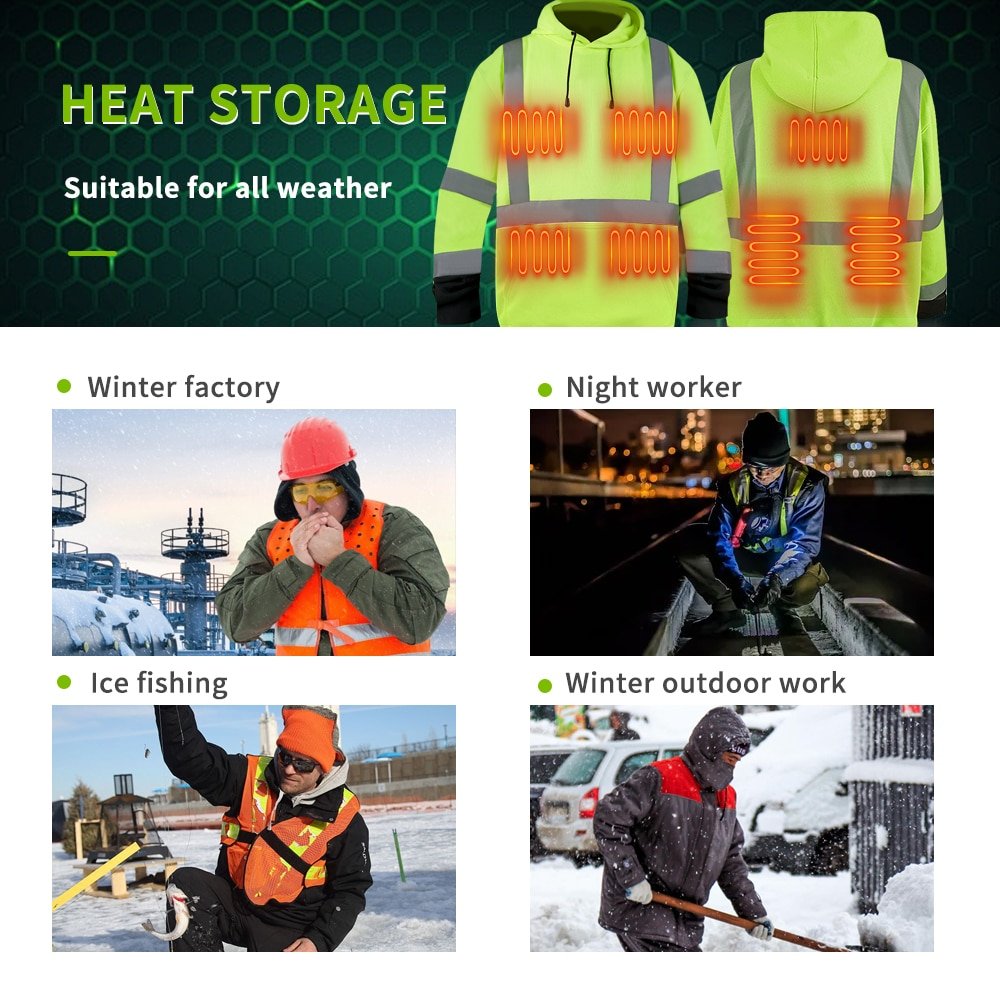
In addition to washing, there are daily routines that maintain heated wearables like new gear, in terms of batteries, elements, and fabrics.
Battery Charging Habits
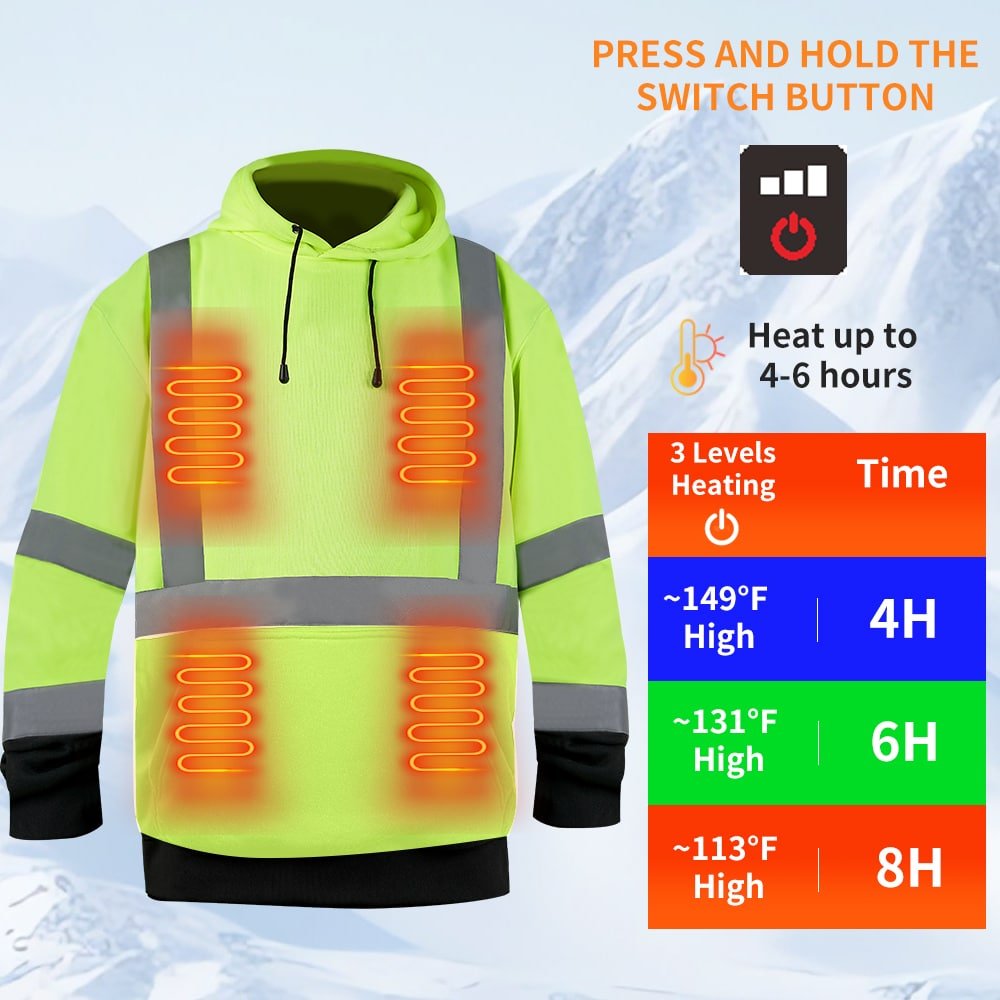
Charge at room temperature (approximately 68 deg F) to maintain maximum health of lithium cell-cells will also react slowly with cold, and quickly with heat. Do not do full discharges; maintain a level of above 20% to deep-cycle stress, and should not overcharge more than 100.
Do not use any other charger, which may not fit the voltage, as specified by the UL safety specs. Practically, on ski trips, with heated gloves, the 500-cycle life of my battery was greatly increased with partial charges between runs.
Protecting the Heating Elements
Breakable–do not fold or crush heating areas when packing. do not wrap flat or loosely rolled, so as to kink wires or films.
I have witnessed heated socks collapse because packed into boots over the long-run; a gentle touch-up going along natural forms of the body save the elasticity allowing a consistent warmness of the legs at all times.
Regular Inspection
Each time it is used, check cables on frays, connectors on looseness and cloth on tears. Diagnostics Check to identify anomalies at an early stage.
FCC guidelines provide authority on this in regard to electronic integrity. Wear of the kind was detected before it became an issue on job sites through regular checks on the heated jackets.
Maintaining Waterproof or Windproof Layers
To reapply DWR sprays apply 5-10 times after washing in order to reinstate repulsive qualities -do the sprinkling of water test -bead should bead together. Do not use scrubs that are rough and ones that take down coatings.
In winter sports, this is used on heated gear, to keep the snow off, according to RoHS-compliant materials. I have warmed hot gloves up this manner, keeping them at the top in snowy weather.
How to Store Heated Clothing Properly
Storage affects life span particularly when it is not in use- gunge, dryness are the greatest risks.
Store in a Cool, Dry Place
Select well-ventilated areas where humidity is not present such as closets with silica packs to avoid corrosion of the elements or molding of the linings.
I have lost equipment to rust in damp garages; cool dry storage is compatible with battery safety requirements, and everything is now ready to go.
Battery Storage Rules
Keep in 40-60 percent charge to maintain cell health empty and full leads to degradation. Store in temperatures 32-77deg F but not in freezers or attics.
This reduces risks as per UN38.3 tests of transport. During off-season when I am wearing heated clothes, I remove and store batteries separately, and check every three months.
Avoid Compression During Long-Term Storage
Be hung in jackets or laid flat; do not pack wiring so that it should squeeze into a tight bag, or compress insulation in a tight bag.
This stops incurring lasting creases on the hot socks-I have unpacked clothes that were going to be used by after doing this which prolongs their life.
Common Mistakes to Avoid
The use of batteries in washing takes the risk of shorting and disqualifies the warranty. Drying and folding heating spaces lead to breaks and melt parts respectively. Cells are swollen when storing batteries with a full charge, and non-certified chargers overvolt, which is against safety standards. C cruel detergents decadise their clothing – be basic due to their consistency.
How Long Does Heated Clothing Usually Last?
Quality heated articles with careful care are 3-5 years or longer; battery life is 300-500 cycles before going dead (reduced by 20 no matter how well maintained), overseen clothing is of service. Daily commuter: A user who is commuting daily may have 2 years heavy use, whereas an occasional skier may have 5 or more. Durability is associated with materials, carbon fiber is stronger than wires, and certifications guarantee minimum quality.
Final Recommendation
These are washing, maintenance and storage guidelines that will go a long way in increasing the life of your heated clothes – take those batteries out, wash them by hand, dry them, charge those gadgets and store wisely. This makes the heated jackets, gloves, and socks dependable during winters in the future, supported with such standards as CE and UL. This is because spending time on the process makes your gear appreciate the time you spend with it and thus whenever you are on a cold adventure it gives you the warmth.