

Introduction — Why Testing Heated Clothing Is Critical
Claiming to test the clothing is not a check list but a line between a reliable product and a failed product when you need it the most. Burns or ripped clothes might occur as a result of overheating, battery-related problems may result in leakage or explosion in extreme cases, and improperly wired may short-circuit in the middle of use, exposing you to the cold. Exposure to moisture is the other major danger, which converts sweat or snow into electricity. Working as a testing engineer and having more than a decade of experience in the QC of the heated apparel, I have witnessed the consequences of not following the steps that led to the recalls or dissatisfied customers. The issues are spotted at an early stage in such tests to guarantee good safety in a situation such as wet gloves of a skier or a jacket of a worker in a freezing rain. Correct heating of clothing testing creates trust, international standards, and product longevity, ultimately safeguarding the users against the frostbite or any other serious damages in addition to the performance of the product. Strong safety standards for heated clothing are the framework behind that testing confidence.
Overview of Our Heated Clothing Testing Workflow
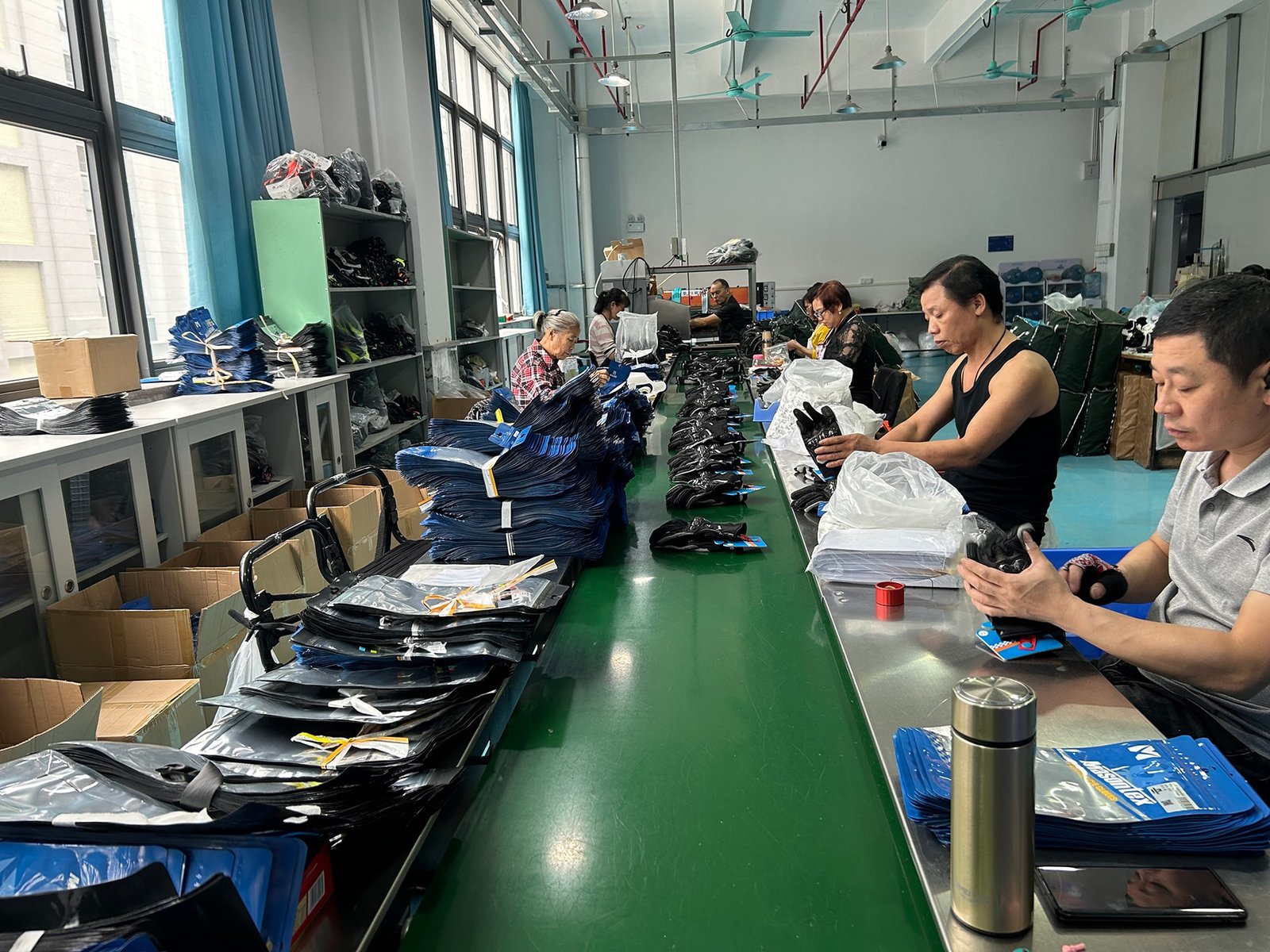
Our quality control is on a planned work process to go through all the angles beginning with raw materials and finishing with the simulated usage. This is the same structured approach brands should use to test heated apparel before mass production and reduce failure risk early. It starts with the incoming inspection; Batteries and elements are examined on specs such as the voltage output and resistance. This is followed by lab-based performance tests, which we use to measure heat and runtime and do it under controlled conditions. The safety measures are observed, including overheat and electrical fault systems.
Secondly, gear is subjected to environmental tests, such as water, cold and stress. Durability tests replicate wear and tear, such as bending clothes tests on gloves. Lastly, compliance checks are carried out to check certifications before they are approved. This grading process, refined in our Dongguan plant, is a step-by-step process, which makes sure nothing slips through, I had been supervising batches where a single wire break was detected at the initial stage preventing the failure of whole batches.
Test Category #1 — Heating System Performance Tests
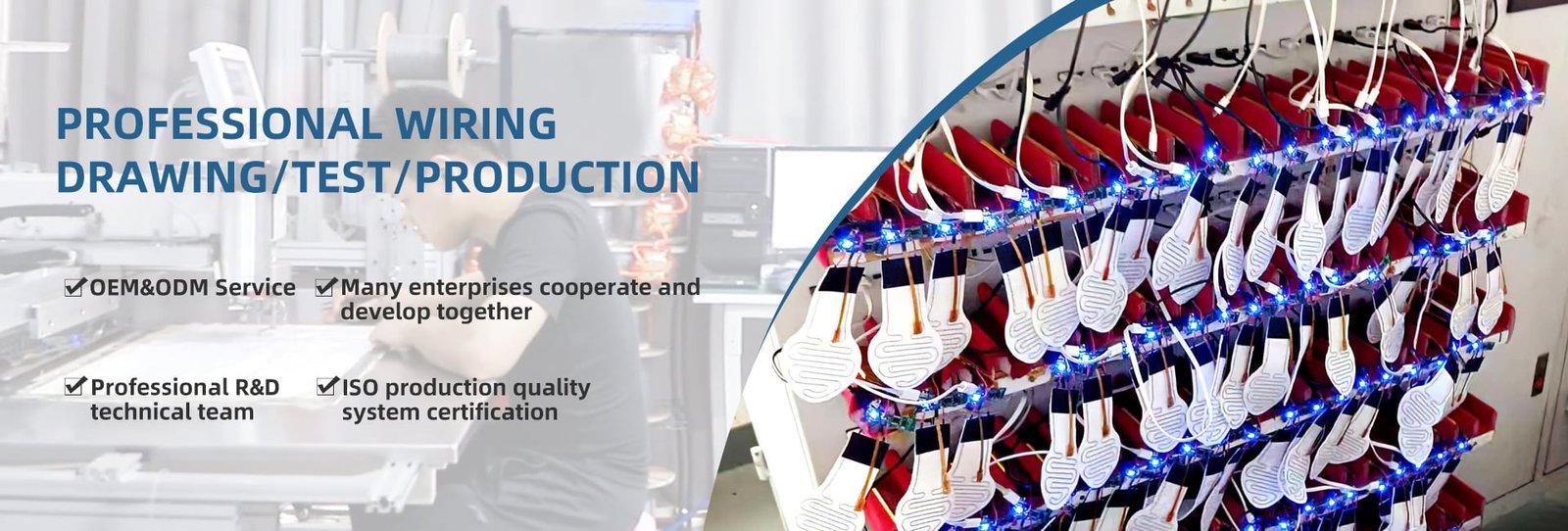
These are verification tests: Does the gear become warm as advertised? By calibration of equipment, we compare output and claims.
Temperature Accuracy Test
We place thermocouples on heating areas and keep a process in every level where the actual temperatures are compared to set points, such as 120 deg F in medium. This test directly supports decisions about what temperature heated clothing should reach in real use conditions. Any variation above 5% is an indicator of such problems as bad element calibration. This would produce an under-shoot of 10 deg F in a single batch of the heated jackets, which was corrected prior to production, a glitch that occurred in the controllers.
Heat Distribution Test
Thermal cameras are used to scan uniformity, which does not allow any hotspots or cold spots. This is why understanding how heating element layout affects heat uniformity and comfort is so important during product development. In order to be certified as heated apparel, zones should be no more than 10degF different. I have examined gloves in which the fabric would be lumpy, so the fingers were cold.
Resulting in redesigns towards improved coverage.
Warm-Up Speed Test
We delay between powering-on and desired temp, usually 2-5 minutes on quality systems. This puts emphasis on efficiency of elements-carbon fiber is frequently victorious with wire in this case. When the socks were being QC, slow ramps were indicative of battery mis-matches, which were adjusted.
Test Category #2 — Overheating & Thermal Safety Tests
The leading risk is overheating, so we take systems to extremes to ensure that protections are activated. That is exactly why overheating protection is critical in heated apparel design from the earliest engineering stage.
Overheat Protection Activation Test
We short-circuit surrogacy or stuff vents to feign faults, which we watch when sensors are closing- typically at 150degF. This is a test of reaction of the microcontroller. In a test of the vest, melting was blocked with activation, which is in line with the UL standards.
Prolonged Heating Endurance Test
Gear operates all night 8-12 hours with high inspection of temp drift or failures. We seek fatigue of the wiring, or dissolution of insulation. Jackets that were exposed to factory runs showed a batch with degrading elements in 10 hours to prevent field problems.
Fabric Thermal Resistance Test
Outer fabric is measured when it is heated to its maximum temperature and kept below 130degF so that it does not burn the skin. This includes the IR scans and dummy mannequins. On work wear gloves, this test revealed a lining imperfection that held excess heat.
Test Category #3 — Battery Performance & Protection Tests
We charge at different loads, which we log hours to cutoff e.g. 4 hours on high on 2000mAh packs. These results help buyers understand how long a heated jacket battery should last under realistic conditions.
Capacity & Runtime Test
We charge at different loads, which we log hours to cutoff e.g. 4 hours on high on 2000mAh packs. Simulated applications are the cold chamber models. This revealed the overrated cells of a supplier, falling 6 hours -5degC to 3.5 in socket qc.
Overcharge / Over-Discharge Protection Test
With chargers, we go to extremes to make sure that the Battery Management System (BMS) goes dead. Recovery checking, the over-discharge tests drain to zero. This was to avoid swelling of a batch of gloves, according to the RoHS compliance.
Short-Circuit & Surge Protection Test
We cause faults using probes, and we will be guaranteed that fuses or circuits cut faults immediately. Surge waveforms artificial power spikes. This was a defect in wiring of jackets as caught in factory logs, which prevented possible fires.
Extreme Cold Battery Test
Batteries are chilled to -10degC or -20degC and are tested at a cold rate of output- chemistry is slow, cutting is half-cut. This guaranteed performance in Nordic markets in the case of heated jacket QC.
UN38.3 Required Battery Testing
This type of transport standard consists of the altitude simulation (low pressure), shaking (vibration), temperature shock (swings in temperature), and drop (impact). All packs go through the integration stage which ensures safety during shipping and usage.
Test Category #4 — Waterproof & Weather Resistance Tests
Winter clothing is exposed to wet weather, and therefore, we emulate the exposure to cushion electronics. These checks are essential when evaluating how waterproof heated gloves and jackets are in actual winter use.
Rain Simulation Test
Sprays of low pressure imitate drizzle during 30 minutes to check the presence of leaks in seams and ports. Jackets with IPX4 have to be ingress-free. This test prevented shortening of a glove line in simulated storms.
Snow & Moisture Resistance Test
Gear is placed in powdered snow at -5degC, and melted to determine penetration. We check wet components after thawing. In the case of socks, this is emulated in slushy hikes, which prevents corrosion.
Sweat & Salt Spray Test
To enable it to perform faster corrosion tests, we use saline mist to mimic body sweat. This kind of validation also supports better waterproof and sweat-resistant PCBA design for heated wearables. This is done with gloves and base layers, which show weak seals of one prototype run.
Test Category #5 — Mechanical Stress & Durability Tests
Everyday wear loads gear, thus we are reproducing motions to identify weak areas.
Bend & Flex Test
Items 10,000+ times are bent by automated machines- important in gloves and pants. Mechanical durability testing is closely related to understanding how many wash cycles a heating element can last over the product lifecycle. We observe shifts in resistance of elements. This arrested fraying in a batch of sock after 5,000 cycles.
Tensile Stress Test for Wiring
Connections are tested by means of wires pulling 10N force. Load breakage is an indicator of bad soldering. This made cuffs in jacket QC to resist pulling.
Switch & Button Durability Test
Buttons are pressed 20,000 times and failure is monitored. Waterproof seals are re test after doing the cycle. This is durable to guarantee seasonal controls.
Test Category #6 — Real-World Usage Simulation
Lab tests are sterile; we put situations to replicate life.
In the case of skiing, equipment experiences vibration along artificial slope, and it tests the ability of the gear to maintain heat stability throughout crash. These simulation standards are especially relevant for heated apparel for winter sports where movement and exposure are both intense. Hunting simulation this includes cold chamber still sits, test battery drainage in the case of low activity. Vibration and wind of motorbikes is tested at 50mph speed making sure there is no loose wire. Work in cold-storage industries mimics the shifts in the freezers, wherein performance is checked at -18degC over the hours.
These expose and expose lab lapses–such as the port of a jacket that fails in the wind, fixed up in advance. Experimental heating of clothes is applied to the real world.
Compliance Testing & Certification Requirements
Credentials legitimize our efforts. Buyers and brands should also understand what certifications you need for heated apparel before evaluating suppliers or test reports. CE guarantees the EU safety standards, including electrical and thermal hazards. RoHS limits the use of toxic substances such as lead in wires. FCC evaluates electromagnetic control interference. UL checks electrostatic safety in general and batteries in particular. Water resistance is guaranteed with IP ratings, IPX4 with splashing, and higher with higher immersion.
These are not just optional, they are access control to the market, and warmed-up apparel has to comply with world standards.
Why Proper Testing Ensures Better User Safety & Longer Lifespan
It enhances rigorous testing, performance through the best heat output, run time, fault-proofing reliability, and certifications to build trust. In terms of safety, it helps to avoid some accidents such as burns during overheat or leaks of the batteries. In the case of lifespan, the identification of wear points, such as faulty wiring, at an early stage prolongs the use to 3-5 seasons long. In very low temperatures, customer loyalty is created as tested equipment is reliable.
Final Takeaway — What Buyers Should Look for in Tested Heated Clothing
Request certification such as CE and UL as evidence of intensive testing of heated clothes. Confirm actual battery information–cold run time and over temperature features. Longevity is shown by the durability rating such as flex cycles. Cost Brands that are open on QC; that is your guarantee of safe and reliable equipment. Working with a reliable heated clothing manufacturer in China makes it much easier to verify those standards in practice.