

The fundamental difference between OEM and ODM in heated clothes is reduced to control and innovation: OEM (Original Equipment Manufacturing) includes a factory that will produce your specific designs, which is ideal to those brands owning proprietary technology such as custom heating zones in heated jackets; ODM (Original Design Manufacturing) allows the factory to produce ready-made models with modifications, accelerating entry to those without an R&D department. This option will have a direct bearing on your timeline, pricing, and technology of the project- OEM will provide complete customization of the new unique branding but will need to put more money into it, and ODM will use the experience of the manufacturer in battery-powered heated clothes, and it will take less time to develop your product, which is 4-6 weeks. In the case of global brands, this will be accurate, and it will meet the safety certifications such as CE, FCC, RoHS, UL, and ISO9001, avoiding blocking entry into the market or recalling the product because of battery leakage or uneven heating. In my experience in advising apparel companies on the expansion into heated lines, the brands tend to ignore the fact that ODM can expedite the process of getting heated apparel in their personal label to e-commerce, whereas the OEM is the right fit with the high-end outdoor brands that require advanced carbon fiber heating components. Finally, it depends on your means: When the specs of the temperature control in heated jackets are known, it is OEM; when you want to test the market faster, it is OEM; and when you are going to ODM. This guide unbundles the difference, advantages/ disadvantages and strategies to aid your sailing.
What Is Heated Apparel and Why OEM/ODM Matters for Global Brands?
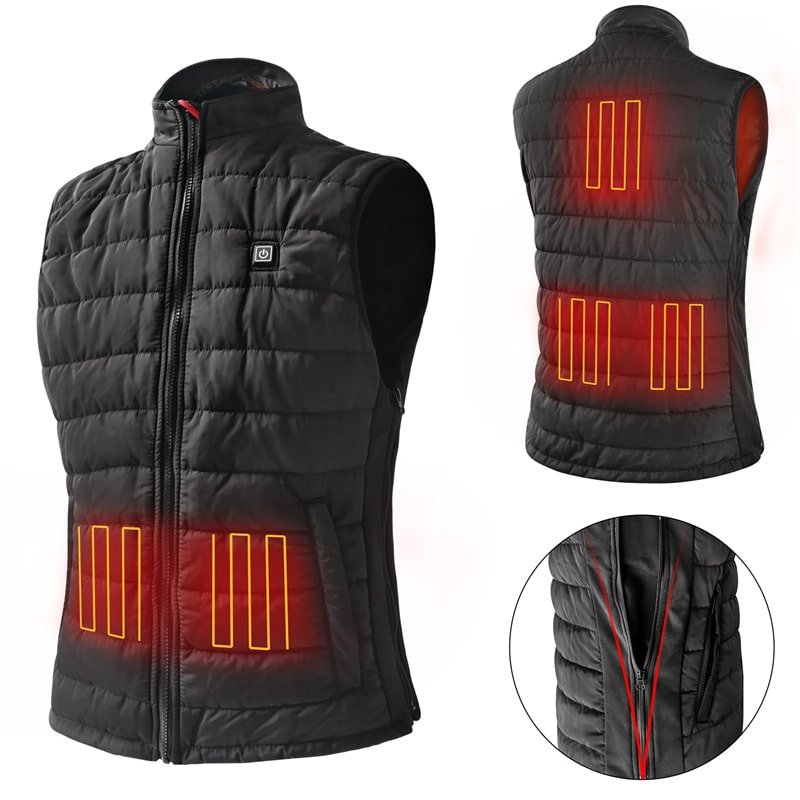
Heated clothes such as heated jackets, gloves, vests, socks, and insoles heat their components using battery-powered technology and therefore offers on-demand warmth which has seen it emerge as a booming category estimated to be worth up to 2.5 billion dollars worldwide by 2026 according to Statista. In these products, the design of the heating system is merged with fabrics, insulation, and electronics to meet the need of cold weather in sports, employment, and everyday life. The OEM/ODM heated clothing is essential to global brands since in-house manufacturing is not an option given the special logic of manufacturing- 80 percent of the supply is handled in China, which has cost efficiency advantages but needs a particular partner to maintain safety and performance.
Why does OEM/ODM matter? It ascertained dominance of intellectual property, flexibility of customization and speed to market. ODM is employed by brands such as Patagonia or The North Face to quickly develop customized solutions based on the requirements of their customers that require heated clothing, whereas OEM is used by high-end brands such as the proprietary heating level that can be obtained via the company. In the absence of the proper attitude, there is a risk of non-compliant products failing tests on battery safety or electromagnetic interference which will prevent sales in such major markets as the EU or US.
What Is OEM in Heated Apparel?
OEM on the hot clothes will mean that the manufacturer will create exactly to your specifications using your designs not only on the heating elements found on the inside of the heated gloves/jackets but also in the battery placement. It is perfect when the brand has been using the same of R&D and can completely regulate the characteristics such as multi-zone heating in the heated jacket OEM or the use of tailored insulation in vests.
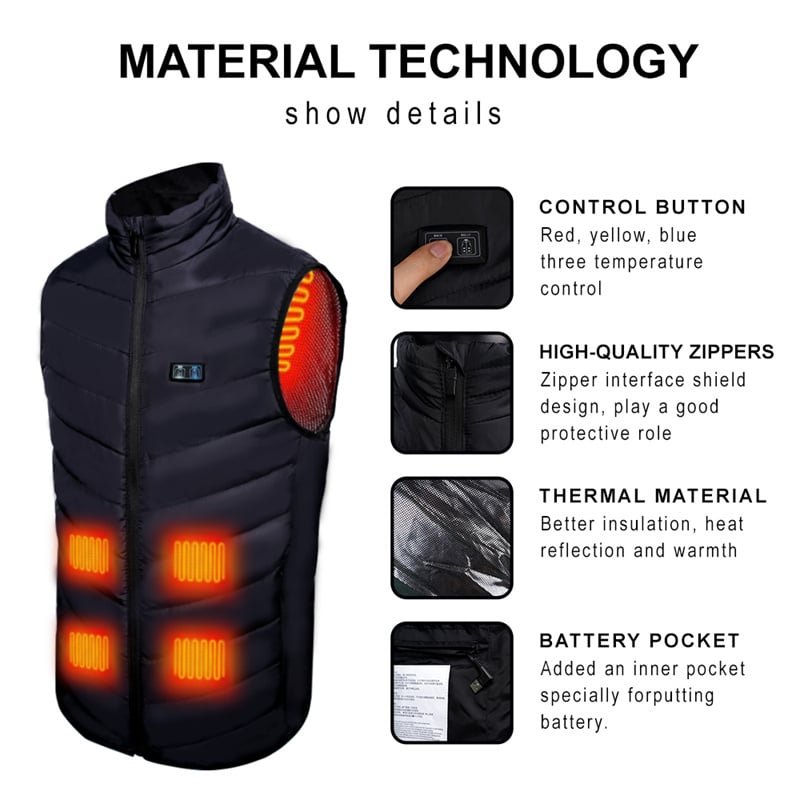
In what situations are global brands interested in OEM? In the case of proprietary technology, such as a motorcycle riding gear company working on a wear-resistant wiring that works with gloves, or a sportswear brand that adds application interactions to jackets. This is where the private label hot clothing can perform, and your branding is on the factory-based products.
Design scope is brand-based: You give blueprints and factory makes it, keeping the IP in your hands. The cost begins at 20-50/unit in 1000 MOQ with a reduced per-unit cost with scale. Advantages: 100 percent personalization, ability to have battery-powered heated clothing and more control over its quality, exclusivity of brands. Cons: Greater lead times (12-16 weeks), greater initial investment in equipment, and technical skills needed to prevent specs errors such as poor heat control in jackets that get heated.
What Is ODM in Heated Apparel?
ODM in heated apparel allows the manufacturer to deal with design and development with ready-made templates that you customize, which are ideal in brands that need not spend much on research and development to enter the market. The strategy is appropriate with e-commerce vendors who sell heated gloves ODM or outdoor labels that are adding vests to collections.
Mechanism: You customize the colors, logos, or other small details, and the factory supplies the base models such as a typical heated jacket that includes carbon fiber components. Their innovation is factory-led, implying that they propose optimizations, e.g. efficient design of heating systems to increase battery life.
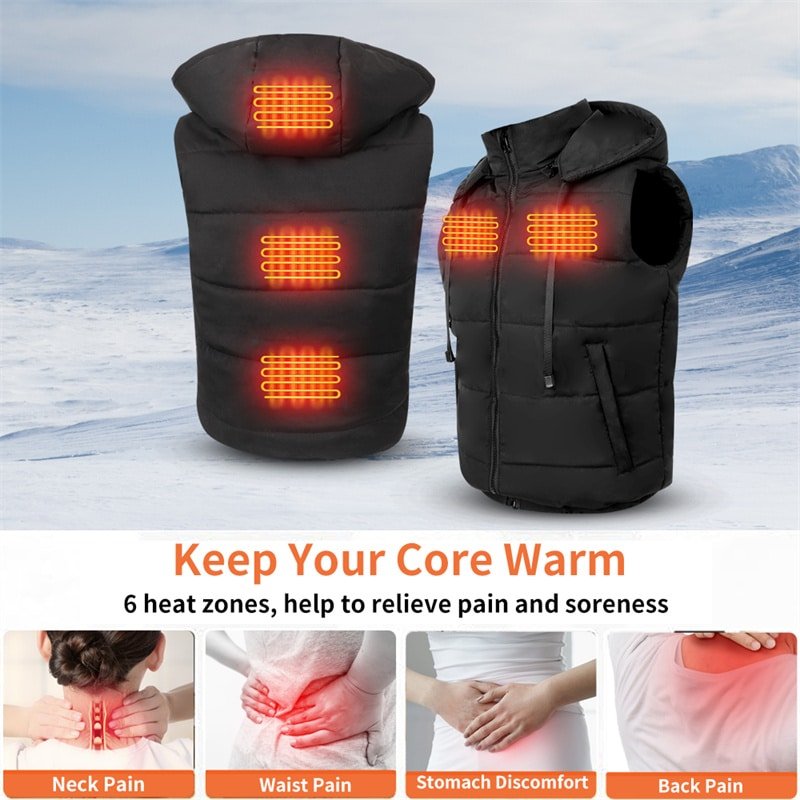
Brands prefer ODM when time is of the essence: A workwear brand can modify a glove template made in a factory, reinforced with palm, and launch on the market in 8-10 weeks. Advantages: Reduced cost of dev (5,000-10,000 vs 20,000+ – OEM), prototyping speed, proven technology (RoHS-compliant materials, etc.) available. Cons: Not as unique, may share IP in case not contracted, not as capable as the factory, e.g. cannot integrate advanced apps when they do not have them.
OEM vs ODM: Key Differences Explained
In order to be clear, the following is a comparison table of manufacturing logic:
| Aspect | OEM | ODM |
| Who controls the design | Brand (you provide specs) | Factory (they design, you customize) |
| Customization flexibility | High—full control over heating levels and zones | Medium—limited to existing templates |
| Speed to market | Slower (12-16 weeks for full custom) | Faster (8-12 weeks with ready molds) |
| R&D investment | High—brand handles innovation | Low—factory’s R&D reduces your costs |
| Battery & heating system options | Tailored, like custom carbon fiber heating elements | Factory-standard, e.g., preset 7.4V batteries |
| Intellectual property | Yours—protect unique features | Shared—factory owns base design |
| Price differences | Higher per unit due to custom tooling | Lower, as setups are amortized |
| Branding options | Full private label heated apparel control | Good, but within factory’s framework |
| Suitable scenarios | Premium brands with IP (e.g., specialized heated gloves for winter sports) | Entry-level or fast-launch (e.g., e-commerce custom heated clothing solutions) |
OEM suits have unique technology such as proprietary temperature sensors, whilst ODM has faster market entry of battery-powered standard heated clothing.
Choosing Between OEM and ODM for Heated Apparel Projects
Your brand stage Small or startup? Go ODM to low-risk testing with ready-to-wear clothing OEM/ODM partners. Budget under $10,000? ODM reduces research and development. Short-cycle (less than 10 weeks)? ODM’s templates speed things.
In the case of bigger brands, OEM maintains distinctiveness e.g., luxury labeling heated gloves ODM with branded app interfaces. When the uniqueness of products matters such as the proprietary design of heating systems to medical clothing, OEM guards IP. Technical needs have a point: Complex like multi-zone heated jacket OEM prefers OEM.
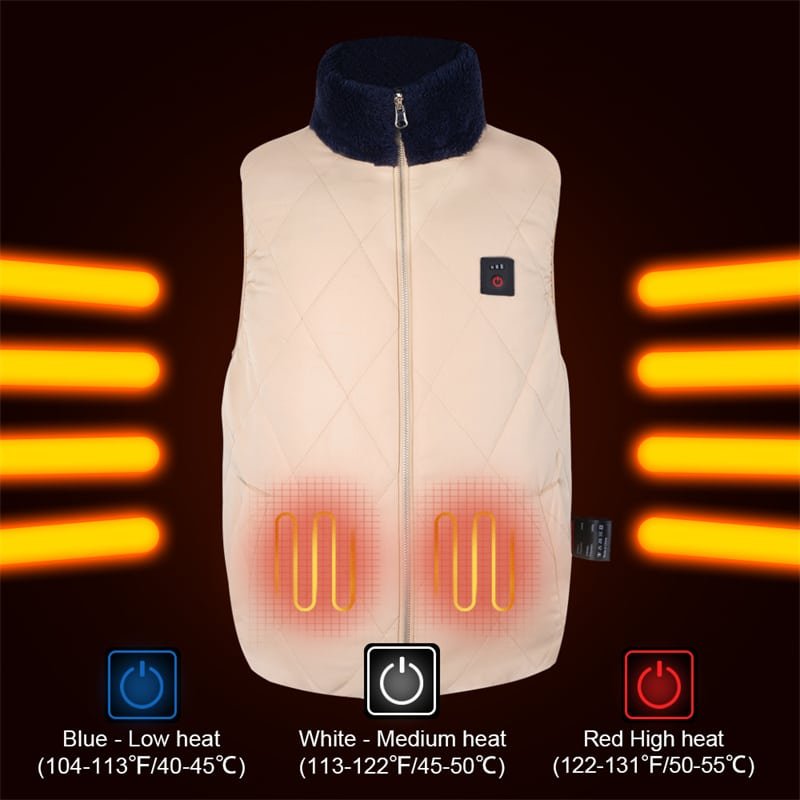
Positioning: Premium (OEM exclusive) and value(ODM affordable). ODM served on initial vests in a project on an outdoor brand in the US, and changed to OEM on scaled custom lines.
Technical Considerations: Heating Systems, Batteries & Smart Controls
Certs are also affected by the technical specs because CE in safety needs overheat tests, and FCC in controls needs no interference. Transport Batteries require UN38.3. Integrity: UL. OEM provides the ability to use custom smart controls (app to control the precise temperatures), ODM standard switches. RoHS controls material in elements, and ISO9001 controls QC. OEM is used in branded apparel branding in custom heated apparel.
Real Examples of OEM vs ODM in Heated Apparel
One ski brand employed OEM in making heated jackets with proprietary carbon fiber zones, design control to ensure premium positioning- full IP ownership warranted higher prices. A motorcycle gear company decided to use ODM to manufacture the heated gloves, where they customized a factory template to leather palms, to sell at fast rates in the seasons. One of the e-commerce sellers chose ODM of heated socks with logos on generic models to be tested in the market quickly, followed by OEM with new features in an application upon success.
Final Checklist for Brands Choosing OEM or ODM
The following checklist can be used in decision-making:
- Brand Readiness: Do you have designs? (Yes: OEM; No: ODM)
- Budget: Under $10K dev? (ODM)
- Timeline: Under 10 weeks? (ODM)
- Customization Requirements Have individualized tech such as personalized heating? (OEM)
- IP Protection: Critical? (OEM)
- Market Test: Quick launch? (ODM)
- Technical requirements: Battery/safety compliant? Check up CE/FCC/RoHS certification of heat clothes.
- Partner Evaluation: Factory experience in OEM heated clothing manufacturer?
This model is one of the consulting tools that have led to successful introductions of brands in my consulting portfolio.