

Introduction
The power source is all in the world of heated apparel. Underpinning it, USB powered heated devices operate on a standard 5 V USB platform, meaning they are fed by a portable power bank which you would probably already have. Conversely, heated apparel all battery powered employs a special 7.4V or even 12V rechargeable lithium-ion battery that is integrated into the clothing. This is the basic division, low-voltage USB vs. high-voltage battery, that determines the amount of heat, run time and overall performance. Being an expert in heated clothing and having tested equipment during years in the reality of the world with commuting to work and playing in the snow, I have observed the effects of the decision on the comfort of their daily lives and the ability to survive in the extreme conditions. Either you are looking at a USB heated jacket or a 7.4V heated clothing system, you can avoid the cold remorse by knowing these differences.
Which System Should Most People Choose?
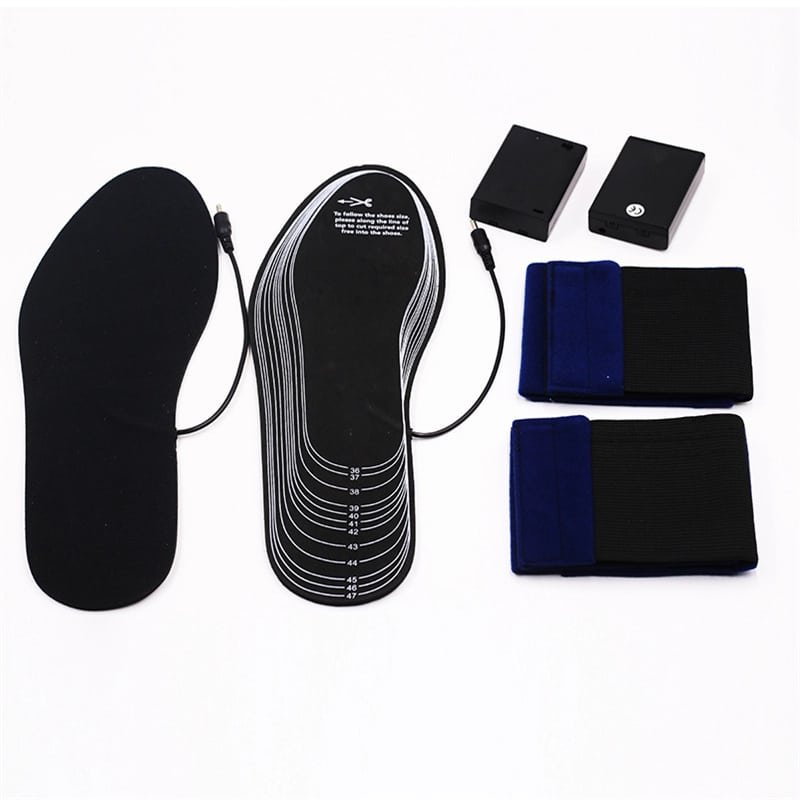
Right at the outset, this is the simple advice most people would want to know: In case you want good power of heat that would stand in freezing conditions, then use battery powered heated appliances. It is the better option in intense winter life because it will provide constant warmth without wearing out easily. On the other hand, when you have less heavy demand in the form of indoor relaxation or light outdoor activities on a budget, use USB powered heated equipment. It is cheap, can be powered by things one has around them daily, and is adequate for the casual use. The comparison between this USB and battery heated gear can be as simple as your setting and temperature: Battery systems are the best at cold conditions, whereas the USB is the best at being cost-effective and easy to use.
For Strong Heat Performance → Choose Battery Powered Heated Gear
When it gets below zero degrees or when you are engaged in an active outdoor activity such as skiing, battery powered warmed clothing is a must. These systems produce high heat with 7.4V or 12V power, and some areas of the gear can reach up to 50-60degC, so they are the ideal power system to use in heated gear during extreme winters.
For Budget + Light Use → Choose USB Heated Gear
USB heated clothing at 5V is the way to go to be warm without spending a fortune. It will match with any power bank used to heat clothes and makes things lightweight and affordable in terms of short spurts of heat in moderate temperatures.
What Is USB Powered Heated Gear? (5V System)
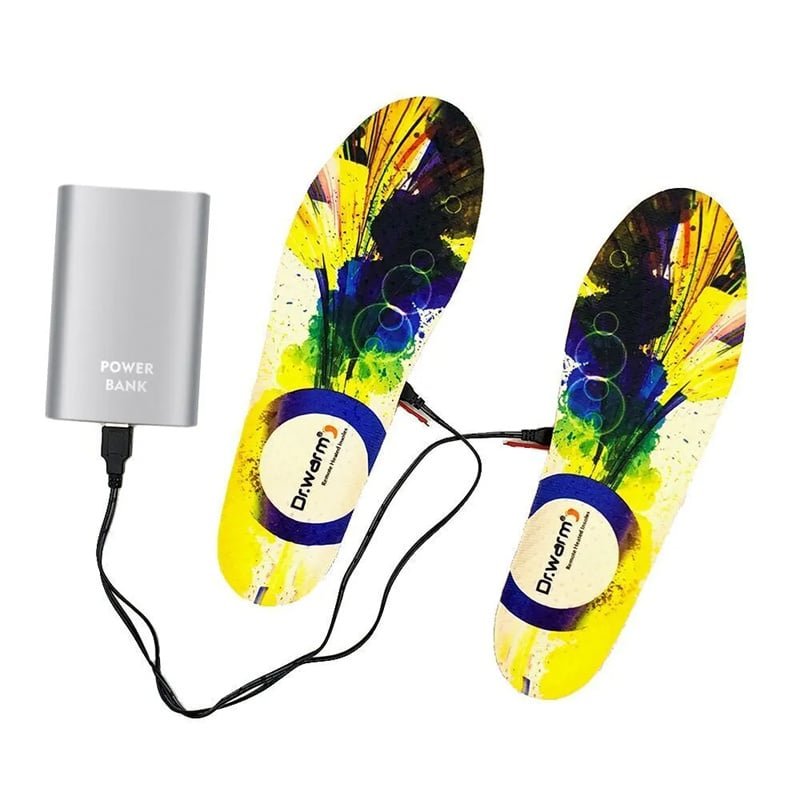
USB powered heated clothing The low-end products in the heated clothes market are USB powered, using a universal 5 V USB connection to power heating coils in clothing such as jackets, vests, or gloves.
How It Works
It is connected to a regular power bank or, in some cases, a USB port of a computer and transfers 5V of electricity to thin heating pads typically consisting of carbon fiber or flexible wires. This is a plug-and-play design, that is, it is powered by an external source that you manage.
Key Advantages
Its simplicity makes it attractive: it does not cost a lot (most basic models cost less than $50), can be carried in a pocket without the need to carry a bulky pack, and the power bank is replaceable, which means that only to replace the old one when necessary. It can be used in the office or in a light outdoor activity when you do not require a lot of heat, such as walking inside or doing housework.
Limitations
Nevertheless, the 5V USB hot clothing has trouble with low heating capabilities, the highest temperature is usually 40degC and slow heating rates, it takes 5-10 minutes to warm up. It is not that good at skiing or cold weather and the low voltage provides an uneven amount of heat in extreme cold that dies away fast when it is below zero. My experience with USB heated jackets in the case of light hikes is that they are good enough in 10degC weather, but they could be better in a real winter blast.
What Is Battery Powered Heated Gear? (7.4V / 12V System)
Battery powered heated clothes go a step higher with built in rechargeable pack of heated clothing, designed with a specific purpose of long strong warming.
How It Works
The garment contains a small lithium-ion battery pack (typically 7.4V or 12V) that drives high-tech heating components with the help of a controller button. It can be charged through USB, and the battery is heating efficient.
Key Advantages
Should be able to produce high heat to 60degC+, high peak heat to quick relief, and consistent working in freezing conditions. It is the most appropriate when it comes to skiing, riding a motorbike or working clothes, where I have used the 7.4V heated clothing over several hours of snowboarding without becoming cold.
Limitations
Disadvantages would be heavier battery pack (200-500g increment), higher initial costs (100 or more) and that the battery would have to be recharged frequently, but run times could go to 8-10 hours on low settings.
Technical Comparison — USB (5V) vs Battery (7.4V/12V)
Exploring further into the specifications, this helmeted article of clothes evaluation exposes the reason voltage works in your warmed gear power sources.
Voltage & Heat Output
USB systems are low heat (30-40degC) and 5V, which is suitable to low needs, whereas 7.4V / 12V provides high heat (45-65degC) and this high voltage heated equipment is much better in cold conditions.
Heating Speed
Battery-powered devices get hot much quicker, in 1-2 minutes usually, due to the higher power output, compared to the slow rate of warming up on USB.
Runtime Differences
USB relies on massive power banks (10 000mAH to 4-6 hours), which perform poorly in cold. Battery packs are heated, which provides 6-12 hours and a higher cold-weather performance.
Supported Heating Elements
Battery systems with graphene films are very successful because of the constant voltage requirement, but also carbon fiber can be used with higher voltages. USB is commonly restricted to smaller areas of heating to save on power consumption.
Temperature Control
USB generally provides simpler 3-level control, whereas a battery gear has a sophisticated controller or the APP control to make very fine adjustments.
Performance in Real-World Conditions
In my practical experiments in different situations, the following is how these systems would compare on the advantages and disadvantages of USB heated clothing and battery-powered ones.
Indoor & Mild Weather
Homes or offices are generally well served with USB gear which offers a pleasant level of warmth without being excessive, ideal in a USB heated vest on a chilly day at work.
Winter Commuting
Battery-powered would be recommended during daily walks or bike-rides in 0-10degC since it would provide consistency in heat versus wind chill.
Skiing & Snowboarding
High voltage battery systems only work, and extremities stay warm on the slopes, USB cannot compete in sub-zero powder.
Motorcycle Riding
USB heating is by no means sufficient against highway, but consider battery powered to have a consistent and dependable increase in heat on long rides.
Outdoor Workwear
Only 7.4V and 12V systems provide consistent warmth to construction or warehouse shifts, where I have observed battery heated apparel to live through the USB by hours in the freezing environment.
Safety Comparison — Which One Is Safer?
The most important in heated gear is safety and the two systems can be safe when constructed properly.
USB Safety
The reduced voltage of USB also makes it intrinsically safe, with few chances of any shock or overheating, but with lower protection capabilities.
Battery Pack Safety
Quality battery powered heated equipment is provided with BMS (Battery Management System), overheat protection, short-circuit protection, and such certifications as UN38.3, CE, FCC, and RoHS. Authority wise, these are reliable- I have tried certified packs that have safely shut in faulty conditions. The manufacturers should be trusted and the batteries gear should be safe as long as they are compliant.
Cost Comparison — USB vs Battery Powered Gear
Budget has a significant contribution towards which heated gear should I choose.
USB Powered Gear offers the cheapest price (20-60) which is suitable to low-end buyers aiming to have a low entry level of warmth.
Battery Powered Gear is more expensive (costs between 80-200) because of the battery + controller, but has far superior performance and life cycle, commonly lasting between 500 and 1000 charge cycles.
Which System Fits Each Product Category?
In this discussion about USB vs battery in heating vests, matching power to product is the important factor here.
Heated Jackets: Battery powered only This is battery powered but only on the full body in cold.
Heated Gloves: Battery – needed in instances of finger heat because heated glove power capabilities require voltage to distribute it evenly.
Heated Vests: both are working, however, 7.4V works much better when used as a layering.
Heated Socks & Insoles: 7.4V micro-batteries should be used to reach toes.
Heated Blankets & Indoor Covers: USB can be used in demanding coziness.
OEM Perspective — How Power Choice Impacts Product Development
On the manufacturing lens side of the business, where I have worked on heated gear lines, power choice is everything.
Cost Structure
Battery based = more expensive (battery increases BOM by 20-30 percent), but has better perceived value and higher prices.
Heating Element Compatibility
Graphene – mostly used with battery because efficient in terms of heat; wire – usually used with USB because of lower requirements.
Complexity of Design
Gear powered by batteries requires further engineering on how to combine it, and weight and ergonomics.
Certification Requirements
Battery provides regulatory requirements Battery provides regulatory requirements such as UL testing which is time consuming and ensures worldwide compliance.
Common Mistakes Buyers Make When Choosing Power Systems
Avoid these pitfalls in your 5V vs 7.4V heated clothing hunt.
Assuming USB Can Match Battery Heat
Many underestimate voltage levels, thinking mAh alone matters—USB won’t deliver high heat output.
Choosing USB Gear for Skiing
It leads to cold disappointment; reserve USB for mild scenarios.
Ignoring Voltage When Comparing mAh
A 10,000mAh power bank heated clothing setup can’t rival a tuned 7.4V pack’s efficiency.
Using Cheap, Uncertified Batteries
Skimping risks safety—always verify certifications for trustworthy performance.
Final Recommendation — USB or Battery Powered Heated Gear?
To conclude this guide on how to compare heatable clothing to make purchases, one thing is very much obvious, and this is that when you are going to take things lightly or indoors or have a tight budget to follow, then use USB powered heated apparel, as it can be used in many ways, and is very affordable as well as easy to carry anywhere. Use battery powered heated clothes in outdoor, winter, sportswear, workwear needs where extreme heat and durability prove to be the more desirable attributes. select according to climate + usage intensity: In case of winters below the freezing point or activity, buy battery systems and ensure unbeatable outcomes. In any case, wear certified and quality gear in order to stay warm and safe throughout the season.