
Quick Answer — The Most Common Heated Clothing Buying Mistakes
Immediately, the most egregious mistakes that people can make when purchasing heated clothes are the attempts to save on battery specifications, buying low-quality uncertified products, and overlooking the fit or waterproofing. I have watched so many of the purchasers of overheated jackets or gloves that claim to provide unending warmth but they end up with a short life battery or equipment that shuts down in the snow. To avoid them, make sure to use certified batteries that are well-built in terms of capacity, compatible with your climate and take the time to check the correct sizing – avoid having to use cold hands on a ski slope or go on a fruitless hunt.
Mistake #1 — Ignoring Battery Capacity and Heating Time
Among the pitfalls that buyers commit to is the ignorance of battery specifications, in the belief that any heated clothing can be worn all day. The runtime is directly proportional to battery capacity, which is expressed in mAh or Wh, where a 2000mAh battery pack in heated gloves may last 3-5 hours at medium power, but only 2 at high power in freezing conditions. Since I started dressing teams to do outdoor tasks in warehouses, I have observed that people undervalued this, and they ended up catching a cold in the middle of the shift as the power went down.
Why does this happen? It is claimed that marketing hype may project up to 10 hours but that is in light conditions. In reality, with battery heated clothes, consider the loss of cold to lithium cells-they do not work as well when it is below 32 deg F. To prevent it, estimate your requirements: To spend a whole ski day, you will need 5000mAh and more. Inquiry into the actual heating time, not only claims.
Mistake #2 — Choosing the Wrong Heating Level for Their Climate
Many shoppers end up selecting heated clothes with it having more max heat than they need in their locality, or even worse, not very strong in very cold climates. Warm jackets turned to 150degF could make you sweat in the 20degF city traffic, whereas low-output jackets will keep you shivering in negative-degree snow. I have advised hunters in the Midwest that picked up equipment that was best used in mild European winters, only to have frozen toes on their mornings-sits.
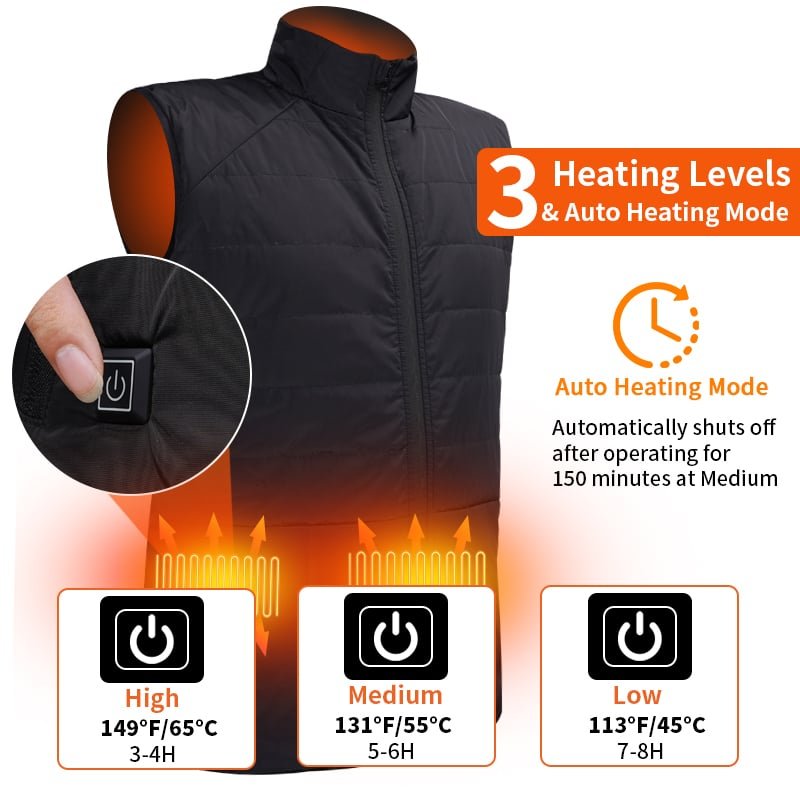
This is because of the failure to adjust heat settings in to the weather of the place, three level (low, medium, high) is the norm, however, experiment with how they wear. To get heated clothes, look at your average minimum temperatures: Milder conditions require adjustable 100-130degF zones; severe weather conditions require hardy systems. Base wear is used to adjust a layer.
Mistake #3 — Overlooking Safety Certifications
Omission of certifications is a dangerous cost-cutting measure–electronics may not have CE compliance, FCC may not have FCC, materials may not have RoHS, overall safety may not have UL, battery transit may not have UN38.3. They keep you safe as without them, you could overheat, short or even catch fire by using unstable lithium batteries. Uncertified heated sock in my inspection of construction crew gears has given minor burns in incidences when the protection circuit malfunctions.
Buyers are bargain hunters, notwithstanding that certified battery heated clothing is put through stringent tests in overcharge and short-circuit resistance. The authority here? Standards guarantee no heavy metals or faulty wiring. Looks like genuine marks on packages, very often it is a fake label online. It is not worth the risk- use trusted brands.
Mistake #4 — Focusing Only on Heat Instead of Waterproofing & Insulation
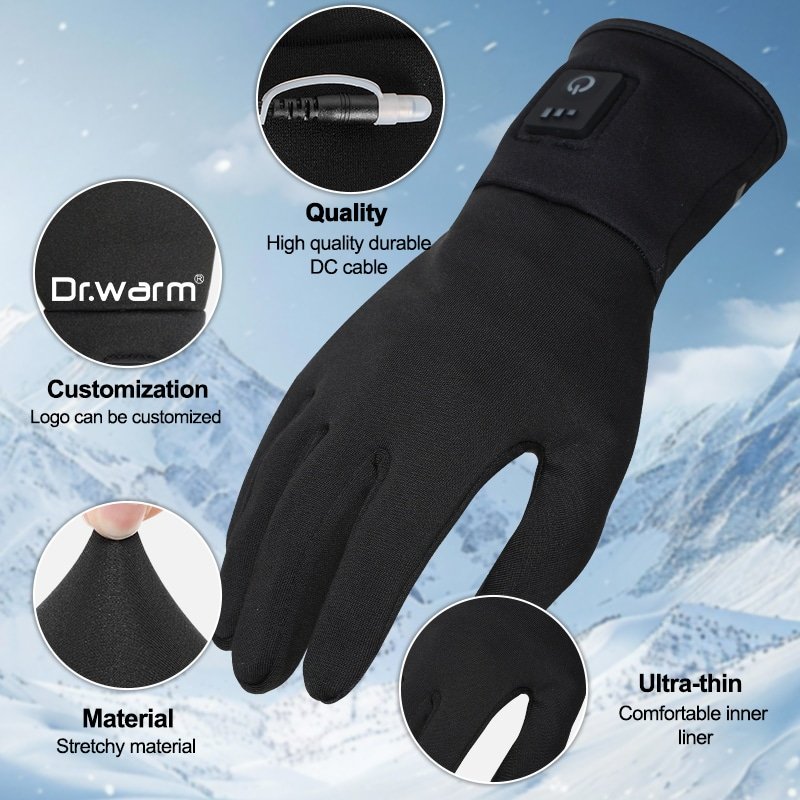
Warmth will not slice it when your hot clothes are wet or allow the wind to steal the warmth. Most of them focus on heating components but omit fabrics such as nylon shells, Gore-Tex membranes to keep the waterproof, and insulation to keep in and out such as Thinsulate to capture the produced body heat. I have destroyed non-insulated heated motorcycle-riding gloves in rainy weather, with moisture extinguishing circuits on the way.
This fallacy occurs due to the fact that advertisements emphasize on warmth and the implications of the insulation on the extension of the battery life by consuming less power. In the case of heated clothing, 3M Thinsulate or fleece linings with DWR coatings are sought. This combo will keep you drier and toastier even in real-life situations such as skiing because it stays warmer than heat-oriented clothing.
Mistake #5 — Buying Improper Fit or the Wrong Size
The loose or tight fit is the death of all things–some heat gets out by way, or the circulation is cut off, and the warm jackets become useless. Consumers also make online purchases without gauging, meaning they get oversized heated gloves that do not allow them to hold their poles when they go hunting or during skiing pole planting. Since putting clients in industrial outdoor work involves adjusting them with the suitable socks, I have noticed the poorly-fitting warm-up socks bunching up, resulting in blisters and asymmetrical warmth.
Why overlook this? Convenience over caution. To avoid errors in purchasing heated clothing, measure circumference of hands/feet and check the adjustable cuffs. A tight fit guarantees good distribution of heat and mobility- which are important in active activities.
Mistake #6 — Not Considering Their Activity Type
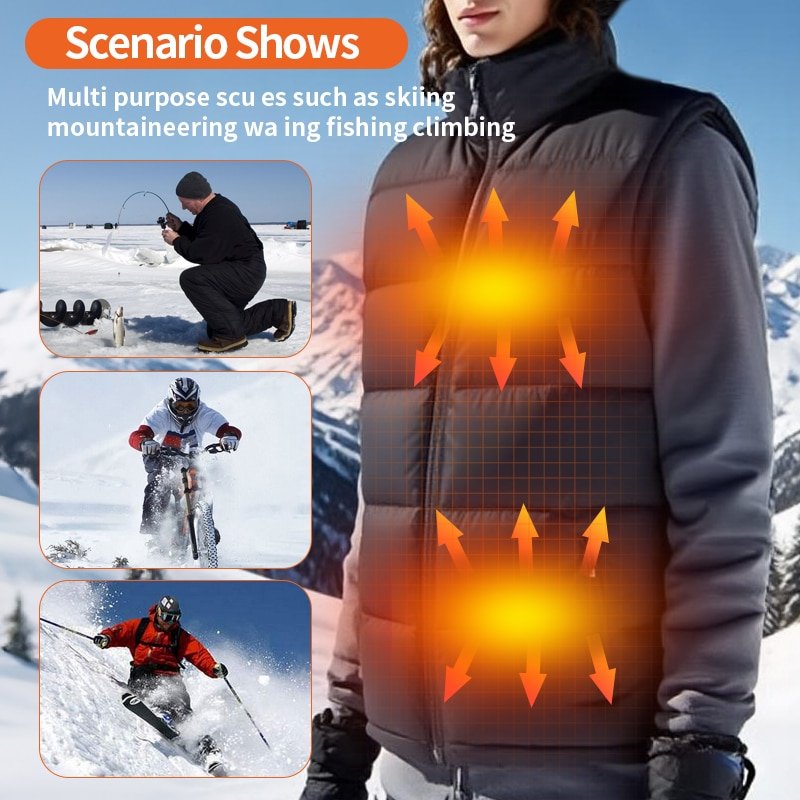
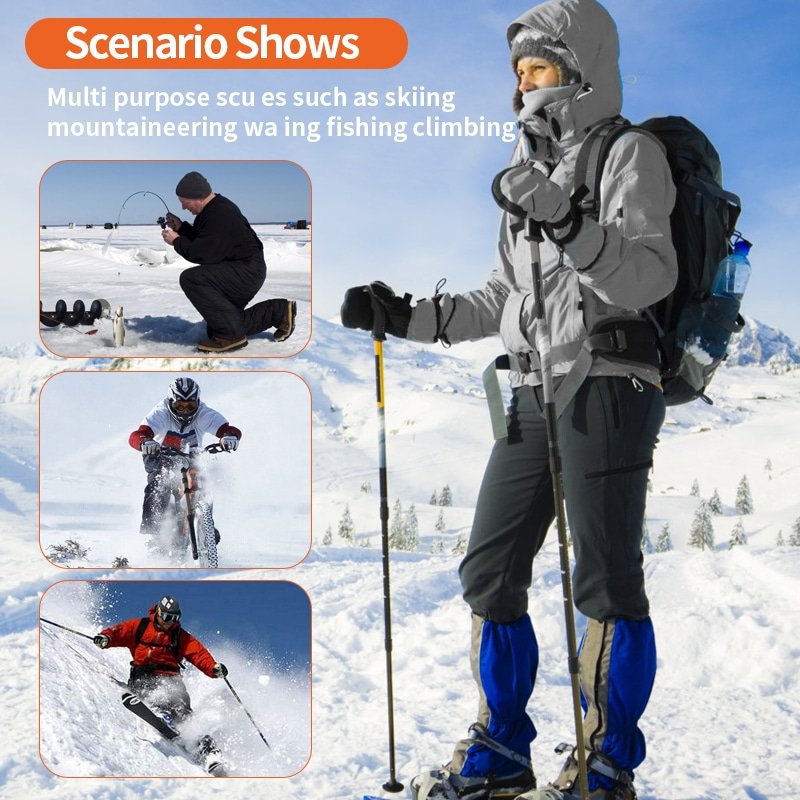
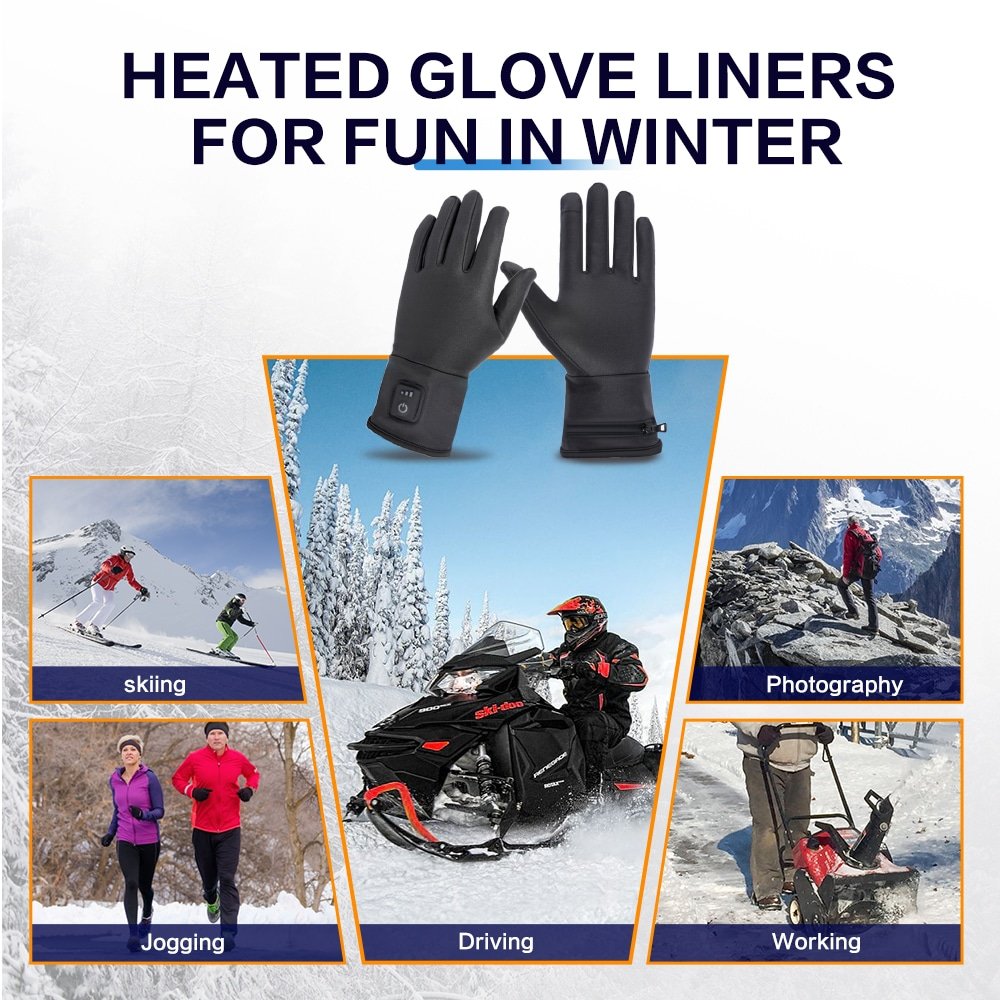
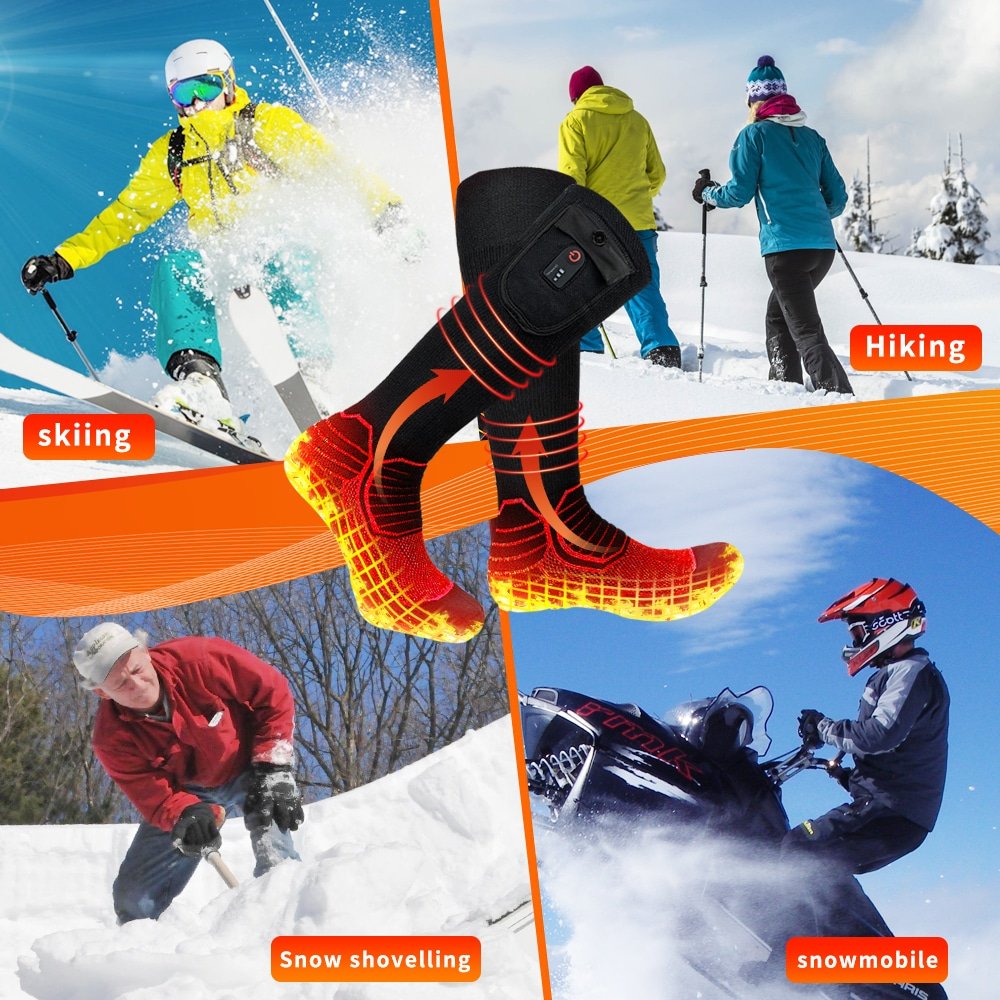
Clothing that glitters on commuting failures in extreme sports since needs are perennial. In the case of skiing, you require jellyfish-like, high-dexterity, heated gloves, which are windproof and in the case of hunting, you require no-battery, camo-friendly, silent-heated vests. The motorcycle riders need wires that are resistant to vibration and the industrial workers need the puncture free heated pants of their tools.
Long experience has taught me not to economize on waterproofing–commuters can do it, but hunters in moist country must not. Customize your choice: Evaluate motion, exposure and noise. This eliminates the regrets such as rigid equipment slacking a ski cut or clangy components causing spooks among the deer.
Mistake #7 — Overlooking Heating Element Quality
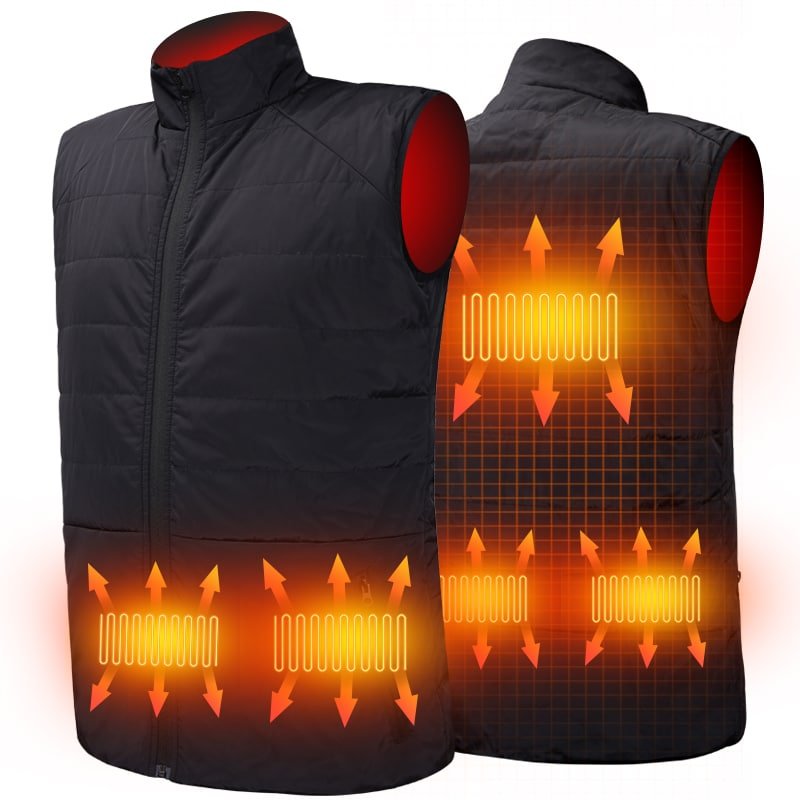
All the factors are not identical, buyers take the cheap wire-based heated clothes, which break after bending, and they do not want to pay attention to a durable carbon fiber or film offer. Carbon fiber spreads the heat evenly and flexes without fracturing, suitable to heated jackets in the cruddery; heating film is thin like stockings and is worn out more quickly; wires are cheap and form hotspots.
According to dissection of failed pairs after hunting, cold spots are brought about by poor quality. To get the expert opinion on the best choice when selecting the heated clothing, it is best to go with carbon fiber in active equipment- it is stable during stress, unlike the thin wire found in the low-end models.
Mistake #8 — Assuming All Heated Clothing Is Waterproof
Most people are deceived by the use of the term water-resistant, however, unless the apparel is rated as IPX4 or more, snow or sweat will make it warm. Buyers assume that heated socks will be effective in slushy hikes, and only to discover that unsealed batteries do not work. During rainy outdoor working shifts, I have changed wet non-rated heated gloves with dry hands.
This is based on the assumption that real waterproofing requires closed compartments and breathable sheets. Check ratings: IPX7 addresses immersion. To be snow worthy make sure that actual performance is checked, not abstract descriptions.
Mistake #9 — Not Checking Runtime on Different Heat Levels
People read 8-hour battery and purchase it without noticing that it is on low-heat which reduces it to half. A 3000mAh pack on heated jackets could take 6 hrs medium but 3 on the largest in the wind. New users were surprised with this drop-off when I subjected myself to a freezing commute test.
Hype is concerned with best-case; reality involves settings. Avoid can be done by examining per-level runtimes in cold simulation, necessary when planning battery heated clothing.
Mistake #10 — Poor Care & Maintenance After Purchase
Even high-quality equipment does not last without maintenance – charging batteries in heat can destroy them, or machine washing will destroy wiring. Purchasers disregard this, reducing life span. Based on stories of clients, the battery in heated gloves would swell up due to improper charging.
Take directions: Charge at room temperature, store at half, manually wash removables. Check once a year- increases UN38.3-certified packages to 500 cycles.
How to Choose Heated Clothing the Right Way (Expert Tips)
Reverse the script: Begin with your environment, high capacity battery, and Thinsulate insulation are needed by sub-zero. To act, choose supple carbon material to ski, soundless to hunt. Greater CE/UL safety with an objective of 4+ hour runtime on medium.
Breathable layers, fit sees eliminate heat. Style loses to durability in workplaces. These, based on field tests, are recommendations to solid picks.
Final Recommendation
The solution is to avoid these traps and find out certified and properly fitting heated clothes that match your requirements, be it heated jackets in skiing, or heated socks in the workplace. Pay attention to quality factors, achievable run times and maintainability. You can be warm and smart enough not to have the headaches.