
What Is the Best Heated Apparel for Skiing, Hunting & Outdoor Work?
In case you are about to go on cold-weather activities, the most useful and favored heated clothing will reduce to equivalent apparel to your tasks; skiing, buy a waterproof and heated jacket with elements of carbon fiber and a minimum battery of 5000mAh run time, coupled with gloves and insoles that are also heated. To ensure that you do not spook game, hunters should use silent, camo-compatible, low-noise setting vests and socks. Outside employees should have hardy heated work clothes such as reinforced jeans and jackets with longer batteries- consider 10000mAh to allow all-day work in a cold warehouse. On the board, favor certified (CE, FCC, RoHS, UL, UN38.3) products of reputable manufacturers such as Dr. Warm to keep one safe and long-lived, adjustable heat, good insulation, and weather resistance to get to the actual work in sub-zero conditions.
Why Heated Apparel Matters in Extreme Cold Conditions
Cold snaps are very severe and they take away warmth out of your body at a rate that is not noticeable particularly in areas exposed such as the hands and feet. You will lose dexterity, reflexes, and even frostbite without the right equipment: I have heard of skiers having to shortcut a run in case of numb fingers, hunters missing their targets with a shaky hand, and workers becoming idle in the ice, wind. Heated apparel alters the way of providing active warmth to the body by use of battery-integrated components, which can keep the internal body warm and circulate blood where the passive layers fail.
Based on my seasons of testing kit in the Rockies to play ski and Midwest blinds to play hunt, this technology enhances stamina: It does not drain the body by shivering and rather lets you concentrate on the turns or the hunting game. In safety terms, it will reduce the hypothermia risks in the remote areas, and in outdoor work, such as construction, it will reduce the number of breaks one has to make to warm up. All in all, battery heat apparel is not a gimmick, it is a functionality that will help anyone who is breaking boundaries during the winter season with the backing of battery standards such as UL on battery reliability.
Types of Heated Apparel You Should Consider
Hot apparel is available in a variety of designs, each designed to suit a particular purpose. This is an overview of what I have recognized as optimal in the field.
Heated Jackets
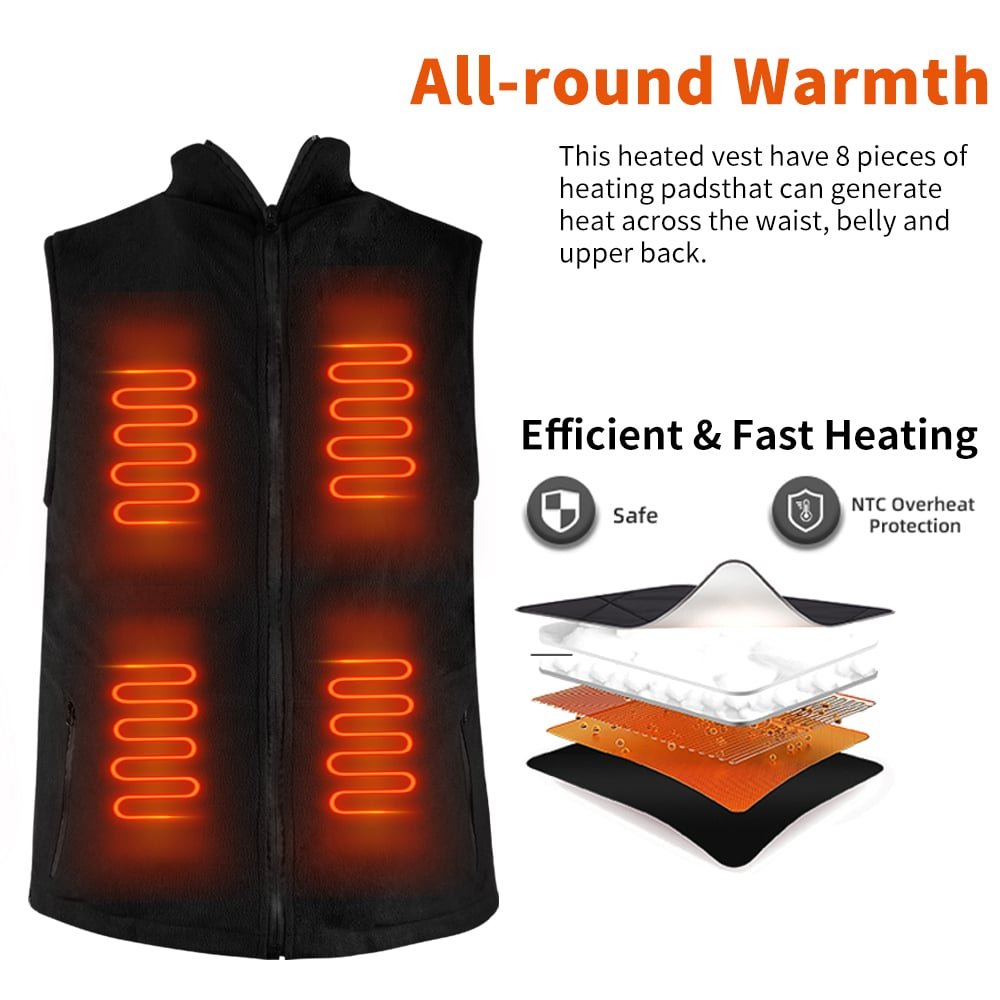
Those are your multipurpose warriors who repurpose insulation such as Thinsulate with heating pockets all over the chest, back and sleeves. Waterproof covers and windproof shells (and equivalents of Gore-Tex) keep the elements off, but the linings allow the breath to pass through. In the case of skiing heated clothing, seek the items that have strengthened elbows to withstand falls- I have used them during powder days without any trouble.
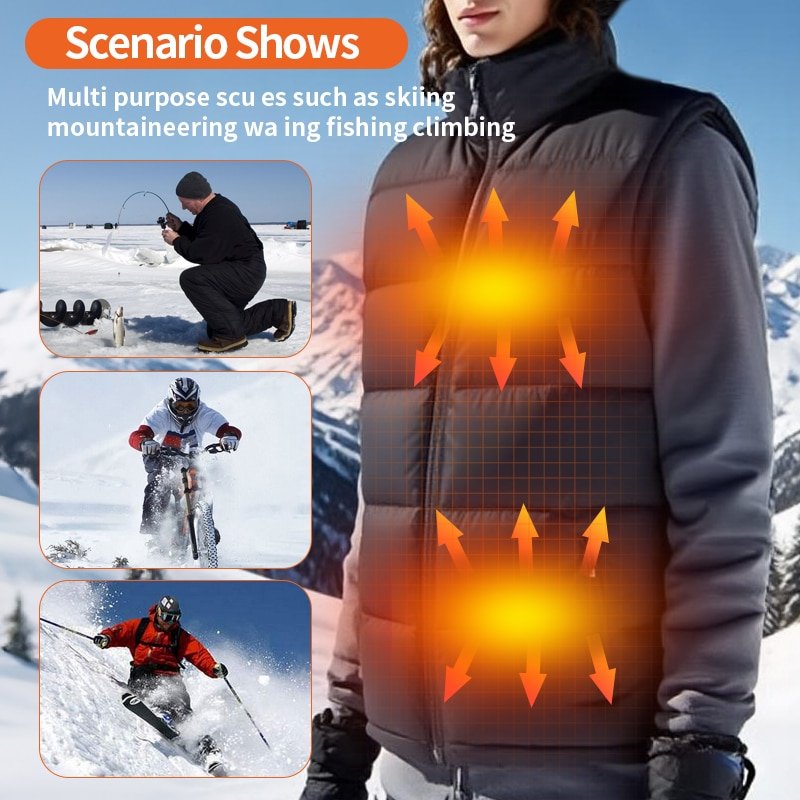
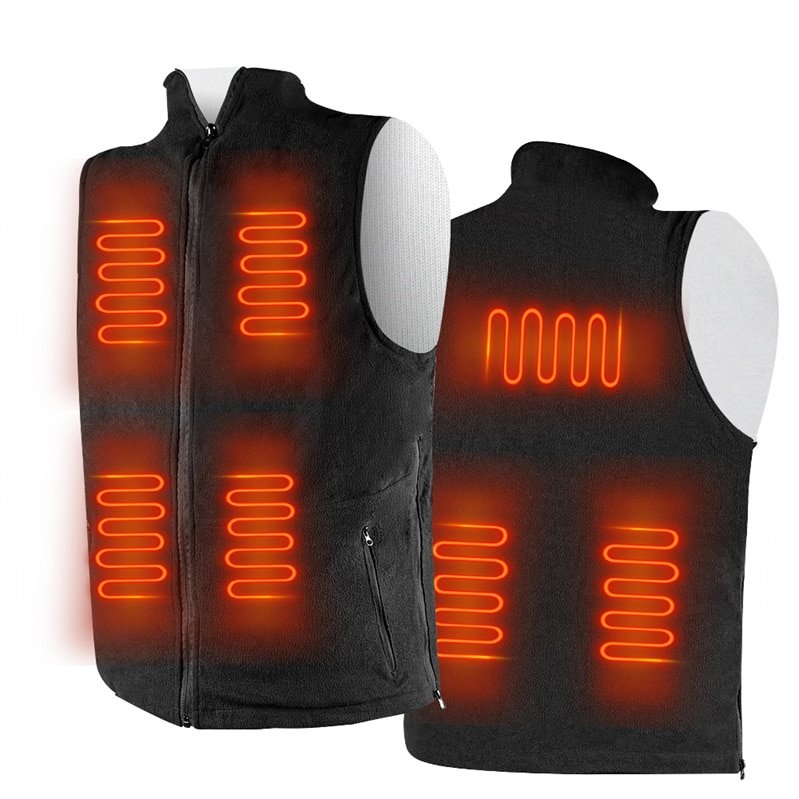
Heated Vests
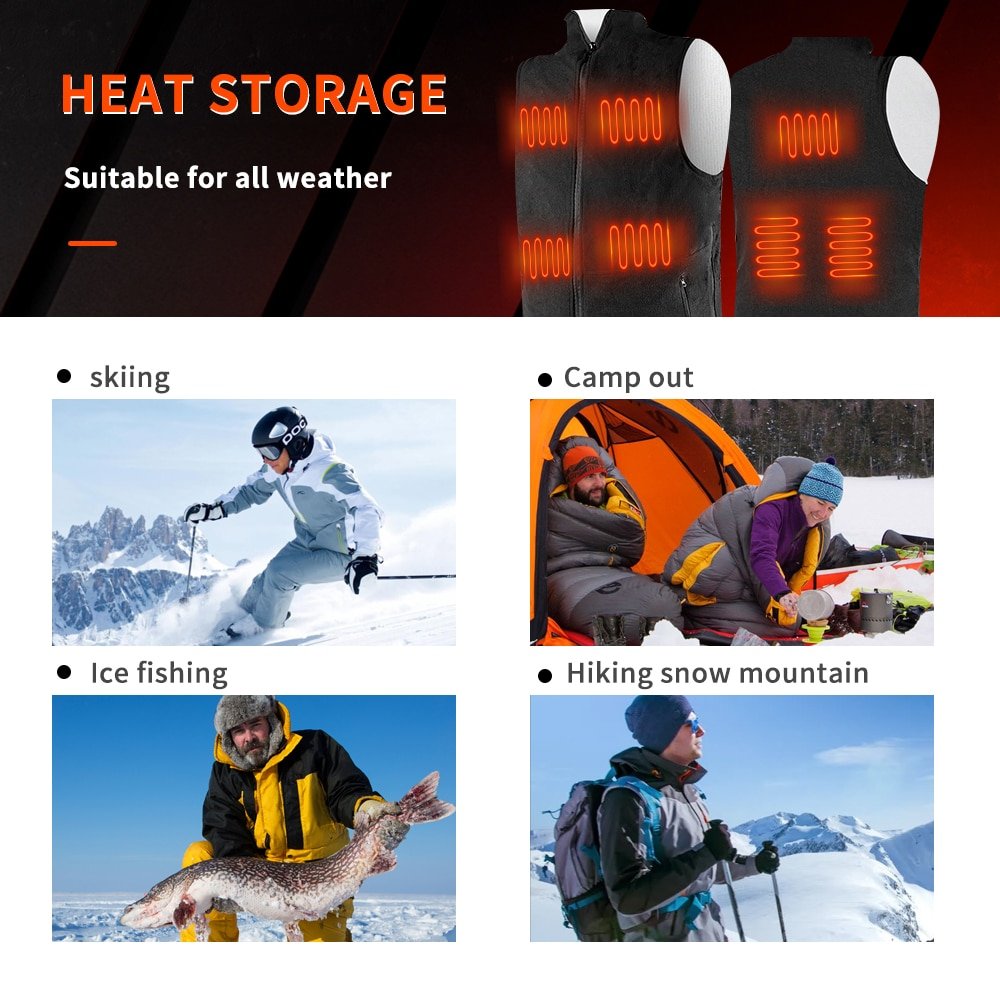
Vests are lightweight and can be worn on a core under hunting camo or work shells as they are versatile and do not add bulk. They also have softshell because they require movement with only a lot of noise and a series of pockets where batteries are kept. Their outdoor mobility also comes in handy in activities such as deliveries where mobility is required without fatigue.
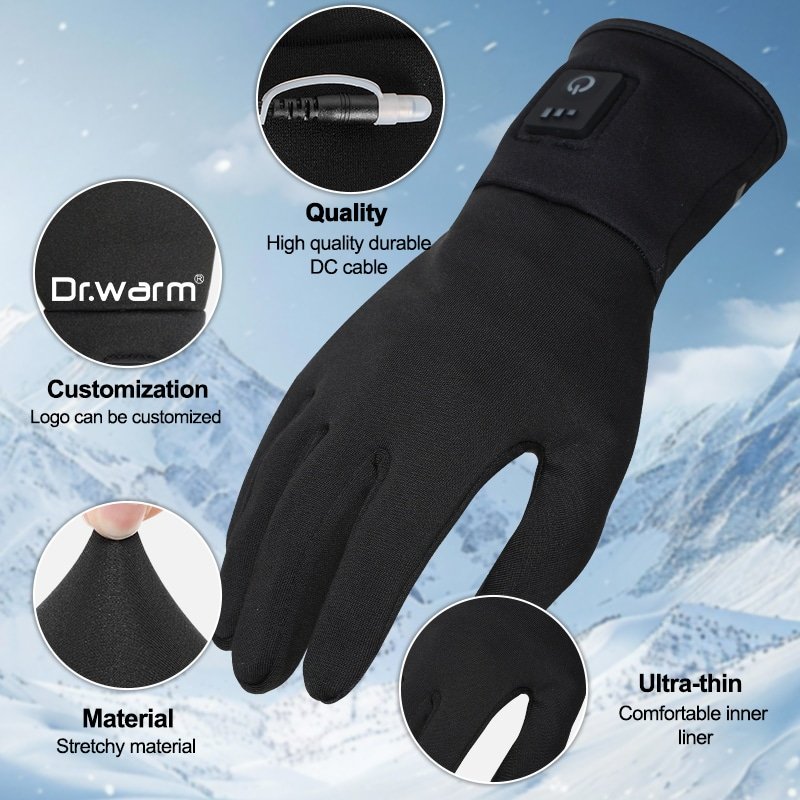
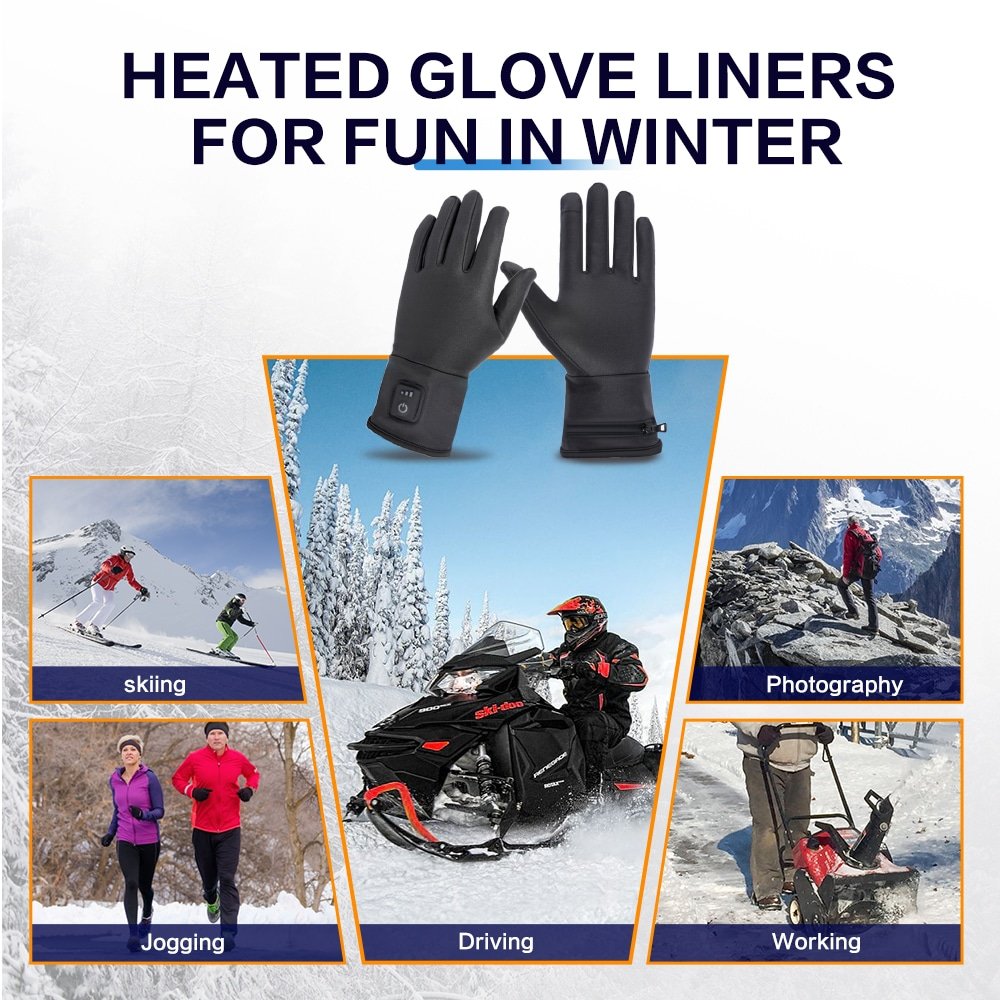
Heated Gloves
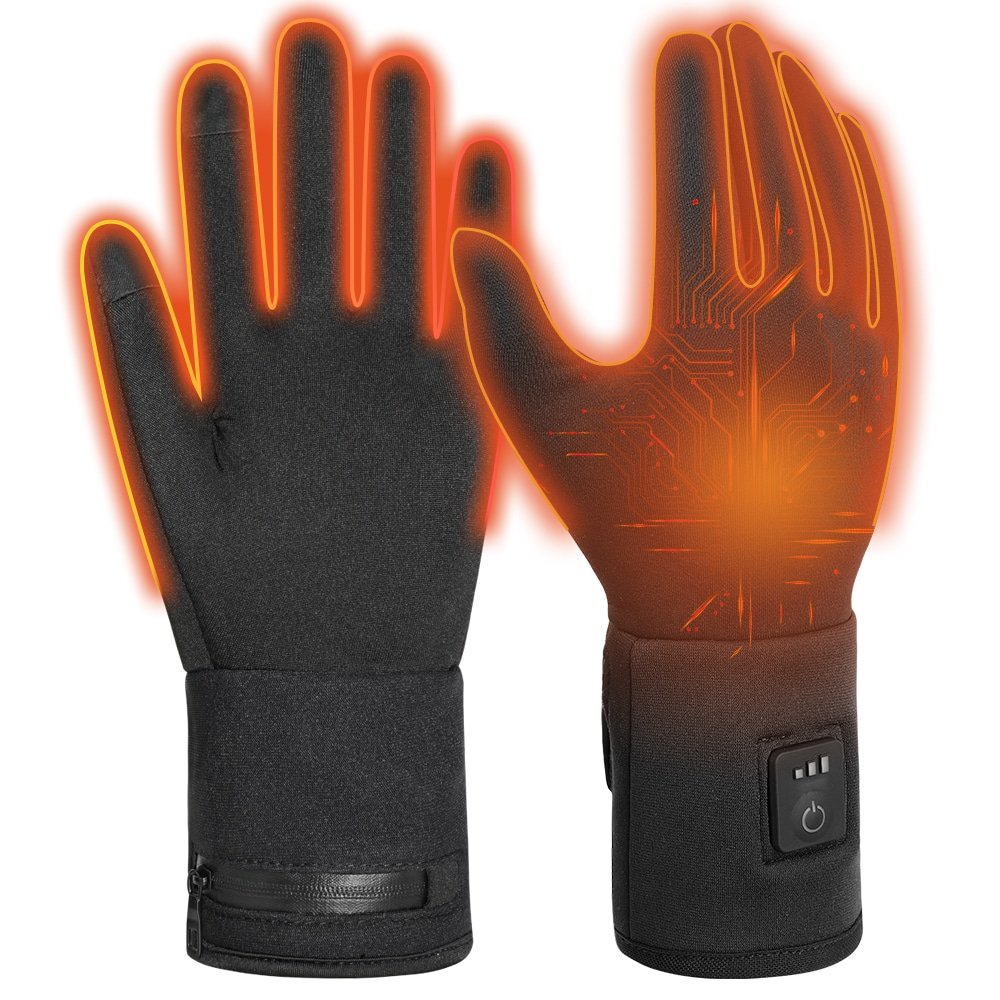
This will be supported by dexterity-pre-bent fingers and tips of touchscreens will ensure that you can hold poles or triggers without difficulty. They have waterproof leather or nylon exteriors and fleece linings that make them comfortable and the batteries placed in the cuffs make them well balanced. Hunting gloves have to operate silently; I’ve worn hunting gloves on trebanks where the slightest buzz would spoil a hunting-blind.
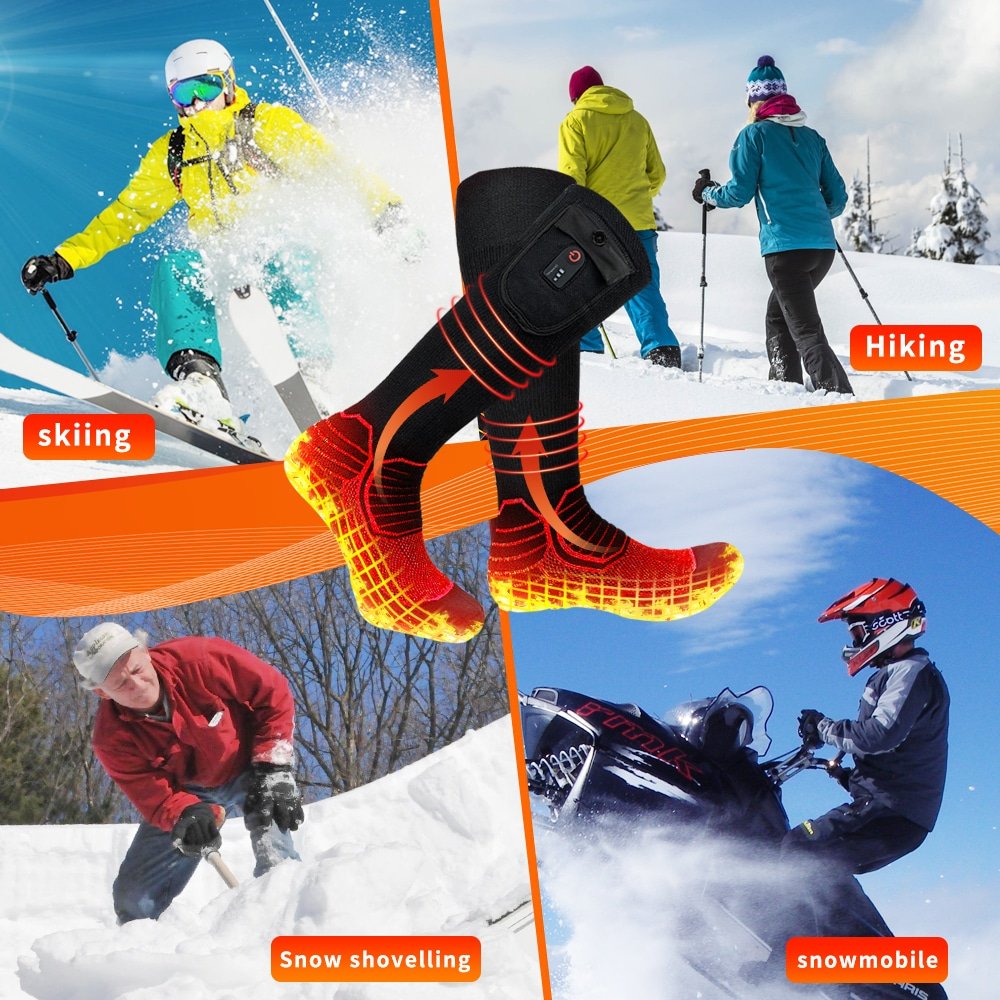
Heated Socks
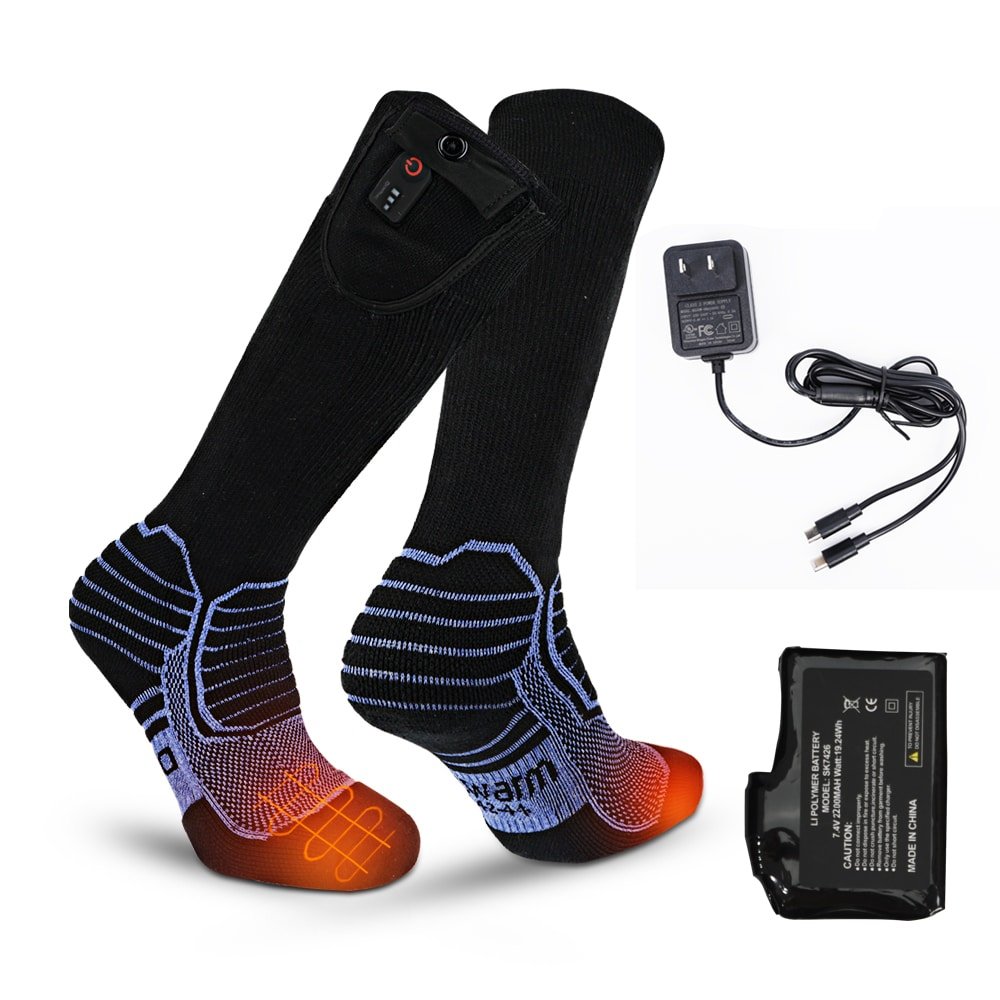
These are concerned with toes and soles, using thin elements of even heat in boots. Paddings minimize blisters and wool blends of different types that are moisture wicked keep the feet dry. Convenience batteries are essential in outdoor work heated sock–I have done 6 hours in freezer shifts without coldness.
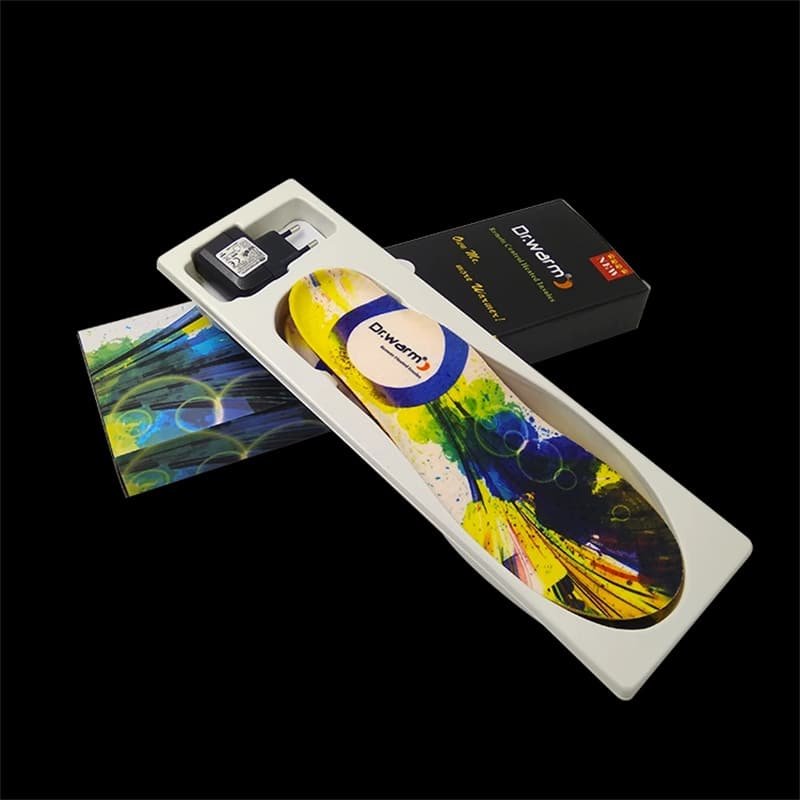
Heated Insoles
Fit them in existing boots to be customizable and keep warm when one is skiing or hunting, a situation that the boot fits count. Mostly the forefoot is heated, and they are trim-to-fit. Compression resistance is crucial; good ones resist the stomp of snow.
Heated Pants & Base Layers
On the lower level of protection, pants will provide heating of the thigh and knee, and the base layer will provide slight warmth under garments. Strong materials are applicable to workers in the field because of the rough terrain reasons, whereas stretchy materials are applicable to the skiers who want to circumvent trees.
Key Features to Look for in High-Quality Heated Apparel
Quality is what distinguishes good equipment as well as a poor one–put your money on these and you will have no regrets when you go out into the cold.
Heating System Types (Carbon Fiber, Heating Film, Wire)
Carbon fiber leads are flexible and evenly distributed, and they do not break during dynamic motion such as skiing turns. Heating film is thin in base layers and less strong in high wear products. Wire systems are cheap yet snagging- prone- stick to carbon as the best heated gear to use in cold weather.
Battery Capacity & Heating Time
In mAh or Wh, larger capacity translates into longer life: a 3000mAh battery may have 4-6 hours of medium life but cold reduces this. I have observed 5000mAh hold time in actual hunts; work out your own requirements.
Temperature Control Levels
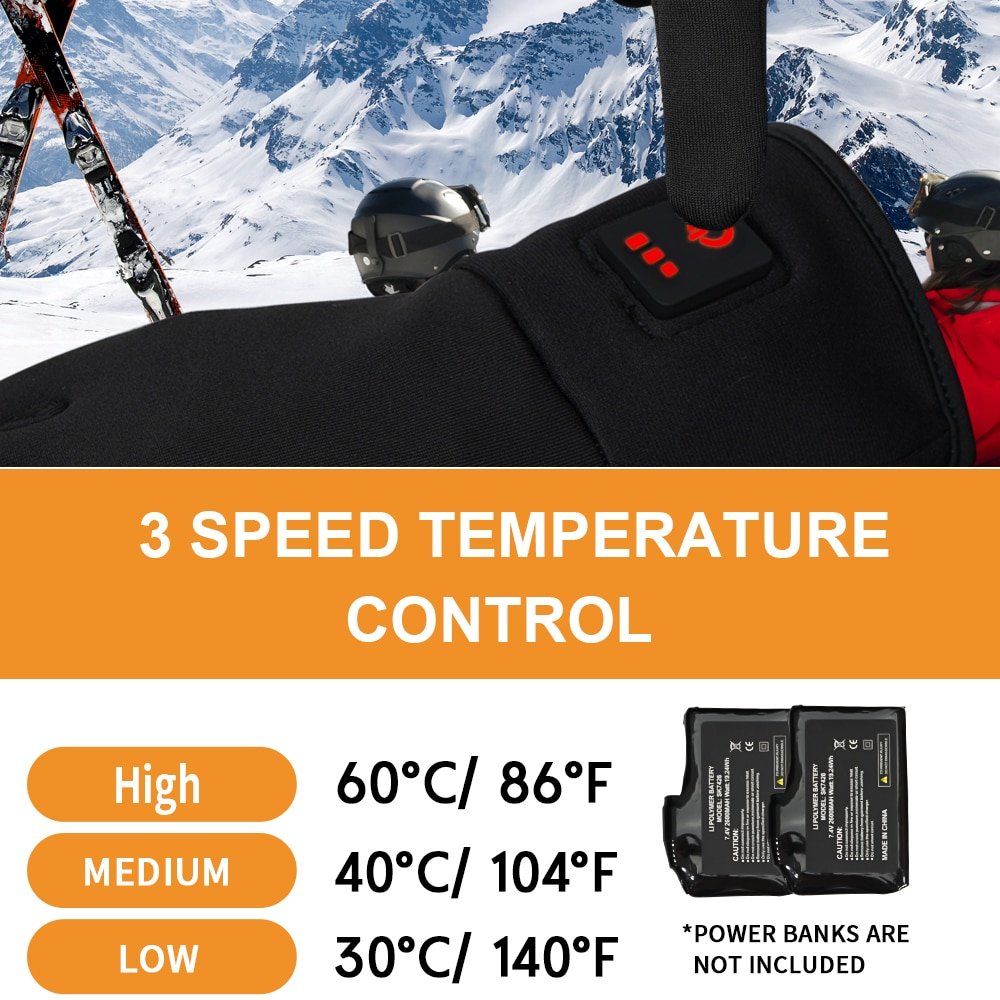
Three environments, at least: mild chill=low, blizzards=high, a remote or, better, an app to adjust to your glove. This will eliminate the sticky discomfort; the use of apps has been able to rescue me on unpredictable working days.
Insulation Materials
Thinsulate is an insulation that is effective and invisible, fleece is a fabric that provides softness to socks, and softshell is a jacket that keeps the wind out. Down can be used with vests, however be sure they are packable.
Waterproof & Windproof Ratings
Electronics IPX4+ sealed seam–a must in skiing heated clothing in heavy snow or hunting in drizzle. I have scrapped off non-rated pieces that have been shorted out by one storm.
Comfort, Fit & Mobility
Bony designs are completely movable; warm-up hunting clothes are made of quiet material. Excessively large sizing avoids hot spots–test on with winter wear clothes.
Safety Features
overheating warnings off at 150degF, wiring shielded. Certifications as CE and UN38.3 confirm the stability of the battery- needed when using it remotely where failures are detrimental.
Best Heated Apparel for Skiing
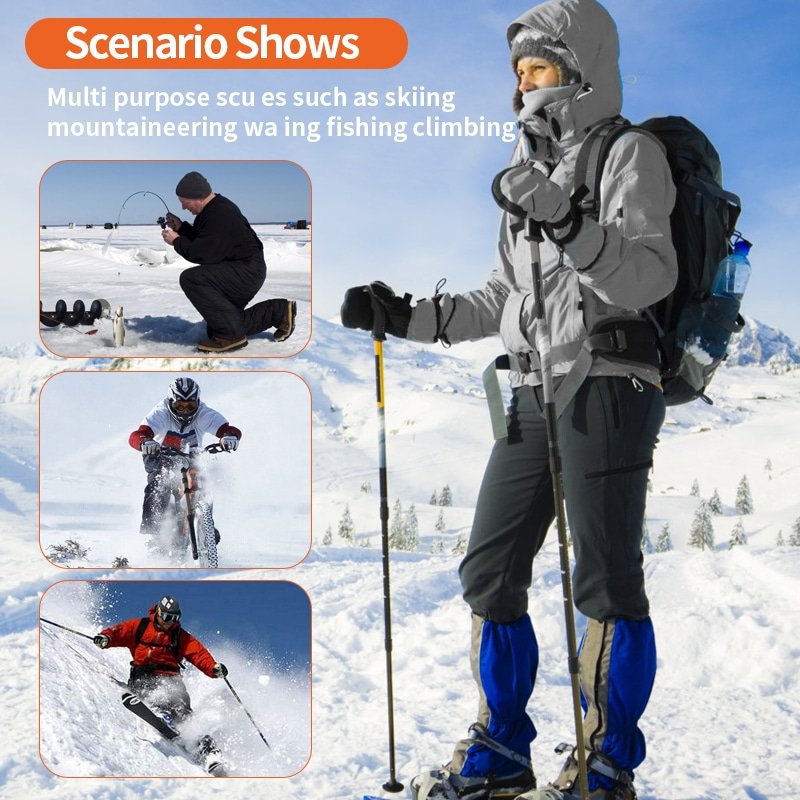
Skiing requires equipment that can cope with speed, sweat and snow. There are long-run batteries (5000mAh+) that will keep you warm during lifts and waterproof zippers or breathable layers that will help to deal with moisture. A skiing jacket with a lot of heat output glines in the alpine cold, combine with heated gloves to get the grip on the pole, and composite alpine socks to make the boots comfortable. I have tried combos on black diamonds-carbon elements will not confine carves and make chilly days costly to enjoy.
Best Heated Apparel for Hunting
Everything is stealth here, quiet fabrics and noiseless batteries do not raise any alerts. Patterns and vests are seamlessly integrated with the use of camo patterns, and low temperatures are used during early mornings. Hunt gloves that are heated provide the warmth of fingertips, but no bulky gloves can be used since they have to be used in triggers; and socks solve stand-still cold. I have enjoyed silent working on deer blinds in sub-zero woods, and additional insulation such as fleece makes it possible to sit all day without freezing.
Best Heated Apparel for Outdoor Work
Workers Cold Storage or construction Durability rule: Workers on reinforced material of construction should resist tools and tugs. Shifts supported with long run time (8000mAh + ), and mobility to bend and lift. Outdoor workers have the jacket being heated; wear pants in case of full cover in the warehouse. These have been observed to increase productivity in workplaces and everyone does not have to huddle near heaters.
Common Mistakes When Choosing Heated Apparel
Ignoring battery capacity makes you chilled in the middle of the action- never go out longer than your battery capacity. Any failure to use certified product will result in shorts or failure; less expensive imports may not feature UN38.3 testing. Incorrect insulation burns in cool weather, and neglecting to consider changes in temperatures results in functionality gear falling over in the wind. Test fits also–poor size pieces germinate and run cold.
How to Maintain Heated Clothing for Longer Life
Load batteries in room temperature and store at half capacity in order to prevent degradation. Rinse sweetly with removal of packs- dry in air to avoid seals lost. Check Frays Check frays yearly and store out of the wet. Right customs prolong life; I have maintained sets many years running so.
Final Recommendation
Make heated clothes match your environment: Skiers, pick heavier and more grown-up waterproof jackets and gloves; hunters, quiet vests and socks, workers, long-lasting pants and powered batteries. The focus should be on carbon heating, certifications and fit-spend up to $100-300 per single piece of quality. Find the right match to such conditions as wind or wetness and you will manage to fight the cold with equipment that works well.