

$40 heated jacket and a $140 heated jacket can look almost identical in a product photo. Inside, they are different products. Heated clothing is not a normal garment with a wire added — it is a garment, an electronic device and a lithium battery product in one, and each of those layers carries a real cost.
This article breaks down where the money goes, why prices vary so much between factories, and why the cheapest quote is often the most expensive one you will ever take. We manufacture heated apparel in Dongguan, China, and this is the cost structure behind every quote we send.
The Cost Drivers at a Glance
| Cost driver | What it covers | What happens if a factory skips it |
| Battery & power | Cells, protection circuit, charger, UN 38.3 | Fire and shipping risk; products pulled from platforms |
| Heating system | Elements, wiring, connectors, insulation | Cold spots, uneven heat, early failure |
| Fabric & insulation | Shell, lining, insulation, waterproofing | Short lifespan, poor cold performance |
| Electronics & controls | Controller, buttons, temperature regulation | No real heat control, fast battery drain |
| Certification & testing | CE/RoHS, FCC, UL 2089, battery testing | Customs holds, retailer rejections |
| QC & labor | Inspection, function testing, skilled assembly | Inconsistent quality, high defect rate |
1. Battery and Power — the Single Most Expensive Component
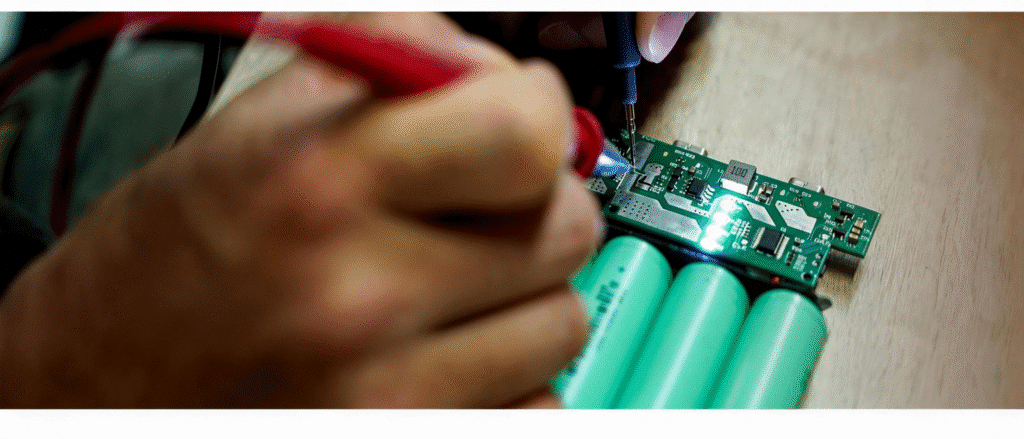
In most heated garments, the battery system is the largest single cost. You are buying several things at once:
- Cells. Lithium cells are graded by quality, and the difference between a reliable cell and a cheap one is not cosmetic — it is safety and lifespan.
- Protection circuit. A responsible pack has over-charge, over-discharge and short-circuit protection. This small board costs money and saves products — and users.
- Charger and connector. The charging system has to match the battery safely.
- UN 38.3 testing. Lithium batteries must pass UN 38.3 to ship by air. This test is not optional for export, and it costs real money to run.
When a product is suspiciously cheap, the battery is usually the first thing that has been downgraded — and it is the component you do not want downgraded.
2. Heating Elements and Wiring
The heating system is what makes the product a heated product, and its quality decides how it feels to wear:
- Element type and layout. The heating elements must be distributed so the warmth is even — no hot spots, no dead zones. Where the elements run across seams and flex points, the design has to protect them from breaking.
- Wiring and connectors. Every connection between the element, the controller and the battery is a potential failure point. Quality connectors and strain relief cost more and fail less.
- Assembly labor. Installing heating elements into a garment is skilled work. It cannot be rushed the way a plain seam can.
A cheap heating system often means fewer elements, thinner wiring and connections that fail after a few washes — the most common cause of “it stopped heating” complaints.
3. Fabric, Insulation and Waterproofing
The fabric layer is the part that feels like a “normal” garment cost, but heated apparel places higher demands on it:
- Insulation has to trap the heat the elements produce; thin insulation means the battery works harder and drains faster.
- Shell fabric needs durability for outdoor use.
- Waterproof or water-resistant membranes keep moisture away from the heating system. Water and electronics do not mix, and a wet heating garment performs badly and fails early.
- Lining and comfort materials affect whether people actually wear the product.
Grading down here is how a factory cuts visible cost — and how a product feels cheap after three wears.
4. Electronics, Controls and Temperature Regulation
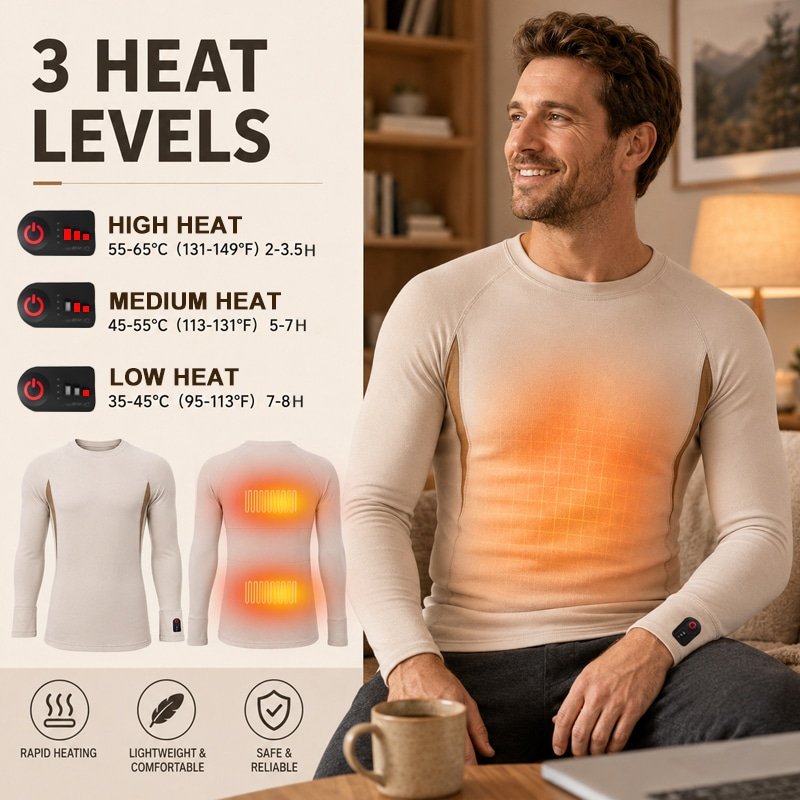
A heated garment needs a controller that lets the user adjust heat safely:
- Multiple heat levels with stable output.
- Protection features — the system should manage temperature so it does not run away or drain the battery dangerously.
- Reliable buttons and wiring that survive daily use and washing.
The difference between “three vague heat settings” and a properly regulated heating system is engineering and component cost. It is also the difference between a product that feels controlled and one that runs too hot or dies mid-use.
5. Certification, Testing and Compliance
This is the cost buyers see least and need most. For export to the US and EU, a heated garment typically needs:
- CE and RoHS for the EU market
- FCC and UL 2089 for the US market
- UN 38.3 for the lithium battery
- Supporting material and safety testing
Certification involves testing fees, documentation, and maintaining compliance over time — and it must be renewed and kept current. A factory that “does not need certification for that price” is really telling you they have skipped a cost that exists whether or not you pay it. The customs hold, the platform delisting or the liability issue will find you later.
6. QC, Labor and Manufacturing Overhead
Heated apparel QC is not one inspection at the end. A serious factory runs:
- Incoming inspection of fabric, elements and batteries
- In-line checks during sewing and element installation
- Function testing of the heating system and battery on finished units
- Final inspection before packing
Each QC step adds labor cost — and prevents the defects that destroy brand trust. Skilled assembly for electronics integrated into soft goods is genuinely harder to find than regular garment labor, and it is priced accordingly.
Why a Very Cheap “Heated” Product Is a Red Flag
When you see heated gloves or a heated jacket priced far below the market, ask what was removed to get there. In our experience the pattern is consistent:
- A downgraded or unprotected battery (the safety risk)
- Fewer, cheaper heating elements (the performance risk)
- Missing or borrowed certification (the compliance risk)
- Little or no function testing (the quality risk)
These are not cosmetic savings. They are the difference between a product that warms hands safely for three winters and one that stops heating in a month, fails customs, or — in the worst case — has a battery problem. For anyone buying heated apparel to resell under their own brand, a cheap quote can cost more in returns and reputation than the savings ever were.
Why Two Similar-Looking Products Cost Different Amounts
Two jackets with the same silhouette can differ in price for reasons you cannot see in a photo:
- Battery cell grade and protection circuit
- Number, quality and layout of heating elements
- Whether certification exists in the factory’s own name and covers the actual model
- Whether every unit is function-tested or only “sampled”
- Warranty and after-sales support behind the product
Price differences between reputable factories usually reflect these factors, not markup greed. When comparing quotes, compare the specification behind each line item — not just the total.
Manufacturer Insight: What We Put Behind a Price
When we quote a heated garment, we are quoting a battery system with UN 38.3, elements and wiring that we bend-test during production, insulation matched to the heating load, certification files that cover the actual model, and function testing of every unit before it ships. None of those line items is the cheapest way to build the product — and none of them is the line item we would cut if a buyer pushes on price. We would rather lose the order than ship a product that fails the user. That is the honest answer to “why does it cost that much?”: because the safe version of this product costs what it costs.
How to Buy on Value, Not Just Price
- Ask what is inside the price — battery cell type, protection circuit, element layout, testing steps.
- Ask for the certification files covering the exact model, not a general “we have CE.”
- Ask how units are tested — every unit or a sample?
- Ask about warranty and spare parts — what happens when a unit fails?
- Be suspicious of quotes far below the market — find out what was removed.
FAQ
Why are heated jackets so expensive? Because they combine a garment, an electronic device and a certified lithium battery. The battery system, heating elements, certification and function testing each carry real costs that a plain jacket never has.
What is the most expensive part of heated clothing? In most designs, the battery and power system is the largest single component cost, followed by the heating system and then fabric/insulation.
Why is one heated vest cheaper than another? Usually because of the battery grade and protection circuit, the number and quality of heating elements, whether certification covers the actual model, and whether units are function-tested. Cheaper usually means one of these was downgraded.
Do I need certified batteries in heated clothing? Yes for export. Lithium batteries need UN 38.3 to ship by air, and the US and EU markets require the relevant product certifications. Skipping them risks customs holds, platform delistings and liability.
How can I tell if a heated clothing supplier is cutting corners? Ask for certification files in the factory’s own name, details of the battery cells and protection circuit, and their function-testing process. Vague answers and prices far below the market are the warning signs.
Get a Transparent Breakdown for Your Product
If you are sourcing heated apparel and want to know exactly what your money buys, contact our team — we will explain our cost structure for your specific product, share our certification files, and show you the testing each unit goes through before it ships.