

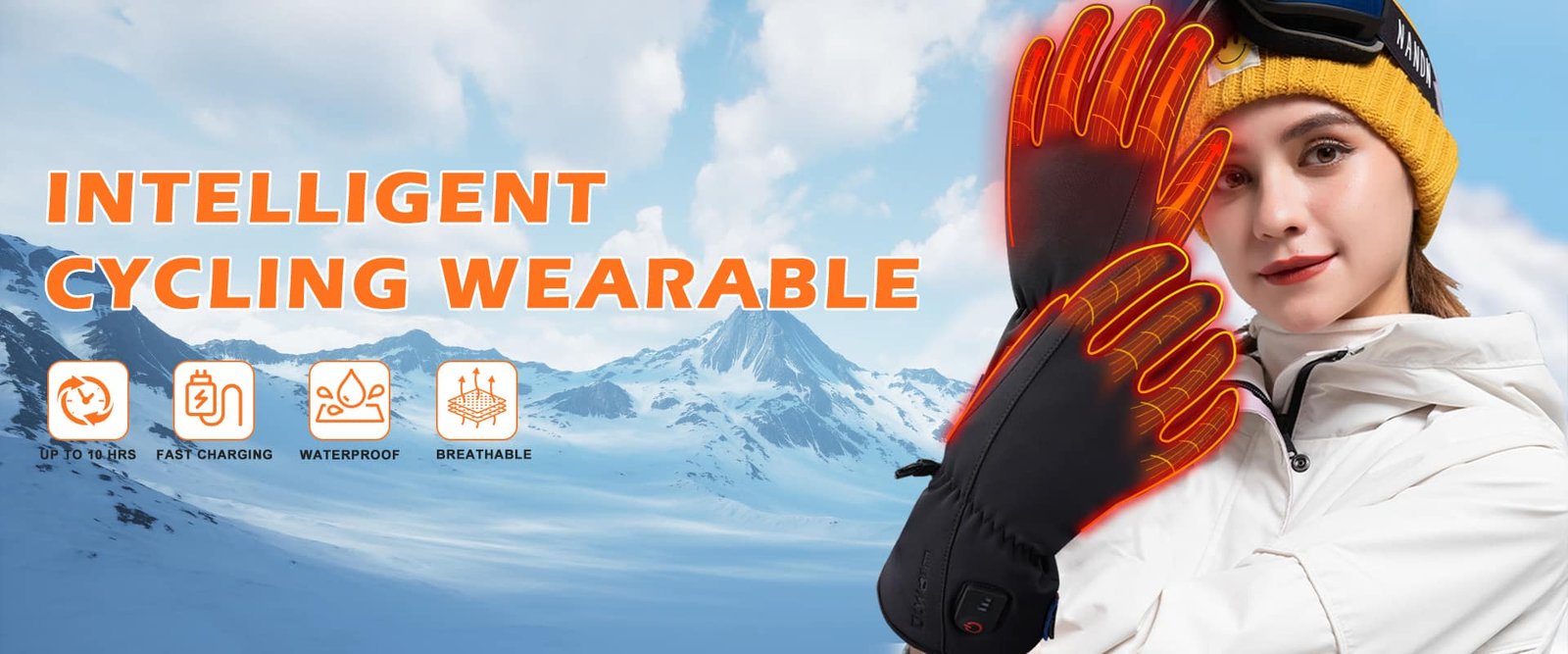
Introduction — Heated Apparel Has Shifted From Niche to Mainstream
Heated apparel, which was originally perceived as a luxury of extreme sportspeople or employees in cold climates, now became a turned-mainstream product that is changing product strategy in winter. As the size of batteries and flexible heating components have improved, the brands no longer consider it a gimmick but rather a high-value feature capable of satisfying the actual consumer need to stay warm. This change has occurred directly in front of my eyes as a product strategic advisor who has assisted outdoor labels to add additional lines and as an engineering consultant within the heated apparel sector due to longer winters, urban outdoor trends and tech conscious consumers. Nowadays, with warming coats on brands to entire lines, it is all about market share in an arena that is focused on innovation as a driver of loyalty and sales.
Why More Brands Are Adding Heated Apparel (Core Reasons)
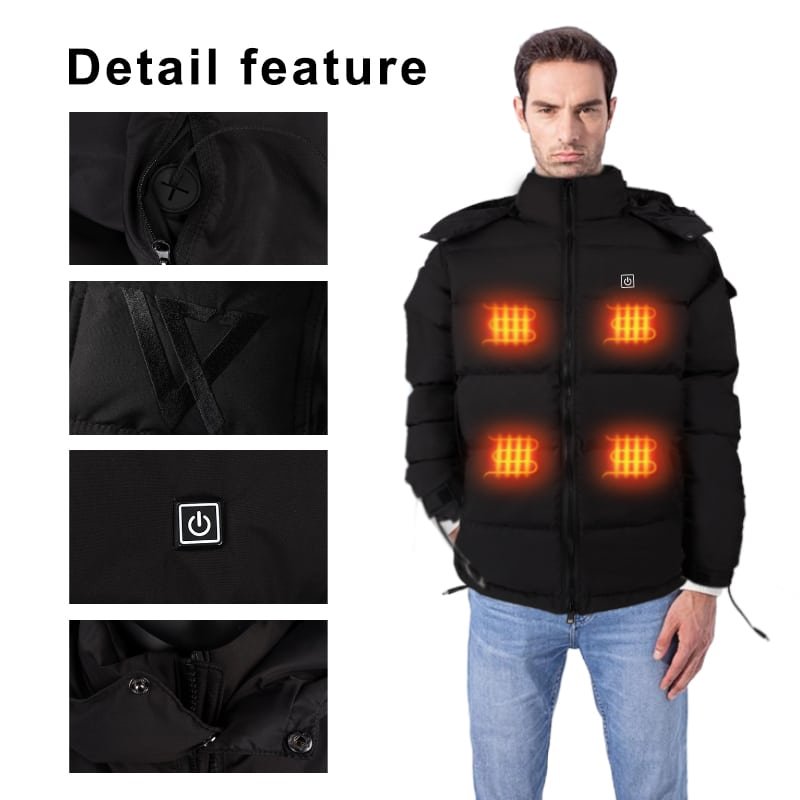
Most of the demand, technology viability and financial incentives behind the boom in the number of brands adding a heated aspect has reduced to a textbook storm of demand, technological enabled and financial feasibility-reasons I have examined in market reports, and recommended during line extensions.
Growing Consumer Demand for Warmth Solutions
Cold winters + outdoor lifestyle boosting interest because people are more likely to use their time outside hiking, commuting or working, which drives interest in functional clothing.
Technology Improvements Make Heated Apparel Safer & Slimmer
Improved batteries, controllers, graphene heating permit smooth designs that integrate into daily wear eliminating bulk obstacles.
Highly Profitable Category With Strong Margins
Premium positioning = increased selling price, usually 2-3 times more than traditional apparel and the profit margins of heated apparel reach 40-60%.
Heated Apparel Creates a Competitive Edge in Winter Collections
Differentiation vs traditional jackets– brands have technology features such as app control, who appeal to technologically advanced purchasers.
Market and Consumer Trends Driving Growth
The industry of the heated clothes development is not accidental and is associated with general tendencies, which I have monitored in the sales rates and opinion polls and which demonstrate a stable growth annually.
Rise of Outdoor Activities & Winter Sports
Skiing, hiking, snowboarding – warmth in demand; winter sports demand of warm clothing apparel has been up 30 percent after the pandemic since more people are now willing to do cold-weather activities.
Expansion of Cold-Climate Workwear Market
Building, logistics, and utility require quality equipment; the enthusiasm of consumers in heated equipment is also transferred to professional sportsmen who want to work all day.
Increased Interest in Smart Wearable Technology
Tech-integrated clothing going mainstream; customers demand being connected, such as the smart technology of using the Bluetooth in heated clothing.
Social Media & Influencer Adoption
The trend of heated products is high during winter; a viral review of heated gloves and heated sock tendencies increases the exposure and sales.
Technology Advances That Enable Modern Heated Apparel
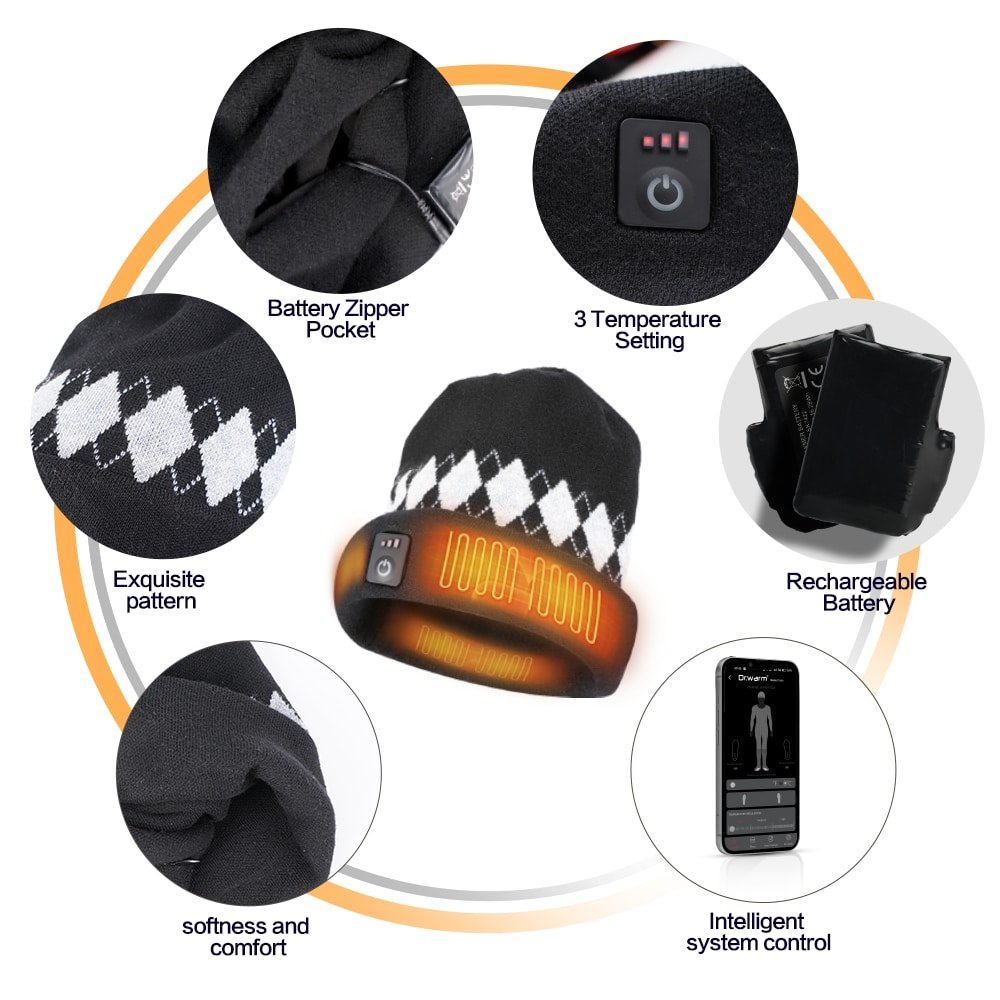
In the background is engineering innovation that has scaled the production process- innovations that I have included in my designs to ensure efficiency and safety.
Graphene & Carbon Fiber Heating Elements
Heating is lighter, faster, more efficient; graphene is homogeneously warming, and carbon fiber is more resistant, making it durable to use actively.
Better Battery Technology
7.4V and 12V lithium batteries, extended runtime; offer 6-10 hours of medium-run times, and fast-charge options.
Temperature Control Systems
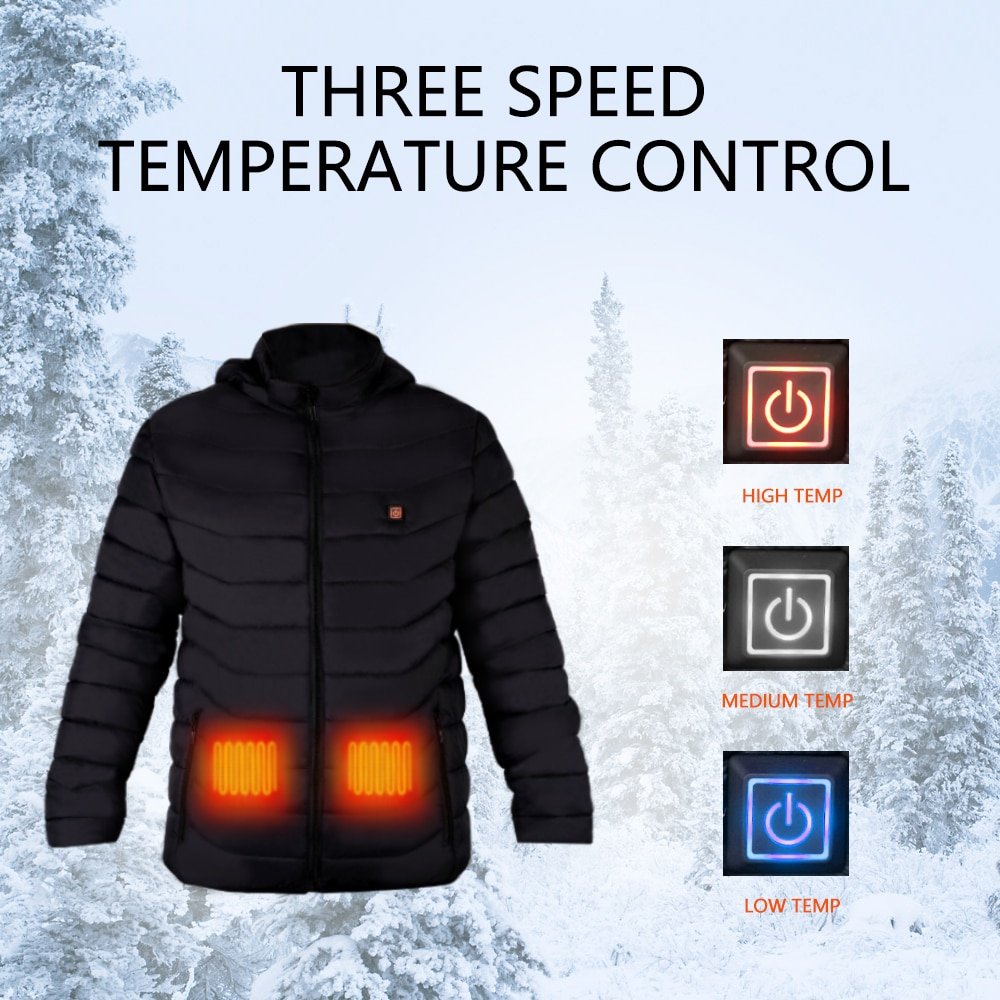
The adjustments available in APP, remote and multi level switches can be made using refined adjustments and they are easily integrated with the modern lifestyle.
Safer Electronics
Better wiring + overheat protection reduce risks, which guarantees compliance and trust in the user.
Why Heated Apparel Is Attractive for Brands — Business Benefits
Strategically, this type has its practical payoff, ROI of benefits, which I have been able to measure in the case of brand consultations where the lines could be heated, resulting in 20-30% higher margins.
Higher Price Points = Increased Profit Margin
Technical clothing is priced higher than regular clothing, with industries such as heated jackets selling at 150-300 as compared to 50-100 of non-heated.
Cross-Sell Opportunities
Multi-sleepout bundles: jackets, gloves, and socks to sell the product, promote upsells and develop ecosystem loyalty.
Strong Repeat Purchases
Recurring revenue comes through batteries, accessories, new versions as the user upgrade to improved technology.
Expands Winter Line Without Replacing Existing Products
Loyalty without cannibalism: The new vertical is not a substitute, it offers innovation.
Ideal for Private Label & OEM/ODM
OEM heated apparel to brands means easy entry because of the factories that are already specializing; no barriers to entry because of ready prototypes.
Types of Brands Adding Heated Apparel
Various players are entering and modifying the technology to their niches-trends which I have seen in the industry change.
Outdoor & Adventure Brands
North Face-style product lines include heating of hikes and camps, and cash in on the trend of exploration.
Workwear Brands
Target the use of hot clothes to the utility workers with durability at the workplace.
Fashion & Lifestyle Brands
Everyday commuter jackets that are casually heated up, with a blend of fashion and functionality to city markets.
Sports Brands
Warm up clothing and alpine skiing and other related items, and aimed at the performance athletes.
E-Commerce & Amazon Sellers
OEM entry barrier is low, which makes it possible to launch lines of personal label quickly.
Product Categories Growing Fastest
Some of them are in the vanguard–brand positioning in heated clothing can easily begin with this to score easy points.
Heated Jackets & Vests
Maximum volume, flexible to wear and wide-appeal.
Heated Gloves
Critical in the outdoor activities and sports, and good repeat purchases.
Heated Socks & Insoles
Fast-growing in skiing + commuting, in the places of cold spots.
Heated Base Layers
Expanding throughout the chilly territories, to have full-body assimilation.
Supply Chain & Manufacturing Have Become More Accessible
Embracing fuels easier production–heated apparel market tendencies demonstrates contracted sourcing.
Mature OEM/ODM Factories in China
Offer complete development, including design to testing.
Lower MOQs Than Before
Makes category available to small brands, and it begins at 300-500 units.
Faster Sampling & Development
2-4 weeks average lead time, faster market penetration.
Better Certifications & Compliance Support
CE / FCC / RoHS / UN38.3 – less entry barriers, and paperwork is done by the factories.
Challenges Brands Must Consider Before Adding Heated Apparel
There is no riskless category–vigilant obstacles I have made in expansions.
Battery Logistics & Certifications
Lithium packs are also shipped under theUN38.3 requirements, which creates complexity.
Seasonal Demand Planning
Peak in Q4, otherwise overstock may occur.
Higher Return Rates Due to Sizing or Usage Errors
Charging or fitting is mismanaged by the consumers, who require education.
Need for Strong QC & Functional Testing
Minimizes any wiring failures, which are reputation critical.
Educating Customers on Usage & Charging
The popularity of heated clothing today has to do with the explicit guidelines of avoidance of abuse.
Recommendations for Brands Entering the Heated Apparel Market
Start smart: Entry with high demand Starting with jackets + gloves. Select 7.4V heating systems balancing. Efficiency is achieved by using graphene or carbon fiber heating elements. Focus on battery safety and certifications to achieve trust. Make investment in clear marketing and instructions in order to minimize returns.
Final Conclusion — Heated Apparel Has Become a Strategic Winter Category for Modern Brands
To conclude, the business opportunity in heated clothing is that the sector has been experiencing an upsurge, and there has been enhanced technology in the sector to suit the increasing consumer demand in the sector in the form of warmth solutions. The competitive advantage of brands lies in the increased levels of profitability and the cross-sell, which is particularly possible with the help of the available OEM/ODM. With the trend of expanding its winter products line, the trend that will be adopted guarantees sustained success of companies within the market that is thirsty of new innovations.