How to Specify Heated Socks for Cold-Weather Programs
A specification checklist for OEM heated socks: voltage, battery configuration, heating zones, materials, controls and the files to request before sampling.

A specification checklist for OEM heated socks: voltage, battery configuration, heating zones, materials, controls and the files to request before sampling.
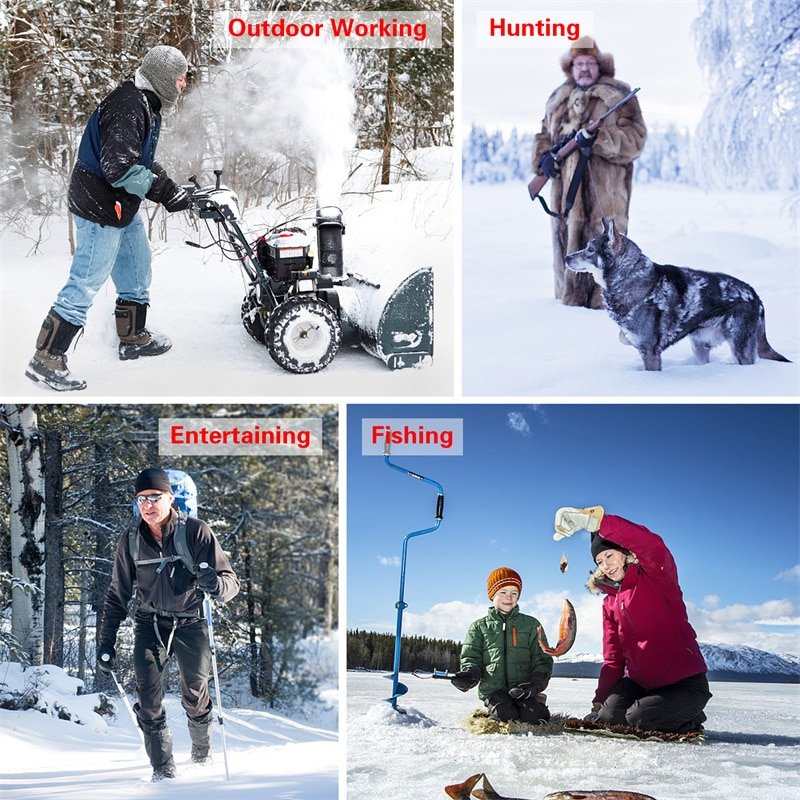
Heated socks for hunting and fishing require long battery life, quiet operation, moisture resistance, and stable heating during extended static exposure. This guide explains how heating system design, textile structure, and battery integration must adapt to outdoor field conditions.
Heated socks for outdoor work in extreme cold must withstand long shifts, moisture exposure, and heavy movement. This guide explains heating system durability, battery performance in sub-zero conditions, textile reinforcement, and safety considerations for industrial applications.
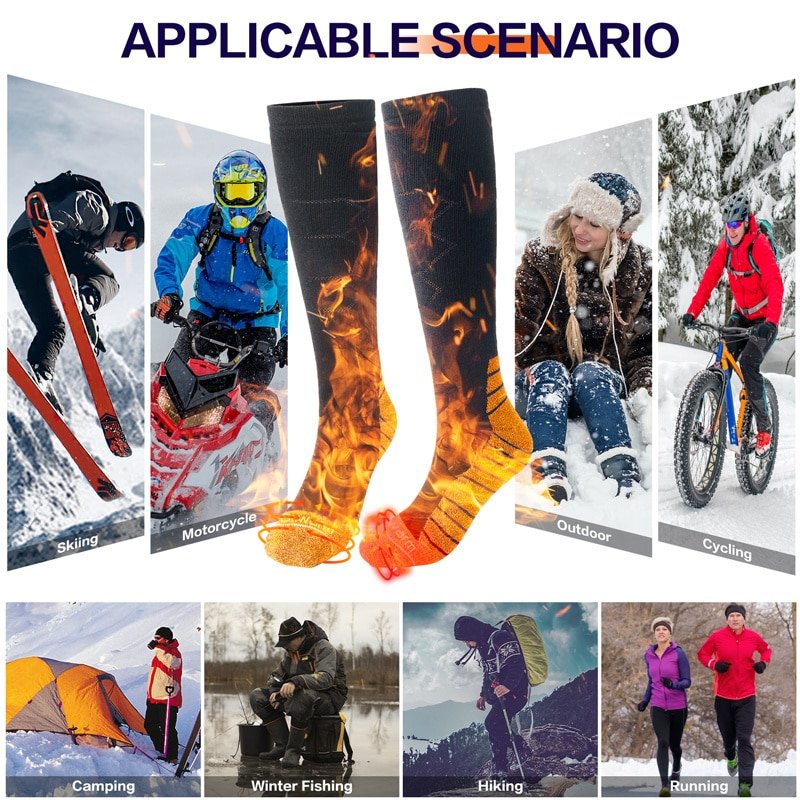
Heated socks for skiing must withstand extreme cold, constant movement, and moisture exposure. This guide explains heating system placement, insulation balance, battery management, and durability requirements that brands should evaluate when developing ski-focused wearable heating products.
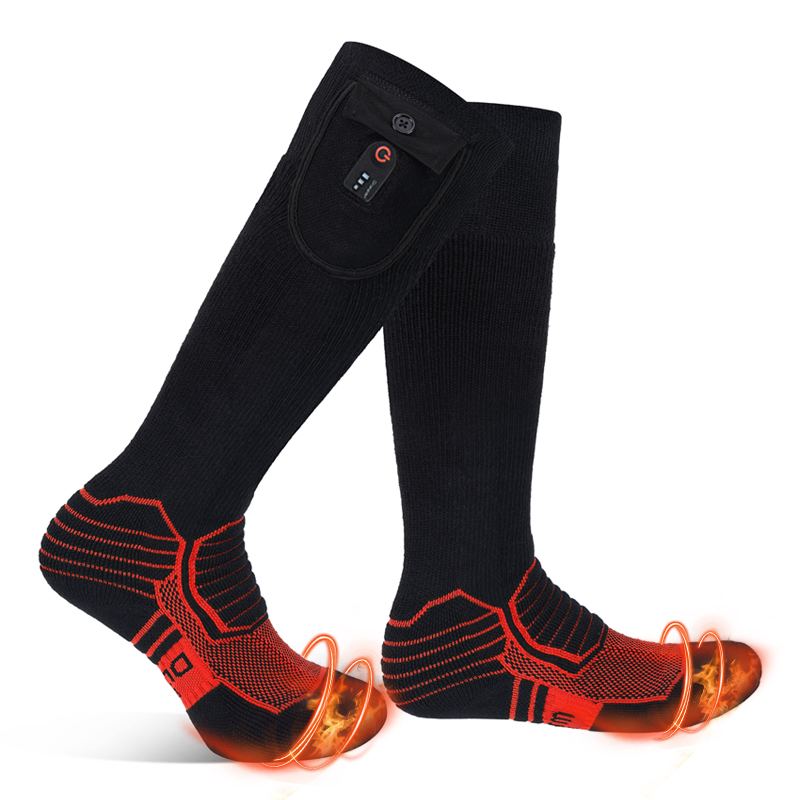
Battery life in heated socks depends on more than battery size. This guide explains how heating levels, lithium battery capacity, power management systems, and manufacturing precision influence runtime and long-term durability in wearable heating products.
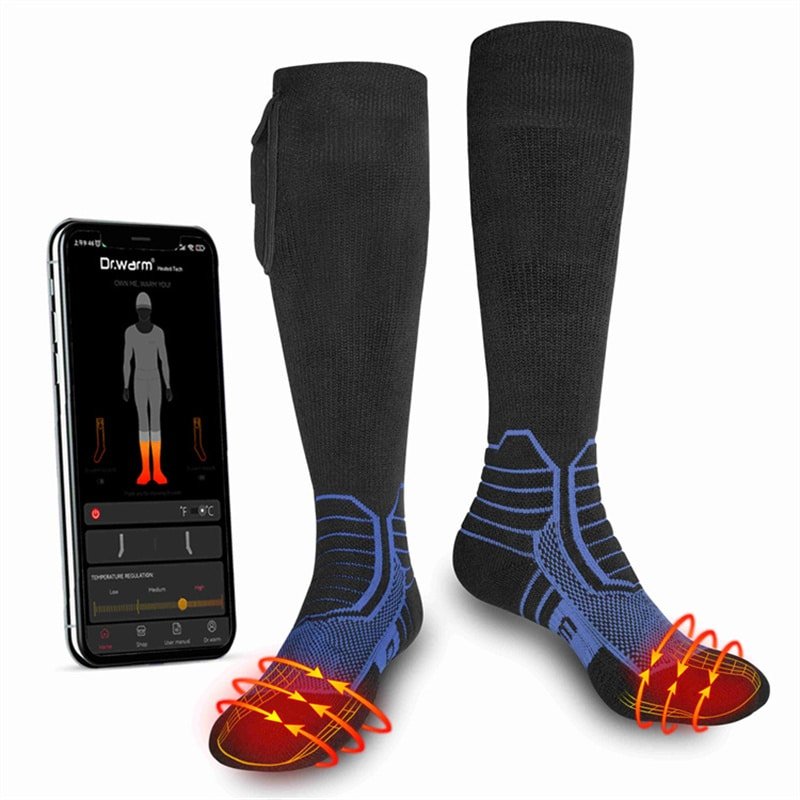
App-controlled heated socks integrate Bluetooth modules, firmware, and mobile applications with heating elements and battery systems. This guide explains the technical architecture behind smart temperature control, battery management challenges, connectivity reliability, and how manufacturing precision affects user experience in wearable heating technology.
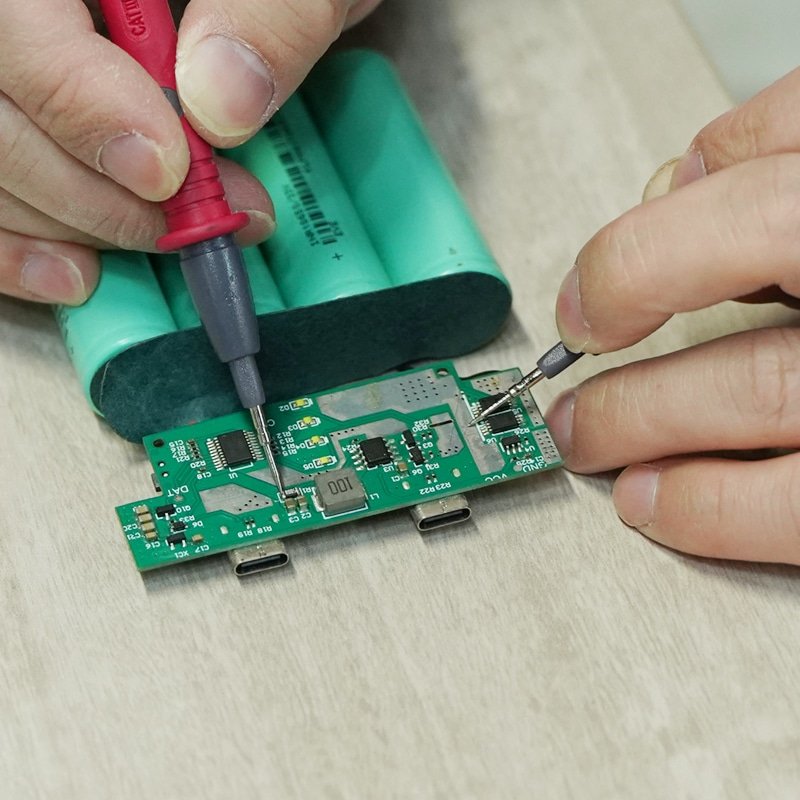
Battery safety is the foundation of reliable heated socks. This guide explains lithium battery protection systems, certification standards such as CE and RoHS, thermal testing procedures, and how manufacturers ensure safe power management in wearable heating products.
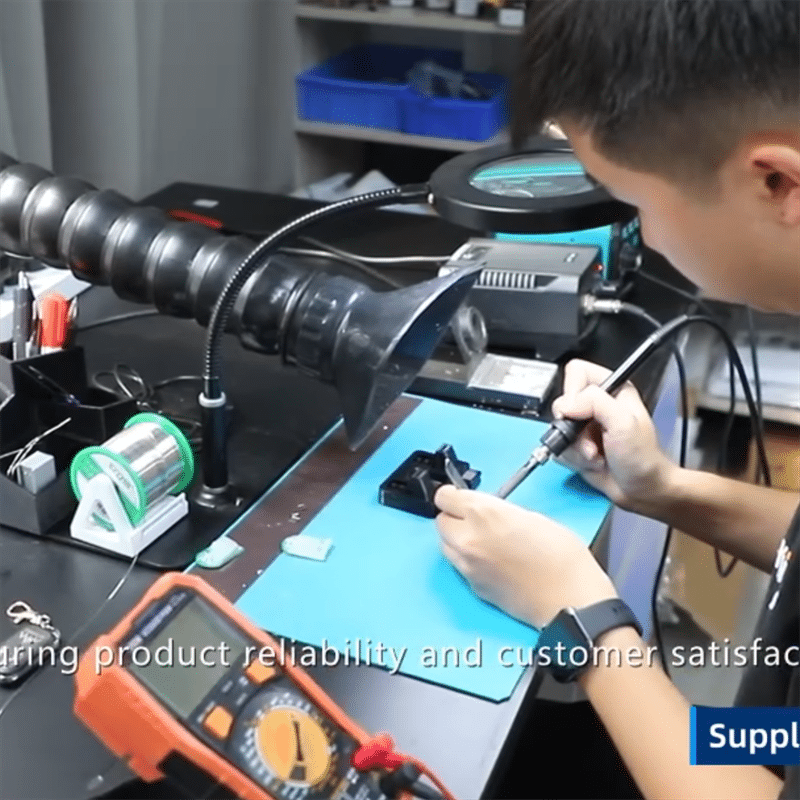
Heating film and carbon fiber are two common heating technologies used in heated socks. This guide explains their structural differences, performance characteristics, durability factors, and manufacturing implications to help brands choose the right heating system for their product positioning and long-term reliability.
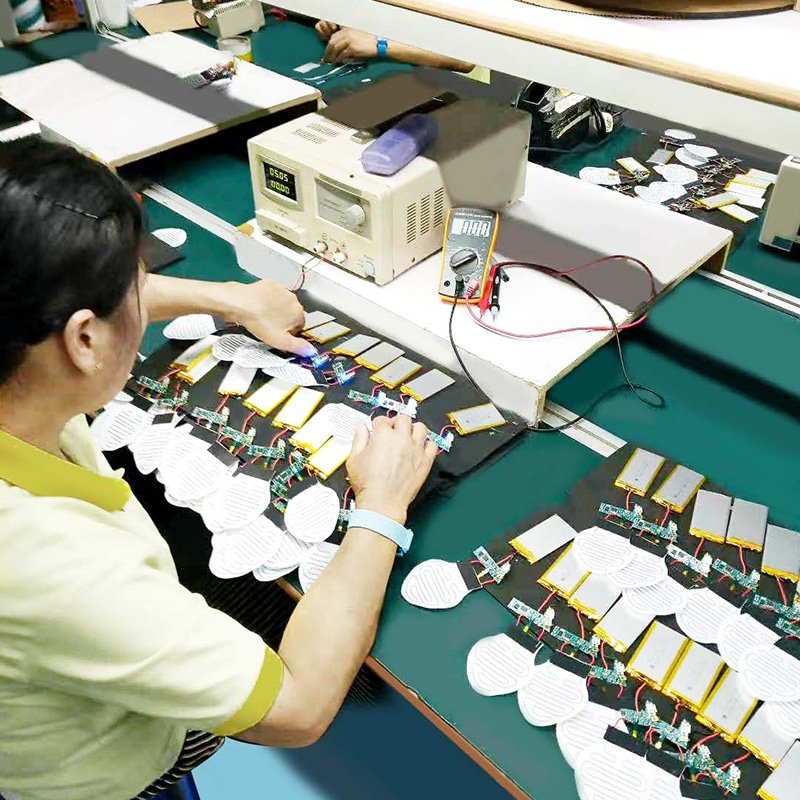
Heated socks combine textile structure, heating elements, battery modules, and temperature control systems to generate consistent warmth. This guide explains how heating technology works, the differences between carbon fiber and heating film, and how manufacturing design affects durability, safety, and performance in wearable heating products.
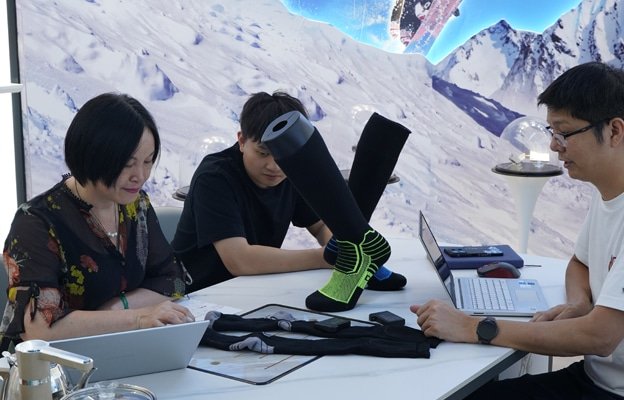
Sourcing heated socks from China requires more than price comparison. This guide explains common mistakes brands make in supplier evaluation, quality control, certification review, and production planning — and how to reduce sourcing risks in wearable heating manufacturing.