Blog

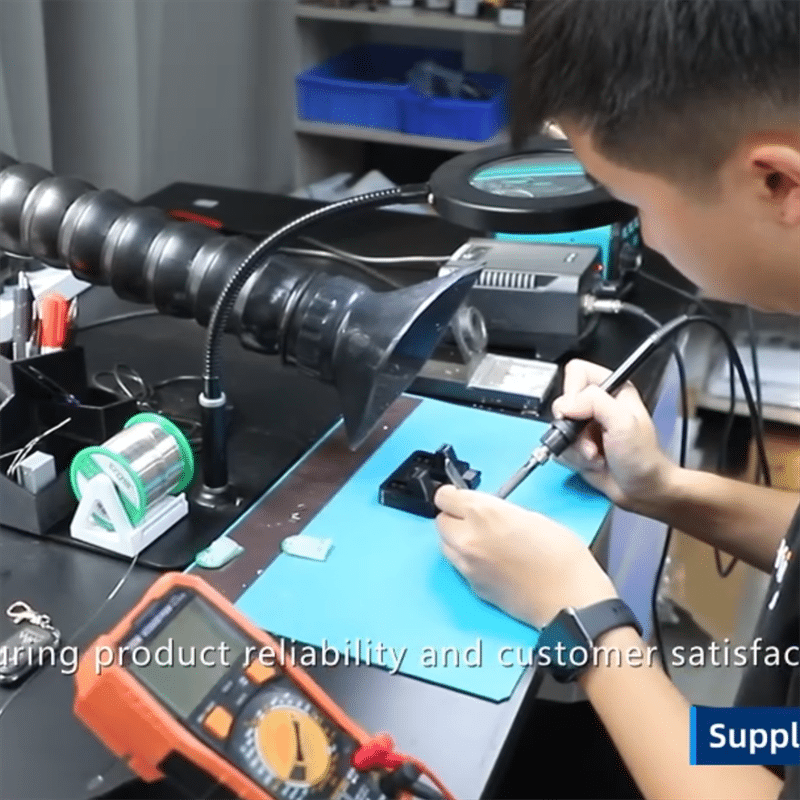
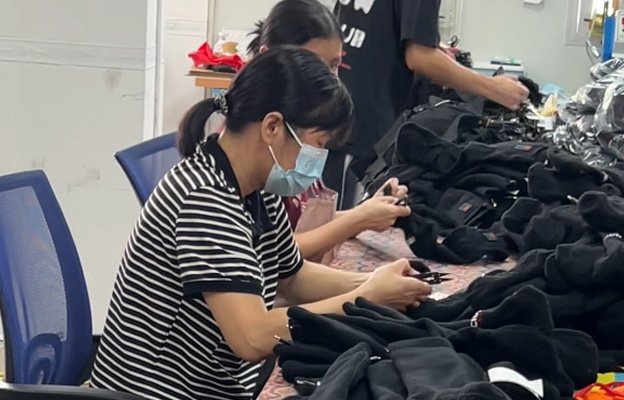
Inside a modern, clean factory workshop dedicated to producing heating elements for custom apparel, showing automated equipment and quality control stations.
Blog

What Is the Best Heating Element for Custom Apparel?

When selecting the best heating element for custom apparel, graphene heating film excels in efficiency and lightness, while carbon fiber offers superior durability. Understanding differences in heating speed, flexibility, and cost helps optimize performance for heated jackets, gloves, and vests. For OEM projects, the right choice balances safety, battery life, and application needs.

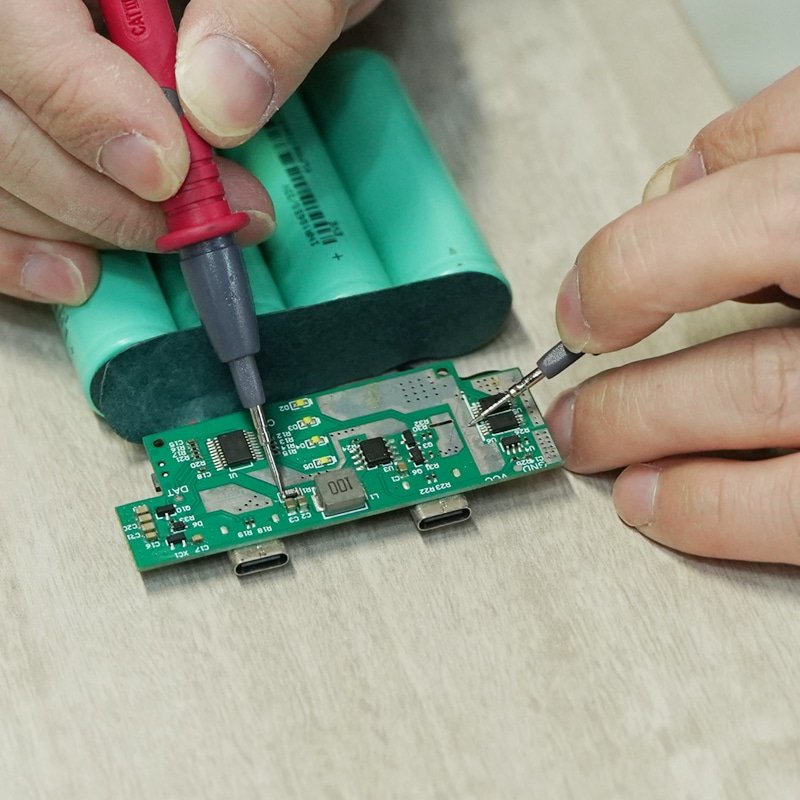
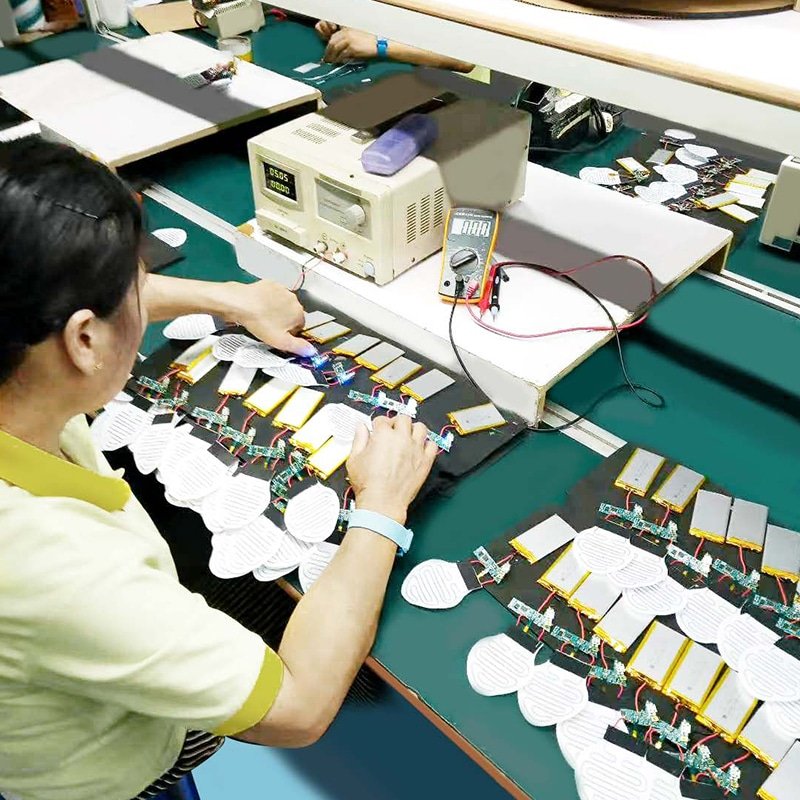
Inside a modern battery manufacturing facility, showing technicians and automated assembly lines producing and testing lithium-ion battery packs for heated clothing applications.
Blog

How to Calculate Battery Capacity for Heated Clothing Projects 

Battery capacity is crucial for heated apparel, directly affecting runtime, warmth consistency, and user satisfaction in cold conditions. This guide explains how to calculate the ideal battery size by factoring in power consumption, voltage, and desired hours of use. Whether for jackets, gloves, or vests, proper sizing prevents underperformance and enhances safety in custom designs.

Diagram illustrating the internal technology of a heated glove, highlighting carbon fiber heating elements across fingers and palm, a 3-level heat control button, and a waterproof Gore-Tex membrane.
Blog

Why Heated Gloves Are Essential for Skiers and Snowboarders

Heated gloves are crucial for skiers and snowboarders, providing essential warmth that prevents numbness and enhances grip during high-speed runs. By combating frostbite risks and maintaining dexterity, these gloves boost overall safety and allow for longer, more enjoyable sessions on the slopes. Ultimately, they transform cold-weather challenges into peak performance opportunities.

Attention-grabbing graphic listing the top 10 common errors buyers make when purchasing heated jackets, gloves, and other apparel.
Blog

Heated Apparel for Industrial Workwear: How It Improves Worker Safety

In harsh industrial settings, heated apparel for workers significantly enhances safety by preventing cold stress and maintaining dexterity. This advanced cold weather PPE, including heated jackets for workers and gloves, reduces accidents caused by fatigue. Employers investing in heated industrial workwear see improved productivity and worker protection in low-temperature environments.

A hiker wearing advanced heated apparel, including a jacket and gloves, trekking up a snowy mountain trail, showcasing battery-powered warmth in extreme cold.
Blog

Why More Brands Are Adding Heated Clothing to Their Winter Product Lines

More brands are expanding into heated clothing to meet rising consumer demand for advanced winter gear that combines tech with comfort. Key market forces like battery innovations and outdoor lifestyle trends are driving adoption in sports and workwear. This article delves into strategic benefits, helping brands position heated apparel as a premium addition to their portfolios.

A person using an AI-powered heated blanket with graphene heating layers, smart sensors, and adaptive temperature control for personalized thermal comfort in cold weather.
Blog

Electric Heating Wearables: Future Trends in Temperature-Control Technology

The future of electric heating wearables lies in smarter, more adaptive systems that respond to user needs and environments, evolving from basic on/off controls to AI-driven personalization. Next-gen temperature control will integrate advanced sensors, efficient heating elements, and seamless mobile connectivity, revolutionizing comfort in cold weather. For brands and consumers, these technologies promise safer, more sustainable gear that enhances performance while reducing energy waste, setting the stage for widespread adoption by 2030.

Dynamic graphic representing the growth of heated apparel, showing a skier and a construction worker using heated gear, with upward trend lines.
Blog

Why Heated Apparel Is Growing Fast in Winter Sports and Outdoor Workwear

Heated apparel demand is rising rapidly as consumers seek advanced solutions for harsher winters and active lifestyles, especially in winter sports and outdoor workwear. Key drivers include smarter heating tech and longer battery life, shaping market trends through 2025–2026. Buyers should focus on these developments to choose gear that delivers reliable warmth, safety, and performance in demanding environments.

A person wearing a heated jacket with smartphone app control, showing battery placement and waterproof Gore-Tex fabric technology.
Blog

Heated Clothing Market Trends 2025–2026: What Buyers Should Know

The heated clothing market is poised for robust growth through 2025–2026, driven by advancements in smart controls, longer-lasting batteries, and rising demand for weather-resistant designs. Buyers should note trends like app-integrated apparel and stricter safety regulations, which will influence product availability and pricing. As consumer preferences shift toward versatile, high-performance gear, understanding these forces helps in making informed purchasing decisions for winter essentials.

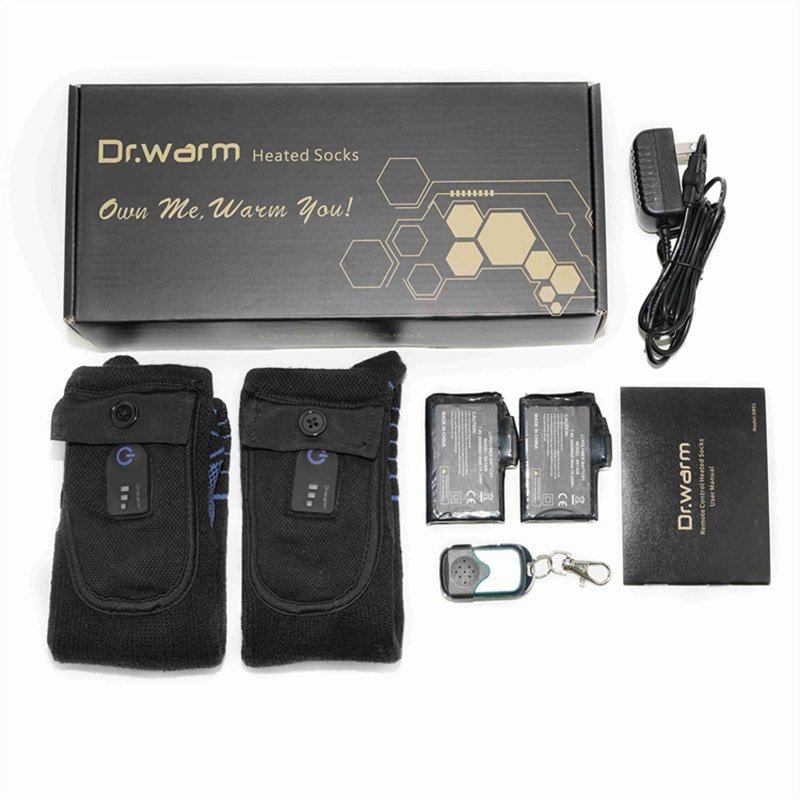
Dr. Warm Hi-Vis Electric Heated Safety Jacket for Work
Blog

How to Choose Battery, Heating Levels, Fabrics & Components for Your Heated Apparel Project

Buyers often encounter pitfalls like poor battery integration or communication breakdowns when partnering with heated clothing factories, leading to delays, safety hazards, or subpar products. This article breaks down the most common problems, from technical mismatches to supply chain woes, using real scenarios to illustrate why they occur. By understanding these risks and applying practical avoidance strategies, brands can build stronger relationships with reliable manufacturers for high-quality heated apparel.

Comprehensive heated clothing component selection flowchart: Start with battery voltage (7.4V for gloves, 12V for jackets) and capacity (mAh/Wh), add BMS protection, connect to smart controller with independent zones, and integrate with heating elements & insulated fabric.
Blog

How to Choose Battery, Heating Levels, Fabrics & Components for Your Heated Apparel Project

Designing heated apparel hinges on selecting the right batteries, heating levels, fabrics, and components to ensure compatibility and performance. Brands must weigh factors like voltage for power delivery, insulation for heat retention, and element types for even distribution. This guide offers decision flows and practical insights from OEM heated apparel development to help create products that excel in real-world conditions.

Scroll to Top