
Choosing a reliable custom heated jacket manufacturer is not about finding the lowest price or best-looking sample — it is about aligning heating system reliability, manufacturing capability, and long-term production consistency.
Many brands treat heated jackets as standard apparel items, focusing primarily on fabric quality, stitching, and appearance. In reality, these are complex electronic products integrated into garments. Heating inconsistency, battery failures, short circuits, or production delays often stem from overlooking the technical and manufacturing layers.
A reliable custom heated jacket manufacturer must combine heating system expertise, battery safety design, and stable OEM production capability — not just garment sewing experience. This multi-factor sourcing decision directly influences product performance, user safety, compliance, and ultimately, brand reputation.
Why Choosing a Heated Jacket Manufacturer Is a Strategic Brand Decision
Selecting the right partner for heated jacket manufacturing is a strategic decision that affects long-term brand trust and viability.
Heated jackets serve critical functions in cold environments, from winter sports and outdoor work to daily warmth. End-users expect consistent heating, reliable battery life, and safe operation. When these fail, negative reviews, high return rates, and safety complaints accumulate quickly.
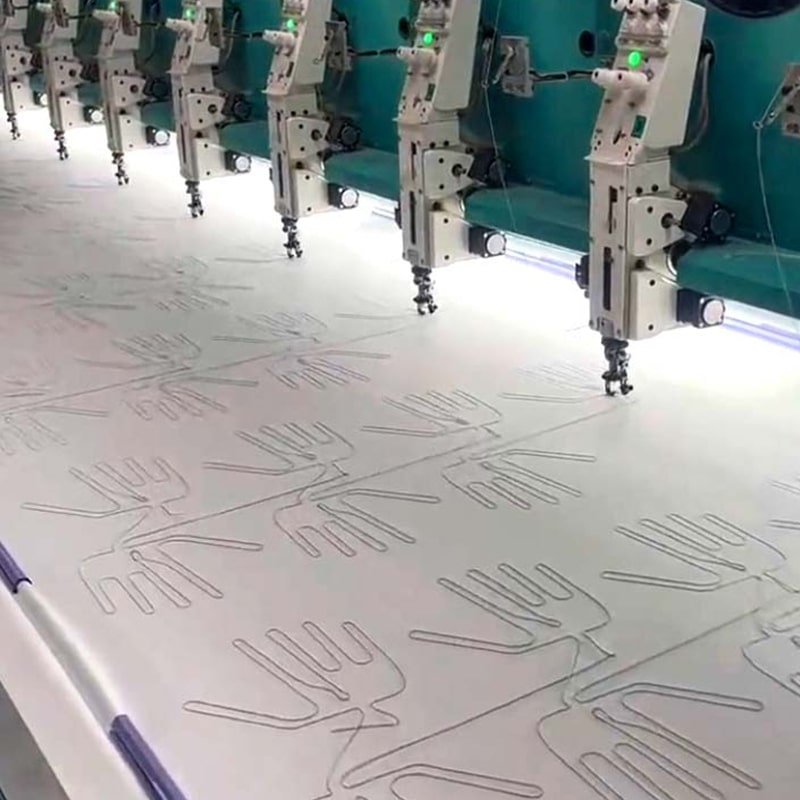
Inconsistent manufacturing — such as uneven heat distribution across batches or premature component degradation — erodes customer loyalty and damages brand positioning in competitive categories like outdoor apparel or workwear. Experienced OEM partners help brands scale efficiently, reduce time-to-market risks, and maintain quality as order volumes grow.
Here’s how key evaluation factors translate to brand impact:
| Evaluation Factor | Brand Impact |
| Heating system stability | Customer comfort & reliability |
| Battery safety design | Product safety & compliance |
| Production consistency | Brand reputation & repeat orders |
| OEM experience | Time-to-market & scalability |
Start With Heating System and Product Requirements
Define your heating system and product requirements before evaluating manufacturers — this step prevents misalignment later.
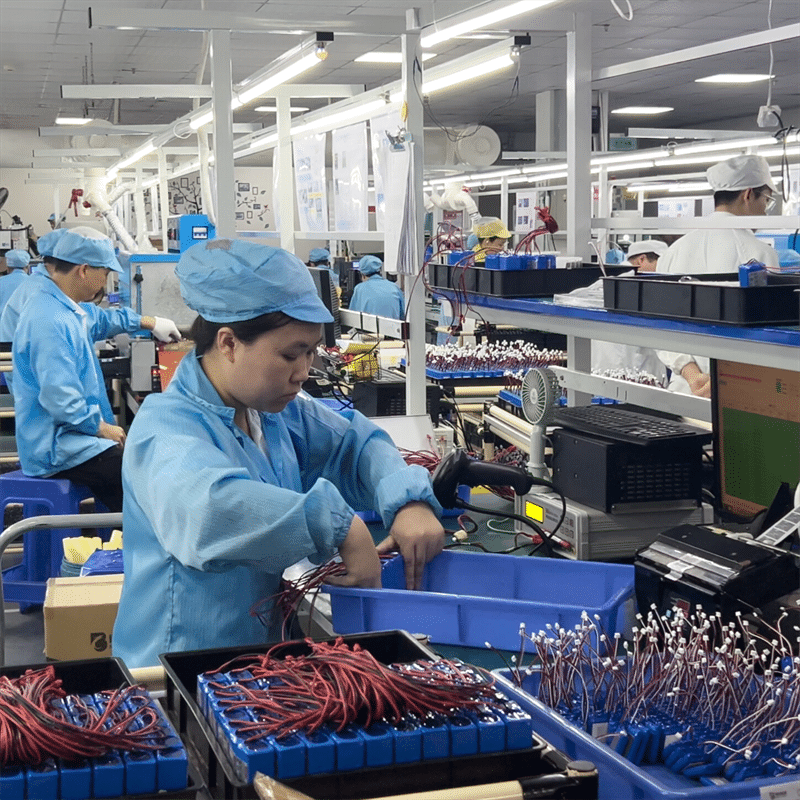
Heated jackets rely on precise engineering of heating zones, temperature ranges, and control mechanisms. Poorly specified or mismatched designs lead to discomfort (too hot/cold spots), reduced battery life, or structural issues in the garment.
Brands should first outline:
- Desired heating zones (e.g., core body areas like chest and back, or extended coverage including collar and sleeves)
- Temperature levels and adjustment steps
- Preferred control method
Different control methods affect user experience and jacket design:
| Heating Feature | Key Consideration |
| Heating zones | Chest, back, collar, or full-body |
| Heating element type | Carbon fiber vs heating film |
| Control method | Button, remote, or app |
| Temperature levels | User safety & comfort balance |
Carbon fiber elements often provide rapid, even heating with good flexibility, while heating films can offer uniform surface warmth but may require careful integration to avoid bulk. Control options range from simple on-jacket buttons to wireless remotes or smartphone apps for precise adjustments. Clarifying these upfront ensures the manufacturer can integrate them without compromising jacket fit, weight, or washability.
Manufacturing Capability Matters More Than Samples
Samples can impress, but they rarely predict mass production performance — true capability shows in scaling and consistency.
A polished prototype often hides issues that emerge during volume runs, such as heating element misalignment, inconsistent wiring, or material fatigue. Relying solely on samples risks discovering problems only after committing to large orders.
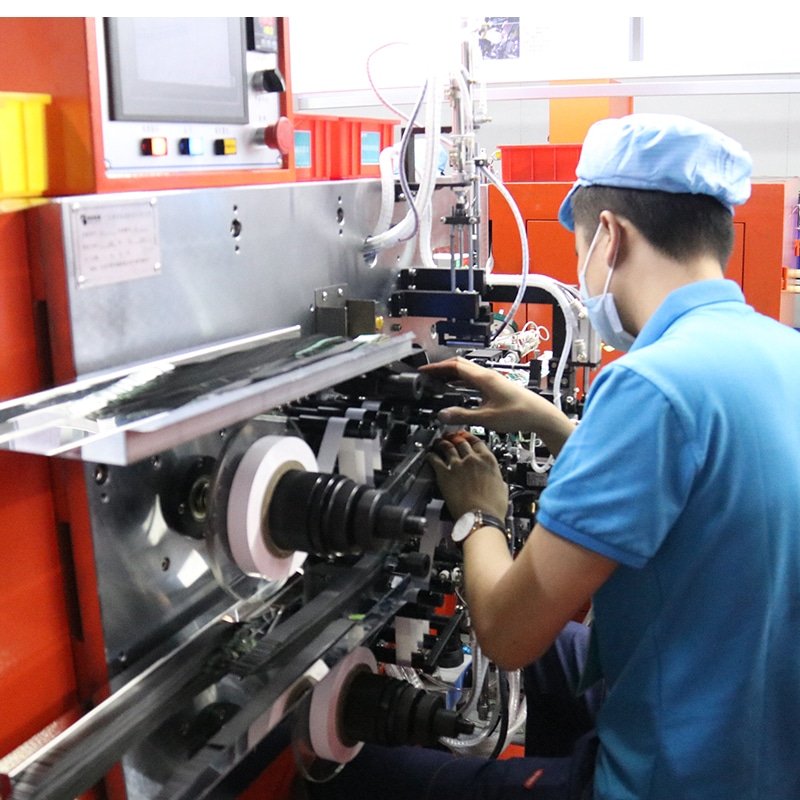
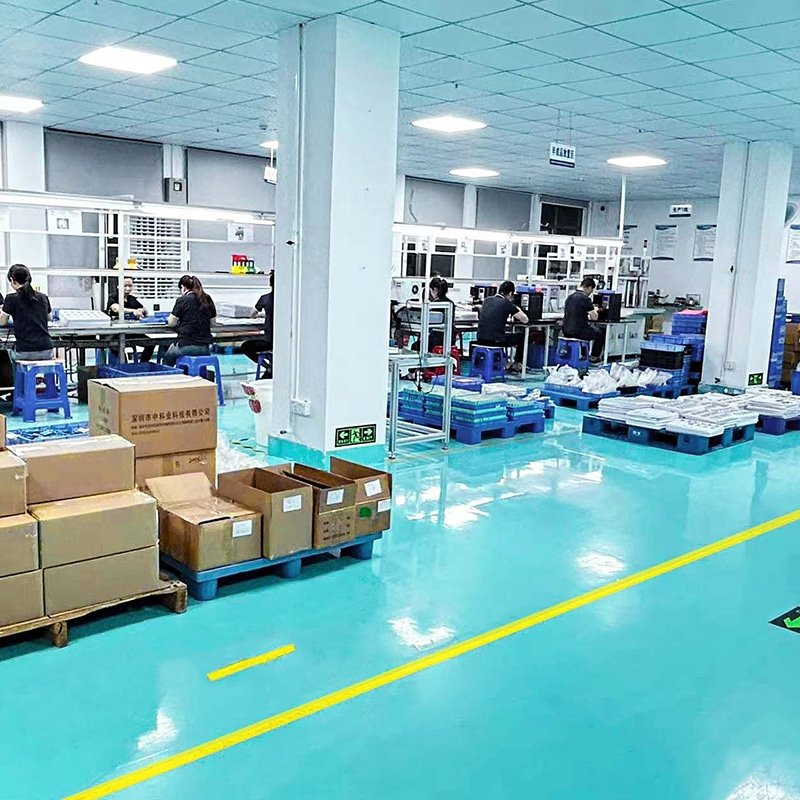
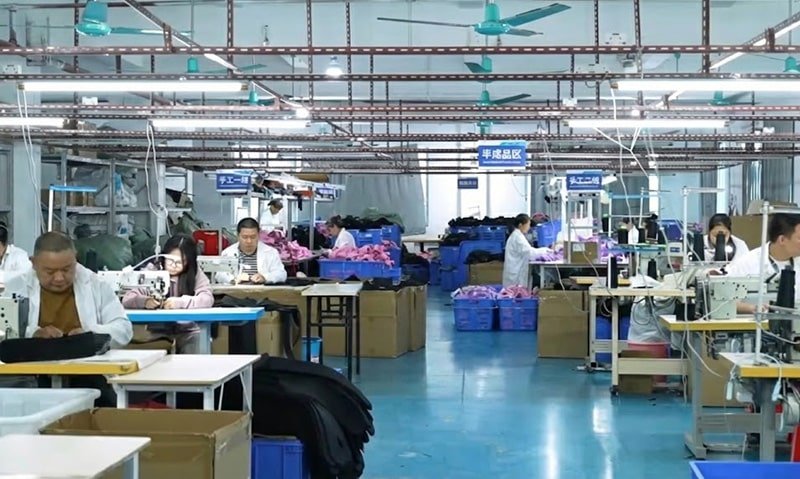
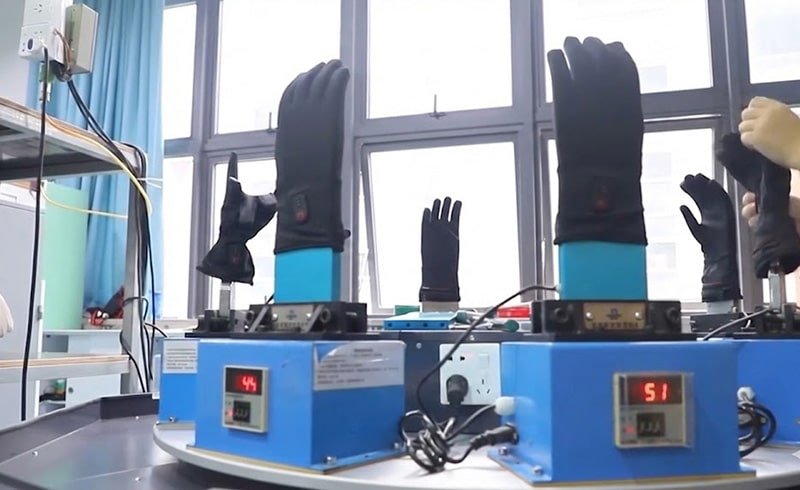
In-house expertise in heating system integration is essential. A true manufacturer handles electronic assembly, testing, and garment integration under one roof, reducing dependency on subcontractors and minimizing defects. Trading companies or garment-only factories frequently outsource critical heating components, leading to coordination delays and quality gaps.
When assessing manufacturing capability, look for evidence of vertical integration and real-world production experience. For more details on partnering with an established custom heated jacket manufacturer, refer to specialized resources in the industry.
Battery Safety, Testing, and Compliance Cannot Be Ignored
Battery-related failures represent one of the highest risks in heated apparel — overlooking this area can lead to safety incidents, recalls, or market barriers.
Lithium-ion batteries power most systems, but they carry risks of overheating, overcharging, short circuits, or thermal runaway if protection is inadequate. A robust Battery Management System (BMS) monitors voltage, current, and temperature to prevent these issues.
Endurance testing simulates real-world use cycles, while temperature control features (automatic shut-off, over-heat protection) safeguard users. Compliance with standards like CE, RoHS, FCC, UL, or UKCA is non-negotiable for international markets — non-compliant products face customs blocks or legal risks.
| Safety Aspect | Why It Matters |
| Battery protection | Prevents overheating & failure |
| Endurance testing | Ensures long-term use |
| Temperature control | User safety |
| Compliance testing | Market access & legal risk |
Manufacturers should demonstrate documented testing protocols and certification processes.
OEM Experience and Quality Control Define Long-Term Success
OEM experience separates capable partners from those that struggle with scaling.
Manufacturers with years of heated jacket OEM services or private label heated jackets understand how to handle design iterations, material variations, and order fluctuations. They maintain stable supply chains for critical components like heating elements and batteries, reducing disruptions.
Quality control must extend beyond final inspection. Layered checks — incoming materials, in-process assembly, heating performance, and aging tests — ensure consistency across batches. Experienced factories implement traceable processes and corrective actions, building trust for repeat orders and long-term partnerships.
Common Mistakes Brands Make When Choosing Heated Jacket Manufacturers
Brands often repeat avoidable errors during sourcing — recognizing these helps improve decision-making.
- Prioritizing appearance and basic fit over heating reliability — a great-looking jacket fails if heat is uneven or fades quickly.
- Ignoring battery and safety engineering — assuming low-voltage means inherently safe overlooks poor BMS or inadequate testing.
- Choosing suppliers based only on price — the cheapest option frequently cuts corners on components or QC, leading to higher defect rates and returns.
- Underestimating production and QC complexity — treating heated jackets like regular apparel ignores the electronic integration challenges and need for specialized testing.
Addressing these pitfalls early prevents costly redesigns or quality issues down the line.
Conclusion — Reliability Comes From Manufacturing Reality, Not Promises
Successful custom heated jacket projects result from informed sourcing decisions that align heating system design, battery safety, and OEM manufacturing capability — not from samples or pricing alone.
Brands that prioritize technical expertise, rigorous testing, and production stability achieve consistent performance, fewer returns, and stronger market positioning. In a category where user safety and reliability directly influence trust, long-term consistency outweighs short-term cost savings every time.
Before you shortlist suppliers, run each one through our guide on how to vet a heated products manufacturer — the same nine checks we recommend when a brand asks us to quote against another factory.