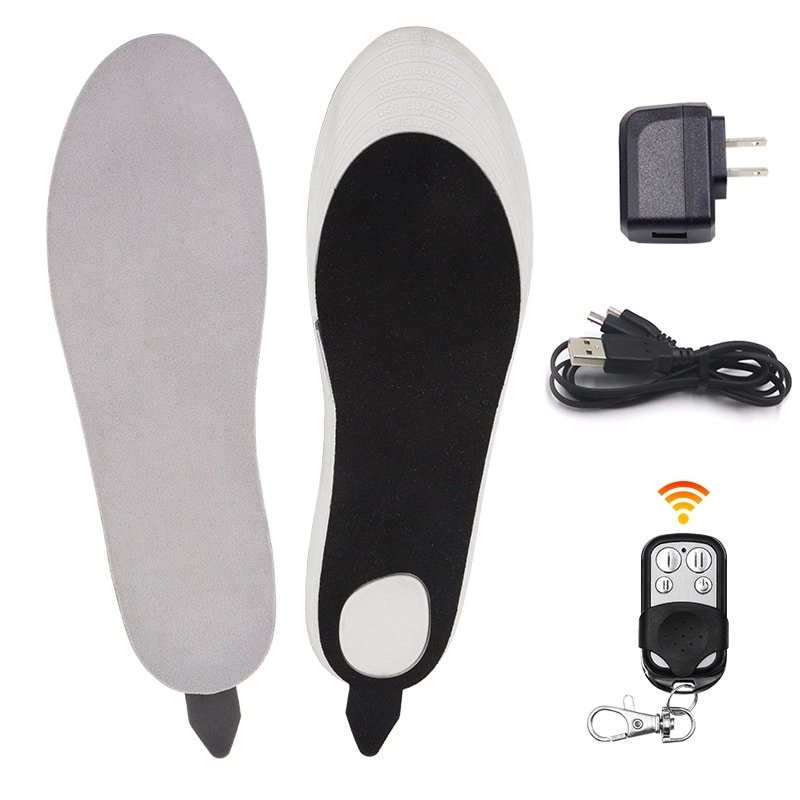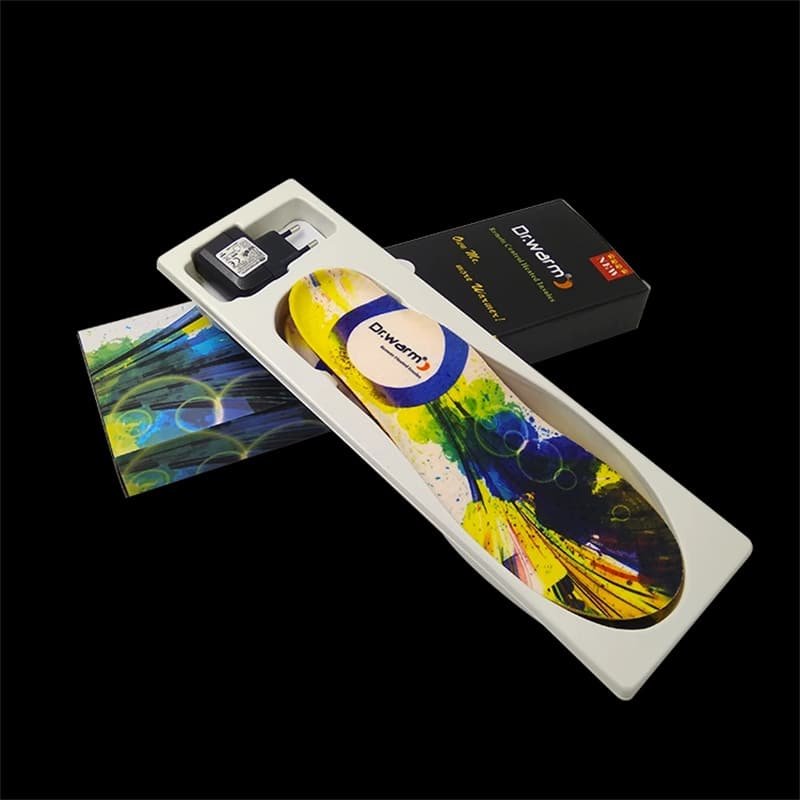

The process of choosing a stable manufacturer of custom heated insoles is more a multi-factor manufacturing decision and not just a sourcing issue. Numerous brands are obsessed only with unit price or the looks of the first samples and find challenges later in the process of heating stability, uneven warmth, battery breakdown, or poor-quality consistency later on, when producing on a large scale. The fact that heated insoles are considered an additional footwear product is a widespread misconception. Factually, they are battery-driven heaters built into insoles and as such, they need careful engineering on the functions of distribution of heat, temperature control and electronic safety.
Only with a strong level of knowledge of how to design a heating system, how to ensure the safety of batteries, a strict quality control, and a long-term working experience of a manufacturer of insoles can one be confident that it is a good maker of the heating insoles to be coupled with, rather than a simple assembler. Those brands, product managers, and sourcing professionals who consider this an element of strategic supply-chain decision making will experience and achieve greater product performance, reduced returns, and enhanced market positioning.
For those evaluating partners, a good starting point is to assess manufacturers with demonstrated capability in custom heated insoles manufacturer solutions.
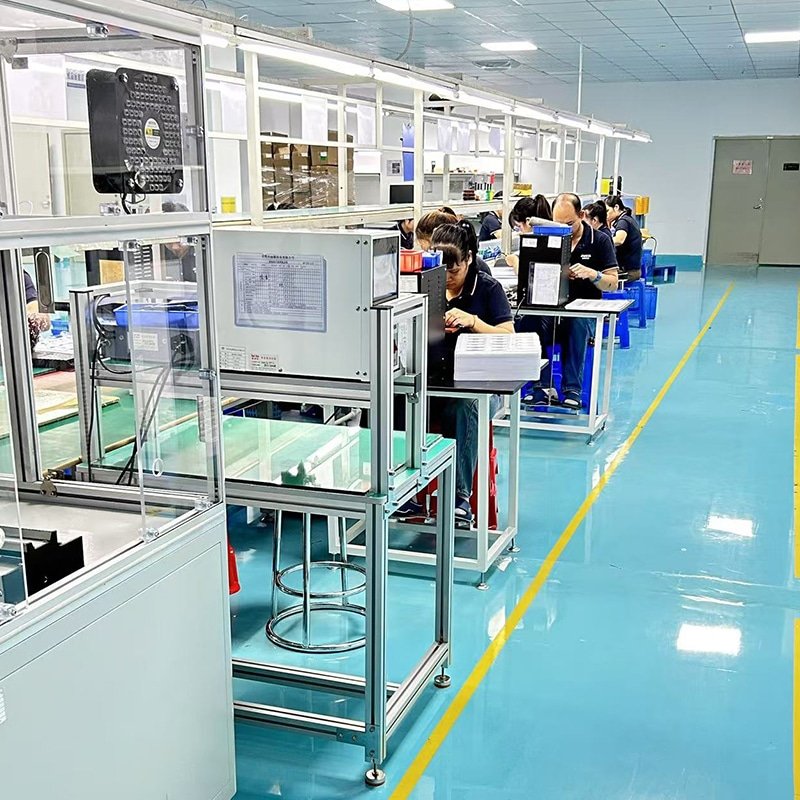
Why Choosing a Heated Insoles Manufacturer Is a Strategic Supply-Chain Decision
Insoles that are heated are not traditional footwear items and therefore are complicated electro-thermal appliances that need to provide a steady flow of heat and yet be the safest products by far. Lack of heating performance or battery problems can easily ruin user belief and brand equity, and this is in the most competitive markets such as outdoor sports, winter workwear, or home label e-commerce.
Risk is complicated by frequent changes in manufacturers, as there tends to be variation in materials, assembly procedures, and testing procedures. The latter regularly results in the lack of correlation of heating profiles between batches or unanticipated compliance failures.
The following table summarises the major aspects of evaluation and their direct effects on the brand and products:
| Evaluation Factor | Brand & Product Impact |
| Heating system stability | Consistent warmth and user comfort |
| Battery safety & protection | User safety and regulatory compliance |
| Manufacturing consistency | Repeat order quality stability |
| OEM experience | Faster development and fewer failures |
| Quality control process | Reduced defect and return rates |
These factors are important priority areas to prevent unnecessary expensive redesigns, recalls, or ensuing lost customers because of poor performance of the products.
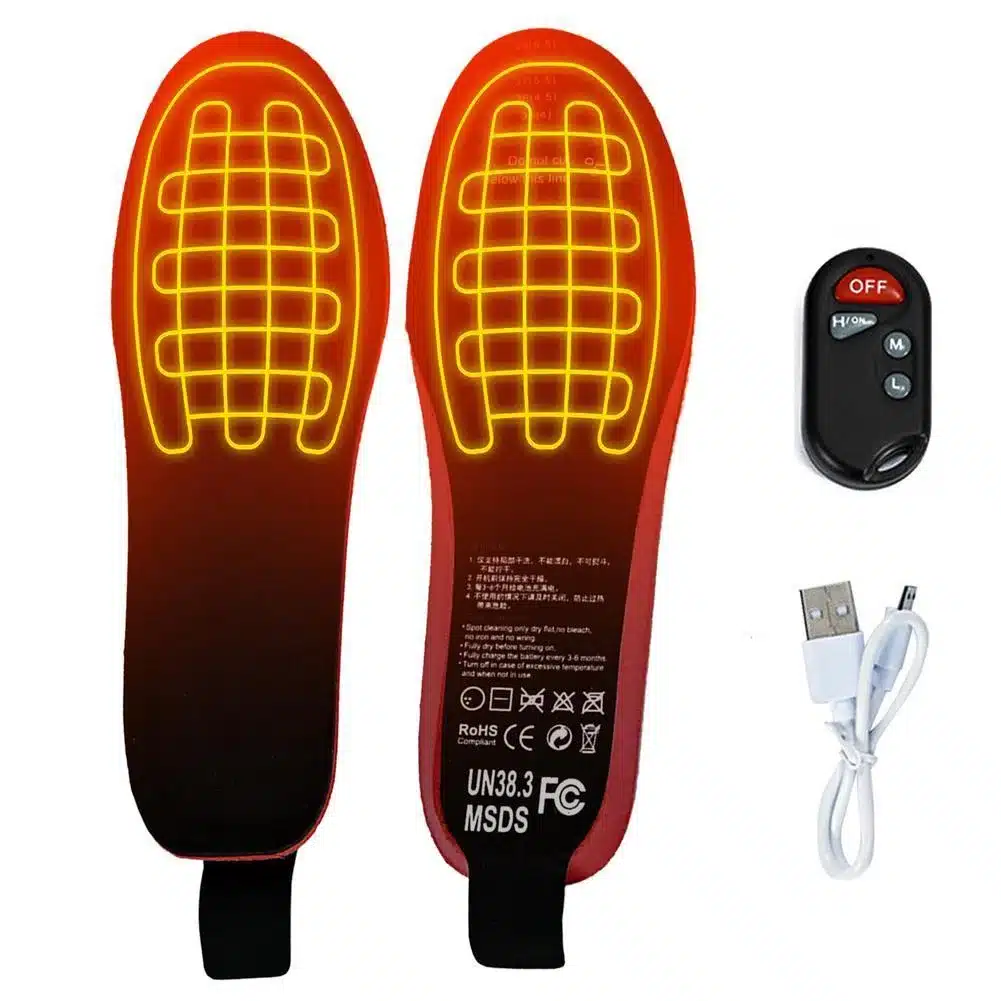
Start by Evaluating the Manufacturer’s Heating Technology Capability
Reliable heated insole is based on the heating technology. Heating elements are not the same in terms of their capacity to distribute heat, their longevity or volume of power.
Some of the common ones are carbon fiber, heating film, and wire-based systems. Carbon fiber is likely to offer the greatest heat distribution as well so it is appropriate in outdoor and sports high performance. Heating film provides a low profile that is lightweight and suitable in thin footwear designs. Entry-level models with wire heating are commonly used as a less expensive choice but it can exhibit more pronounced hot spots or even less even warmth.
The accuracy of temperature control and the evenness of distribution are essential – inadequate heating areas or hot areas may cause discomfort or may create hot spots; inadequate heat transfer may also result in too high battery consumption or may not allow the battery to heat enough. The manufactures that have their own development of heating system usually provide greater customization and reliability since they know how the material behaves when it is flexed and compressed many times.
| Heating Technology | Key Advantage | Typical Application |
| Carbon fiber | Even heat distribution | Outdoor & sports insoles |
| Heating film | Thin and lightweight | Slim footwear designs |
| Wire heating | Cost efficiency | Entry-level models |
Request prospective partners to describe the motivation of their heating component, how they get some kind of uniform heat, and whether they test flex fatigue in practice.
Battery Safety and Control Systems Are Non-Negotiable
One of the most essential (but not the least) yet neglected features of heated insoles are battery quality and protection systems. Poor quality lithium batteries or inefficient protection circuits may result in overcharging, overheating, short circuiting or even fire, which pose significant safety threats and regulatory concerns.
Find manufacturers who have high-quality rechargeable lithium batteries with an in-built safety mechanism against overheat, overcharge, over-discharge, and short circuit. The controllers ought to provide accurate temperature regulation, with preferably more than one heat option, remote control, or even the integration of the apps to make them user-friendly.
Established manufacturers are conscious of battery life and safety with extensive testing, such as cycle life and thermal runaway. These attributes not only safeguards the end-users, but also assists the brands to meet the market requirements in terms of safety.
OEM & ODM Experience Determines Long-Term Reliability
It is an important distinction between factories which simply assemble parts and those who are OEM/ODM manufacturers who can fully develop a product. Basic orders only can be handled by assembly-only suppliers, but they lack engineering capability to provide custom features or to resolve scaling issues.
Mass production that is consistent in quality can be ensured by OEM experience. ODM capability Custom heating system, circuit design, and mold development speed up the process of innovation and decrease risk, particularly when it comes to brand that introduces a new line, or a brand with a private label line of heated insoles.
The stages of prototyping and the testing are especially informative: significant partners can detect as early as possible some problems, like the fatigue of the heating elements or the durability of the battery-connectors.
| Capability | Why It Matters |
| OEM production | Stable mass manufacturing |
| ODM development | Faster product innovation |
| Prototyping & testing | Early problem detection |
| Engineering support | Custom feature feasibility |
Quality Control Systems Matter More Than Sample Quality
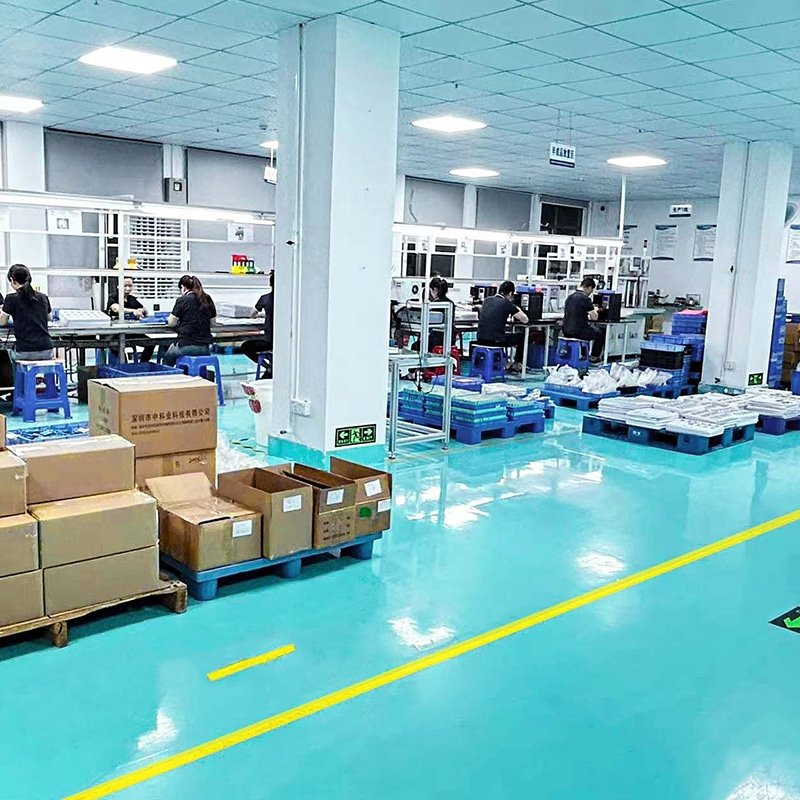
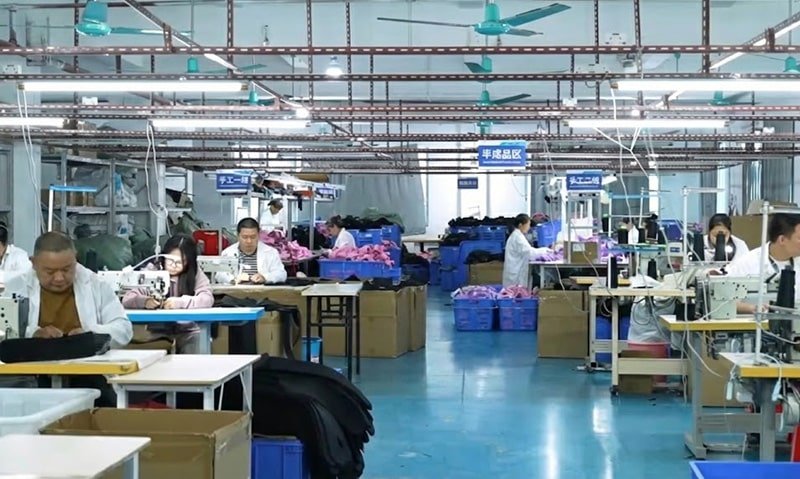
Only the perfect sample of a test is hardly a prediction of the mass production outcomes. Literature samples are frequently assembled by hand in optimum conditions and entire runs reveal the flaws in the material supply, assembly uniformity, or variation in processing.
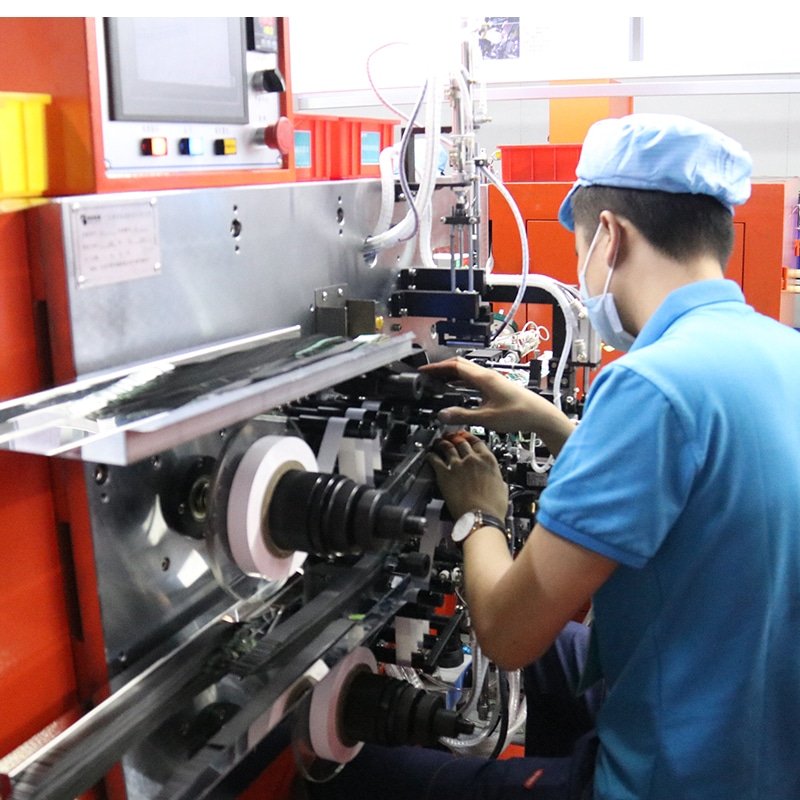
Trustworthy manufacturers have multi-level quality control with the check of incoming materials, in-process quality checks of heating elements and circuits, test of batteries safety, and endurance/aging test being the final. Aging tests are a simulation of long-time usage, which can reveal such problems as heat corruptness or broken connections, which only manifest themselves after hundreds of cycles.
Give more attention to partners capable of showing the process of structured QC and tracking defects as opposed to depending on sample approval.
Certifications and Compliance Define Market Accessibility
The potential of accessing markets such as the US and the EU is determined by the right certifications. The most critical ones are: CE (safety and EMC), RoHS (hazardous substances), FCC (electromagnetic compatibility), and frequently UKCA (Europe): post-Brexit. Compliance (e.g. transportation testing (UN38.3) is also essential, that is battery-related.
The manufacturers who have an understanding of these standards incorporate the compliance into the designing and manufacture process early on which saves time during the design phase and ensures that they do not get rejected later on. Seek actual certificates and show of continued testing – expired or unprovided certificates will prevent imports or sales.
Common Mistakes Brands Make When Choosing a Heated Insoles Manufacturer
Most managerial brands engage in preventable issues due to focusing on the incorrect criteria. Here are frequent pitfalls:
- Selecting suppliers, who are cheap as a result, compromising the components or speeding up production.
- Disregard of battery safety engineering which implies possible risks or low product life expectancy.
- Ignoring mass production uniformity, which leads to loss of quality of samples as compared to bulk orders.
- When most factories assume that heating systems are easy and uncomplicated as wiring systems.
Such errors are usually revealed once an order is received to be worked upon after which he or she may do a re-work on the order or may return it or the error may create a bad reputation.
Conclusion — Reliability Comes from Manufacturing Depth, Not Price
The choice of the custom manufacturer of the heated insole will be a long-term strategic move which will have a direct impact on the performance of the products, the safety of the users, and the brand reliability. Reliability is based on the ability of the engineering of heating systems and battery control, strict control of quality and a lot of OEM/ODM experience and not on saving some money in the short-term or the glamorous sample on the desk.
Via these technical and process perspectives, the brands benchmark themselves on the basis of reliability in quality, easier expansion, and reduced supply chain challenges in the competitive hot footwear sector.