
Winter sports demand more than layered clothing. When temperatures drop, standard insulation fails to deliver active warmth where it matters most—hands, feet, and core. Here’s what the best heated snow gear actually includes, and what separates real engineering from marketing gimmicks.
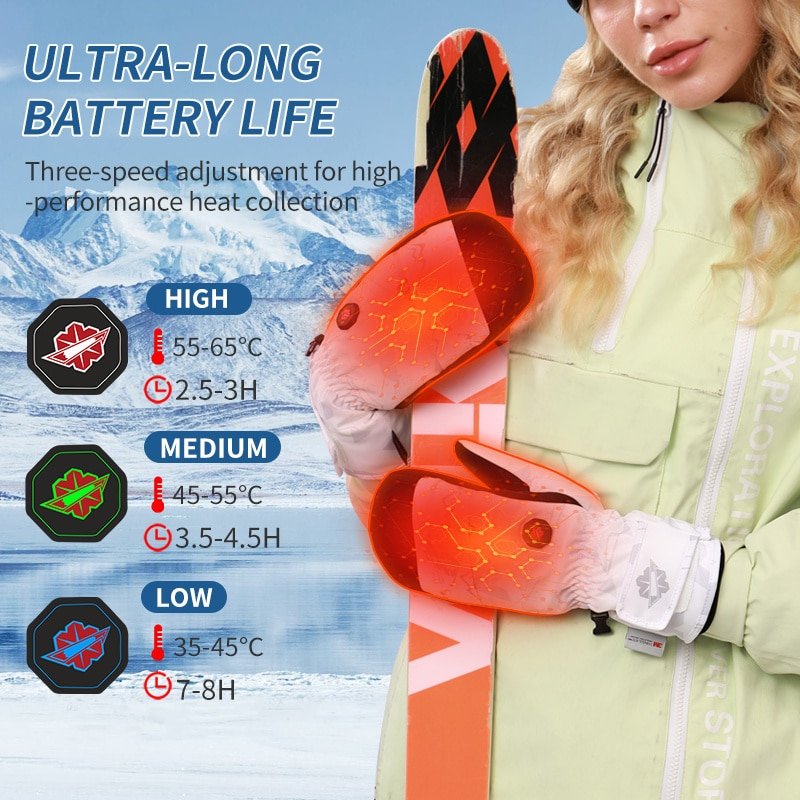
1. Heated Ski Gloves: Start Here
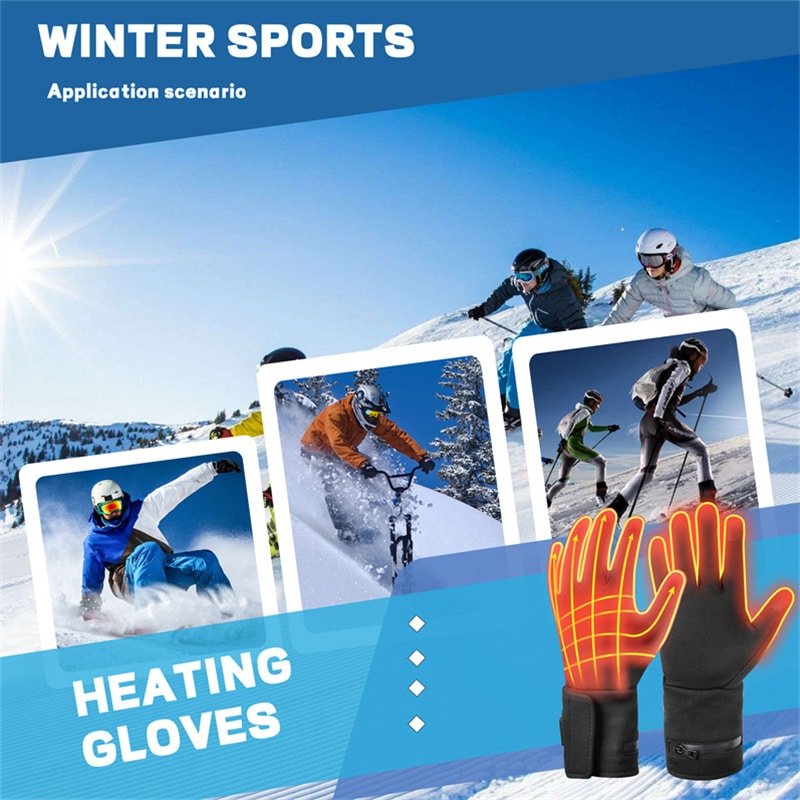
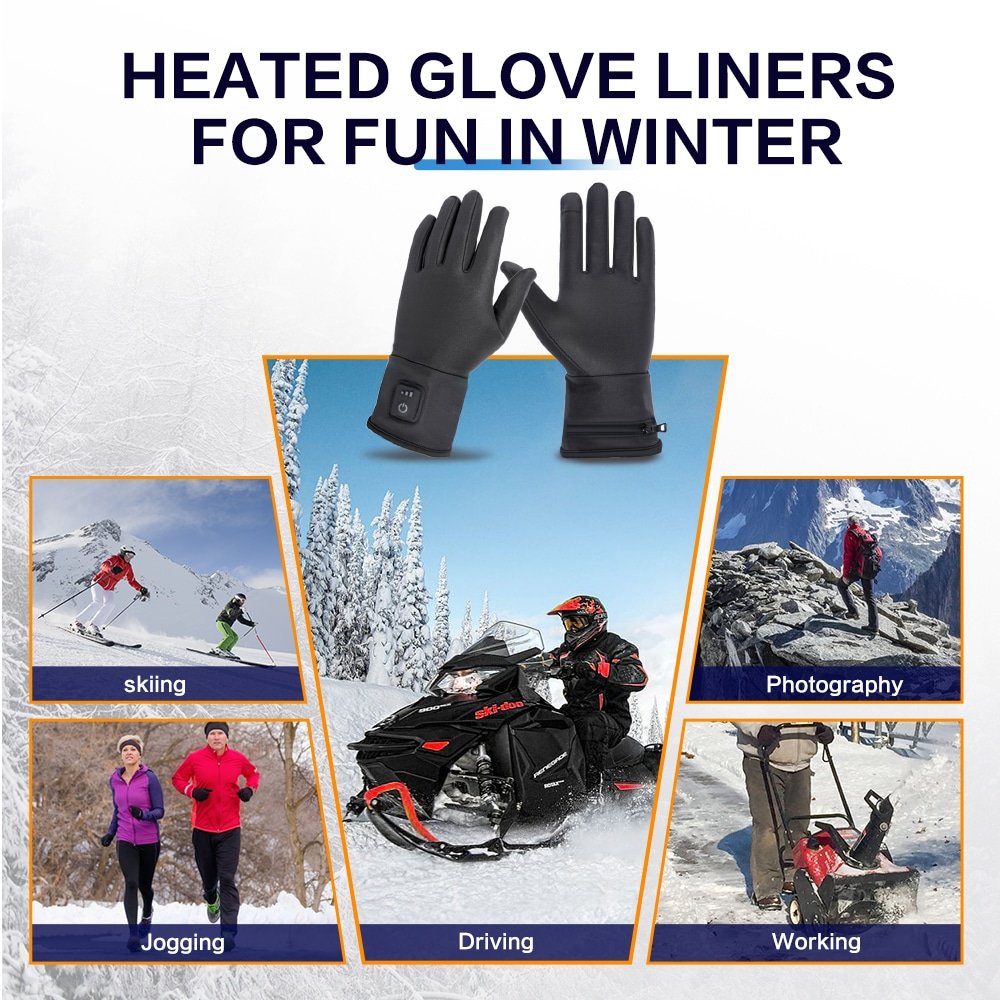
Cold hands end ski days fast. The best heated gloves use flexible carbon-fiber elements across the back of the hand and fingertips, powered by 7.4V lithium packs.
Key specs:
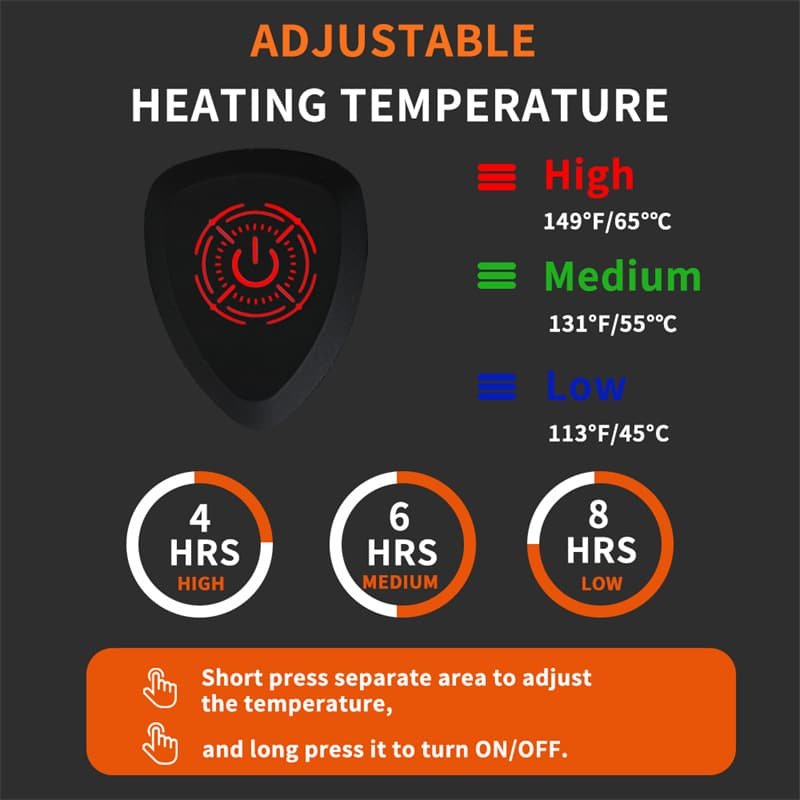
- 3 heat levels with model-specific runtime
- Waterproof membrane (IPX rated) + breathable shell
- Wrist-pocket battery placement—no restriction on movement
Dr. Warm manufacturing: Custom heated gloves with 3-zone heating, LED indicators, and optional app control. We handle heating element, PCBA, battery BMS, and apparel assembly under one roof. OEM projects start at 100 pairs and full ODM development at 500.

2. Heated Ski Socks: Circulation Under the Boot
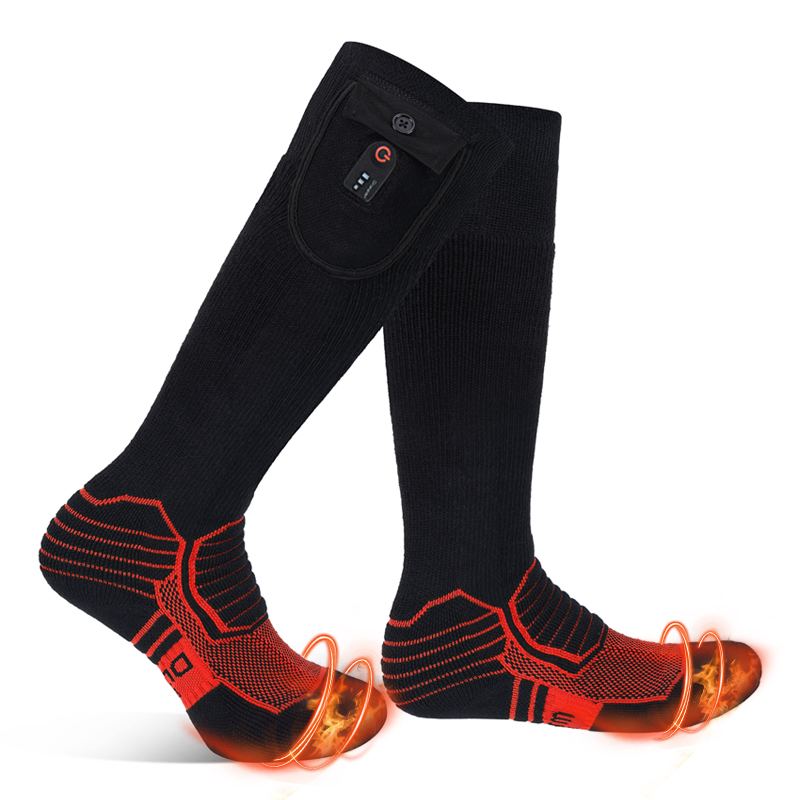
Thick wool socks restrict circulation in tight ski boots. Heated socks solve this with ultra-thin heating elements under the forefoot and toe, keeping warmth without compromising boot fit.
Key specs:
- Under 3mm profile thickness
- Calf-strap or ankle-mounted battery (never in the boot)
- Moisture-wicking fabric with anti-odor treatment
Dr. Warm manufacturing: Custom heated socks with rechargeable 7.4V systems, remote/app control, and full OEM/ODM support including fabric sourcing and pattern engineering.
3. Heated Insoles: Warm from the Ground Up
Standard boot insulation doesn’t generate heat. Heated insoles slip into any ski shell or work boot with minimal profile change, warming the feet from below.
Key specs:
- Full-foot or toe-only heating coverage
- Wireless remote battery pack (7.4V) or USB rechargeable
- 3,000+ bend-cycle durability
Dr. Warm manufacturing: Custom heated insoles with carbon-fiber or graphene elements, flexible PCBA control, BMS-protected battery packs, and app integration options.
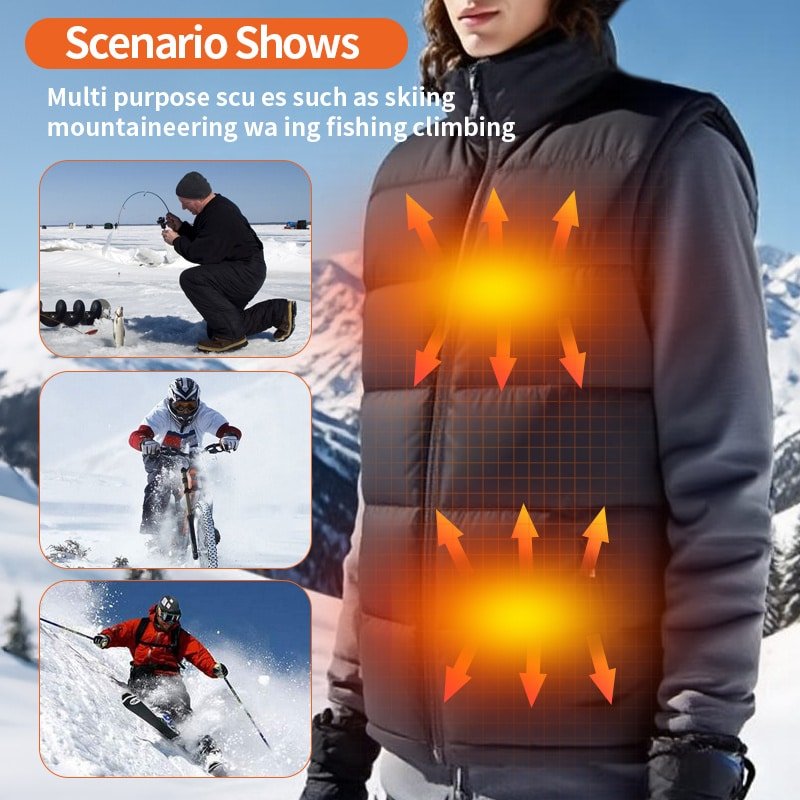
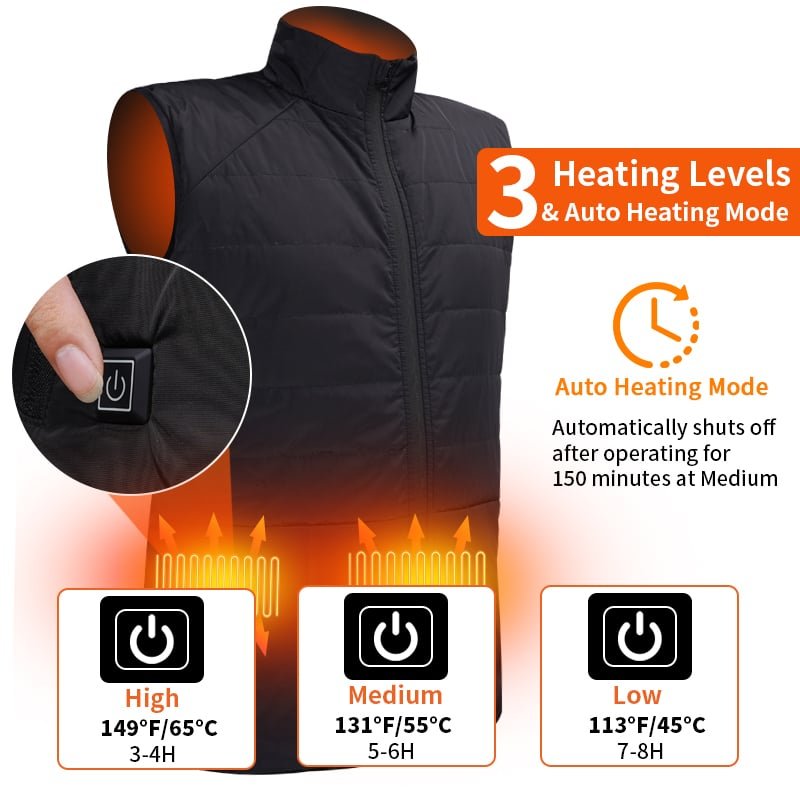
4. Heated Jacket/Vest: Core Temperature Anchor
When your core is warm, your body reduces heat loss from extremities. Heated vests are standard for ski patrol, mountain guides, and snow-crew workers.
Key specs:
- Multi-zone heating (chest + back + collar)
- battery configuration set to order, with runtime confirmed per model
- Slim enough to layer under a ski shell
Dr. Warm manufacturing: Custom heated jackets and vests with up to 5 heating zones, 3-level or app-controlled temperature, and integrated battery pockets. Full vertical manufacturing from heating element to finished garment.
5. The Engineering Checklist
| Component | What Matters | Dr. Warm Standard |
| Heating Element | Watt density, zone mapping | Carbon fiber/graphene, in-house design |
| Battery | Runtime, safety certification | 7.4V/12V lithium, BMS, UN38.3 |
| Control | Temperature regulation, safety | PCBA with overheat protection, app-ready |
Safety standards: CE-certified, FCC-compliant, IPX waterproofing, 3,000–5,000 bend cycles.
For Brands: 5 Questions Before Manufacturing
- Do you design heating elements in-house?
- Are batteries UN38.3 certified?
- Can you handle the full chain (heating + PCBA + battery + apparel)?
- What’s the MOQ and sampling speed?
- Do you support app control?
Dr. Warm meets all five criteria. We are a technology-driven manufacturer with deep vertical integration in heated-apparel engineering, operating since 2013.
Frequently Asked Questions
Can Dr. Warm heated snow gear be machine washed?
Yes. Remove the battery pack or power bank first, then wash on a gentle cold cycle and let the item air dry completely before reconnecting power. Sealed connectors and the element layout are designed around repeated washing, and wash durability is part of what we validate before a build goes to mass production.
Can I bring heated snow gear batteries on a plane?
The lithium packs we build are UN38.3 tested, which is the transport standard carriers reference for lithium batteries. Actual rules still vary by airline and by whether the pack travels in carry-on or checked luggage, so confirm with your carrier and keep packs in carry-on where allowed.
How long does sampling take before mass production?
Sampling typically runs 7 to 30 days depending on how much of the design is new. After the sample is approved, OEM programs generally move into production within 20 to 25 days, while full ODM development — where the design work sits with us — runs 50 to 60 days.
Can heated snow gear be customized for our brand?
Yes. Heating zones, voltage, control type, shell fabric, colours and logo placement are all defined per order, so one platform can ship as several product lines. The heating element, PCBA, battery pack and final assembly are handled in-house, which is why custom builds do not require coordinating several suppliers.