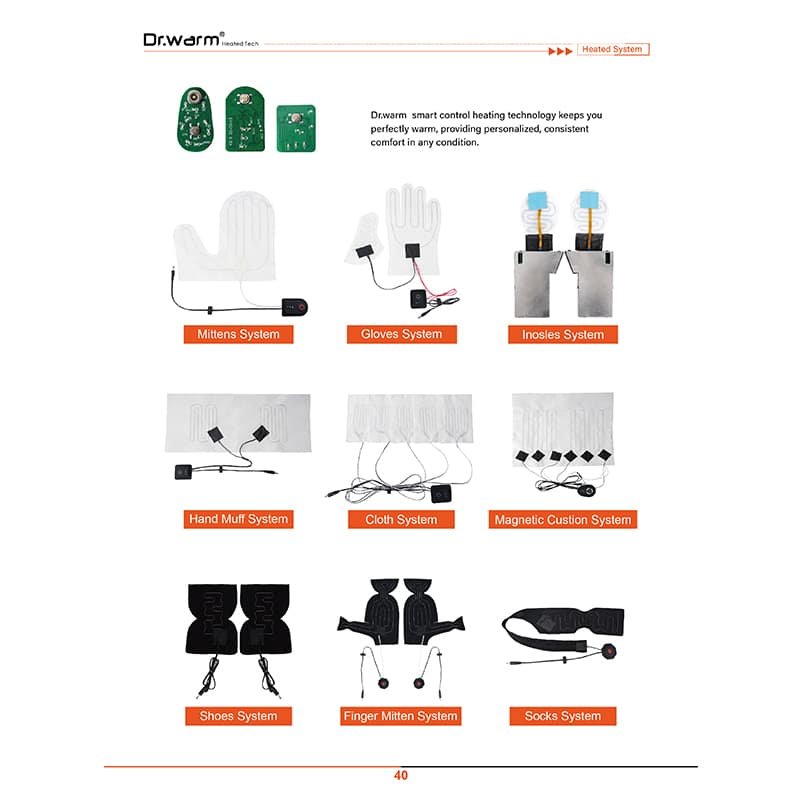

They are electric consumer products since they have electric heating components and rechargeable lithium batteries in the form of heated insoles. Consequently, they would be subject to product safety regulations and lithium battery transportation regulations. The compliance of the heated insoles includes electrical safety tests, electromagnetic compatibility, certification of battery transport, and documentation of material restriction – all of which have to be in line with the US and EU regulatory standards.
The US and the EU markets of insoles sold as heaters, demand the right electrical safety and battery transportation, material conformity certificates, and compliance must be incorporated into the product design and manufacturing process at the start. A common misconception of some brands is that one certification e.g. CE marking can encompass all requirements. As a matter of fact, several overlapping layers of compliance are in place, which are determined by the market, product characteristics (like Bluetooth connectivity), and shipping options.
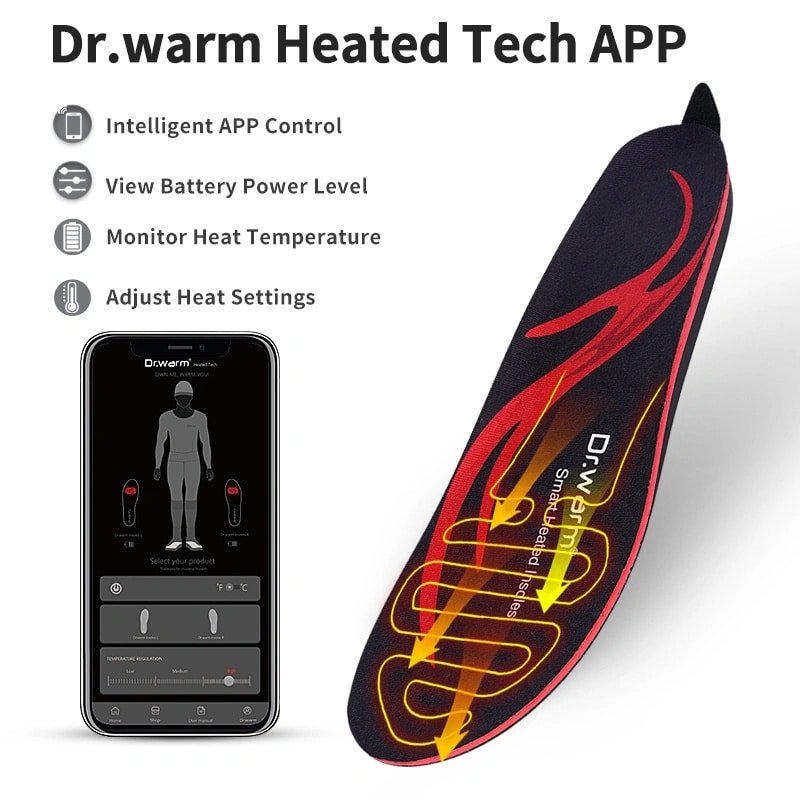
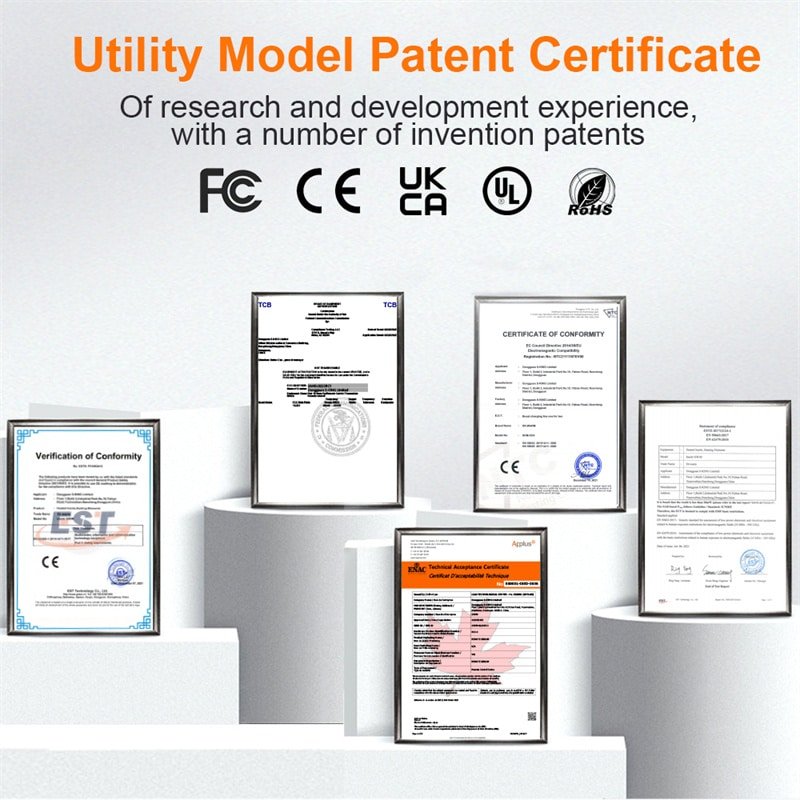
CE Certification for the European Market
On the European market, the CE marking is required to put heated insoles and they are the electrical equipment under the corresponding directives.
Heated insoles should be electrically safe (under the Low Voltage Directive (LVD) 2014/35/EU) and electromagnetically compatible (under the Electromagnetic Compatibility (EMC) Directive 2014/30/EU) (i.e. should not emit or be affected by electromagnetic interference).
In order to fix the CE mark, manufacturers need to:
- Carry out conformity testing (usually self-proclaimed in relation to such instructions, and third party testing may be applied)
- Write up a technical file with the risk assessment, test reports and the design specifications.
- Issue a Declaration of Conformity (DoC).
- Keep records of market surveillance agencies.
| Requirement | Purpose |
| LVD | Electrical safety validation |
| EMC | Prevent signal interference |
| Technical file | Regulatory documentation |
| Declaration of Conformity | Manufacturer responsibility |
European products without adequate compliance to the CE do not enter the distribution channels legally.
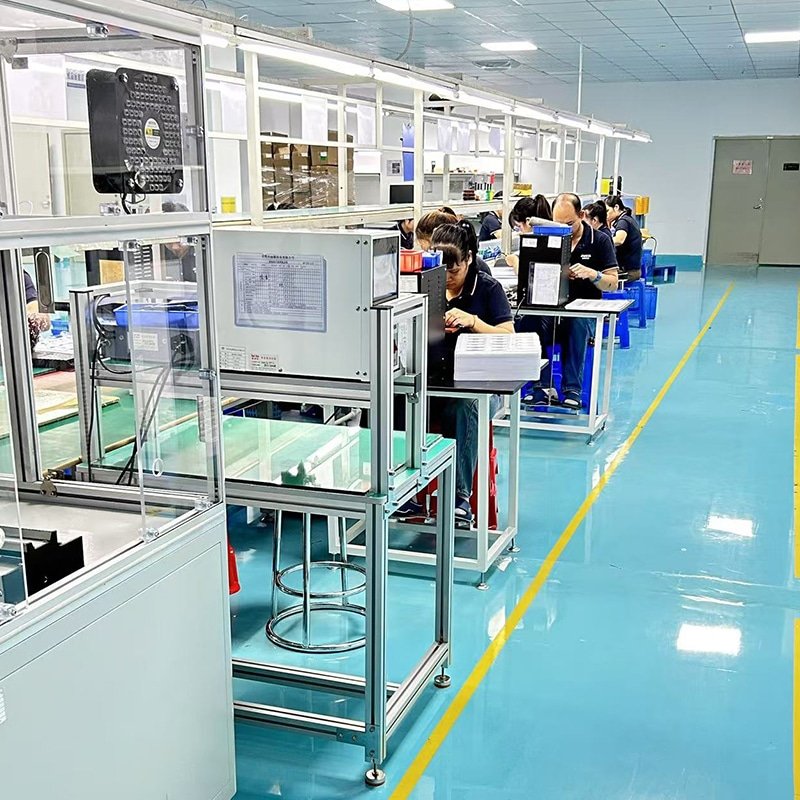
FCC Compliance for the United States
The insoles offered as heated in the United States must comply with the FCC requirements, especially to deal with the electromagnetic emissions and interference.
The heated insoles are subject to the FCC Part 15 regulations concerning unintentional radiator (equipments that produce radio frequency inadvertently). Testing keeps the levels of emissions under control to prevent interference with other electronics.
In the case of models with Bluetooth or wireless controls, there are more requirements under FCC regulations regarding intentional radiators, usually certification is required instead of Supplier:s Declaration of Conformity (SDoC).
Working with a certified custom heated insoles manufacturer early in development helps integrate FCC-compliant components and testing protocols, avoiding costly redesigns later.
RoHS and Material Restriction Compliance
In the EU, RoHS is in compliance to limit the use of the hazardous materials in electrical and electronic appliances such as insoles that are heated.
To ensure the safety of human health and the environment during manufacturing, use, and disposal, the RoHS Directive (2011/65/EU, as amended) sets concentrations of particular substances.
This has a direct effect on the electronic parts, such as circuits, heating elements and batteries.
| Restricted Substance | Compliance Impact |
| Lead | Limited concentration |
| Mercury | Restricted |
| Cadmium | Restricted |
| Hexavalent chromium | Controlled |
Manufacturers have to check the declaration of suppliers and do material testing to prove compliance with RoHS, which is usually included in the wider CE technical file.
UN38.3 Lithium Battery Transport Certification
UN38.3 certification on lithium batteries in heated insoles is necessary since they are regarded as dangerous goods to be transported, and they can cause thermal runaway, fire, or explosion during transportation.
UN38.3 (UN Manual of Tests and Criteria) requires a sequence of tests which simulate transport conditions: altitude simulation, thermal cycling, vibration, shock, external short circuit, impact/ crush, overcharge, and forced discharge.
The tests pass certifies that the battery design is air, sea, road, or rail safe. International shipment will involve the use of UN38.3 test reports or summaries by logistics providers (carriers, freight forwarders) and customs authorities.
In the absence of this certification, heated insoles are more likely to be delayed in shipping, rejected or banned – this is particularly important when using air transit, the most restrictive environment regarding lithium batteries.
Additional Certifications Depending on Market
In addition to the basic necessities, there are additional requirements to address the needs of the insoles that are heated by particular markets.
The UKCA mark is used in the United Kingdom (since Brexit), where the CE is replaced by the UKCA in Great Britain, and the electrical safety (Low Voltage), EMC, and RoHS-equivalent regulations. There are instances where CE can be used during transitional periods, but when it comes to UKCA it is becoming mandatory.
The REACH regulation (EU) can be applied to chemical substances in materials, and registration or restriction tests of some component can be carried out.
Powered by lithium To prevent restrictions or removals, marketplaces such as Amazon may require supplementary documentation, such as battery safety test reports (e.g. reference to UL standards or UN38.3),
Documentation Required for Customs and Market Entry
Documents needed to do Customs and Market entry.
The documentation that will be proper will be a foundation of compliance of heated insoles entering the US or EU.
Key items include:
- Accredited lab tests (electrical safety, EMC, UN38.3).
- CE Declaration of Conformity (EU) or FCC compliance statements (US).
- Summary of battery SDS and UN38.3 test.
- RoHS statements or laboratory findings.
Labeling of the products with warning messages and names of the importers.
Common Compliance Mistakes Brands Make
Poor planning is one of the problems facing many brands:
- Making the assumption that the automatic consequence of the scope and testing of a product is that it has factory-issued CE marking.
- Negligence in battery transportation, which results in shipping blocks.
- Bypass of Bluetooth-equipped models EMC testing.
- Working with partial or obsolete audit reports
- of test reports.
- Not updating technical files in case of design changes.
These loopholes tend to appear in the customs checks or in the assessments of the marketplace and result in delays and unnecessary expenses.
Conclusion — Compliance Must Be Engineered, Not Added Later
Market certifications needed on heated insoles such as in the US and EU markets cannot be tackled at the end of production. Compliance with regulations is a well-organized engineering and documentation cycle, which guarantees secure entry to the market and the sustainability of brand reputation.
When brands combine testing, material selection, and documentation during the design phase, risks are mitigated, customs workflow is simplified, and trust with brands and their distributors is established in controlled markets.