
Home / Blog / Heated Jackets vs Heated Vests: Which Is Better for Your Brand?

Heated Jackets vs Heated Vests: Which Is Better for Your Brand?

Table of Contents

The decision between heated jackets and heated vests is not only about garment style — it directly affects heating performance, manufacturing complexity, cost structure, and brand positioning.

Heated jackets offer full upper-body coverage, including sleeves, delivering comprehensive warmth in static or extreme cold conditions. Heated vests provide lightweight flexibility, focusing heat on the core for better mobility and layering potential. Each has distinct cost and production differences that influence scalability, margins, and target segments.

For brands seeking broader market appeal and higher perceived value, heated jackets typically offer greater differentiation potential than heated vests, though vests can serve as lower-cost entry products into heated apparel.
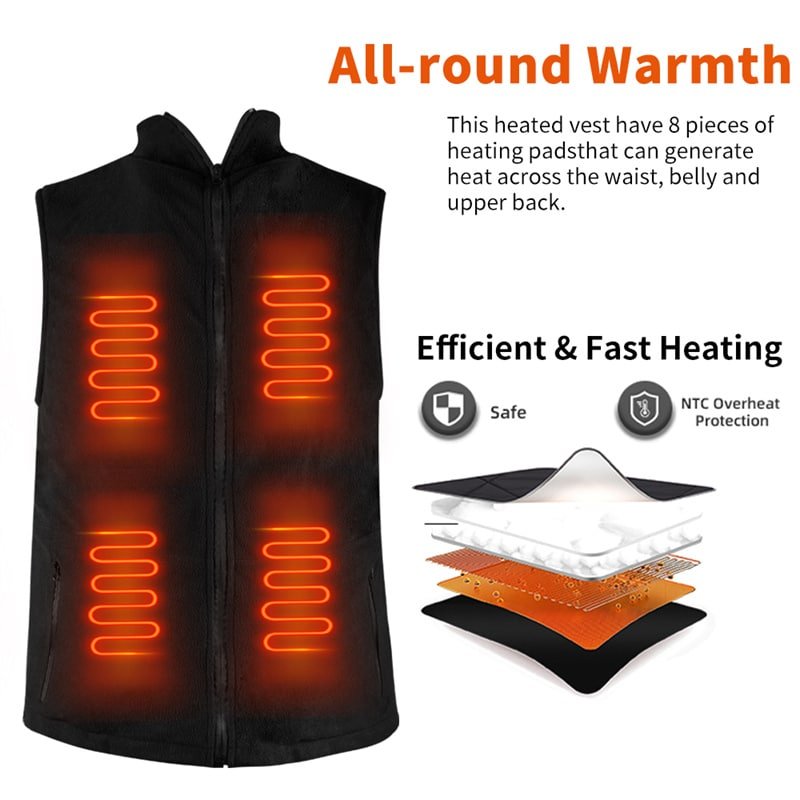
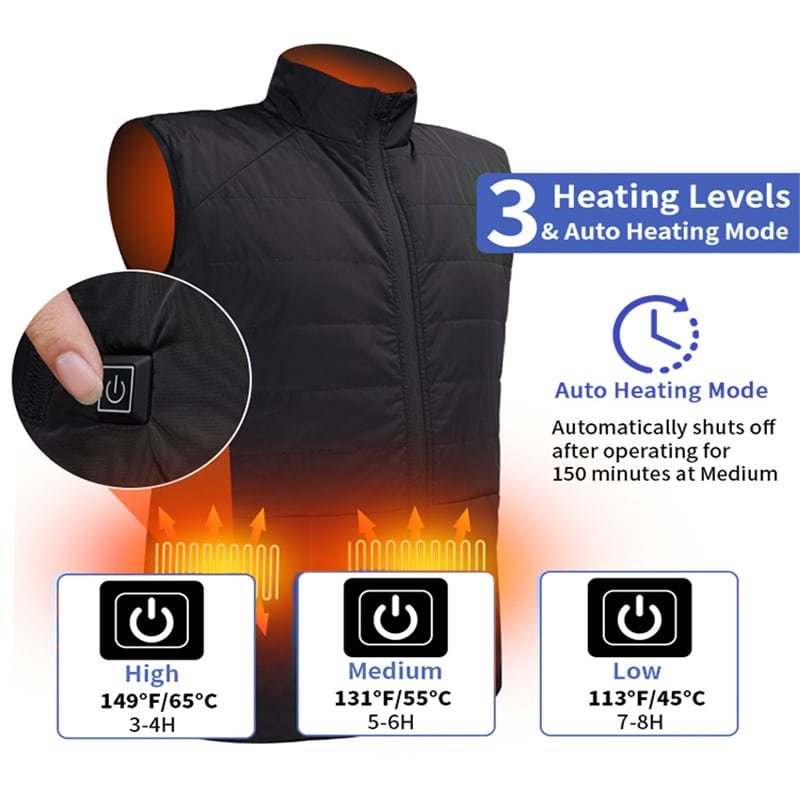
battery powered heated vest with 8 heating pads providing all round warmth across chest waist belly and upper back with fast heating system
Battery powered heated vest featuring 8 heating pads that deliver all-round warmth across the chest, waist, abdomen, and upper back. The fast heating system with NTC overheat protection ensures safe and efficient heat distribution while optimizing heated jacket battery runtime.

Structural Differences Between Heated Jackets and Heated Vests

Heated jackets and heated vests differ fundamentally in structure, impacting both user experience and production feasibility.

Heated jackets incorporate sleeves, requiring additional heating elements and insulation across the arms, while vests eliminate sleeves entirely for a simpler, lighter design. This leads to variations in heating zone coverage, overall garment weight, and insulation requirements.

FeatureHeated JacketHeated Vest
Sleeve coverageFullNone
Heating zonesCore + sleeves (optional)Core only
WeightHeavierLightweight
InsulationHigher (often thicker fabrics for wind/water resistance)Moderate (focus on core retention)

These structural choices influence everything from material selection to final fit testing in manufacturing.

Heating System Integration Complexity

Integrating the heating system is significantly more complex in heated jackets than in vests due to extended wiring and component routing.

Jackets demand longer wiring paths through sleeves, increasing the risk of flex fatigue and requiring more robust strain relief. Battery placement must balance weight distribution across a larger garment, while power load rises with additional heating surface area. Vests simplify routing, reduce power demands, and limit testing scope to core zones.

Integration FactorJacketVest
Wiring routingMore complex (sleeves add length/flex points)Simpler (core-focused)
Power consumptionHigher (more surface area)Lower
Battery sizeLarger capacity neededSmaller capacity sufficient
Testing scopeBroader (full arm coverage, flex cycles)Moderate (core only)

Brands evaluating custom heated jacket OEM capabilities should factor in these added engineering steps early in development.

For brands exploring full product-line development capability, including detailed circuit routing and endurance validation, consider OEM heated jacket services to assess production readiness.
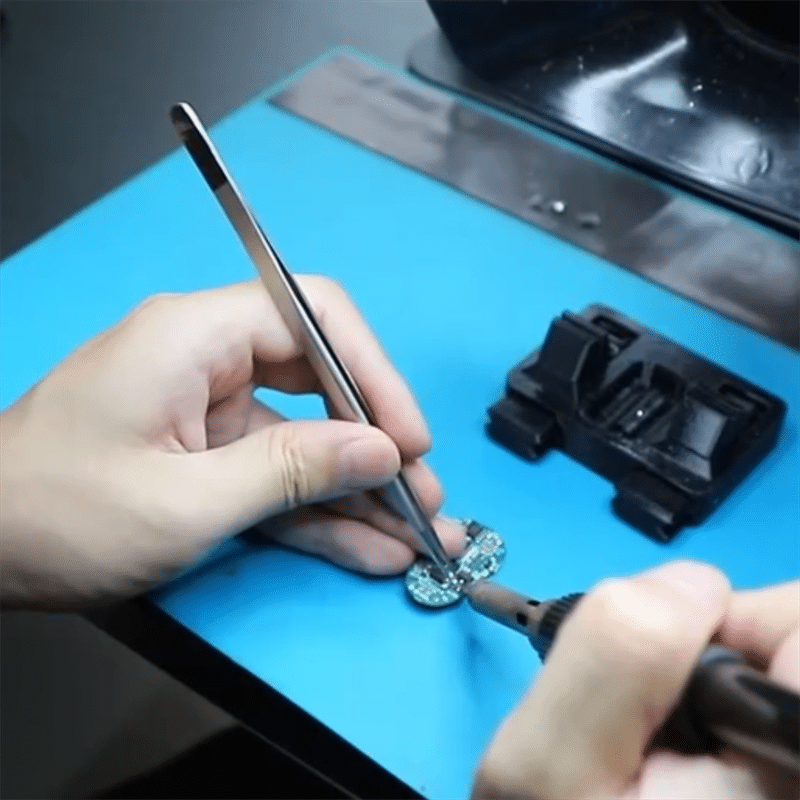
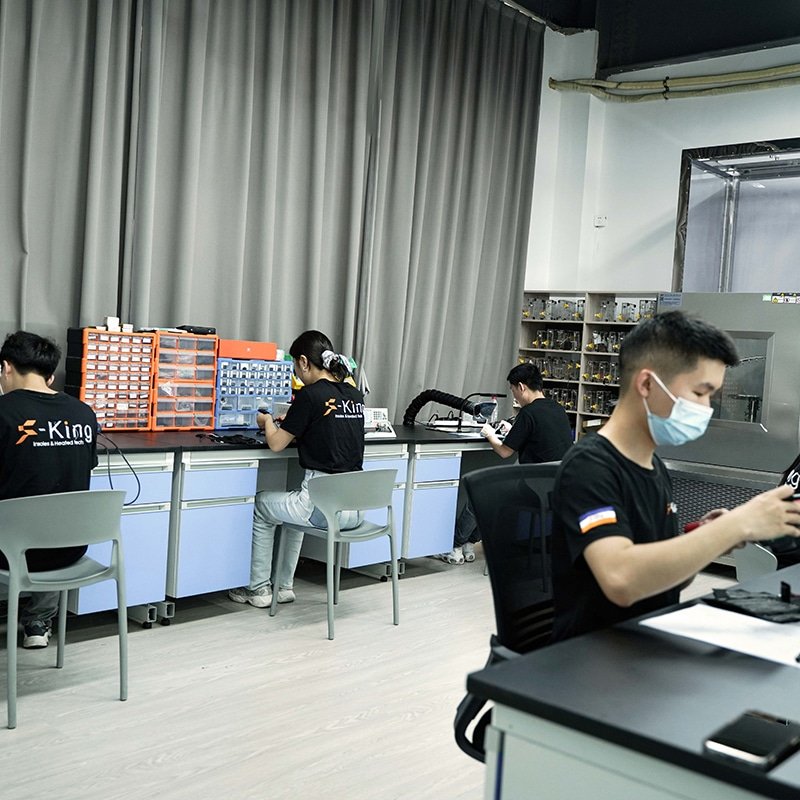
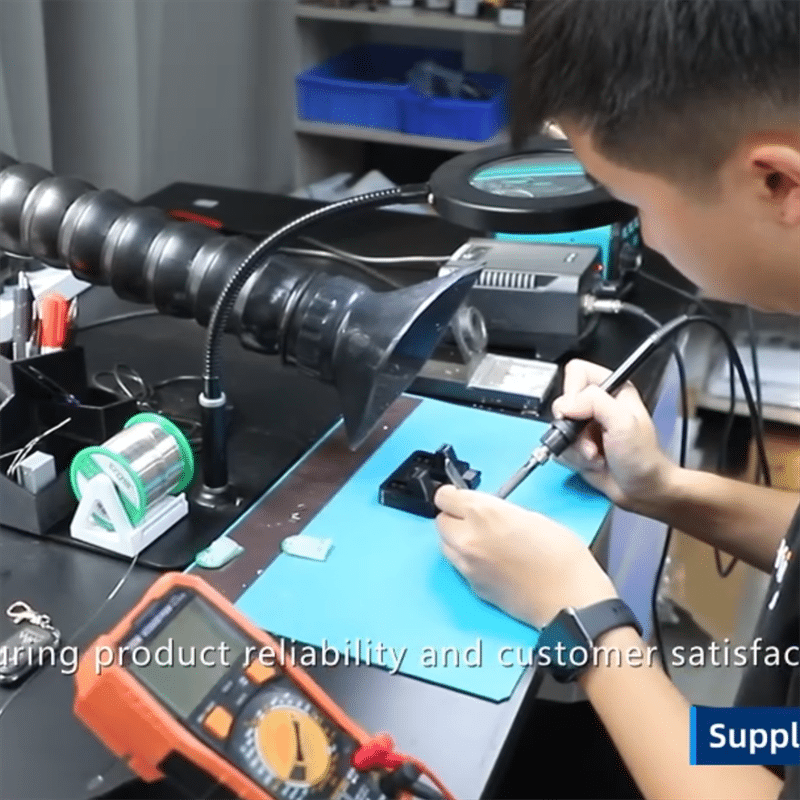
Engineer soldering PCBA board for heated apparel electronics and heated clothing temperature control system
Technician performing precision PCBA soldering and assembly for heated apparel electronics development. The process ensures reliable circuit connections for heated clothing controllers, battery-powered heating systems, and smart temperature control modules used in heated jackets, gloves, socks, and insoles.

Cost & Pricing Structure Comparison

Heated jackets carry higher manufacturing costs across multiple components, directly affecting pricing strategy and margin potential.

Additional fabric for sleeves, more heating element material (carbon fiber or film), and increased assembly labor for wiring and sealing drive up costs. Vests use less material overall and simpler stitching patterns. Market perception often positions jackets as premium full-coverage solutions, supporting higher retail pricing.

Cost ComponentJacketVest
Fabric usageHigher (sleeves + extended body)Lower
Heating element quantityMore (core + arms)Less (core only)
Assembly complexityHigher (wiring, sealing)Moderate
Retail pricing potentialHigher (premium positioning)Mid-range

Heated jacket manufacturing cost typically exceeds vests by 30–60%, depending on insulation level and features.
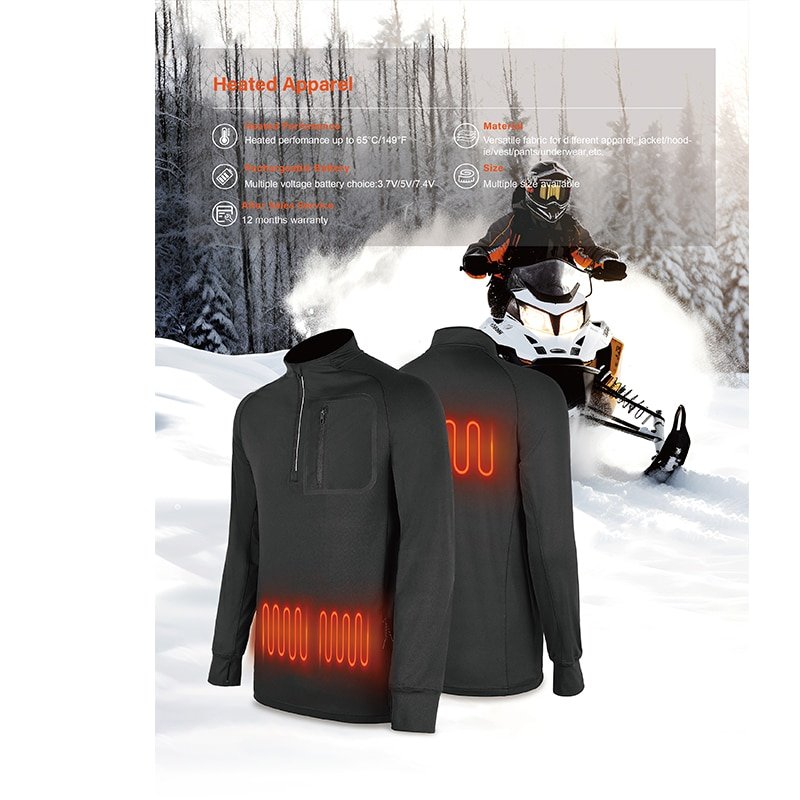
heated apparel with smart temperature control circuits and PCBA heating system for stable warmth in heated wearables
Heated apparel equipped with advanced temperature control circuits and PCBA heating systems designed to deliver stable and consistent warmth. Smart heating control technology uses temperature sensors and real-time feedback to regulate heat output, improving comfort, safety, and power efficiency in heated wearables such as heated jackets, heated gloves, and heated clothing used in cold outdoor environments.

Market Positioning & Brand Strategy

Heated jackets align with premium winter sports and extreme-weather positioning, while vests suit industrial, workwear, and entry-level heated apparel lines.

Jackets convey comprehensive protection, appealing to brands targeting ski, snowboard, or mountaineering segments where full-arm warmth justifies higher price points. Vests position well in workwear markets (construction, warehousing) and as versatile mid-layers for active users prioritizing mobility.

Battery Efficiency & Runtime Differences

Battery efficiency favors vests due to lower power draw from reduced heating surface area.

Jackets require larger-capacity batteries to maintain runtime across more zones, especially on high settings. Vests extend runtime with the same battery by concentrating energy on core areas critical for thermoregulation.

Runtime FactorJacketVest
Average power loadHigherLower
Typical runtime4–8 hrs (varies by setting)6–10 hrs (varies by setting)
Battery sizeLargerSmaller

Real-world performance shows vests often achieving longer effective warmth in active scenarios.

Which Product Is Better for Your Brand?

The better choice depends on your brand’s stage, target segments, and long-term goals.

  • New startup brands — Start with heated vests for lower entry barriers, simpler production scaling, and faster market testing with reduced risk.
  • Established winter brands — Heated jackets provide stronger differentiation in premium outdoor segments, supporting higher average order values and brand elevation.
  • Industrial workwear suppliers — Vests often win for layering compatibility, mobility in active trades, and cost-effective bulk production.
  • Motorcycle gear brands — Jackets edge out for full coverage against wind chill, though vests work as under-layers in modular systems.

Evaluate based on your core customer activity level, price sensitivity, and supply chain capacity.

Conclusion — Product Strategy Should Align With Market Goals

Heated jackets offer broader application across static cold exposure and premium positioning, while vests provide a lower barrier to entry with advantages in mobility and efficiency.

Long-term growth in heated apparel often favors full-coverage products like jackets for expanded market reach and perceived innovation, but vests remain strategic for quick launches and specific niches. Align the choice with your target segments, cost targets, and development resources for sustainable brand positioning.
Ready to Build Your Custom Heated Products?

Work with Dr. Warm’s expert engineering team to develop high-performance heated gloves, socks, and apparel — from concept to mass production.

Leave a Comment

Your email address will not be published. Required fields are marked *

Don't Miss A Post

Get blog updates sent to your inbox

Related blogs

The rechargeable battery pack of Dr. Warm heated insoles being charged via a USB cable.

Carbon Fiber vs Heating Film in Heated Insoles: Which Is Better?

Carbon fiber and heating film are the two most common heating technologies used in heated insoles. While both operate through electrical resistance, they differ in flexibility, durability, heat distribution, and cost structure. This guide explains the key engineering differences to help brands and sourcing managers choose the most suitable heating system for their product strategy.

technician assembling and testing PCBA electronics for heated apparel temperature control systems during in-house heated product development

Heating Film vs Carbon Fiber in Heated Socks

Heating film and carbon fiber are two common heating technologies used in heated socks. This guide explains their structural differences, performance characteristics, durability factors, and manufacturing implications to help brands choose the right heating system for their product positioning and long-term reliability.

battery heated vest with three heating levels and smart temperature control for winter outdoor activities

Heated Jackets vs Heated Vests: Which Is Better for Your Brand?

Heated jackets and heated vests serve different market needs and present distinct manufacturing and cost considerations. This article compares heating coverage, battery integration, price positioning, and production complexity to help brands determine which product category better aligns with their strategic goals.

Carbon Fiber vs Heating Film in Heated Jackets: A Complete Comparison

Carbon fiber and heating film are the two primary heating technologies used in heated jackets. This article provides a complete comparison of carbon fiber vs heating film, examining durability, flexibility, thermal distribution, battery efficiency, and manufacturing complexity to help brands select the most suitable heating system for their product strategy.

engineers working on heated clothing electronic components and heating system assembly in R&D workshop

Carbon Fiber vs Heating Film Heating Elements: Which Is Better for Wearables?

Carbon fiber and heating film are two widely used heating element technologies in wearable electric heating products. This article compares their materials, structural characteristics, and performance differences to help OEMs and engineers determine which heating element type is better suited for specific wearable applications.

Product image emphasizing the “Custom Manufacturer” capability for producing specialized fingerless heated gloves for hunting and tactical markets.

How Heating Elements Work in Heated Gloves

Heating elements in heated gloves generate warmth through electrical resistance, with materials like carbon fiber and graphene film converting power into heat for fingers and palms. The differences lie in flexibility, efficiency, and distribution—carbon fiber offers durability, while graphene provides even, fast heating. These technologies impact overall performance, safety, and comfort, making the right choice essential for effective winter gear.

Heated Apparel Battery and Heating Element Testing Before Mass Production

Carbon Fiber vs Heating Film vs Heating Wire: Which Heating Element Is Best for Heated Clothing?

In the world of heated apparel, carbon fiber heating elements, graphene heating films, and heating wires vary significantly in heat output, flexibility, and longevity. Carbon fiber offers superior durability for demanding uses, while graphene film excels in even heating and efficiency; heating wire remains a budget-friendly but less reliable option. The best heating element for heated clothing depends on your needs—whether prioritizing comfort, cost, or rugged performance in items like jackets or gloves.

Inside a modern, clean factory workshop dedicated to producing heating elements for custom apparel, showing automated equipment and quality control stations.

What Is the Best Heating Element for Custom Apparel?

When selecting the best heating element for custom apparel, graphene heating film excels in efficiency and lightness, while carbon fiber offers superior durability. Understanding differences in heating speed, flexibility, and cost helps optimize performance for heated jackets, gloves, and vests. For OEM projects, the right choice balances safety, battery life, and application needs.

Detailed schematic or 3D render of a carbon fiber heating element embedded in fabric, showing its thin, flexible, and woven structure.

Carbon Fiber vs Heating Film vs Heating Wire: Which Heating System Is Better?

When choosing between carbon fiber heating, heating film technology, and traditional heating wire systems, each offers unique benefits in heat distribution, durability, and efficiency. This comparison breaks down their technical differences to help buyers select the best heating element for heated clothing like jackets or gloves. Understand which performs best in real scenarios, from skiing to outdoor work, for optimal warmth and longevity.

Scroll to Top