
Introduction — Why Battery Technology Determines Heated Apparel Performance
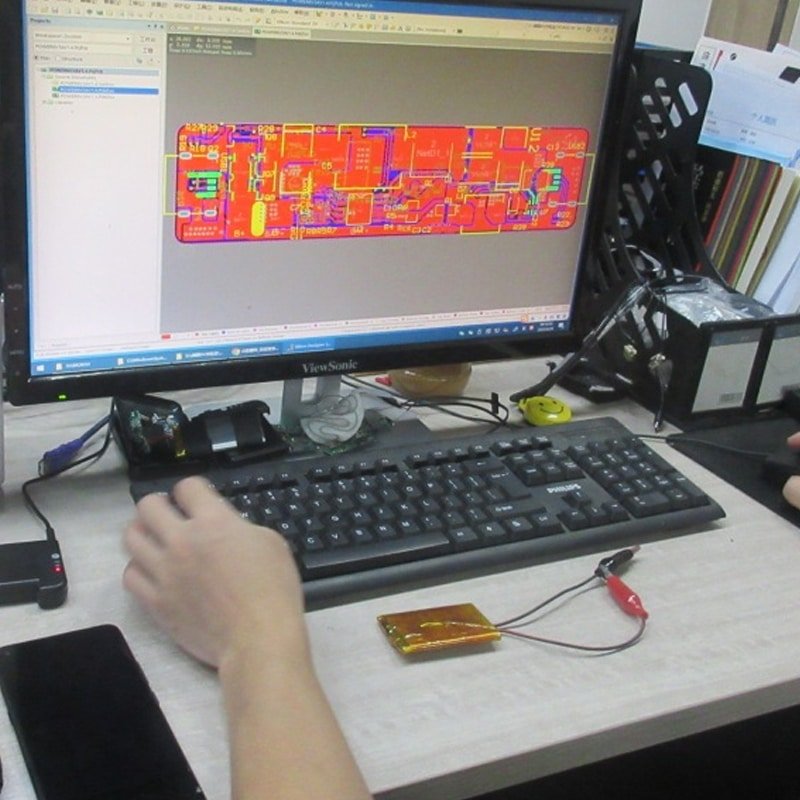
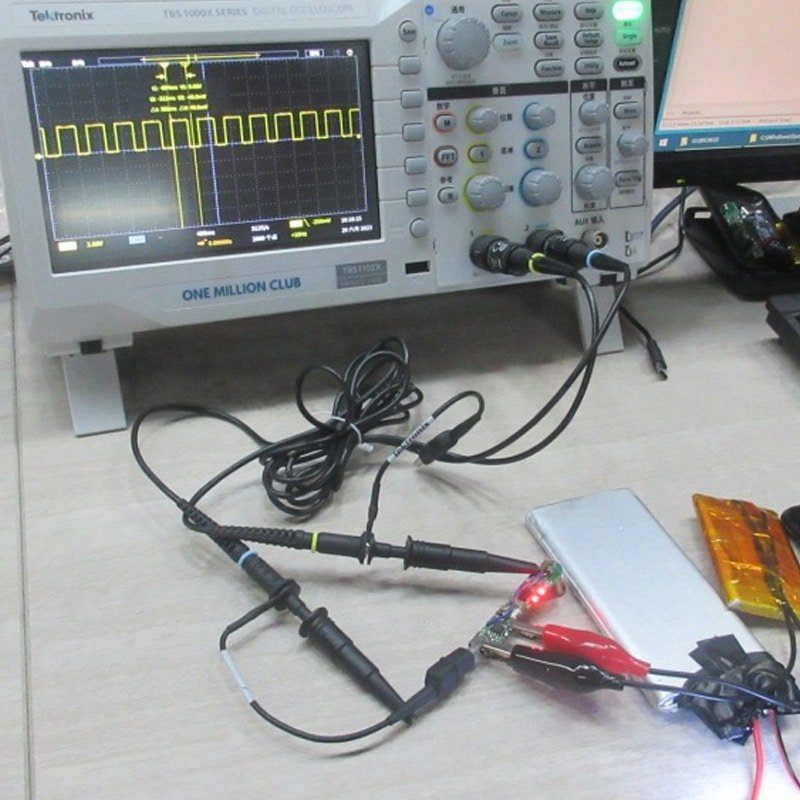
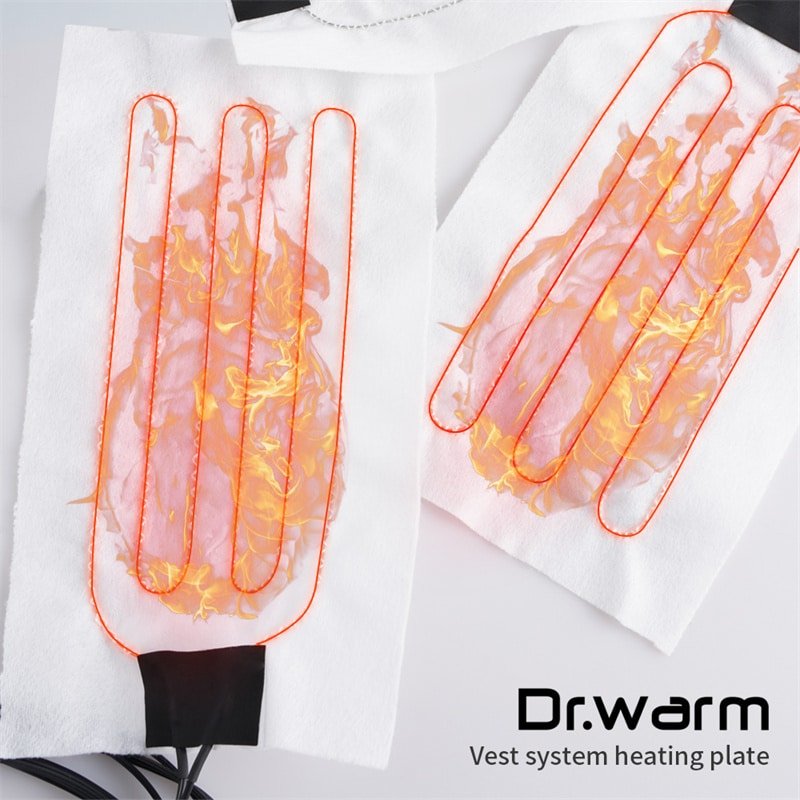
The battery in hot garments is more than a power source, it is a power source that produces heat, extends the operating time, maintains the temperature, and is safe. Having worked many years as a battery engineer advising on the development of heated gear in factories, I have experienced the effects of a properly selected pack to make a jacket feel like a portable furnace, and vice versa. Such a process as the use of the heated clothing battery technology affects the efficiency of factors such as carbon fiber pad to convert the energy, particularly in the freezing temperatures where cold kills efficiency. Weak batteries result in ineffective heating of gloves when making a long hike or short circuiting of the vest in the workplace. When this is done right, it will guarantee clothing that is not only warm but also durable and safe, based on my practical experiment with the technology where the run time was reduced by 30 per cent in sub-zero temperatures without the right technology.
The Three Battery Factors That Impact Heated Clothing Most
At the very beginning, consider these central factors that determine performance of heated apparel battery- them are make or break choices of any design.
1 — Capacity (mAh and Wh)
Capacity has a direct impact on runtime and maintains heating intensity to limit rapid drainage in high-use applications.
2 — Voltage (5V / 7.4V / 12V)
Voltage sets the temperature上限 and heating speed, with larger values providing more power to elements.
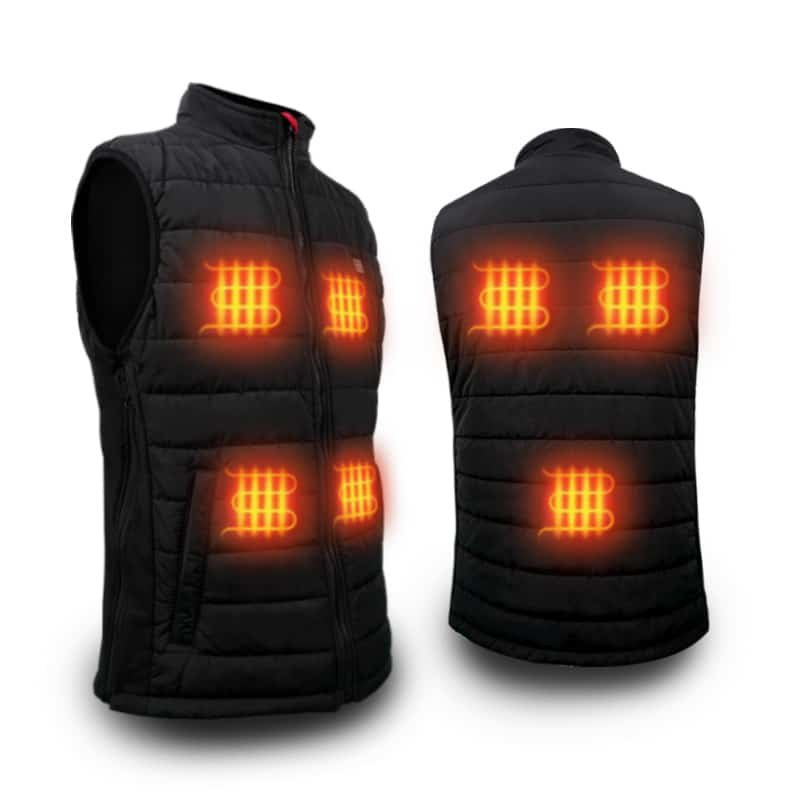
3 — Safety Systems (BMS Protection)
Safety systems such as BMS prevent failure and no threats of overheat or short circuit are involved in wear.
Understanding Battery Capacity — mAh vs Wh (and Which One Matters)
Capacity is misconstrued, yet in warm-up clothes, capacity refers to practical power output. I have made packs efficient in the line of ski gloves where a bad estimate of this resulted in cold fingers on the run.
What mAh Really Means
mAh (milliamp-hours) is used to indicate the size of the battery in current flow hours, but all by itself it cannot determine the duration of heated clothing run time, with a 10,000mAh pack at low volts possibly underperforming a smaller pack at high volts.
Why Wh Is the Only Accurate Measurement
True capacity Use Wh (watt-hours) = (mAh / 1000) x Voltage. This takes into consideration the power delivery; power delivery in a 5000mAh (37Wh) heated vest test showed that a 7.4V 5000mAh (37Wh) pack lasted longer than a 5V 10000mAh (50Wh) pack because of losses in efficiency. Correctly applying this calculation is critical for predicting real-world performance across different settings and environments — see our practical guide on how to calculate battery capacity for heated clothing projects for examples and methodology.
How Capacity Affects Runtime
An increase in Wh leads to an increase in runtime at constant setting–the effect of battery capacity on the boils of heated clothing reduces to the compromise between draw (e.g. 10-20W to boil jackets) and stored energy.
Typical Capacity Ranges
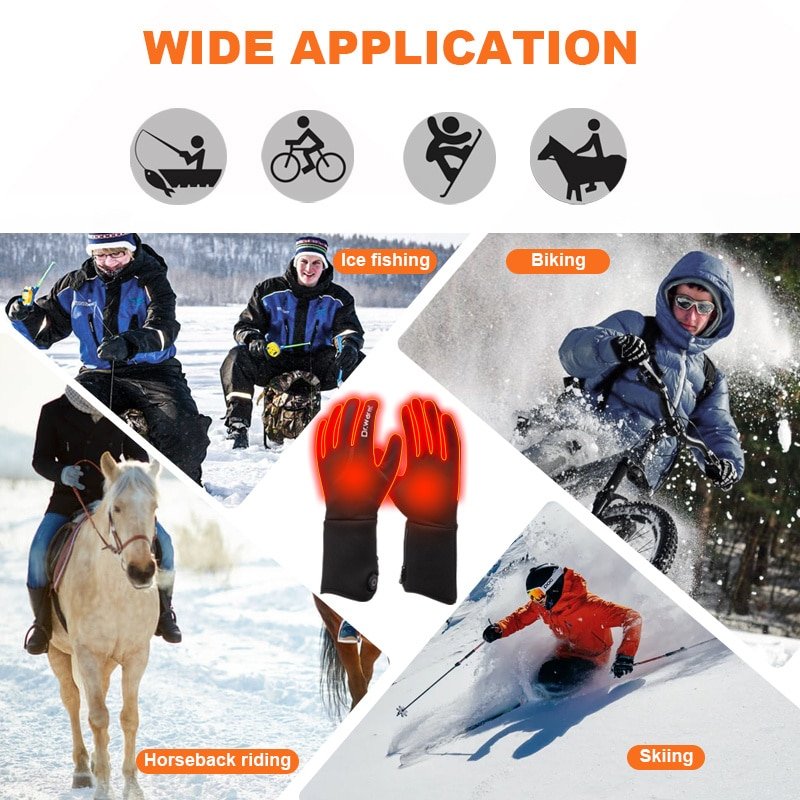
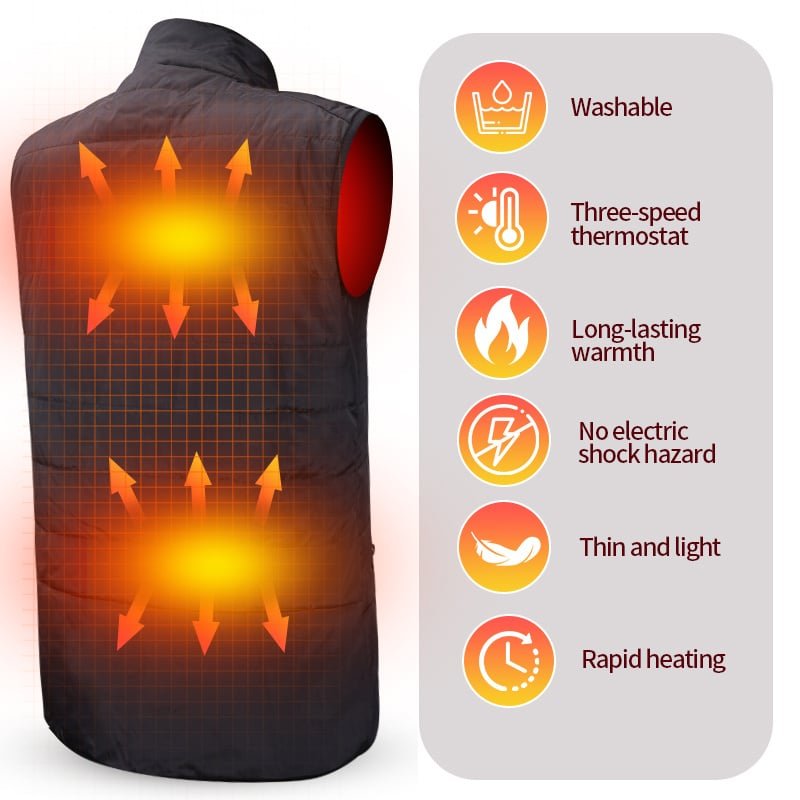
Jackets: 5-15,000 mAh at 7.4V to keep you warm all day long.
Gloves: Two thousand and three thousand Ah on each hand to keep weight down.
Vests: 5,000-10,000 mAh for torso focus.
Socks: 1,500-2,500 mAh for compact fits.
Voltage Differences — 5V vs 7.4V vs 12V Battery Systems
Voltage is the heat throttle, I have designed systems where the difference between 5V and 7.4V made the difference between warm and cold prototypes.
5V (USB System)
Entry-level entries are low heat output (30-40 degC), slow warming (5-10 mins) and indoor or light application such as office vests- 5V vs 7.4 V vs 12 V heated apparel battery indicate this.
7.4V (Most Common)
Heat + runtime (45-55degC) Balanced, is a good match with jackets, gloves, vests and stable performance in winter- a sweet spot with commuters every day.
12V (High-Performance System)
Heat maximum (up to 60degC), perfect on motorcycle garb or factory clothes, but heavier battery capacity with lower temperature potential- awesome in sub-zero work but wears out faster. Choosing the right voltage depends on your heating elements, target temperature, and runtime goals — our detailed comparison of 7.4V vs 12V batteries for heated clothing explains the practical trade-offs for different applications.
Battery Cell Type — Lithium-Ion vs Lithium-Polymer
Form and function- cell choice can make or break the difference between a garment that is clumsy or smooth- lithium-ion vs lithium-polymer heated clothing.
Lithium-Ion (18650 Cells)
Greater capacity, dependable thermal stability, and most prevalent in heated jackets in strong energy cylindrical packs.
Lithium-Polymer (Pouch Cells)
Lightweight and thin, flexible designs, and fit in gloves and insoles to have slim profiles at the expense of power.
How Cell Type Affects Performance
They differ in runtime, safety, thickness and durability with lithium-ion being sturdier in cold and polymer bending as movement in socks. The right cell technology also influences design flexibility, weight distribution, and cold-weather behavior — see our full comparison of lithium-ion vs lithium-polymer batteries for heated clothing for guidance on selecting the best option for your product.
Battery Safety Systems That Matter in Heated Clothing
Safety is not an option, but a component of it. I have discarded packs that do not have the right guard to prevent instances at the field during factory audits.
BMS (Battery Management System)
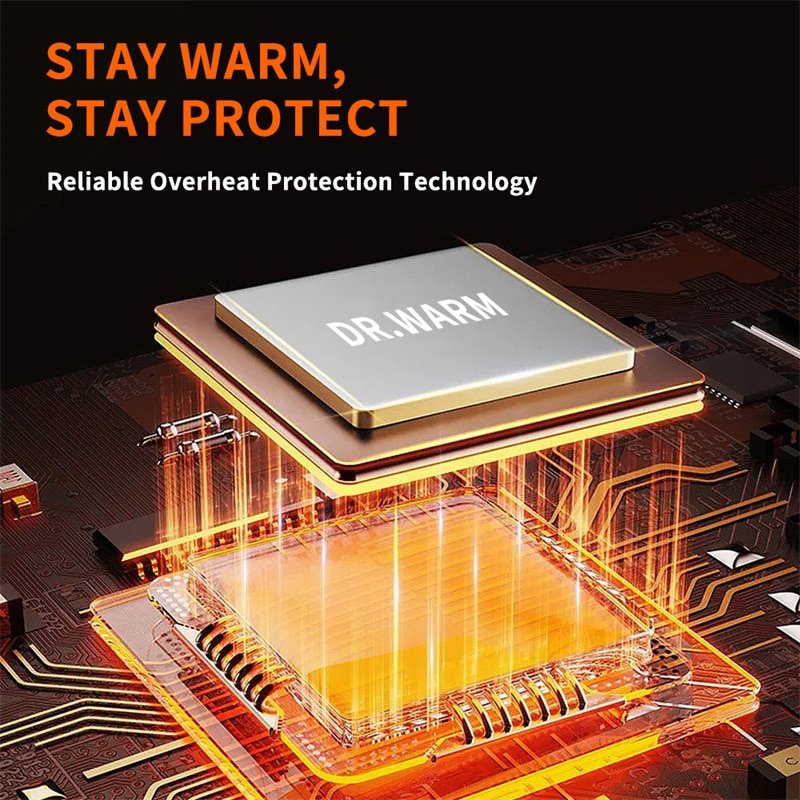
Wearable electronics BMS protection features are overcharge, over-discharge, short circuit, overcurrent and thermal runaway protection – necessary in jackets where heat may accumulate against the human body.
Certifications Required
UN38.3 (required in shipping), CE, FCC, and RoHS-battery certification on heated clothes makes sure that it is globally compliant.
Why Cheap Batteries Are Dangerous
Bad BMS – overheating – fire hazard; I have witnessed a test of uncertified packs swelling, which could cause burns to gloves. Proper protection systems are essential to prevent these risks in wearable applications — our guide to battery safety for heated apparel details BMS features, required certifications, and manufacturing best practices.
How Battery Technology Directly Impacts Heating Performance
Batteries determine the current of energy- efficiency of the battery systems in the jacket can turn specifications into actual warmth.
Heat Output = Voltage × Current
Greater voltage – greater temperature – 12V pack cranks better than 5V, but must be carefully run to avoid overheating.
Heat Stability
Increased battery performance = uniform temperature throughout the zones, without decreases in vests with wind.
Runtime at Low Temperatures
Cold has an impact on battery chemistry; high capacity battery packs in jackets that are heated, using quality cells, lose only 10-20% below freezing.
Fast Heating vs Slow Heating
Speed of heating is dependent on voltage + current through battery- 7.4V systems heat gloves in 2 minutes, compared to the lag of 5 V.
Realistic Runtime Expectations for Heated Clothing
Cold-chamber tests point to the following: battery life calculation due to factors of heated clothes to draw and environment.
Heated Jackets
High: 2–3h, Medium: 4–6h, Low: 7–10h—ample for a workday.
Heated Gloves
High: 1.5–2.5h, Medium: 3–4h, Low: 5–6h—heated gloves battery life suits short bursts like cycling.
Heated Socks
2–5 hours depending on voltage—micro packs limit but suffice for hikes.
Heated Vests
Longer runtime as torso needs less power—up to 12h on low.
OEM Perspective — How to Choose the Right Battery for a Heated Apparel Project
In OEM development, the first step is battery selection, I have managed developments through concept to production. Selecting and integrating the right battery technology early in the process has a major impact on final product performance, cost, and compliance. Our OEM/ODM heated apparel solutions provide complete support from battery specification and custom pack development through to full heated clothing manufacturing.
Step 1 — Define Heat Requirements
Mild warmth or high-performance?—Match customer applications such as skiing.
Step 2 — Match Voltage to Heating Elements
Additional comparison between film and carbon fiber and wire at the voltage level shows higher heating efficiency at 7.4V with carbon fiber.
Step 3 — Decide Expected Runtime
Calculate via Wh against draw.
Step 4 — Evaluate Battery Weight & Size
Comfort and weight-heavy 12V packs are appropriate to jackets, not to gloves.
Step 5 — Confirm Safety Certifications
Aim at the safety of batteries used in heated garments with tested BMS.
Step 6 — Test Battery Performance in Cold Weather
Simulate -10degC to verify.
Common Battery Mistakes Brands Should Avoid
Weaknesses I have resolved in consultations:
Only Looking at mAh (Ignoring Voltage)
Results in low-heated clothing run time.
Using Cheap Uncertified Batteries
Risks safety and compliance.
Underestimating Runtime Needs
Shortchanges users in cold.
Choosing 5V Systems for Winter Outdoor Use
Insufficient heat.
Ignoring Cold-Weather Battery Performance
Causes unexpected drops.
Final Recommendations — How Brands Should Approach Battery Selection for Heated Clothing
To hone lithium batteries to cold clothes, learn capacity in Wh to measure energy properly, select voltage depending on heat requirement, 5V light, 7.4 V balance, 12 V power. Select certified, safe, well-built BMS, test runtime in actual cold conditions to simulate usage and weigh and wear easily, as well as user comfort. This is an engineering intensive mechanism that has provided gear that is attentively reliable and market ready as with successful lines that I have applied. For brands ready to apply these principles in real products, our battery solutions deliver custom battery packs and controllers engineered specifically for heated apparel performance, safety, and runtime requirements.