Blog

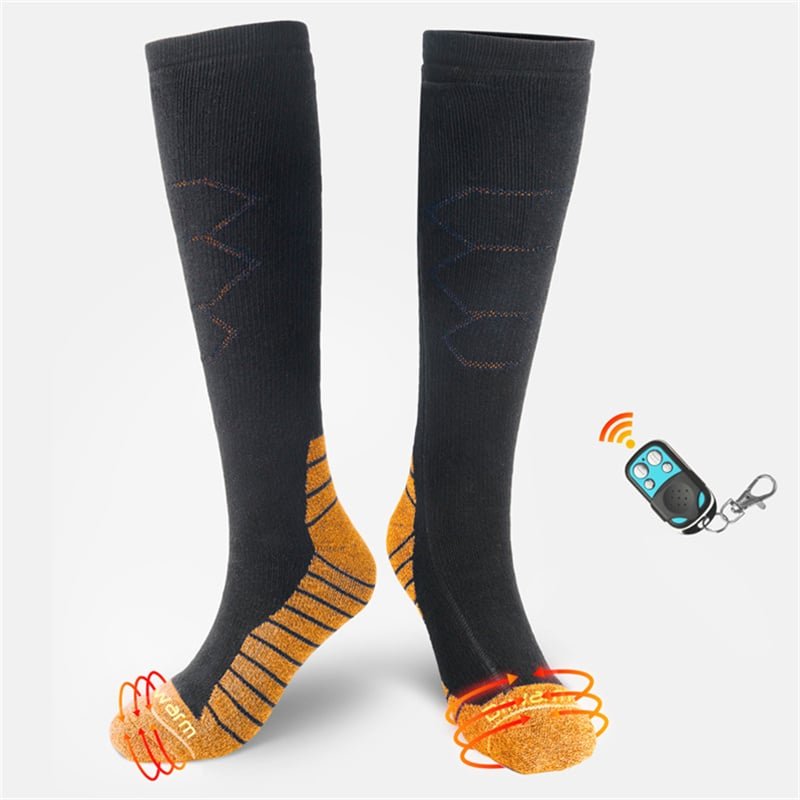
heating element efficiency factors in heated clothing including material layout resistance and heat transfer optimization
Blog

Why Packaging Design Should Consider Manufacturing from Day One

Many packaging projects fail during scale-up because manufacturing constraints are considered too late. This article explains why packaging design should account for manufacturing realities from day one, and how early alignment improves cost control, consistency, and long-term production stability.
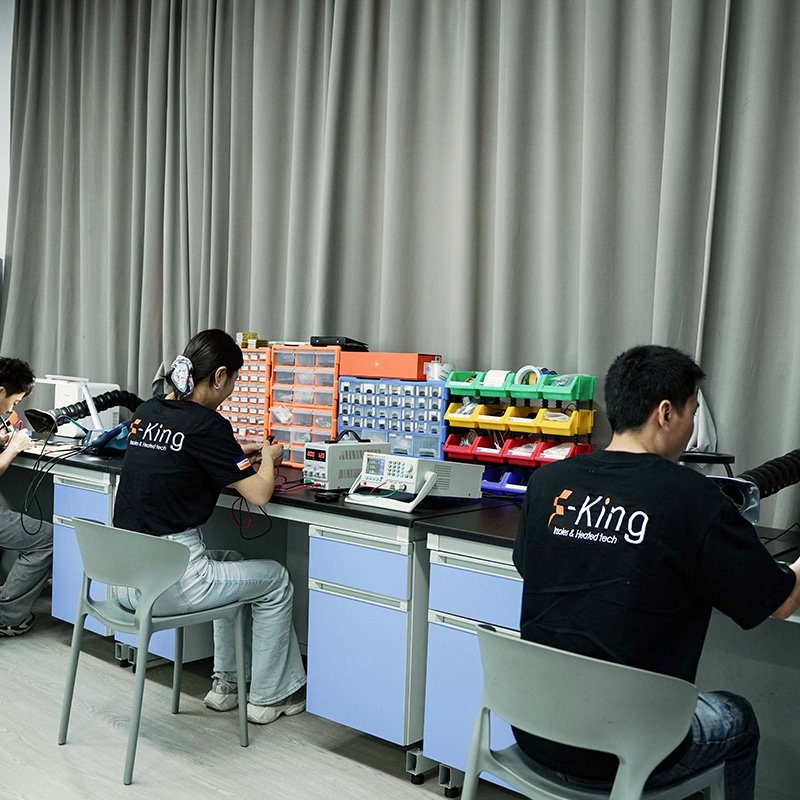
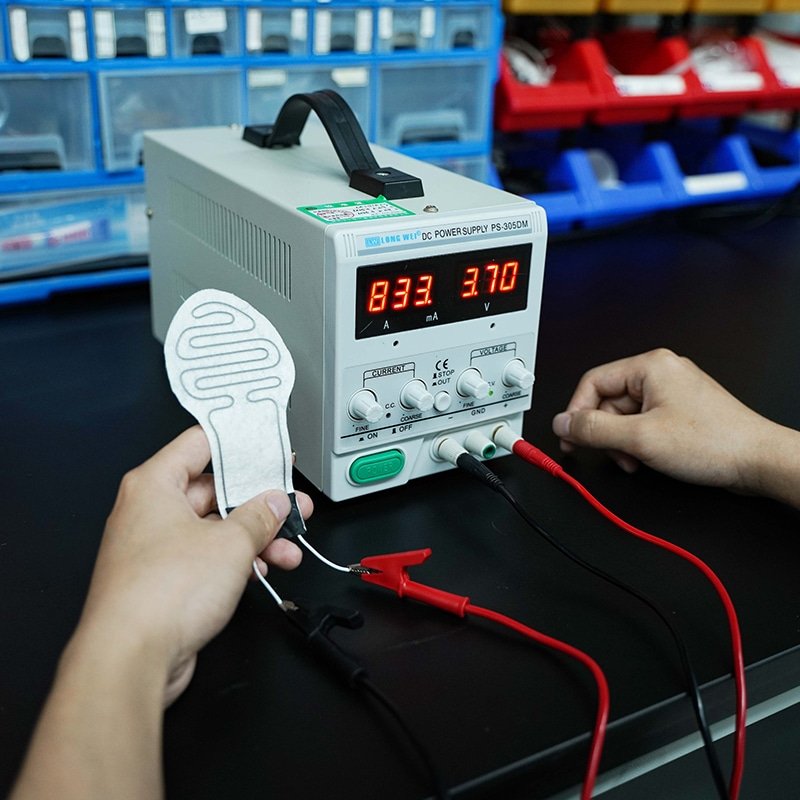
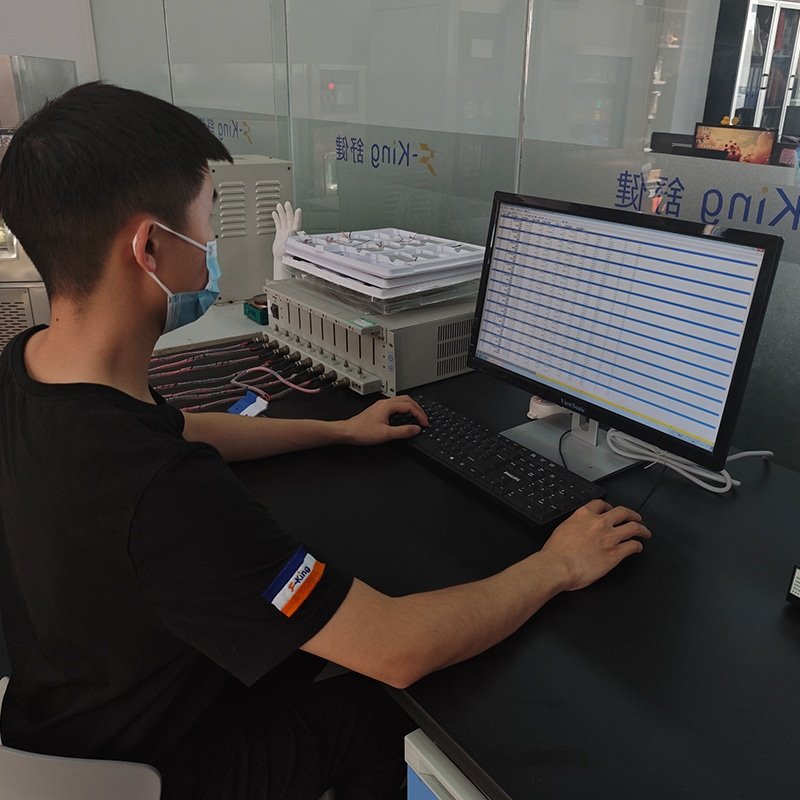
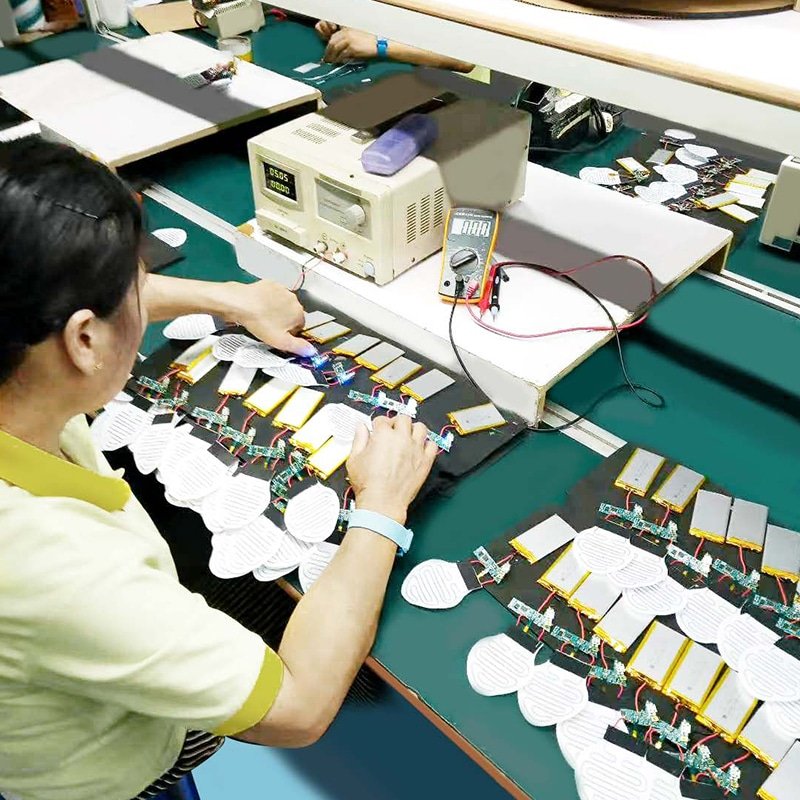
factory technician assembling and testing battery packs and heating pads for battery powered heated clothing systems
Blog

How to Evaluate Quality in Custom Heated Insoles Production

Evaluating quality in custom heated insoles production involves more than inspecting finished samples. From battery safety validation and heating element testing to process stability and structured quality control systems, this guide explains how brands and sourcing managers can assess manufacturing reliability and reduce long-term performance and compliance risks.

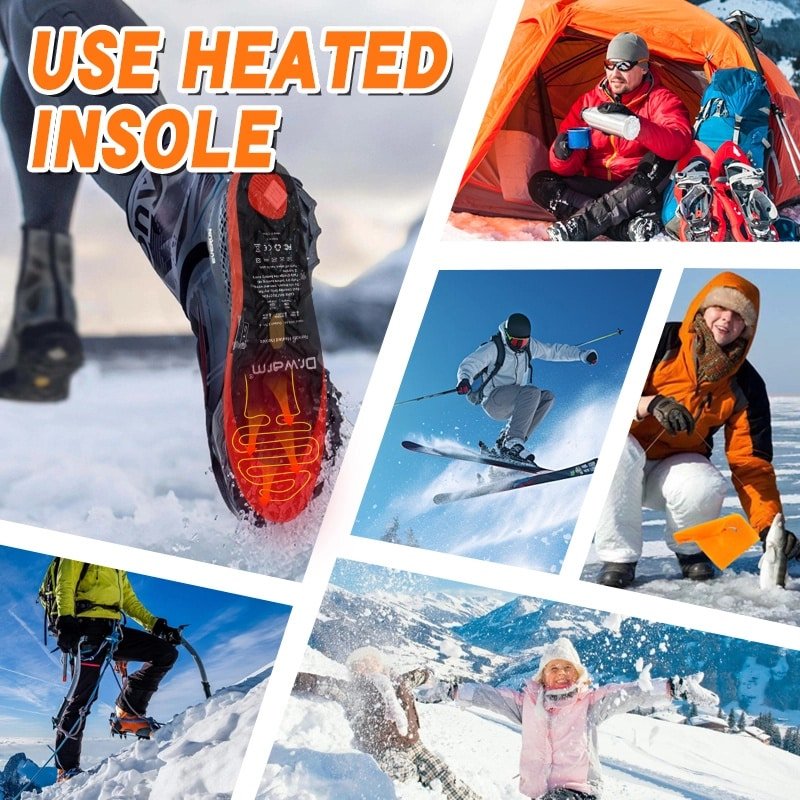
Simple instructional graphic with the text “USE HEATED INSOLE”, demonstrating the basic concept of placing heated insoles inside winter boots or shoes.
Blog

Factory vs Trading Company: Who Should You Buy Heated Insoles From?

Choosing between a factory and a trading company when sourcing heated insoles affects cost transparency, engineering integration, battery safety control, and long-term production stability. This guide explains the structural differences between the two supplier types and helps brands determine which model aligns with their customization, compliance, and scalability requirements.
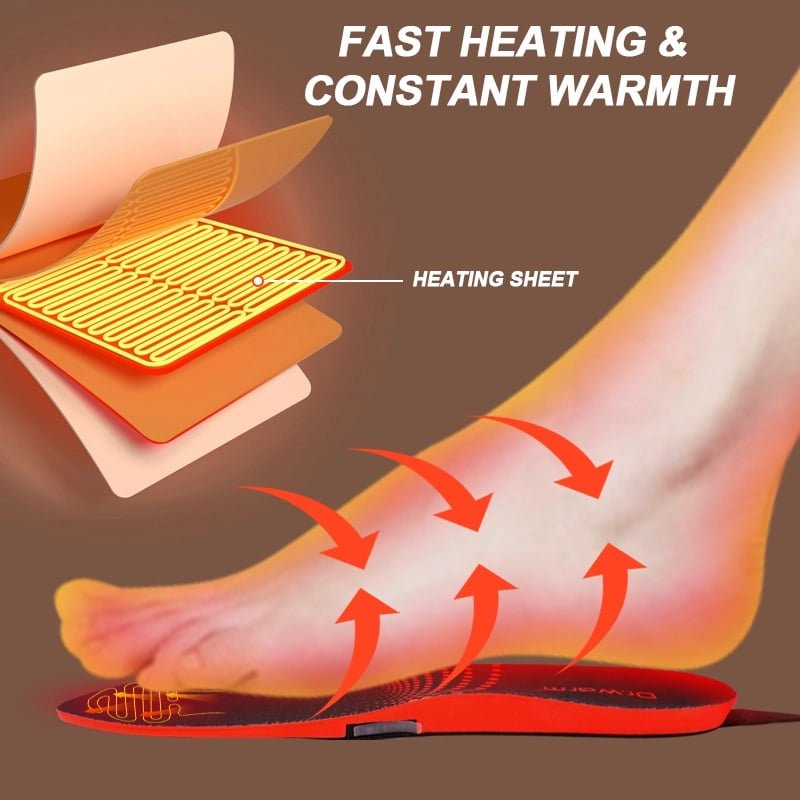
Visual representation of Dr.Warm insole’s fast-heating technology, showing the heating sheet that provides rapid and consistent warmth to the entire foot.
Blog

Common Mistakes When Sourcing Heated Insoles from China

Sourcing heated insoles from China involves more than comparing prices or reviewing samples. From lithium battery safety integration and heating system durability to compliance documentation and production consistency, this guide explains the most common sourcing mistakes and how brands can reduce long-term manufacturing and regulatory risks.

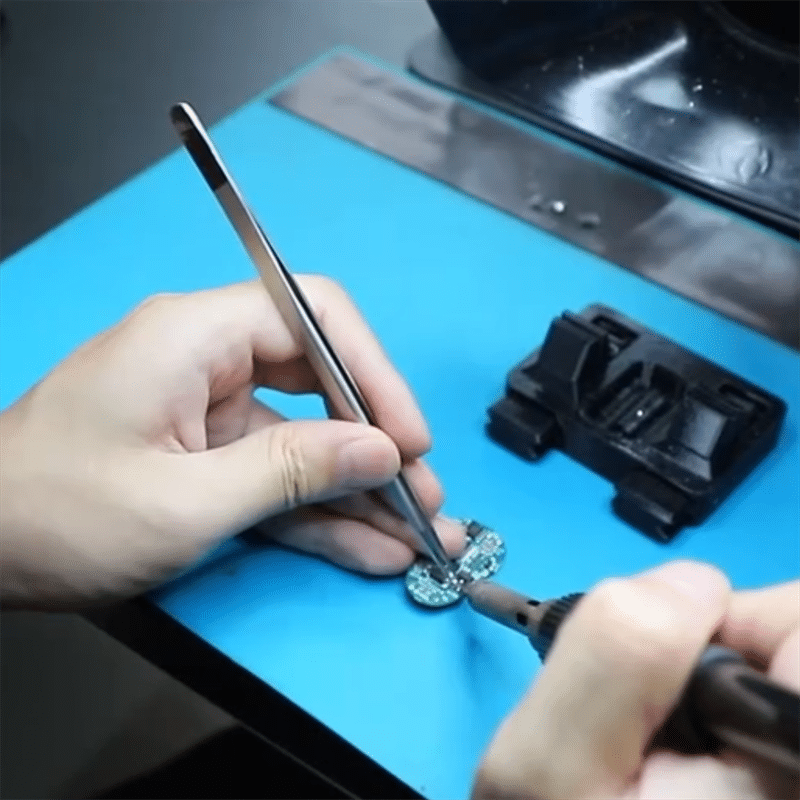
engineers developing custom PCBA controller design for heated clothing electronics and temperature control systems
Blog

Lithium Battery Safety Standards for Heated Insoles Manufacturers

Lithium battery safety standards for heated insoles manufacturers involve protection circuit integration, overcharge and short-circuit safeguards, UN38.3 transport validation, and production-level testing protocols. This guide explains the engineering and regulatory frameworks that ensure safe battery performance, stable heating output, and compliance with US and EU market requirements.

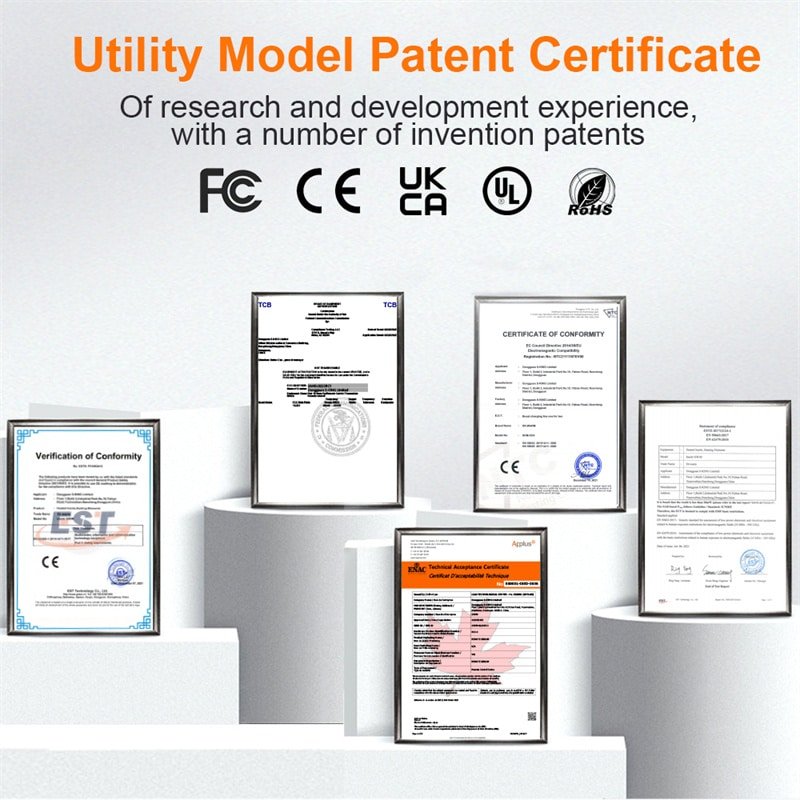
heated gloves manufacturer certifications CE FCC UL RoHS compliance lithium battery pack certification OEM factory patent certificates heated apparel
Blog

Certifications Required for Heated Insoles in US & EU Markets

Heated insoles sold in the US and EU markets must comply with electrical safety, electromagnetic compatibility, battery transport, and material restriction regulations. This guide explains key certifications such as CE, FCC, RoHS, and UN38.3, and outlines how proper compliance planning ensures smooth customs clearance and marketplace approval.

Simple instructional graphic with the text “USE HEATED INSOLE”, demonstrating the basic concept of placing heated insoles inside winter boots or shoes.
Blog

Heated Insoles for Motorcycle Riders: What Features Matter Most?

Heated insoles for motorcycle riders must perform reliably under wind chill, vibration, and extended riding conditions. From heating element durability and battery endurance to temperature control stability and structural reinforcement, this guide explains the key engineering features that determine performance and safety for cold-weather riding applications.

Scroll to Top