
Introduction — Why OEM/ODM Heated Apparel Development Requires a Full-System Approach
Creating heated clothing in OEM or ODM is not merely a case of stitching a piece of fabric with wires–it is a tricky mixture of electronics, materials science, and human-centered design, and requires a holistic perspective at the very beginning. Brands evaluating OEM/ODM heated apparel solutions should therefore approach development as a full system rather than a single product decision. Being an experienced product developer and having worked on dozens of outdoor brand projects, this is one of the lessons that I have had to learn; making it a system is to have heating components, batteries, controls and fabrics, interlocked together, to prevent failures such as even heat distribution or a short battery life. Not the way forward and you just happen to come up with prototypes that overheat during testing or production runs which are hounded by wiring problems. In winter gear brands, ODM provides custom innovation, such as app-controlled vests in skiers but OEM is able to scale known designs. For teams still comparing business models, understanding OEM vs ODM in heated apparel can make the early planning process much clearer. However, the key element is the collaboration: The team of engineers, designers, and quality control should coordinate the initial stages and balance the performance, safety, and cost. Having accolades such as CE and UL in play, this system-wide thinking mind ensures that you take your jacket development all the way through to realize products that will work in the real cold, and not on paper alone.
Stage 1 — Concept & Market Positioning (Brand Planning Phase)
Any successful project begins with a plain bottom, determining the purpose of it and what purpose it fulfills is the beginning of the success of the whole project.
Identify Target Users
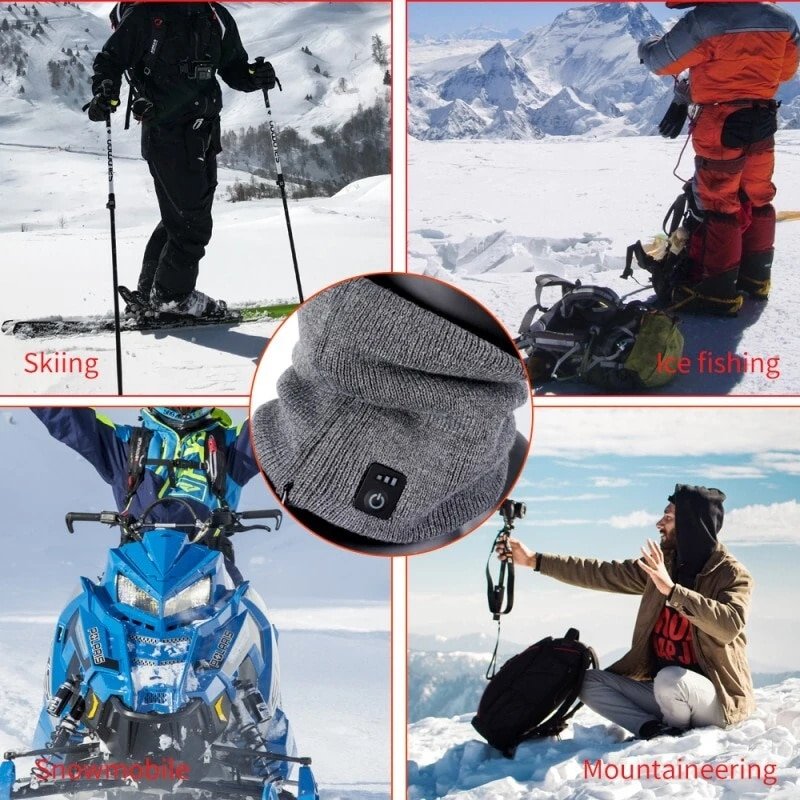
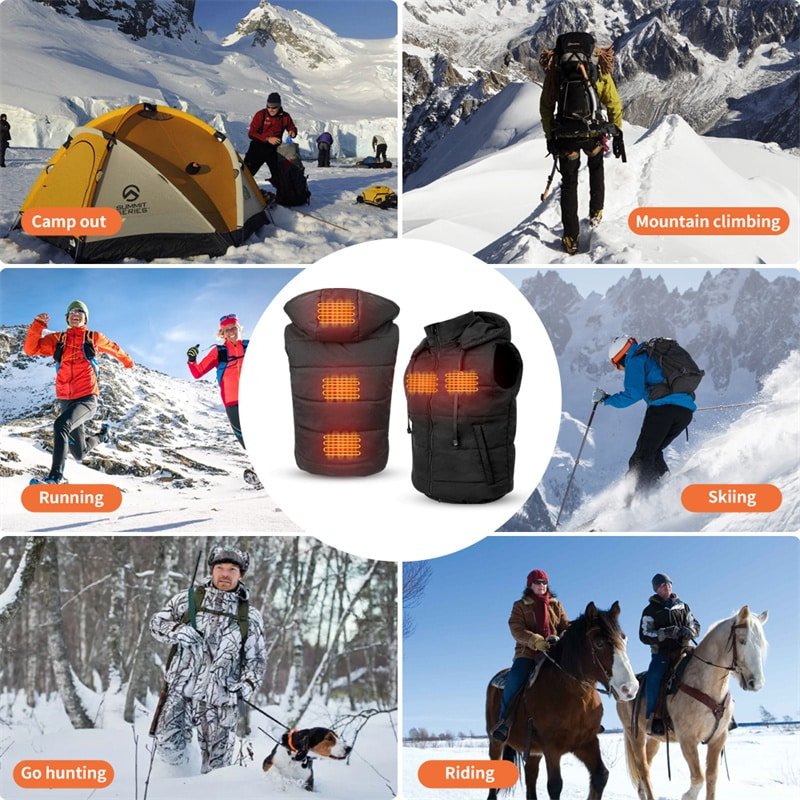
Identify your customers to inform features: Skiers require waterproof and grip-flexible dimensions on the slip, whereas hunters care about silent and low profile heating to prevent scaring of animals. For brands focused on heated apparel for winter sports, this user segmentation is especially important when defining product performance. The motorcyclists need the use of vibration resistant batteries to have their bikes on the road, and employees in cold storage require puncture proof materials to endure daily abuse. On a European ski brand ODM, we targeted urban commuters as well, and integrated touchscreen fingertips such that the phone could be used without taking gloves off, user feedback would dictate range of specifications such as heat zone or insulation level.
Product Category Selection
Choose jackets to stay warm in the core, vests to wear over, gloves to be dextrous, or socks to concentrate on feet. Brands prioritizing torso warmth and broad commercial demand often begin with custom heated jacket solutions before expanding into other categories. They all have their own peculiar difficulties’ jackets may require multi-zone heating, socks thin batteries. On the case of a hunting line we opted on the vests instead of the full jackets to minimize the size under the camo so that the manufacturer of the custom heated apparel could then modify the patterns in response.
Feature Prioritization
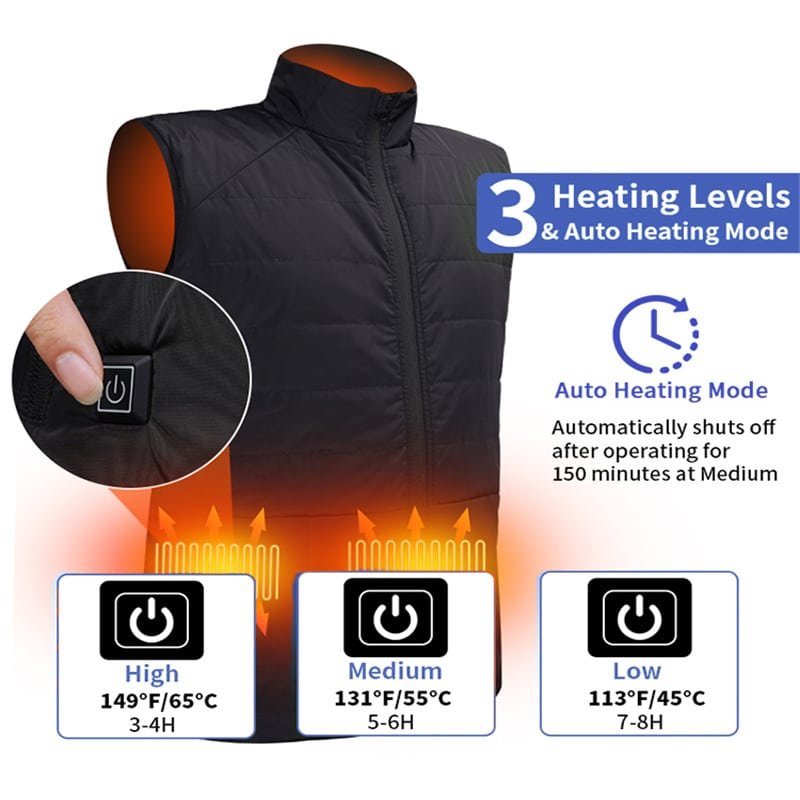
Rank necessities such as adjustable temperatures (3-5 options), remote controllers or app connectivity should be compared with non-necessities such as LED displays. If smart functionality is part of the product roadmap, an app-controlled heating system should be planned from the beginning instead of added later. Battery life tends to be on the list first, target is 4-8 hours. Another aspect that we put before fancy apps in a worker-oriented development is overheat protection, to ensure safety regulations are considered.
Competitive Benchmarking
Competitor analysis: What is competing with Hestra or Outdoor Research? Gap spots such as superior windproofing or eco-materials. Through market research, we established that there was a demand of affordable ODM heated clothing with UN38.3 certified batteries and therefore in prototypes, we stressed on that.
Stage 2 — Engineering & R&D Planning
Lock ideas- in concept locked, immerse in technical blueprints- this stage transforms idea into working design by means of engineering process of iteration.
Heating System Design
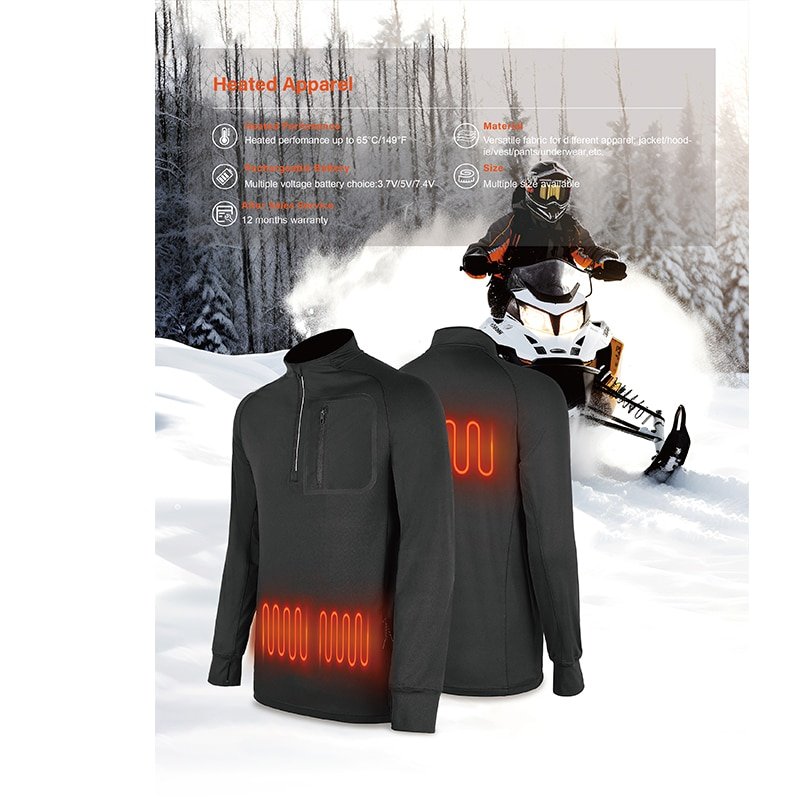
Use carbon fiber as even, flexible heat in dynamic apparel, use heating film to make thin in base layers or wire to use in vests because of the budget. This selection process is central to effective heating element design in any OEM or ODM heated apparel project. Plan wattage: 15-25W in jackets to fit such zones as chest or sleeves. In a jacket design to be worn by the motorcycle riders, we have used carbon fiber as it is resistant to vibration that provides us with steady 120-140 F.
Battery System Development
Select BMS protection with choice of capacity (2000-5000mAh) and voltage (7.4V). Add run time and cold resistance – Li-ion cells deteriorate at temperatures below zero. Reliable battery solutions for heated apparel must balance runtime, safety, and cold-weather stability together. In the case of custom-heated gloves, we came up with exchangeable packs to increase the wear time of the gloves during long shifts and ensure safety as required in the UL.
PCB & Temperature Control Circuit
Switches, remotes or app Design switches, remotes or apps with logic to provide multi-level heating or auto-shutoff. This control architecture depends heavily on solid PCBA design for heated wearables to ensure stable and safe performance. Tems are stabilized by PID. In an ODM vest, we added Bluetooth PCBs to control the app, which was tested to be interfering with FCC.
Pattern & Fit Engineering
Design outer shell patterns and lining patterns and route the wiring to eliminate folds. Ergonomics are important- curved gloves with pre-curved fingers. This stage is a core part of product design and engineering for heated wearables because fit and wiring layout directly affect comfort and reliability. In the case of a worker line, we designed reinforced palms with Thinsulate, making wiring remain in place during flex.
Material Selection
Pick waterproof softshell and jackets breathable lining and socks Thinsulate insulation. Durability test-nylon-DWR-coat repels snow. Gore-Tex-like membranes were used in a ski glove project to keep out the elements and to permit the sweat to pass through.
Stage 3 — Component Development & Integration
In this case, components are assembled- create and compile elements to create a complete system..
Heating Elements Integration
Put in high-need area: jackets- chest/back, gloves-fingers/palms. Bond to cloths without limiting movement. Toe arrangement in socks was applied to the production of heated apparel used by hunters to allow them to be silent and directed to keep them warm.
Wiring & Connectors
Employ silicone-coated flex and insulation wires as well as connectors that are secure to avoid shortages. Test for 10,000 bends. A motorcycle glove glove run indicated the necessity of strain relief at the cuffs in order to prevent pull-outs.
Battery Pocket Engineering
Pocket design that is waterproof and easy to access and to notify that it is not overly hot inside. In case of vests we wore them low to balance and it passed UN38.3 drop tests.
Stage 4 — Prototyping & Sample Creation
Prototypes are built between design and production- here iron out the flaws. This is also the point where brands should test heated apparel before mass production to reduce technical risk before scale-up.
Technical Prototype (Engineering Sample)
Assemblage testing electronics: Heat output, battery fit, control response. Take the measurements of tempos using IR cameras. On one engineering sample of insoles, there was uneven heat on the toes, trimmed using element positioning.
Aesthetic Prototype (Design Sample)
Pay attention to appearance: Typing of fabrics, embroidery. Wear-test for feel. In the case of a designed heated glove, this step was to match leather colour with brand colours and to check grip.
Pre-Production Sample (PPS)
Last minute adjustments prior to scale- final assembly using production materials. Accept on multi-day tests. PPS asserted 6-hour run, mass runs were greenlit in a jacket line.
Stage 5 — Testing & Certification Requirements
Everything is tested out–to miss it is to run the risk of field failure.
Heating Performance Tests
Uniformity, speed, endurance: map temp set to target 2 minutes warm up. Issues are detected through thermal imaging. One of the prototypes of socks overheated toes, which were corrected with enhanced regulation.
Heating Safety Tests
Test cutoff at 150 o F by simulating overloads. Spike prevention is done by voltage stability checks. This is required by UL compliance in burn prevention.
Battery Safety Tests
UN38.3 is concerned with vibration, shock and overcharge. Short-circuit tests are used to assure BMS activation. In the case of gloves, this assured safe replacements during use.
Fabric Thermal & Waterproof Testing
Thermal resistance is a guarantee of safe contact with skin; rain sim tests IPX4 seals. This checked no leakage in 30 minutes in work wear vests.
Wear Durability Tests
Bending and cold-shock and motion sims- 10,000 cycles of gloves. This wired a hunter prototype with fatigue.
Compliance Certifications
EU, materials, FCC, UL, safety UL, and quality ISO9001. Without these open markets; without, shipments are stopped. Brands entering global markets should clearly understand the certifications needed for heated apparel before launch.
Stage 6 — Mass Production Setup
Scale requires accuracy-system lines to work.
Material Procurement
Certified nylon, Thinsulate and Li-ion cells- in bulk purchase= reduction in cost. Suppliers of vets should be consistent; a poor quality batch once postponed a jacket production.
Production Line Configuration
Installation cutting of patterns, sewing of shells, embedding of elements, assembly of electronics. Heated apparel is manufactured faster due to the application of automated lines. For a broader factory-level view of how heated clothing is manufactured, this stage connects directly to scalable production planning.
In-Line Quality Control (IQC / IPQC)
Preview materials at the receiving stage, ensure elements during embedding. This has detected a wiring fault in-flight once.
Final Quality Control (FQC)
Heat, battery, and fit test full products-random sampling. Aging tests are unreal; pass rates of more than 99 pass shipment.
Stage 7 — Packaging, Branding & Export Preparation
Packaging protects and promotes- customize to shelf attractiveness.
Packaging Customization
Prepare design boxes containing manuals, chargers and logos. Eco-materials per RoHS. Strong packaging design solutions help brands improve both presentation and export readiness. In the case of an enterprise selling skis, we added branded battery pouches.
Export Compliance
Add MSDS of batteries, UN38.3 of air shipping. Customs docs prevent delays.
Stage 8 — Logistics, Fulfillment & After-Sales Support
The post-production makes the delivery easy.
Shipping Timelines
Bulk (4-6 weeks) and air (1 week) freight by sea and air respectively. Winter peak demand is a source of delays–plan ahead.
After-Sales Technical Support
Provide warranties, replacement of defects. A manufacturer who is good makes troubleshooting manuals.
Common Pitfalls in OEM/ODM Heated Apparel Development
Unrealistic battery expectation defies cold drain-test in sims. Wrong zones result due to poor communication of tech specs. Omission of prototypes lacks fit problems. Gloves are stiffened with the wrong elements such as rigid wire. Regardless of clear certifications, this prevents markets. Peak disregard creates delays.
Final Recommendation — What Brands Should Focus On When Developing Heated Apparel
Consider battery first, heating first and features last. Focus on market access certifications and consistency QC. Find established producers to overcome the difficulties, the success of your heated apparel is based on this base. The next practical step is to communicate your heated apparel requirements clearly before sampling and quotation begin.