
Introduction — Why Heated Apparel Matters for Skiers & Snowboarders
Winter sports like skiing and snowboarding expose athletes to brutal elements: cold temperatures dipping to -20°C, wind chill amplifying the bite during high-speed descents, altitude thinning the air and dropping oxygen, and moisture from snow or sweat that can freeze against skin. These factors sap energy, stiffen muscles, and heighten injury risks—like fumbling a pole plant due to numb hands. Heated apparel for winter sports counters this by delivering targeted warmth, extending your time on the mountain and sharpening focus. Unlike passive layers, it actively regulates body temp, making it a game-changer for pros chasing powder or beginners building confidence. This also helps explain why heated apparel is growing fast in winter sports and other demanding cold-weather categories. This also helps explain why heated apparel is growing fast in winter sports and other demanding cold-weather categories. This skiing heated apparel guide breaks down why it’s essential and how to choose wisely.
Key Benefits of Heated Apparel for Winter Sports
Right off the bat, here’s why integrating heated clothing for skiing or heated snowboard gear into your kit can transform your sessions—based on real runs where prototypes get tested amid blizzards.
Maintains Body Temperature in Extreme Cold
Helps counter wind chill reaching –10°C to –30°C, keeping core temp stable so you avoid hypothermia symptoms like fatigue—crucial on exposed chairlifts or long traverses.
Keeps Hands and Feet Functional
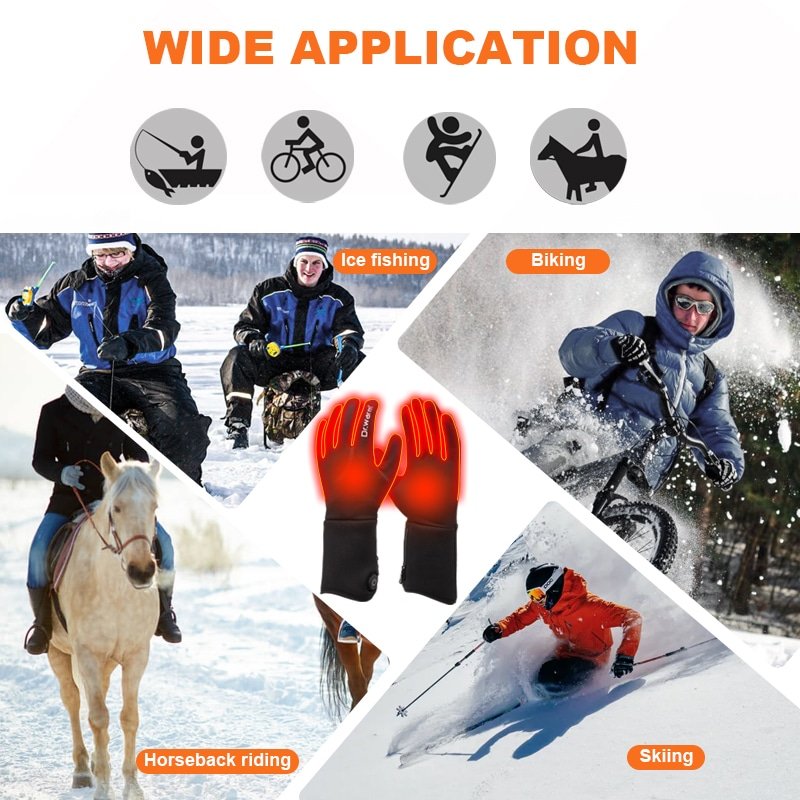
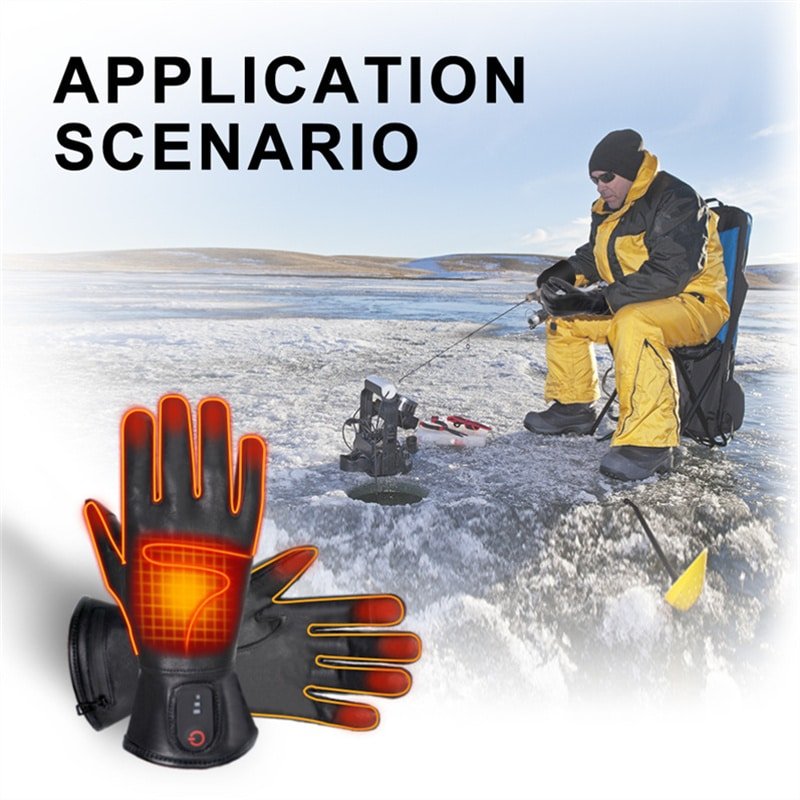
Cold hands → slower reaction time, weak grip, higher injury risk; heated gear ensures dexterity for carving turns or grabbing rails without dropping poles.
Improves Endurance & Comfort
Warmth = longer sessions on the mountain, letting you lap runs all day instead of retreating to the lodge—groups with proper heating regularly double their time on the hill.
Enhances Safety by Keeping Muscles Responsive
Cold muscles react slower on high-speed descents; consistent heat maintains flexibility, reducing strains during moguls or jumps.
Essential Heated Apparel for Skiing & Snowboarding
Focus on these core pieces tailored for slopes—each with pros and cons drawn from athlete feedback and engineering tweaks.
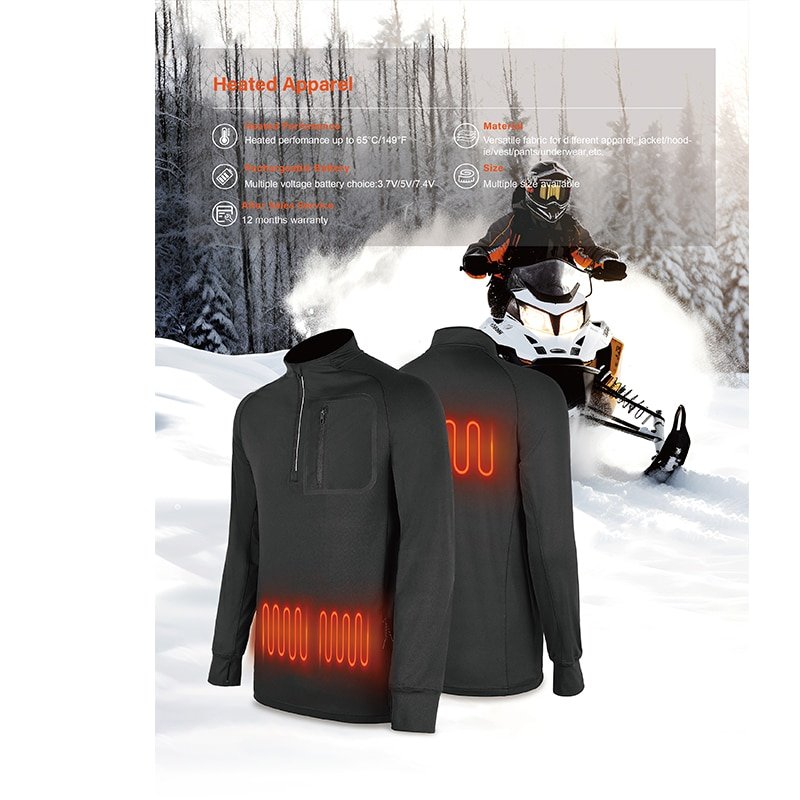
Heated Jackets
Strong heating zones for chest + back shield your core from wind; heated jackets offer versatile layering and windproof shells, though they can feel bulkier for aggressive freeriding and add battery weight in pockets.
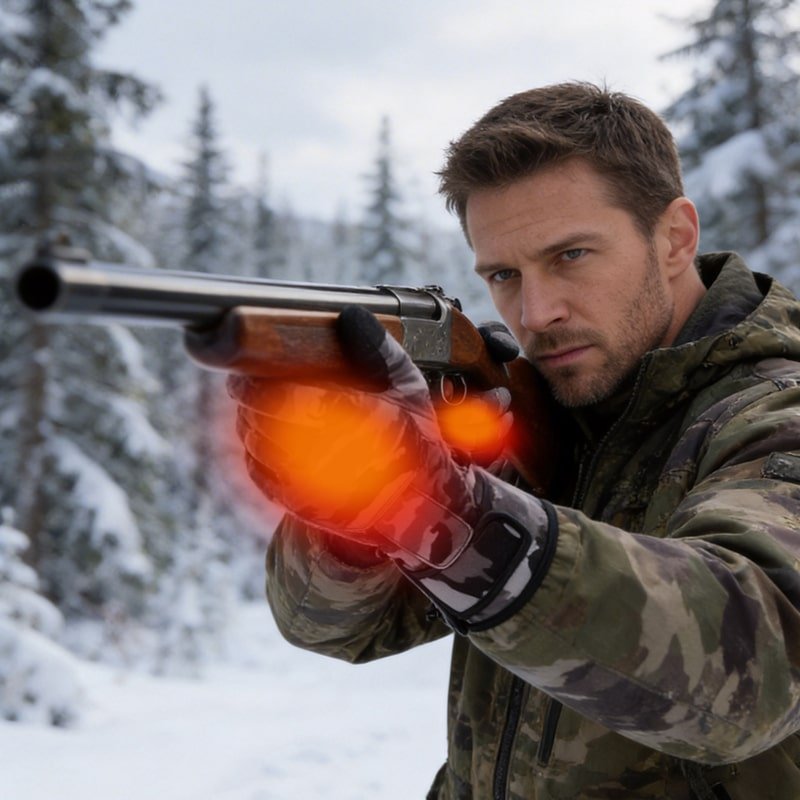
Heated Gloves
Strong heating zones for chest + back shield your core from wind; heated jackets offer versatile layering and windproof shells, though they can feel bulkier for aggressive freeriding and add battery weight in pockets.
Heated Socks & Insoles
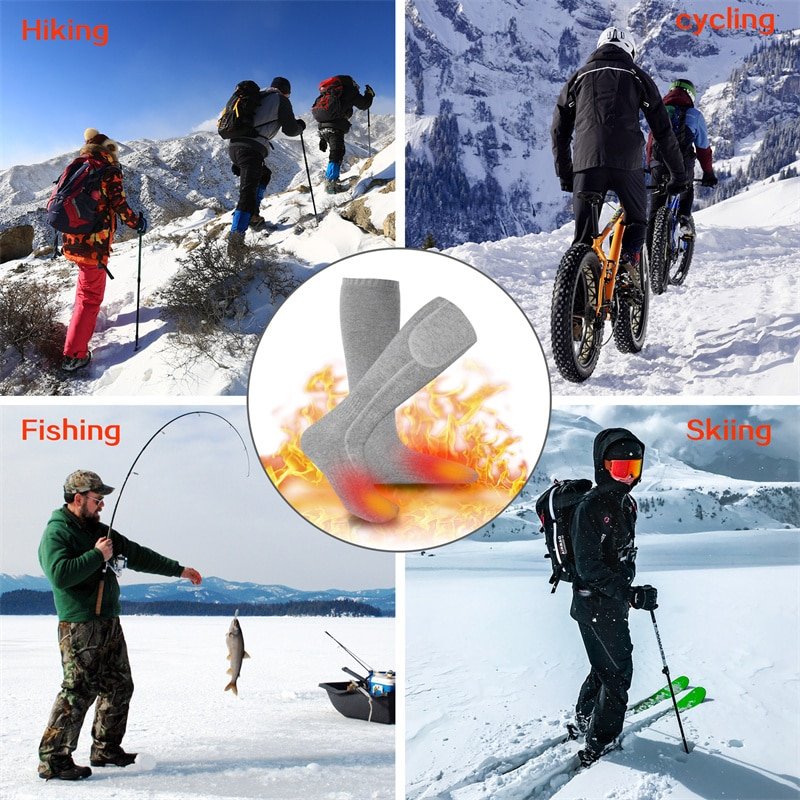
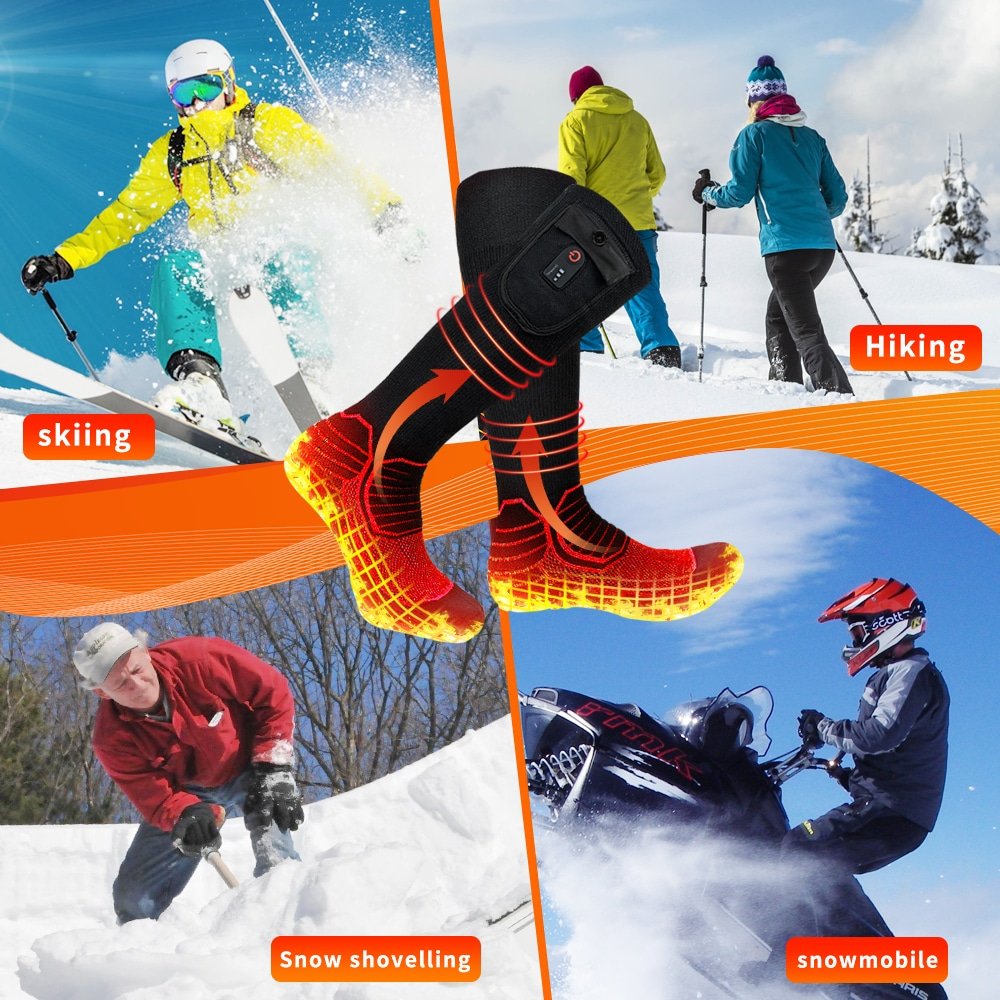
Heated socks help prevent numb toes and improve board or ski control; they offer a slim fit under boots and quick heat, though battery life can be limited in extreme cold and moisture may build up if the fabric is not breathable.
heated insoles both help prevent numb toes and improve board or ski control; they offer a slim fit under boots and quick heat, though battery life can be limited in extreme cold and moisture may build up if the material is not breathable.
Heated Vests
Heated vests are layer-friendly and great for mobility under shells; they are lightweight and focus on the torso, but offer less coverage for extremities in blizzards.
Heated Base Layers
Full-body heat for extreme cold; pros: Seamless under suits; cons: Can trap sweat if not wickable, higher cost for whole sets.
Performance Factors That Matter Most on the Slopes
When evaluating best heated gear for cold weather sports, prioritize these for peak cold-weather performance heated apparel—lessons from testing on Whistler blacks.
Heat Output & Heating Zones
More zones = better thermal balance, covering back, chest, and limbs to combat uneven chill from speed.
Battery Runtime in Cold Weather
Cold reduces battery efficiency by 20–40%, so look for packs that hold up—understanding how long heated clothing batteries last is key for full-day lift tickets and real slope performance.
Waterproof & Windproof Construction
Snow contact + wind chill demand strong protection; when evaluating waterproof heated gloves and jackets, seek IPX4+ ratings to handle falls or spray.
Fabric Breathability
Essential to avoid sweat freeze while skiing; materials like Gore-Tex let vapor escape without losing heat.
Fit & Mobility
Heated apparel must not restrict turns, grabs, or pole use; slim wiring and flexible elements ensure natural movement.
Heating Technologies Used in Winter Sports Apparel
Understanding the tech behind how heated clothing works on the slopes helps pick durable options, and comparing carbon fiber vs heating film vs heating wire is one of the best ways to evaluate performance for alpine conditions.
Graphene Heating Film
Ultra-thin, lightweight, great heat distribution; excels in vests for even warmth without bulk.
Carbon Fiber Heating Elements
Durable, good for gloves and rugged use; withstands impacts from falls or tree runs.
Heating Wire
Budget use only; not recommended for performance sports due to hotspots and breakage risks.
Battery Technology & Runtime Expectations for Winter Sports
Winter sports battery heated clothing demands resilient power—cold zaps efficiency, so factor that in.
Voltage Options (5V / 7.4V / 12V)
Choosing between 7.4V vs 12V batteries for heated clothing matters because higher voltage means faster heat and better performance; 7.4V balances well for most users, while 12V suits brutal winds.
Battery Capacity Matters More in Cold
Wh vs mAh—calculate Wh for true output; cold shrinks capacity, so oversize for reliability.
Runtime Estimates
Jackets: 3–8 hours, Gloves: 2–6 hours, Socks: 3–5 hours—realistic in -15°C with medium heat.
Battery Placement & Comfort
Must not affect movement or fall risk; hip pockets for jackets, cuff-integrated for gloves.
Safety Features Skiers & Snowboarders Must Look For
Safety trumps all on unpredictable terrain, and understanding safety standards for heated clothing helps guide more reliable product choices.
Overheating Protection
Automatic shut-off, temperature sensors prevent burns; NTC thermistors monitor zones.
Waterproof Battery Housing (IPX Rating)
Critical for snow exposure; IPX6+ guards against melt or dumps.
Reinforced Wiring
Must endure constant movement; silicone-coated to flex without shorts.
Certifications
CE / FCC / RoHS / UL / UN38.3 ensure compliance and peace of mind.
Best Use Scenarios for Heated Apparel in Winter Sports
Tailor gear to your style—heated gear for alpine skiing shines in these.
Alpine & High-Altitude Skiing
Extreme cold, high wind speeds; jackets with 12V for rapid recovery on summits.
Night Skiing
Very low temperature → heated gear essential; gloves and socks combat quick chill.
Snowboarding
Frequent falls → gloves + jacket heating crucial; heated gloves for snowboarders with durable carbon.
Backcountry & Touring
Long exposure = higher battery demands; vests for lightweight ascents.
Kids & Beginners
More static time → higher cold risk; base layers for warmth during lessons.
How to Layer Heated Apparel Properly
Layer smart for max heat: heated base layer → insulation → waterproof shell to trap warmth. Avoid too many layers (blocks heat transfer)—test fit for breathability. Ensure battery stays warm by insulating pockets against snow.
Common Mistakes Skiers Make With Heated Apparel
Many of these slope-specific issues reflect the same broader mistakes people make when buying heated clothing in other cold-weather use cases:
Choosing USB 5V Systems for Extreme Cold
Insufficient power for slopes.
Ignoring IPX Waterproof Rating
Leads to shorts in powder.
Buying Gloves Without Individual Finger Heating
Causes numb tips during grabs.
Expecting Unrealistic High-Heat Runtimes
Drains batteries fast in wind.
Not Checking Compatibility With Outer Shells
Bulk interferes with movement.
Buyer Recommendations — How Skiers Should Choose Heated Gear
Choose 7.4V or 12V systems for real performance. Prioritize gloves + socks as extremities chill first, especially if you need to choose the right heated gloves for winter sports based on fit, warmth, and slope use. Look for graphene or carbon fiber heating for efficiency. Choose multi-zone jackets for balance. Take certified batteries only to avoid failures—how to choose heated clothing for skiing starts with trusted brands.
Final Conclusion — Heated Apparel Helps Skiers & Snowboarders Perform Better, Longer, and Safer
In the end, heated apparel for winter sports empowers you to conquer colder days with sustained energy and focus, turning challenging conditions into thrilling runs. By prioritizing performance features like robust batteries and waterproofing, alongside safety essentials such as overheating guards, you’ll stay warm without distractions. Whether carving groomers or dropping cliffs, the right gear—like heated jackets for skiers or heated gloves for snowboarding—extends your passion safely; test in real conditions and layer wisely for peak enjoyment.
Frequently Asked Questions
If a skier buys one heated piece, which gives the most benefit?
Gloves, for most people. Extremities lose circulation first, and hand function is what fails visibly on a cold lift — poles, bindings, zips. Socks come second for anyone in a tight boot. A heated jacket helps comfort a great deal but solves a problem that layering can partly solve; gloves and boots cannot be layered the same way.
Where does a heated layer sit in the layering system?
Over the base layer and under the insulation, never against the shell. That order keeps the element away from both skin and weather, and lets the mid layer distribute heat rather than trap it in one strip. A heated vest worn outside the shell heats the outside of the jacket, which is the most common mistake in this category.
How many batteries does a full ski day need?
Plan one pack per heated piece plus one spare for the piece you rely on most. Cold cuts usable capacity before the pack is empty, and a full day on the mountain is longer than most single-pack runtimes at mid heat. Carrying the spare against the body also keeps it warm, which recovers part of the loss.
Can children use heated apparel?
With supervision, on a low setting, and with an adult checking for hot spots. Children report discomfort less precisely and shed layers differently, so the risk is not the garment but the absence of feedback. A product sold for children should have a conservative thermal ceiling and a control the adult sets, not one the child experiments with.