
Heated jackets are engineered systems that require coordinated design, structured testing, and disciplined manufacturing to ensure stable performance and long-term reliability. Unlike conventional outerwear, they integrate active heating elements, power management electronics, and protective garment structures into a single functional unit. The reliability of heated jackets depends on structured design integration, systematic safety testing, and disciplined manufacturing control throughout the production lifecycle.
For brands and sourcing teams, understanding this full engineering-to-production sequence helps anticipate where risks emerge and why certain decisions affect final product quality. When executed properly, the process produces apparel that delivers consistent warmth, resists field failures, and meets international safety requirements. Many heated apparel projects that underperform trace back to shortcuts in one or more of these interconnected phases.
For a detailed look at end-to-end capabilities in this category, brands often review the heated jacket design and manufacturing workflow to see how specialized factories coordinate garment and electronics production.
Design Phase: System Integration Begins
Effective heated jacket design starts with treating the product as a wearable electrical system rather than a garment with added components.
Every aspect must account for body movement, thermal dynamics, and environmental exposure over extended use.
Core design activities include:
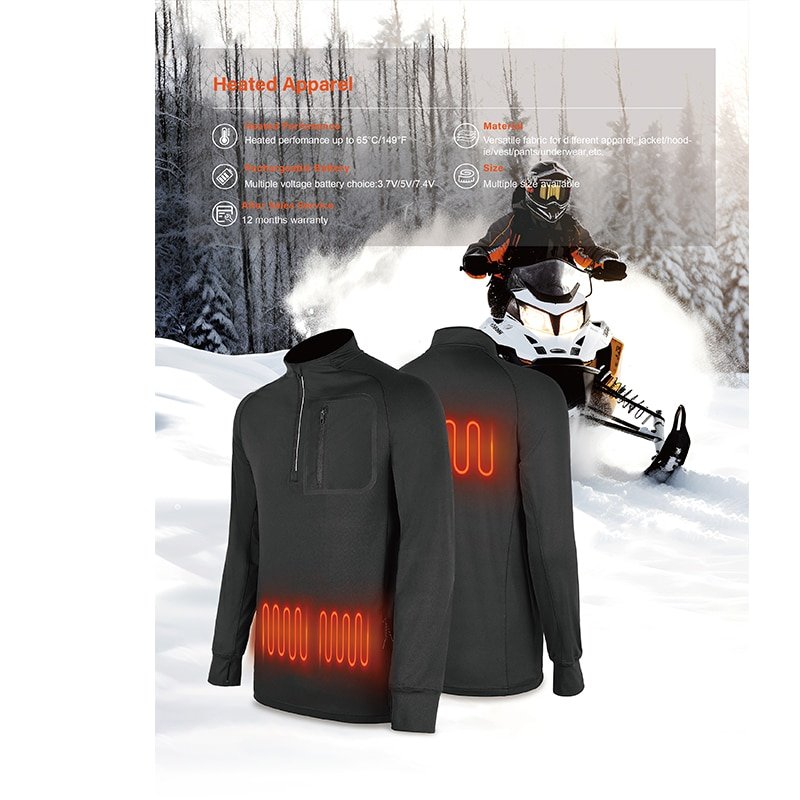
- Heating element layout planning — Positioning elements to deliver even warmth to priority zones (core, back, chest) while avoiding excessive coverage that drains battery life unnecessarily.
- Power load calculation — Determining total wattage based on target temperature differential, surface area, fabric insulation value, and desired runtime.
- Battery placement engineering — Selecting locations that balance weight distribution, accessibility for charging/replacement, and protection from impact or moisture.
- Garment pattern modification — Adapting standard patterns to accommodate wiring paths, element pockets, and reinforced zones without restricting range of motion.
| Design Component | Engineering Focus |
| Heating layout | Even heat distribution |
| Battery pocket | Safety & accessibility |
| Wire routing | Flexibility & durability |
| Fabric selection | Insulation & breathability |
Designers must simulate or prototype early to verify that wires and elements flex without fatigue during typical activities such as skiing, commuting, or manual labor.
Heating System & Control Architecture
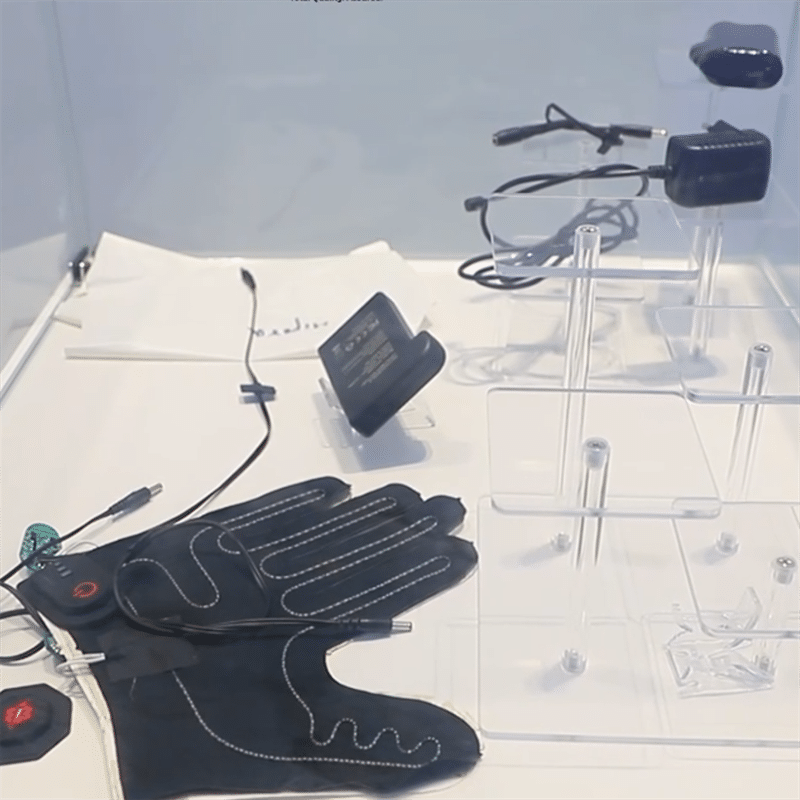
The heating and control architecture determines how efficiently and safely warmth is delivered under variable conditions.
This subsystem must balance responsiveness, energy efficiency, and fail-safe behavior.
Key elements:
- Carbon fiber or heating film integration — Chosen for thin profile, uniform heat output, and resistance to repeated bending and washing.
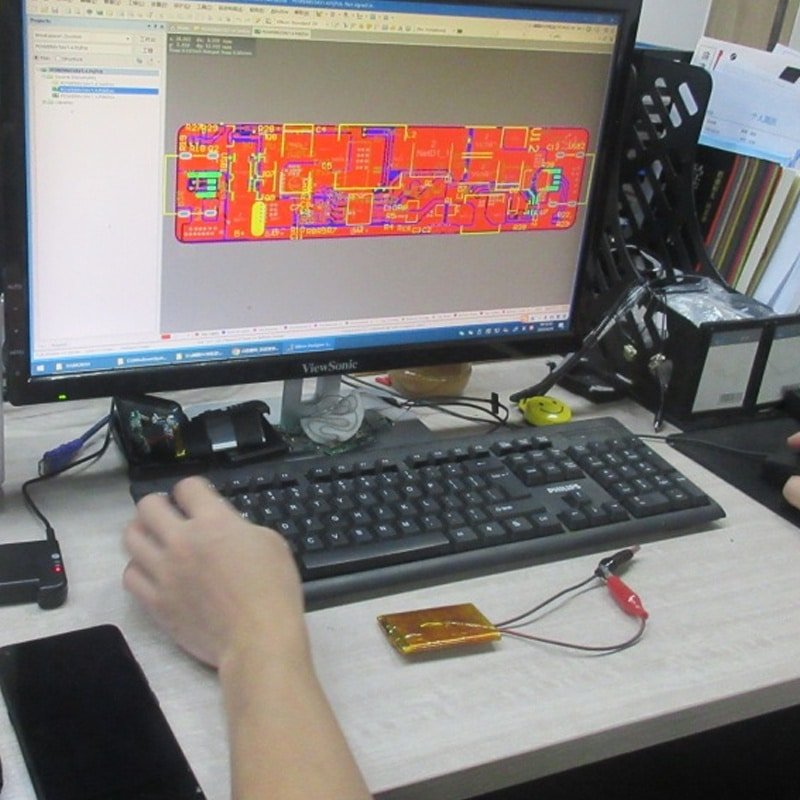
- Control unit selection — Options range from simple button-based PWM controllers to advanced units with multiple temperature presets and auto-adjustment based on ambient sensors.
- Temperature regulation logic — Implements hysteresis control to maintain stable surface temperatures and prevent oscillation or overshoot.
- BMS coordination — Battery Management System monitors cell voltage, current, temperature, and state of charge to prevent over-discharge, overcharge, or thermal runaway.
| System Element | Purpose |
| Heating element | Generate heat |
| Controller | Regulate output |
| BMS | Protect battery |
| Connectors | Secure current flow |
Poor coordination between these elements frequently leads to uneven heating, premature battery failure, or user dissatisfaction with runtime.
Testing Phase: Validating Safety & Performance
Comprehensive testing is the only way to confirm that design assumptions hold under real-world stresses and that safety mechanisms function as intended.
Testing occurs in multiple rounds, from early prototypes through pre-production samples.
Routine procedures include:
- Thermal performance testing — Mapping surface temperatures across all heating zones at different power levels and ambient conditions using infrared cameras or thermocouple arrays.
- Overheat protection testing — Verifying that thermal cutoffs activate reliably before dangerous temperatures are reached.
- Battery charge/discharge cycles — Running repeated full cycles to assess capacity fade and confirm runtime consistency.
- Stress and bending tests — Subjecting wired areas to repeated flexing, twisting, and compression to simulate years of use.
| Test Type | Objective |
| Thermal cycling | Prevent overheating |
| Battery endurance | Ensure runtime stability |
| Mechanical stress | Prevent wire damage |
| Aging test | Long-term reliability |
Results from these tests often drive design revisions, particularly in wire routing, insulation thickness, or controller firmware.
Manufacturing Phase: From Assembly to Quality Control
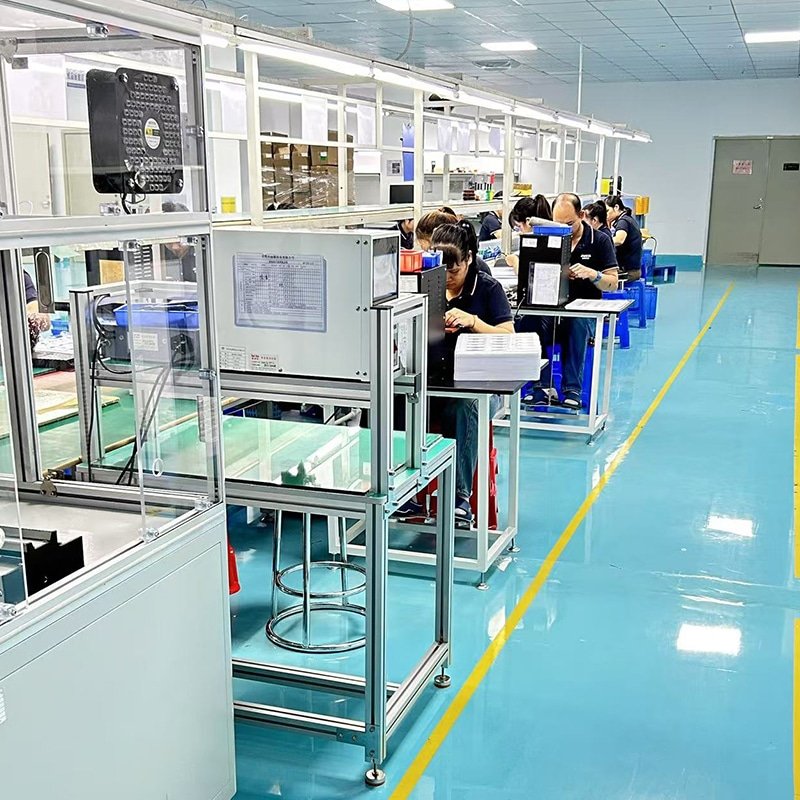
Manufacturing success depends on translating validated prototypes into repeatable, high-volume processes without losing performance characteristics.
This phase requires tight control over every handoff between garment sewing and electronic assembly.
Principal steps:
- Component sourcing — Qualifying suppliers for heating films, batteries, controllers, and connectors with consistent specifications.
- Assembly line configuration — Sequencing operations to integrate electronics after critical sewing steps while protecting sensitive components.
- In-line inspection — Checking continuity, insulation resistance, and visual defects at key stations.
- Final functional testing — Verifying full-system operation (heating levels, control response, battery status) on every unit or statistically sampled batches.
| Manufacturing Control | Purpose |
| Incoming QC | Verify components |
| Process QC | Assembly consistency |
| Functional test | Heating validation |
| Final inspection | Performance verification |
Any deviation in incoming material quality or assembly technique can introduce variability that only becomes apparent after extended field use.
Ensuring Consistency in Mass Production
Maintaining uniformity across thousands of units requires more than good initial samples—it demands formalized systems.
Critical practices:
- Standard operating procedures (SOP) — Documented, visual work instructions for every assembly step.
- Traceability systems — Lot coding and serial number tracking for components and finished goods.
- Batch control — Testing representative samples from each production run under accelerated conditions.
- Documentation management — Maintaining records of test data, deviations, and corrective actions for every batch.
These controls allow rapid identification and containment of any quality excursions.
Common Design & Manufacturing Mistakes
Even experienced teams encounter recurring issues that compromise performance or safety:
- Poor wire routing that leads to pinching or fatigue failure during movement
- Inadequate insulation around heating elements, causing localized hot spots
- Weak connector structure that loosens or corrodes after repeated connect/disconnect cycles
- Insufficient thermal testing across full temperature and humidity ranges
- Inconsistent quality control that allows defective units to reach customers
Addressing these early through rigorous prototyping and testing significantly reduces field returns and warranty claims.
Conclusion — Engineering Discipline Defines Reliability
Heated jackets require true system-level engineering that bridges textile construction and electronics. Thorough testing protects both end-user safety and brand reputation, while disciplined manufacturing control delivers the long-term stability customers expect from premium heated apparel. When design integration, validation protocols, and production systems are aligned, the result is a reliable product that performs consistently season after season under demanding conditions.