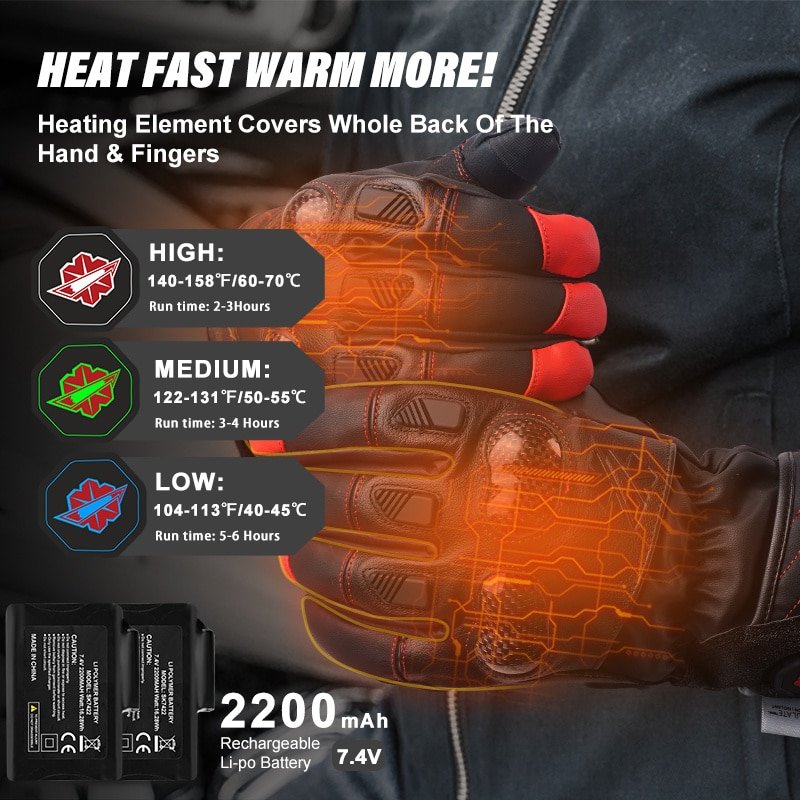

Private label heated jackets are electronic garments, not simple outerwear. Brands remain responsible for safety and compliance even when outsourcing production. Choosing a supplier is a strategic technical decision that affects product performance, legal exposure, and long-term viability.
Successful private label heated jackets depend on understanding heating system integration, battery compliance, and manufacturing capability — not just logo placement. Private label heated jackets require more than logo customization — they demand system-level understanding of heating technology, battery safety, and manufacturing accountability.
What Does “Private Label” Really Mean in Heated Jackets?
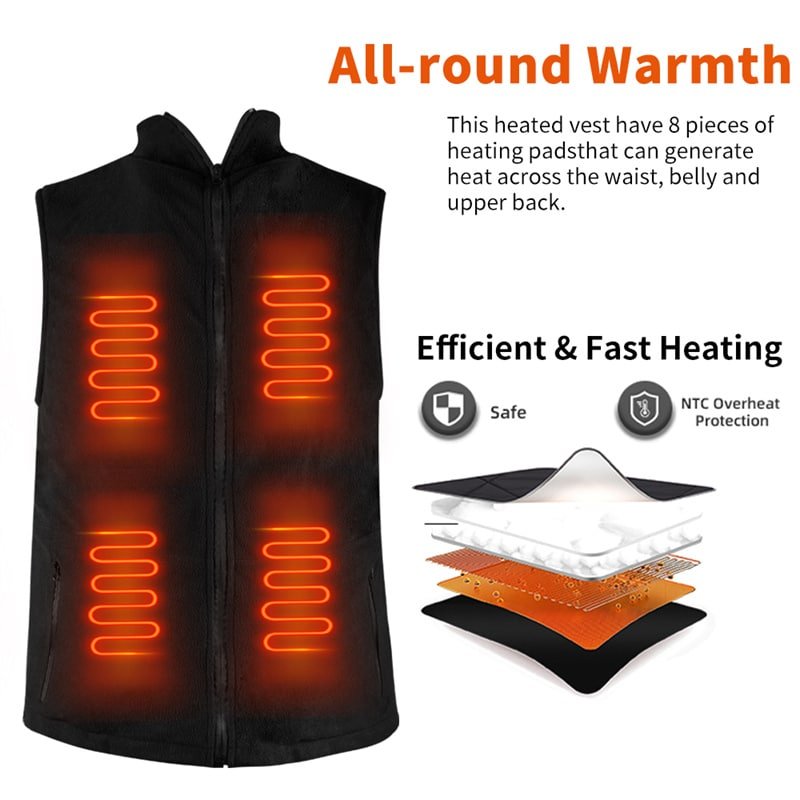
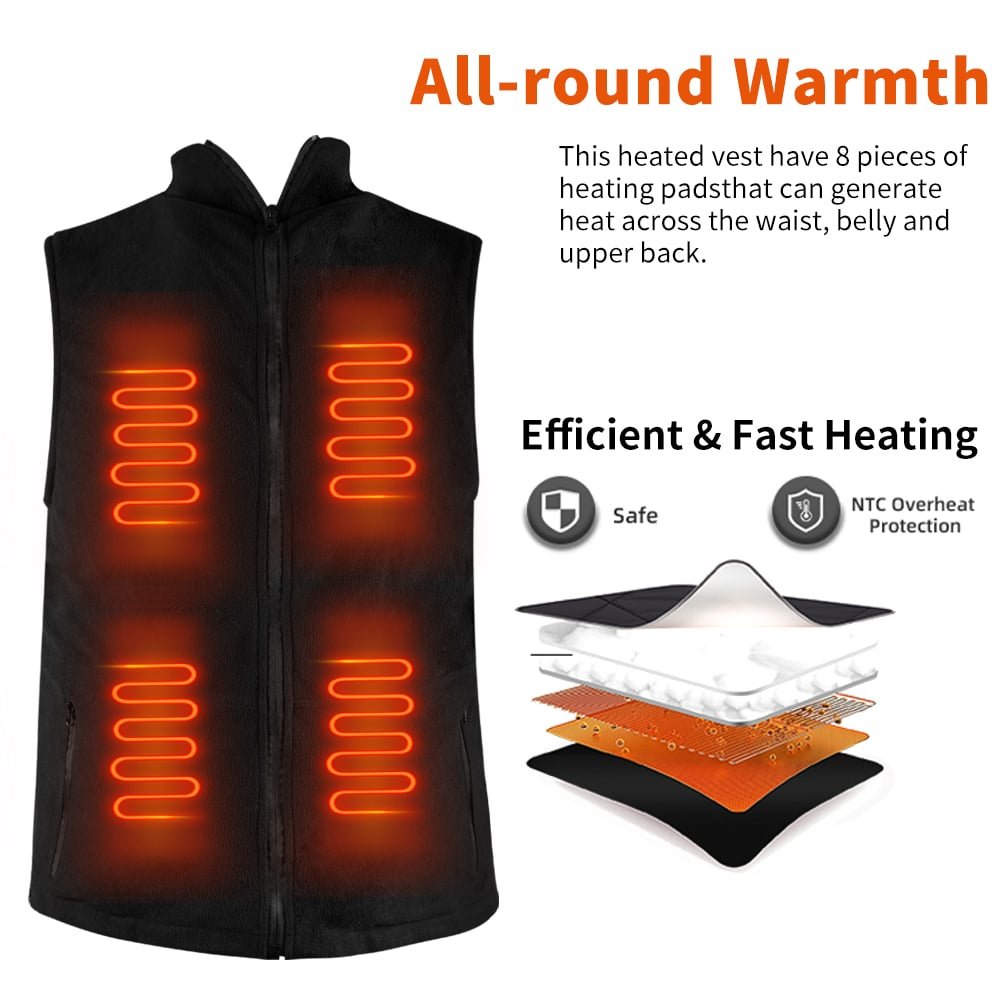
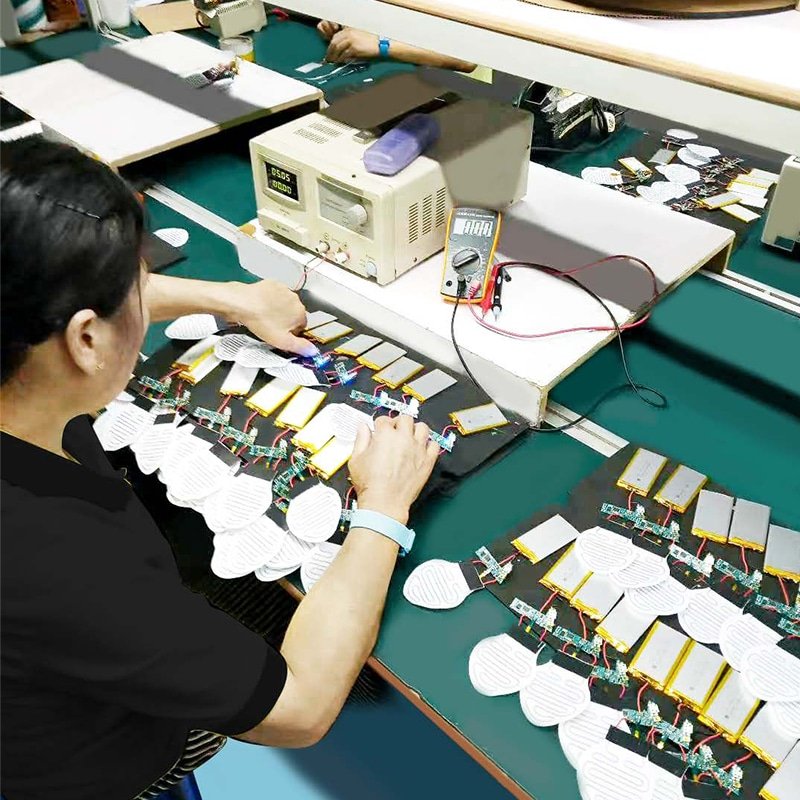
In heated jackets, “private label” often means far less customization than brands assume. Many suppliers offer near off-the-shelf models where changes are limited to surface-level branding, while core components like the heating architecture stay fixed.
Private label differs significantly from full OEM customization. In true OEM, brands can dictate heating element placement, voltage systems, temperature curves, and even battery integration from the ground up. Private label, by contrast, typically starts with an existing design where modifications are incremental.
Here’s a clear breakdown:
| Private Label Aspect | Reality in Heated Jackets |
| Logo printing | Surface customization (tags, embroidery, patches) |
| Heating system | Often fixed architecture (pre-set zones, elements) |
| Battery pack | Must meet safety standards; limited capacity tweaks |
| Packaging | Customizable (boxes, inserts, manuals) |
Brands frequently select from a catalog of pre-engineered heated jacket models, then add their branding. This approach speeds time-to-market and lowers upfront costs but limits differentiation and control over performance variables like heat distribution or runtime.
Battery Safety and Compliance Responsibility
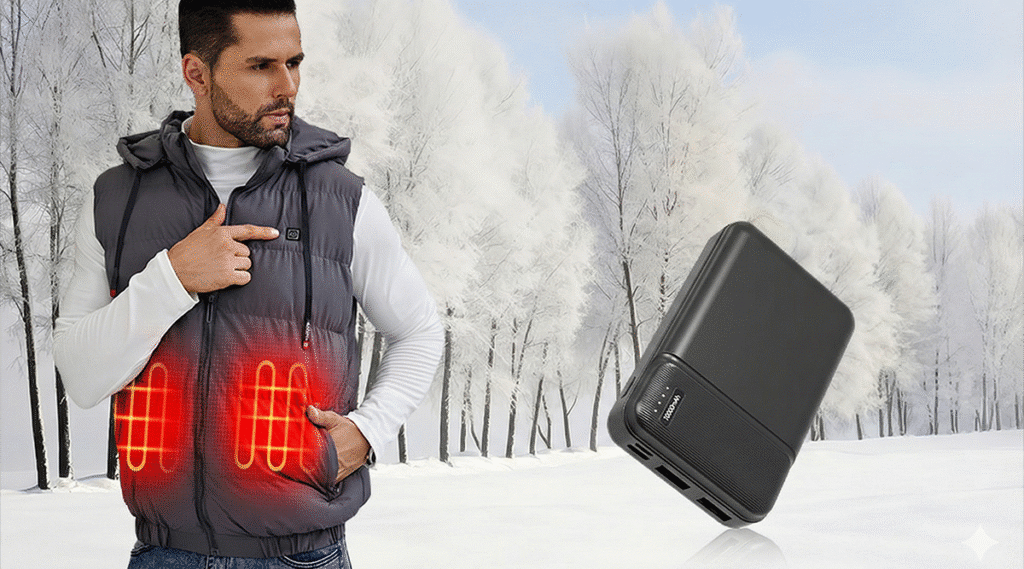
Brands bear primary liability for battery-related issues in private label heated jackets, regardless of who manufactures them. In major markets like the US and EU, regulators hold the importer or brand accountable for product safety, not just the factory.
Lithium-ion batteries in heated apparel carry risks of thermal runaway, overheating, or short circuits if protection circuits fail. Compliance isn’t optional — it’s mandatory for market access and to mitigate recall or legal exposure.
Key areas where brands retain responsibility:
| Compliance Area | Brand Responsibility |
| CE / FCC | Required for market entry; must affix marking |
| Battery testing | Safety validation (overcharge, short-circuit, etc.) |
| Labeling | Regulatory requirement (warnings, specs, icons) |
| Documentation | Audit readiness (test reports, DoC, traceability) |
In the EU, the Battery Regulation (EU) 2023/1542 emphasizes safety across the supply chain, including risk prevention during normal use. In the US, while UL certification for batteries isn’t always legally required, it provides strong evidence of due diligence against CPSC scrutiny. Transport rules (IATA, FAA) also restrict lithium batteries, requiring proper labeling and capacity limits for air shipping.
Brands must verify supplier test data and maintain records — assuming the factory handles everything invites significant risk.
MOQ and Cost Expectations for Private Label Heated Jackets
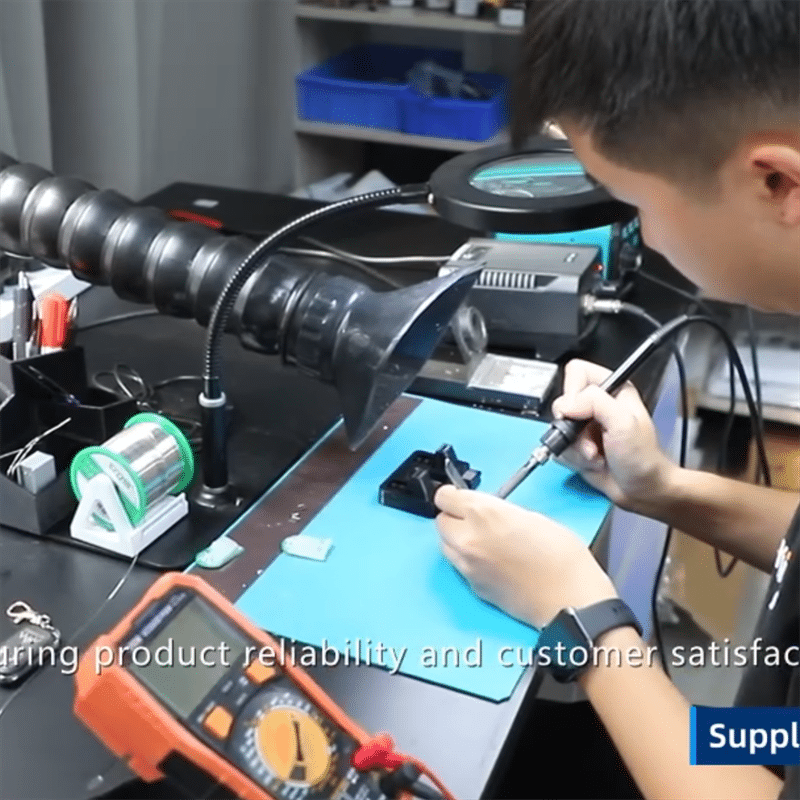
Private label heated jackets come with higher baseline costs and stricter MOQs than standard apparel due to embedded electronics.
Typical MOQs from China-based manufacturers range from 300–500 units per style/color, though some push toward 200 for basic models. Battery components often drive this: lithium cells require batch purchasing, and heating elements (carbon fiber or film) involve setup costs that favor larger runs.
Fabric sourcing adds variability — technical shells (waterproof/breathable) or insulation must integrate seamlessly with wiring, increasing material lead times. Customization like unique battery capacities or controller features pushes MOQs higher and adds tooling/setup fees.
Heated systems inherently raise costs compared to non-heated jackets: expect 2–5x premiums from added components, assembly complexity, and quality checks. Packaging customization (branded boxes, inserts) adds incremental expense but remains flexible.
Brands should budget for sampling (often $100–300 per prototype), testing, and potential revisions — underestimating these leads to cash flow strain.
Supplier Capability Matters More Than Product Appearance
Supplier capability determines whether your private label heated jackets perform reliably over time or become a liability.
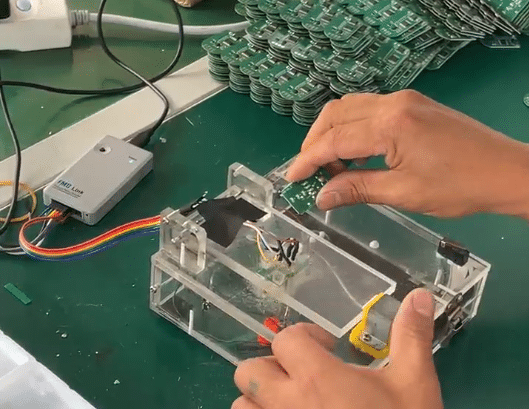
Look beyond garment aesthetics to evaluate engineering support, in-house testing labs, production controls, and compliance documentation. A capable partner provides circuit design input, battery protection expertise, endurance testing (heating cycles, washability), and traceability for components.
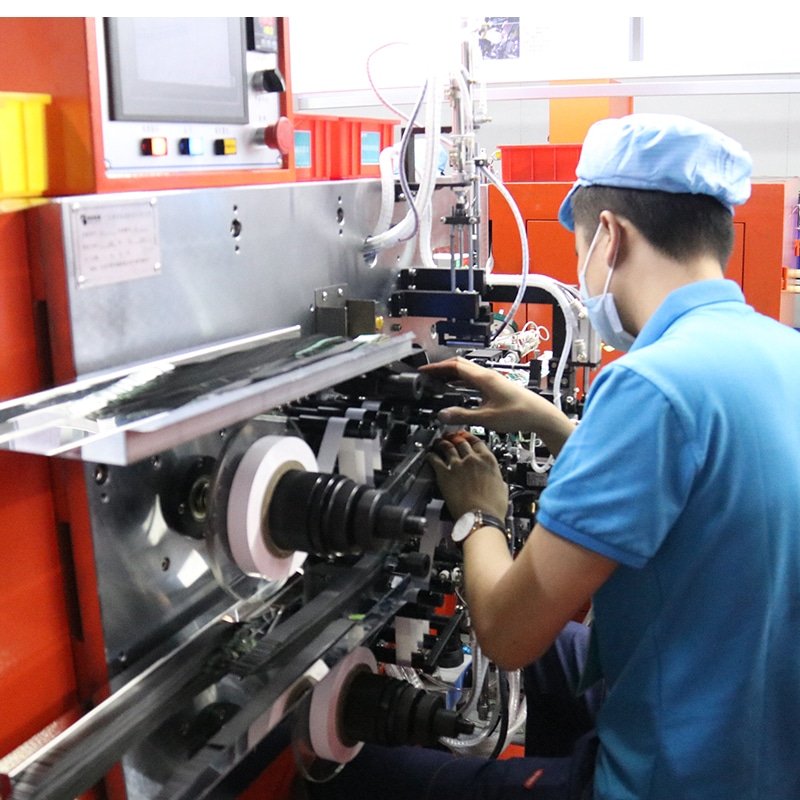
For brands serious about private label heated jacket manufacturing, partnering with factories experienced in vertical integration reduces risks from subcontracted electronics. Strong suppliers maintain stable supply chains for batteries and heating elements, avoiding shortages that delay seasons.
Common Risks When Launching Private Label Heated Jackets
Launching private label heated jackets without full awareness exposes brands to avoidable pitfalls.
- Assuming supplier handles compliance: Factories may provide basic certs, but brands own market liability — incomplete documentation can block customs or trigger recalls.
- Ignoring battery protection design: Weak over-temperature or short-circuit safeguards lead to overheating incidents; always demand detailed protection circuit specs.
- Underestimating after-sales risk: Returns from battery degradation, wiring failures, or inconsistent heating damage reputation and margins.
- Focusing only on garment style: Prioritizing looks over system durability results in poor heat distribution, short runtime, or wash failures.
These issues often surface post-launch when scaling or facing real-world use.
Conclusion — Private Label Is a Technical Commitment
Heated jackets are engineered products where electronics and apparel intersect. Brand accountability extends far beyond branding — it includes ensuring safe, compliant, and durable performance.
Long-term partnerships with technically capable suppliers reduce exposure and support consistent quality. Approach private label heated jackets as a system investment, not a simple apparel extension, to build sustainable success in this category.