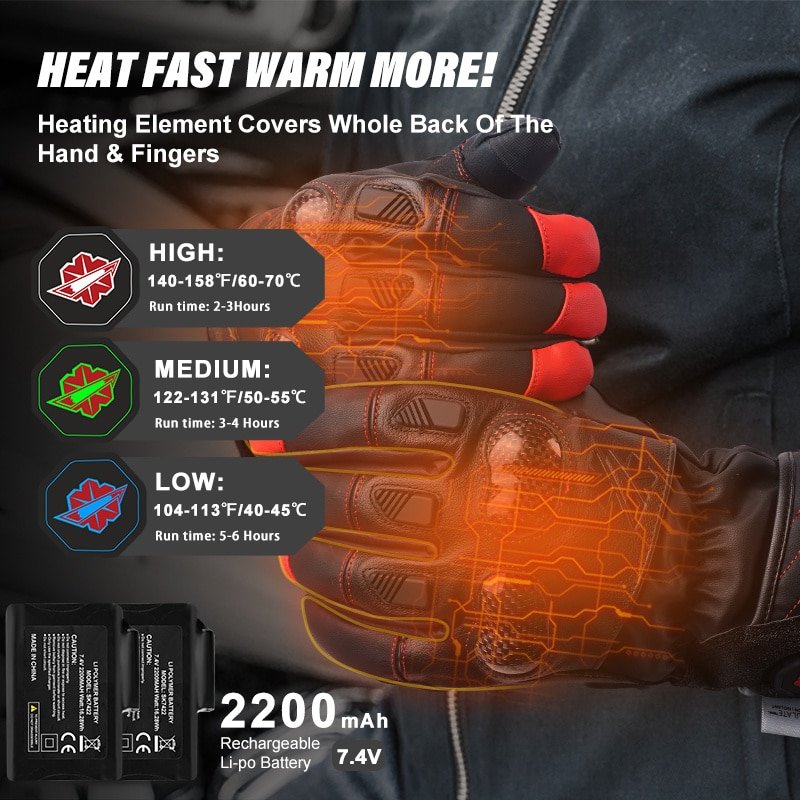

Overheating has been a long-standing concern in all electrically heated clothing systems where sustained heating current flow through heating elements produces heat that is to be well controlled to prevent any thermal runaway, skin burns, or component destruction. Most product teams even though they believe that merely limiting temperature or employing crudely done on/ off switches is large enough to offer adequate safety. In order to obtain the true overheat protection design in electric heated clothing a multi-layered, integrated architecture is required which answers the level of heat generation at each level: the battery level, the fabric interface/understanding level.
Thermal sensors, battery protection, control logic and mechanical insulation integrated within an electric heating system design are the key components of effective overheat protection in coming up with a functioning electric heated clothing. This type of architecture will reduce threats caused by system imbalance whereby reliable performance is needed regardless of the extreme conditions such as the long-term use, inadequate ventilation, or the environmental factors.
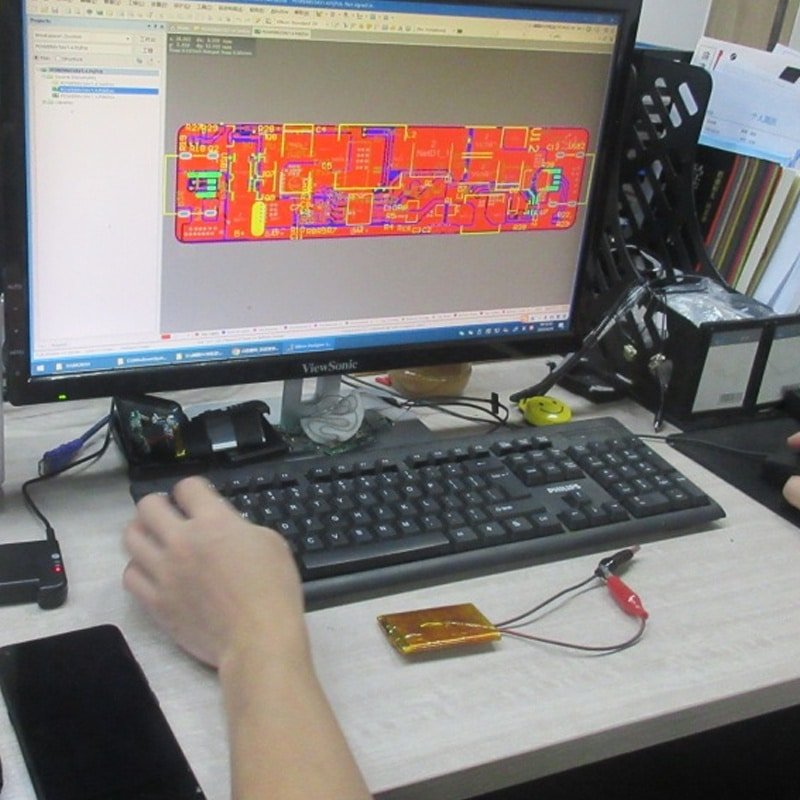
Why Overheating Occurs in Heated Clothing Systems
In electric heated clothes, overheating becomes a major problem mainly due to uneven heat production, cooling, and management, so what should be treated as warmness becomes a cause of concern.
A number of engineering triggers are attributed to this risk:
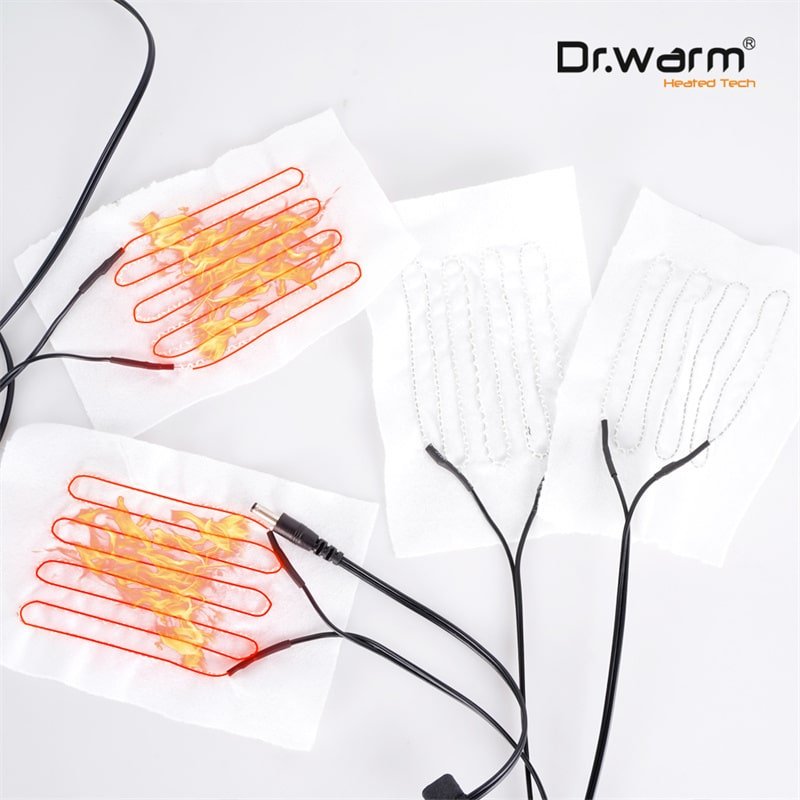
- Constant operation of the battery will produce a consistent resistive heating of components such as carbon fiber wires or films.
- Resistance varies with time as a result of material fatigue, bending, or manufacturing variances which results in imbalanced current distribution and localized temperature spikes.
- Poor insulation or an unbalanced insulation will make heat stuck on the skin or in a particular area, particularly when worn underneath the outerwear.
- Surges can be caused by electrical instability, i.e. voltage fluctuations or connector wear.
- Incidents of environmental factors, such as ingress of moisture, compression caused by the body movement, or pressure, distort heat transfer and further aggravate the hot spots.
| Overheat Cause | Engineering Trigger |
| Excessive current | Resistance mismatch |
| Insufficient thermal cutoff | Control logic gap |
| Poor heat distribution | Localized hot spots |
| Battery instability | Voltage fluctuation |
The factors outlined the reasons why the problem of overheating in heated clothing needs proactive intervention at the system level with reactive solutions being a fix.
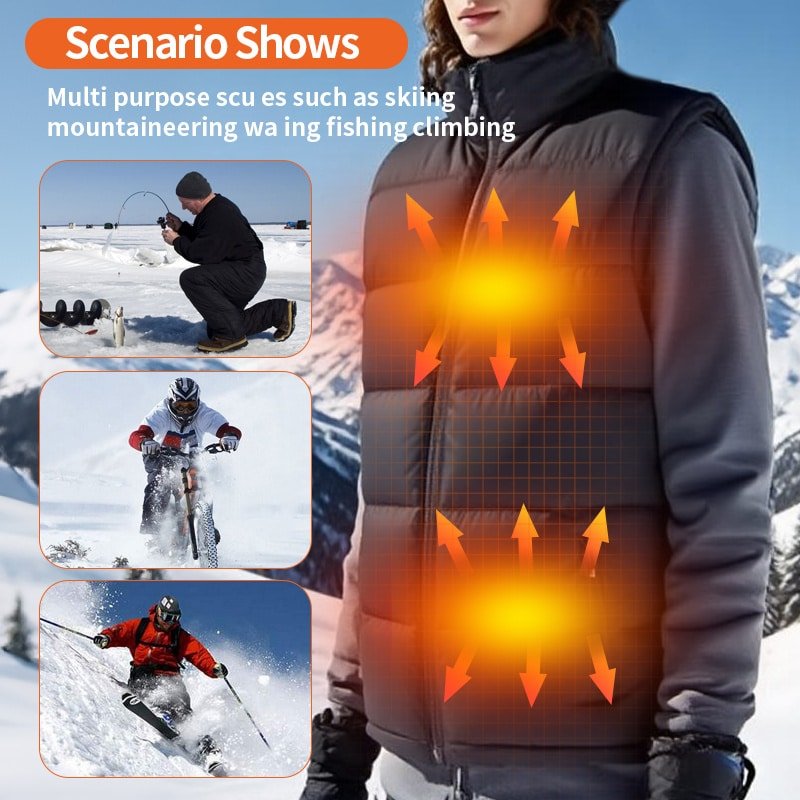
Thermal Control Logic and Temperature Regulation
The background to heated clothing temperature control safety is advanced thermal control logic rather than simple on/off switches which could provide decent feedback control to maintain safe operating limits.
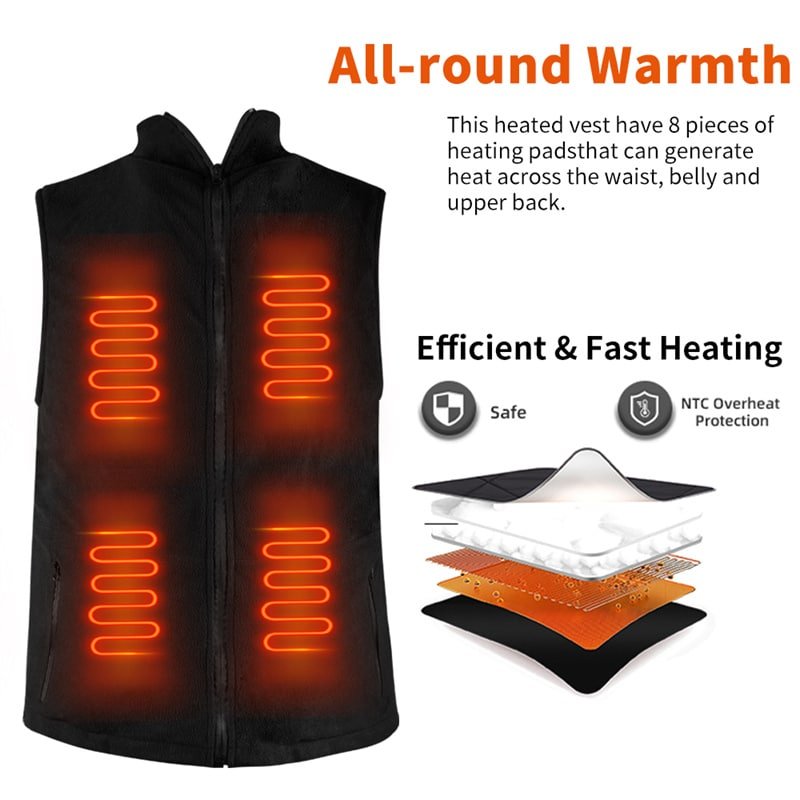
Multi level control is superior to simple binary systems in that it has proportional/PID like controls which can modify power output based on real time data. Feedback systems using sensor-based feedback, most commonly NTC thermistances near areas of heating heat or where contact with skin occurs are the areas where precise temperature readings can be monitored. These sensors transmit information to a microcontroller that implements programmed thresholds: such as limiting the surface temperatures to 4045 0 C skin safety and ensuring the internal element temperatures do not go above 6070 C.
Different zones (e.g., core body areas and extremities) and uses cases (static and active wear) should be calibrated to temperature. The ability to use microcontrollers in control also allows such things as automatic derating when operated under consistent heavy loads or fault clearing when sensors report anomalies. The absence of such a closed-loop methodology, however, means that even the well-conceived heating components will run out of control when other external forces interfere with heat dissipation.
In e.g. safety-conscience heating clothing engineering, the logic is applied to the system architecture so as to deem to generate responsive protection. Some further details about an integrated approach can be found in our guide on safety-oriented engineering of heated clothing. (For deeper insights into integrated approaches, see our guide on safety-focused heated clothing engineering.)
Battery-Level Protection Mechanisms
Battery-level protection is an unwaving line of battery overheat protection heated clothes, a battery cell is likely to overheat when mistreated.
An effective Battery Management System (BMS) measures cell voltages, currents and temperatures separately and imposes safeguards against:
- Excessive discharge or faults.
- Overcharge which may result in electrolyte decomposition.
- Pertussis damages cells leading to over-discharge which raises the internal resistance.
- Conditions due to wiring damage or connector failure are short-circuited conditions.
- Circuits switching off due to unhealthy battery temperature (usually 60 Degrees Celsius).
The integration of BMS averts cascading failures when garment over heating is further worsened by battery heat. Also found in more advanced BMS chips is balancing of the cells so that there is uniformity in packs preventing overheating of weak cells during high-demand cycles. These processes are necessary in hot wearables, when batteries experience repetitive charge-discharge cycles in low temperatures (already straining lithium chemistry), to preclude thermal runaway that may spread to the garment.
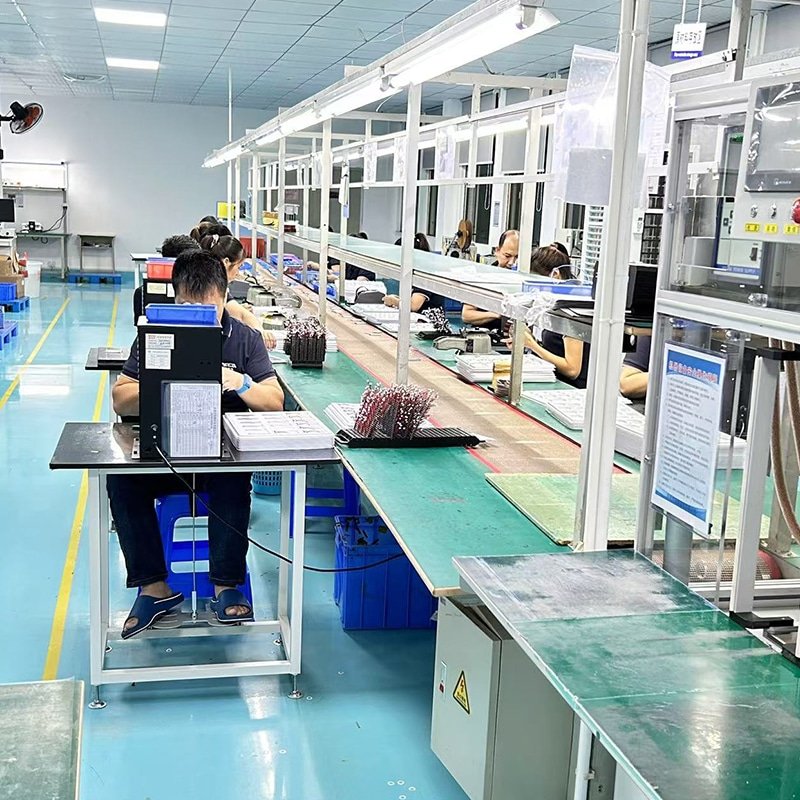
Mechanical and Material-Level Safety Design
Passive controls consist of mechanical and material selection, which carry out the even heat distribution and protection against direct contact or outer harm.
Incased layers between insulated heating components and skin are used to minimize the chance of burn despite a short burst of over 0 temperature. In the worst scenarios flame-retardant fabrics provide resistance to fire. The heat distribution meshes/films evenly and do not have hot spots. Enhanced wiring has a stronger ability to flex and pressure whereas waterproofing helps to avoid moisture that may lead to short circuits or corrosion.
| Mechanical Protection | Purpose |
| Insulation layer | Prevent direct skin burn |
| Flame-retardant material | Fire resistance |
| Reinforced wiring | Movement durability |
| Waterproof sealing | Moisture protection |
These factors provide a guarantee that despite momentary failure of active controls, passive design will prevent an increase of thermal risks.
Validation and Overheat Testing Procedures
Strict validation ensures that thermal protection in the heated wearables works using actual and simulated loads.
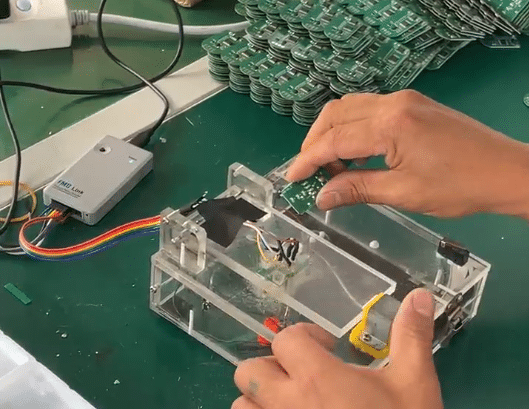
Thermal cycling tests subject a prototype to repeated warming/cooling tests to determine component stability. Continuous load test Pure garments run on maximum settings continuously and gauge degradation. Extreme environmental simulation incorporates Cold-soak and then high power turn on, moisture exposure, and compression tests. Simulation of sensor failure artificially introduces faults to make fallback mechanisms work. Wear testing in real scenarios, e.g. wear testing on human beings or mannequins, is the validation of performance during movement, layering as well as variation of ambient conditions.
They are used in this way to discover potential weakness points early on and have to meet the standards, not only CE, UL and RoHS but also to have confidence in the long-term reliability.
Common Overheat Protection Design Mistakes
Lots of design flaws are caused by insufficient estimation of thermal risk of wearables:
- Applying perhaps just manual temperature level without an integrated feedback loop, where heat can accumulate uncontrolled over limited dissipation.
- Undergoing sensor calibration, which results in incorrect measurements and delayed reaction.
- Omitting worst-case scenario testing, e.g. blocked ventilation or sensor failures.
- Utilizing low quality protection circuits which do not use redundancy or fail early.
- Poor insulation design, which leads to the lack of good dissemination of heat and hot spots.
By filling these loopholes in the development process, one can avoid field failures and regulatory concerns.
Conclusion — Overheat Protection Defines Product Safety
Simple temperature limitation does not achieve overheat protection in electric heated clothing; rather, a layered engineering approach to the problem combines battery protection, control logic, thermal sensing and material definition into a reliable, proven system. This architectural promise reduces the chances of thermal failure, provides consistency in a wide variety of operations, and maintains the basic safety demanded by the consumer confidence and commercial viability. Engineers deliver warm clothes that does not interfere with protection and has been as a result of focusing on system-level integration at the very beginning.