
Blog

Skier and snowboarder on a mountain slope, highlighting the importance of warm hands with heated gloves for winter sports.
Blog

OEM Heated Gloves: What Brands Need to Know Before Customizing

Customizing OEM heated gloves requires brands to navigate key decisions on heating systems, batteries, and materials to meet user needs like warmth in extreme cold. This guide outlines the OEM process from concept to production, highlighting potential pitfalls and best practices. By focusing on reliable manufacturers, brands can create high-quality products that stand out in competitive markets.

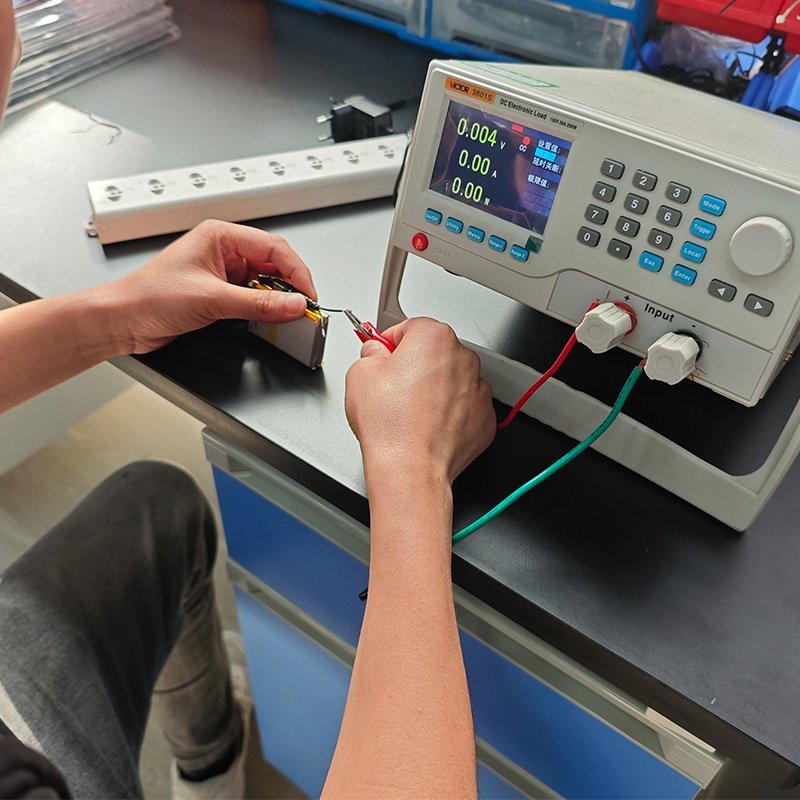
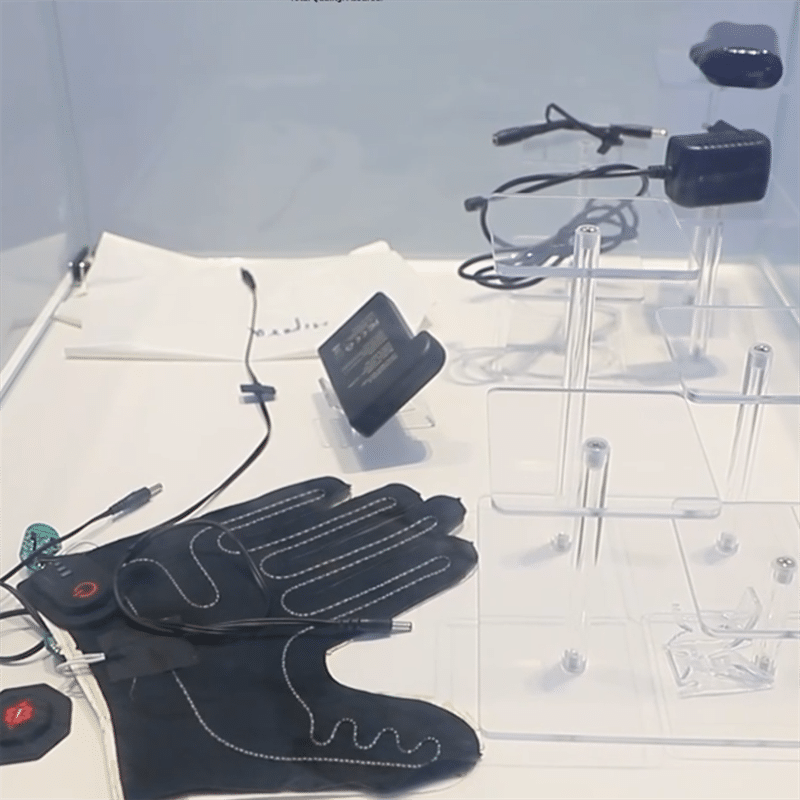
Side-by-side comparison of heated glove prototypes (technical, design, pre-production samples) or equipment conducting heating performance and battery safety tests.
Blog

MOQ, Cost, and Lead Time: What to Expect When Customizing Heated Clothing

When customizing heated clothing, buyers should expect MOQs starting at 500-1,000 units, costs ranging $20-80 per piece depending on features, and lead times of 8-16 weeks from design to delivery. These factors are unique in heated apparel due to the integration of electronics like batteries and heating elements, which require specialized supply chains and testing. Understanding them helps brands manage budgets, avoid delays, and ensure product safety and performance.

Visual roadmap or infographic detailing the complete 8-stage OEM/ODM heated clothing development process: Concept, R&D, Prototyping, Testing, Production.
Blog

A Complete Guide to OEM/ODM Heated Apparel Development (From Idea to Production)

OEM/ODM heated apparel development involves transforming ideas into custom products through stages like design, prototyping, testing, and production, ensuring features like adjustable heating and safe batteries meet market needs. This full lifecycle covers everything from material selection to logistics, helping brands avoid pitfalls in creating heated jackets or gloves. Brands must prioritize safety certifications, realistic timelines, and technical specs to launch high-performance gear successfully.

Person confidently wearing a heated jacket in a winter setting, representing safe and reliable warmth.
Blog

How to Find a Reliable Heated Clothing Manufacturer in China

Selecting a reliable heated clothing manufacturer in China is crucial to avoid safety risks like battery failures or poor heating performance that could harm your brand’s reputation. This guide outlines essential criteria such as certifications, technical capabilities, and quality control systems. Follow practical steps for global buyers to source high-quality OEM heated apparel, from initial research to building long-term partnerships.

Infographic showing three temperature settings (e.g., 104°F/40°C Low, 122°F/50°C Medium, 140°F/60°C High) matched to activities like commuting, skiing, and extreme cold.
Blog

How We Test Heated Clothing: Safety, Overheating, and Battery Protection

Heated clothing undergoes rigorous tests for heating performance, overheating protection, battery safety, waterproofing, mechanical durability, and real-world simulations to prevent failures like burns or shorts. These evaluations, aligned with standards like CE and UL, are vital for ensuring products deliver consistent warmth without risks. By understanding these processes, buyers can choose gear that’s truly built to last in winter sports or outdoor work.

Technical diagram explaining heated clothing temperature control: microcontroller on PCB uses PWM to regulate power to heating elements for safety and efficiency.
Blog

Temperature Control Systems Explained: APP, Remote, Three-Level Switch

Temperature control systems in heated clothing range from simple three-level switches for basic adjustments to remote controls for hands-free operation and APP integrations for precise, smart regulation. Each works by modulating power to heating elements, ensuring safe warmth without overheating. Choosing the right one depends on your activity—switches for everyday simplicity, remotes for mobility, and APPs for advanced customization in sports or work.

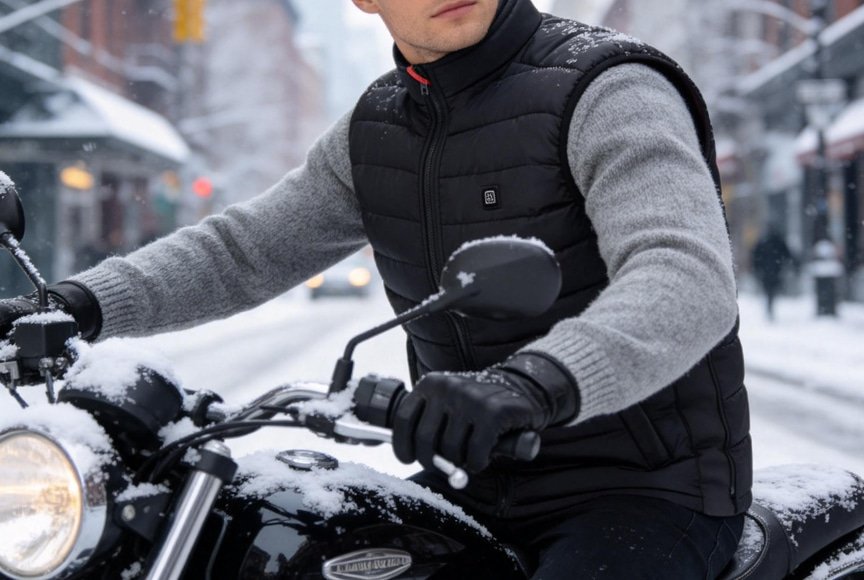
Person confidently wearing a heated jacket in a winter setting, representing safe and reliable warmth.
Blog

How Electric Heated Clothing Works: Inside the Heating System

Electric heated clothing uses battery-powered elements to generate on-demand warmth, transforming cold-weather outings into comfortable experiences. This guide explains the inner workings of its heating system, from carbon fiber elements to smart controls, helping buyers understand why quality tech matters for performance and safety. Whether for skiing or daily commutes, knowing these details ensures you pick gear that delivers reliable heat without risks.

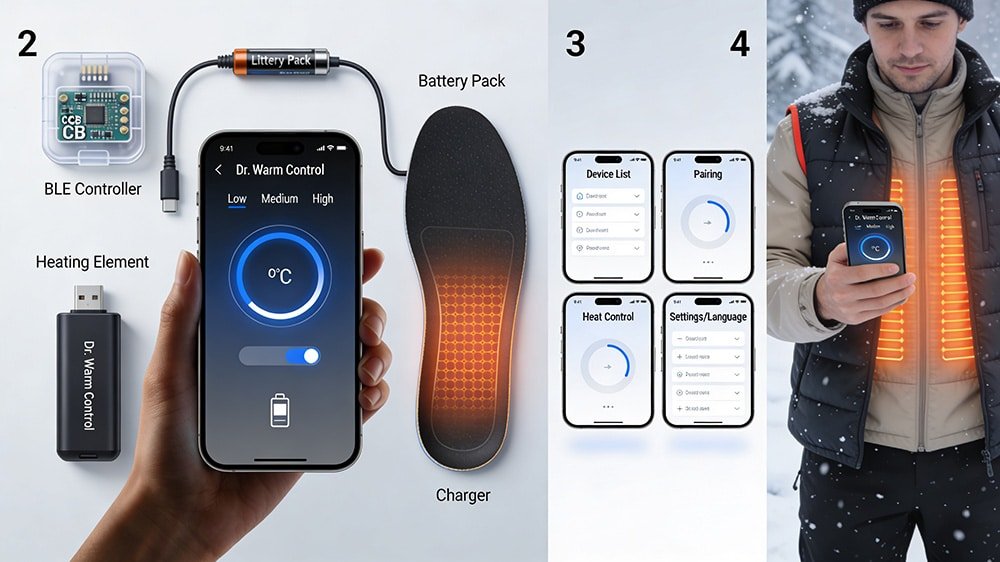
Person comfortably enjoying winter outdoors, using a remote to adjust the temperature settings on their heated jacket.
Blog

What Temperature Should Heated Clothing Reach? Expert Breakdown

Heated clothing typically reaches 38–65°C (100–149°F) across low, medium, and high settings, with safety features preventing burns above 60°C. This expert breakdown covers variations by product type, like higher heat in gloves for finger warmth, and emphasizes certifications for trustworthy performance. Discover how environmental factors and activities influence the right temperature for optimal comfort and safety.

Detailed schematic or 3D render of a carbon fiber heating element embedded in fabric, showing its thin, flexible, and woven structure.
Blog

Carbon Fiber vs Heating Film vs Heating Wire: Which Heating System Is Better?

When choosing between carbon fiber heating, heating film technology, and traditional heating wire systems, each offers unique benefits in heat distribution, durability, and efficiency. This comparison breaks down their technical differences to help buyers select the best heating element for heated clothing like jackets or gloves. Understand which performs best in real scenarios, from skiing to outdoor work, for optimal warmth and longevity.

Heated gloves and jacket being tested in simulated rain or snow, demonstrating their water resistance capabilities.
Blog

How Waterproof Are Heated Gloves and Jackets? Full Explanation

Curious about the waterproof capabilities of heated gloves and jackets? This full explanation breaks down IP ratings, membranes, and protection levels to help you choose reliable snowproof heated clothing. Proper waterproofing ensures your gear stays functional and safe during heavy snow, rain, or sweat in winter sports and outdoor work.

Scroll to Top