Why Choosing the Right Heated Clothing Manufacturer Matters
It is not only a matter of having someone produce the right heated clothes in China but also protecting your business against expensive traps. An underperforming factory may compromise battery safety to overheat or even recall the product, which I have witnessed push startups out of the outdoor gear sector. Safety comes first: Lithium batteries that are incorrectly designed and lack protection may swell or leak, which puts your business at risk of fire, and insufficient certification such as the CE certification or the TUV certification may prevent your business access to some markets such as the US or the EU. Which documents you actually need is covered in our guide to heated clothing certifications for the US and EU market.
As a sourcing consultant working with heated apparel over the years, I have helped brands to avoid disasters by focusing on performance, such as consistent levels of heating, long life of elements, and sure waterproofing. The inappropriate partner may provide intermittent quality, which impacts warmth in real life situations such as a jacket of a skier failing during a run or gloves of a hunter failing in the rainy season. Such certifications as FCC of electronics or RoHS of materials are not buzz words, but a guarantee of compliance. Choose carefully and you will have scaling OEM heated apparel up to international standards that will increase customer trust and enhance long-term development. Our factory offers comprehensive OEM/ODM services backed by manufacturing experience since 2013.
Step 1 — Understand the Heated Clothing Manufacturing Market in China
China controls the production of heated apparel as the country is endowed with a large supply chain, skilled workers, and the availability of materials such as carbon fiber heating elements and lithium batteries. Shenzhen and Dongguan of the Guangdong Province are major hubs, their factories are concentrated around the suppliers of electronics to be used in quick prototyping. The Province of Zhejiang deals with more textile oriented business, which is mostly suitable in jackets and vests.
Why China? It is the center of low-cost innovation such as advanced PCB design and integration of apps that can be at a fraction of Western prices. The types of factories include OEM (original equipment manufacturer) to make to your specifications, ODM (original design manufacturer) to do your own design, and the trading companies that subcontract but mark up. During my sourcing trips, Dongguan has been the best in terms of the factory set up of the segment of China as far as heating gloves is concerned and has vertical integration of elements weaving to final assembly. To start the world purchases, refer to such sites as Alibaba or Made-in-China, however, do not rely on the listing alone, the Chinese market is enormous, and the quality of products is all over the place.
Step 2 — Identify What Type of Heated Products You Need
Clear up your product range first, before visiting factories: you have different products that require different skills and not every manufacturer will deal with any of them.
Heated Jackets & Vests
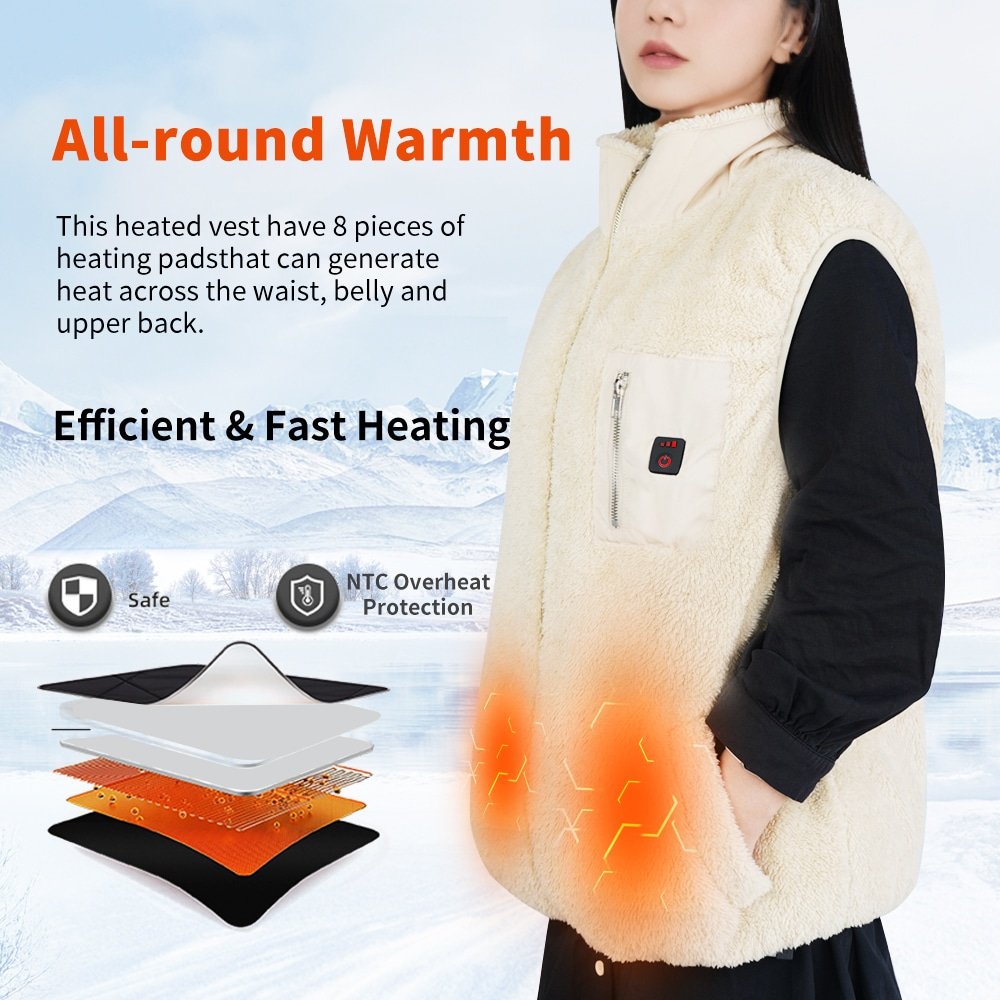
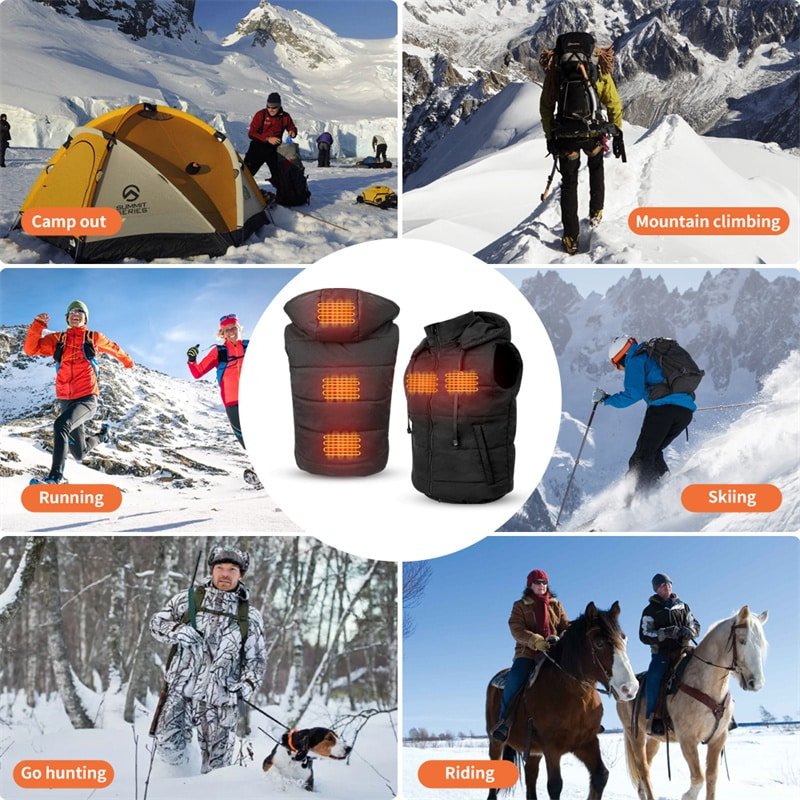
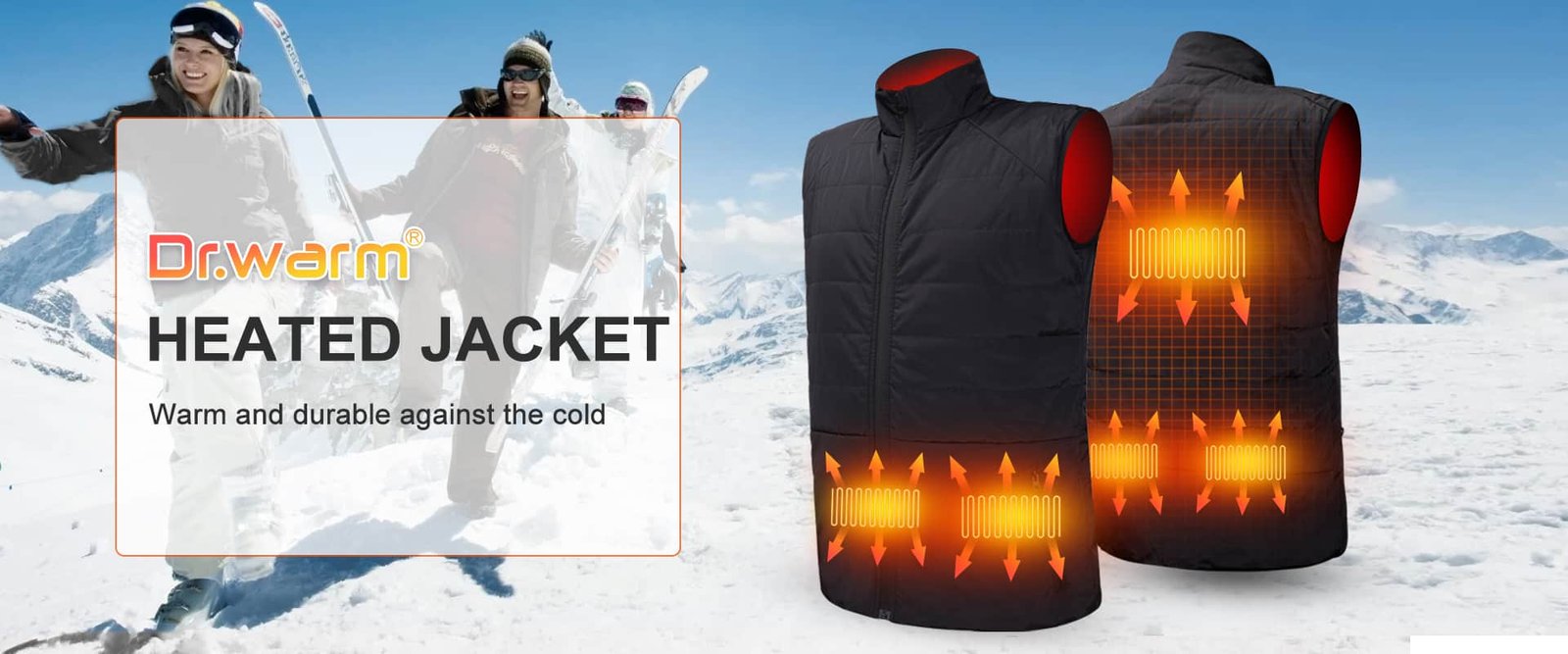
These require high power heating systems to heat the core, which may have many zones and large capacity batteries. Find factories that have worked with softshell or puffer fabrics with the Thinsulate insulation. A Chinese manufacturer that can be trusted may produce ODM of ski brands, where skiers can control the heat. Our custom heated jackets and heated vests demonstrate exactly this capability with multi-zone heating and high-performance insulation.
Heated Gloves
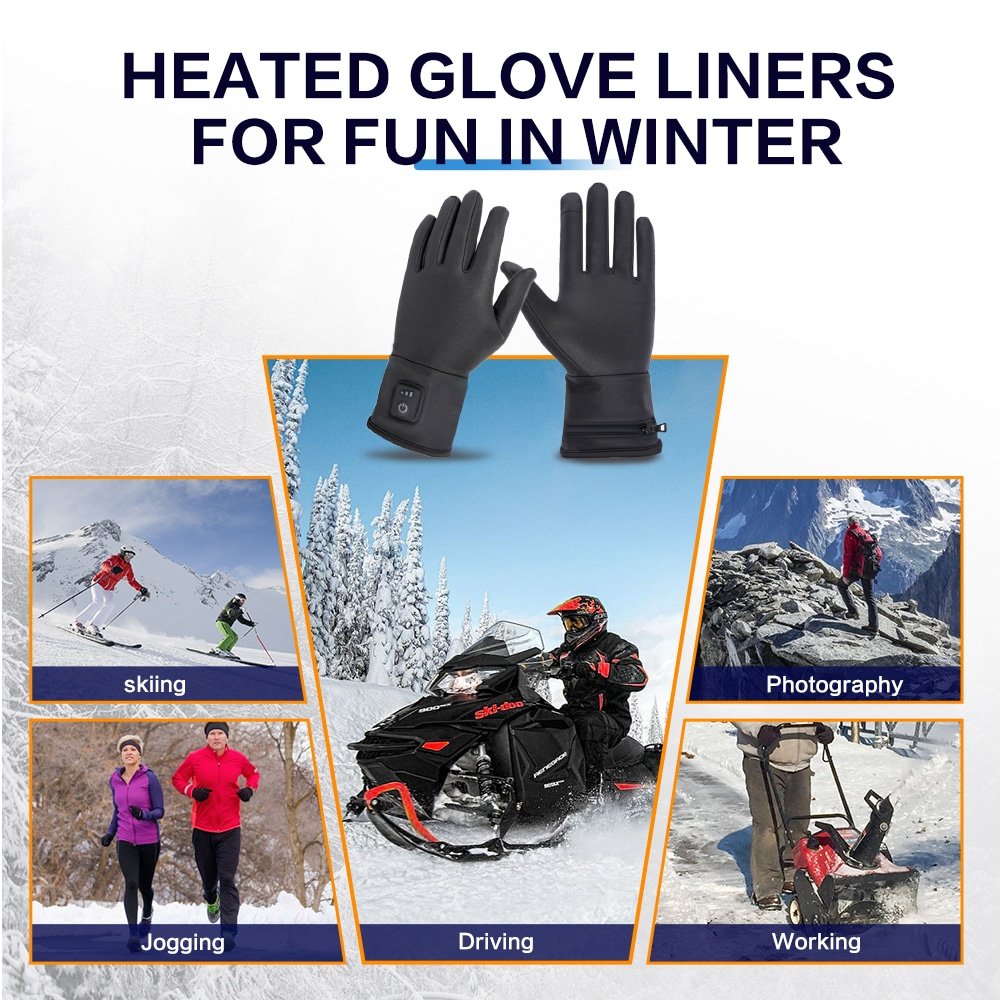
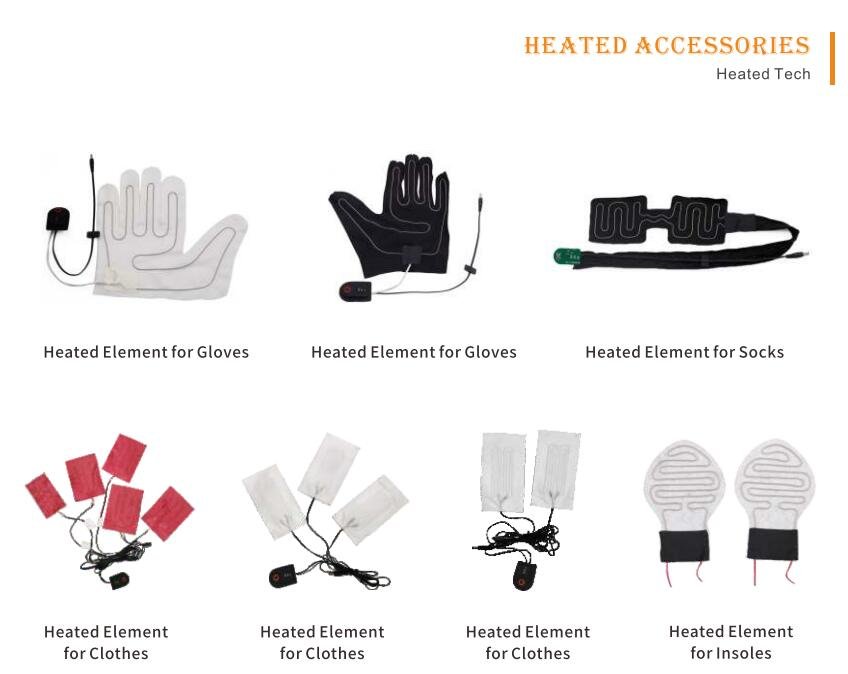
Pay attention to dexterity and waterproofing-elements should be able to bend, without breaking and this is best suited to the motorbikes or tactical. Even distribution of heatable gloves factory China is commonly done with carbon fiber, though touchscreen compatibility is tested. We are a specialized heated gloves factory China with proven expertise in dexterity-focused designs for sports and tactical applications.
Heated Socks & Insoles
Heated toe attractiveness is essential, and slim batteries can be used to fit into boots. This may be an area in which factories in Shenzhen may perform well by incorporating remote controls. As an experienced custom heated insoles manufacturer, we deliver slim, high-performance solutions tailored for boots and extreme cold environments – and our custom heated socks follow the same slim-battery approach for sub-zero wear. In hunting clothes, moisture-wicking linings are the way to go to avoid clammy clothes.
Heated Pants / Underwear
These require low profile components to be worn under garments, and those should fit extreme cold work clothes. ODM partners have the option of personalising to base layers, though they check battery positioning on mobility.
Specialization counts– a jacket specialist may not be as good at nail glove ergonomics as his needs imply, so fit your requirements with factory capabilities.
Step 3 — Key Criteria for Evaluating a Reliable Manufacturer
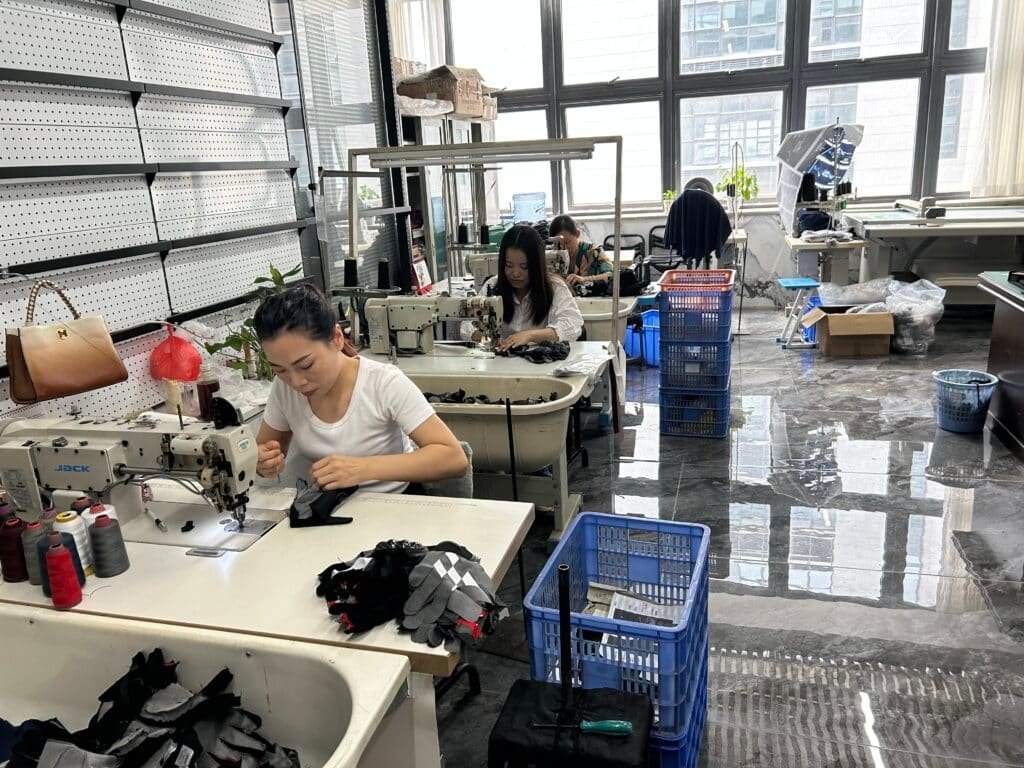
Assessment of factories should be done based on a checklist that is based on technical and operational capability- do not just accept sales pitches as they are.
Technical Capability
Evaluate their proficiency in heating components, PCB layout of control and battery technology such as BMS to provide protection. An excellent manufacturer of heated clothing in China must exhibit in house R&D on application or remote integration. This includes advanced custom battery packs with reliable BMS protection and optimized runtime for different product categories. I have tried places where the level of voltage modulation was developed to make the 3-level heating constant, which is vital to performance. In-house PCBA design expertise is one of the strongest indicators of a capable heated clothing manufacturer.
Certifications & Safety Compliance
Demand ISO 9001:2015 in quality management, CE in the EU, RoHS in materials, FCC in electronics, TUV in compliance, UN 38.3 in batteries, and GB 47372-2026 with CCC for the battery pack. These are not optional – they validate overheating tests and battery stability tests. Your heated apparel OEM/ODM order could not clear customs without them.
R&D Ability
Well-equipped ODM factories can prototype in weeks, and can build to specifications on sketches. Seek signs of innovation, such as graphical films to be efficient. With ski brands, I have found with very strong R&D, that there was a faster progression of vest designs.
Production Capacity
Check factory size- 100+ workers sized up-100 workers- Check factory scale- 100 automated sewing lines equipment. Lead times are influenced by the seasonal peaks (in winter gear, it becomes fall) and thus monthly output should be checked. A stable business partner deals with 10,000 units without quality lapses.
Quality Control System
Components and battery age tests, and waterproof inspection are necessities. Demand QC reports- good factories will apply thermal imaging to heat uniformity. I have terminated suppliers who do not have these as they resulted in failures in the fields. For a scored version of this screening, see our 9 checks before you sign with a heated apparel manufacturer.
Export Experience
Give priority to the ones shipping to North America or EU, who are well acquainted with standards. Winter sports clients that have done business with the company show consistency in sourcing heated clothes.
Step 4 — How to Compare Different Factories (Practical Checklist)
Narrow by asking samples–test heating reliability, battery life (need 4-8 hours), and comfort. Assess sewing as long-lasting, insulating as warm coat, and water stain by a spray test. Check the quality of materials such as nylon shells that are wind resistant. Check out client cases- request reference on similar products. Review prices versus functionality; low bids can mean corner cutting. In a sourcing initiative to hunt apparel, the factory that was best at integrating carbon fibre, was discovered through samples and the deal was sealed.
Trading Company vs OEM Factory vs Full ODM Partner
| What to compare | Trading company | OEM factory | Full ODM partner |
|---|---|---|---|
| Who you actually deal with | A middleman sourcing from third parties | The plant that owns the tooling and QC | The plant that designs, engineers and builds |
| Customisation depth | Logo and packaging only | Your design built to spec on our lines | Concept-to-mass-production, engineering included |
| Control over the heating system | Outsourced and hard to trace | Sourced and assembled in-house | Developed, tested and assembled in-house |
| Certificate ownership | Rarely in the trader’s own name | Held in the factory’s own name | Held in the factory’s own name |
| Lead-time control | Depends on the factory behind them | Scheduled directly on their own lines | Scheduled with buffer built in for R&D |
| Best for | Testing a market fast with low risk | Established designs ready to scale | New products that need engineering |
Step 5 — How to Verify a Manufacturer (Due Diligence Guide)
Promises are confirmed to become evidence–do not omit this in order not to fall into a snare.
Factory Audit Checklist
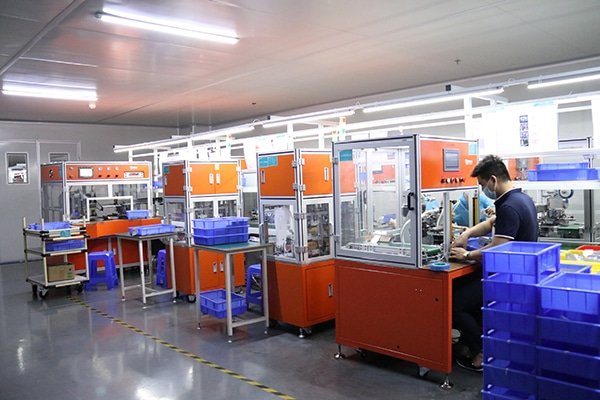
Carry out physical or online audit: Inspections of assembly lines, training of workers and check of equipment. Look for separated QC areas. Video tours have helped me identify untidy wiring stations, which is an indicator of safety.
Request Certifications & Test Reports
Demand the originals of ISO 9001:2015, CE, RoHS, FCC, TUV , UN 38.3, and GB 47372-2026 with CCC – then check them through the issuing databases. There should also be test reports on overheating and battery drop tests.
Understand Real MOQ & Lead Time
Expect a real MOQ of about 500 units for full ODM and 100 units for OEM (your logo and packaging on our existing tooling), while in-stock models start from 1 unit. Sampling runs 7-30 days and the sampling fee is credited back against your mass-production order. Q4 raises lead times; off-season is quicker – plan around your launch window.
Speak With Engineers, Not Only Salespeople
Technical discussions indicate professionalism–enquire about BMS integration or types of elements. Hype in sales is erased; engineers deliver truths.
Step 6 — OEM/ODM Requirements You Must Clarify Upfront
Work early to prevent revisions.
Heating Temperature Levels
Select 3-5 levels (low 100degF, high 140 deg F) auto-shutoff.
Battery Specifications
Safety Compliance 2000-5000mAh Demand Li-ion, BMS, and UN38.3.
Material, Fabric & Insulation Choice
Use nylon or leather with Thinsulate–checks on being waterproof.
Heating Element Type (Carbon Fiber / Film / Wire)
Flexibility; clarify depending on product, carbon fiber.
Packaging & Branding Requirements
Bespoke boxes with logos; make environmental-friendly as per RoHS.
Step 7 — Key Red Flags to Avoid (Spot Unreliable Manufacturers)
Observing no certifications–indicates non-conformance. Very cheap prices may imply poor quality of batteries that can easily catch fire. The unclear responses to technology such as PCB design are all indicative of outsourcing. Poor QC is depicted by inconsistent samples. No reports or references? Walk away. I have escaped disasters with the help of their identification during first calls.
Step 8 — How to Build a Long-Term Partnership With Your Manufacturer
Begin with effective communication – weekly updates throughout the production. Endorse samples carefully. Develop testing procedures such as batch QC. Negotiate post sales defects. Arrange logistics to ship in time. In my experience with outdoor companies, the following actions transformed off-the-shelf purchases into annual contracts with a guaranteed level of quality.
FAQ: Sourcing Heated Apparel in China
Which part of China should I source heated clothing from?
Guangdong – especially Dongguan and Shenzhen – is the main hub for heated apparel because the electronics, carbon-fibre heating elements and lithium-battery supply chain sits there, which shortens prototyping. Zhejiang leans more toward textile-heavy garments. If your product is heating-system-led, Guangdong usually gets you to a working sample fastest.
How long does sampling and production take for heated apparel?
Sampling typically runs 7-30 days, and the sampling fee is credited back against your mass-production order. For production, allow 20-25 days for OEM built on existing tooling, 45 days for standard order volumes, and 50-60 days for full custom ODM development. Q4 is the peak season, so build buffer into your launch plan.
What documents should I request before paying a deposit?
Ask for certificate files in the factory’s own name – ISO 9001:2015, CE, RoHS, FCC, TUV, UN 38.3, and GB 47372-2026 with CCC for the battery pack – plus overheating and battery drop-test reports, a written quotation with the MOQ per model, a sample-approval sheet, and the payment schedule. Matching the certificate holder name to the company you are paying is the fastest way to spot a trader posing as a factory.
What are the biggest red flags when sourcing heated apparel from China?
Certificates that are not in the factory’s own name, no engineering contact for battery or element questions, prices far below the market, no willingness to share test reports, vague lead times, and a refusal of a third-party inspection. Any one of these is reason to walk away before you pay a deposit.
Final Recommendation
Dongguan, as a research hub, must be verified in terms of certifications and audited to ensure a trusted partner in the field of provided services and products, including heated apparel, is located in China. Important standards: Technical Research and Development, good Quality control, and export expertise. One should avoid such pitfalls as not focusing on red flags or missing engineer discussions because due diligence can guarantee safety through adequate battery protection and working through tested components. Under this strategy, you will have sourced the combination of hot clothes that will meet the requirements of the real world, and will establish a robust supply chain to your business.