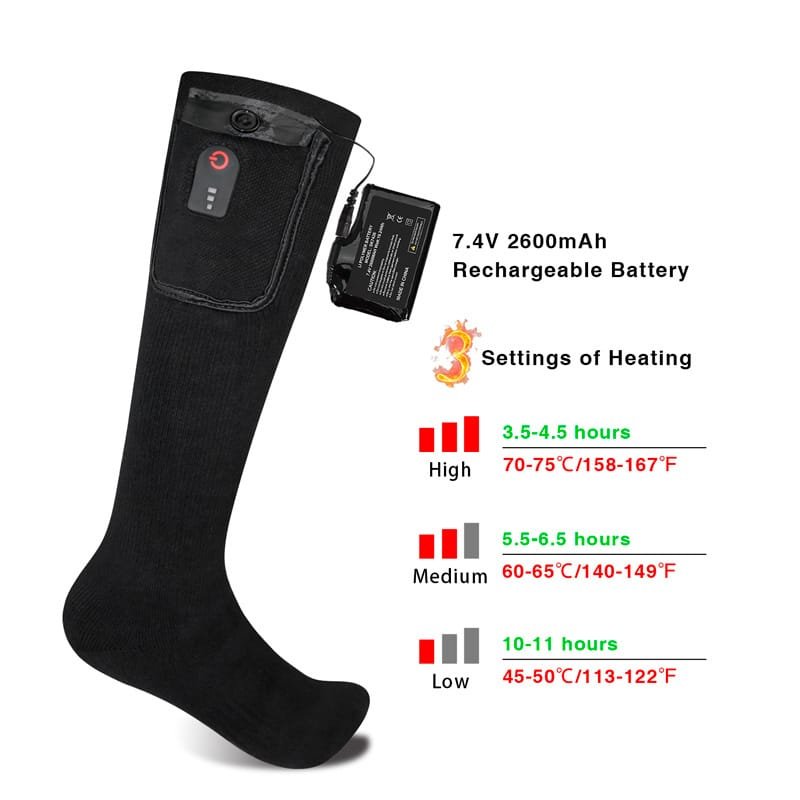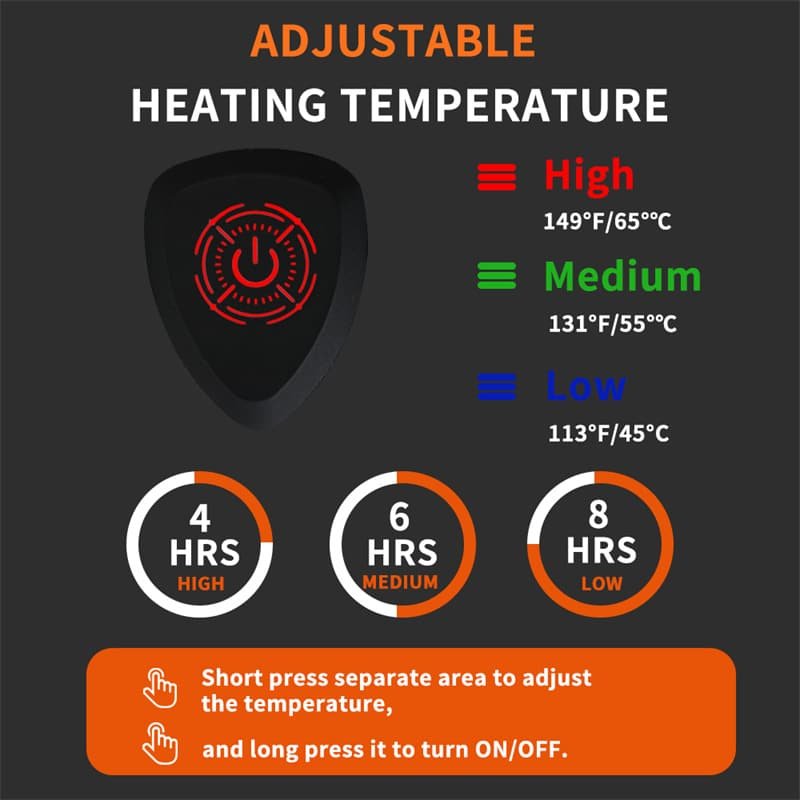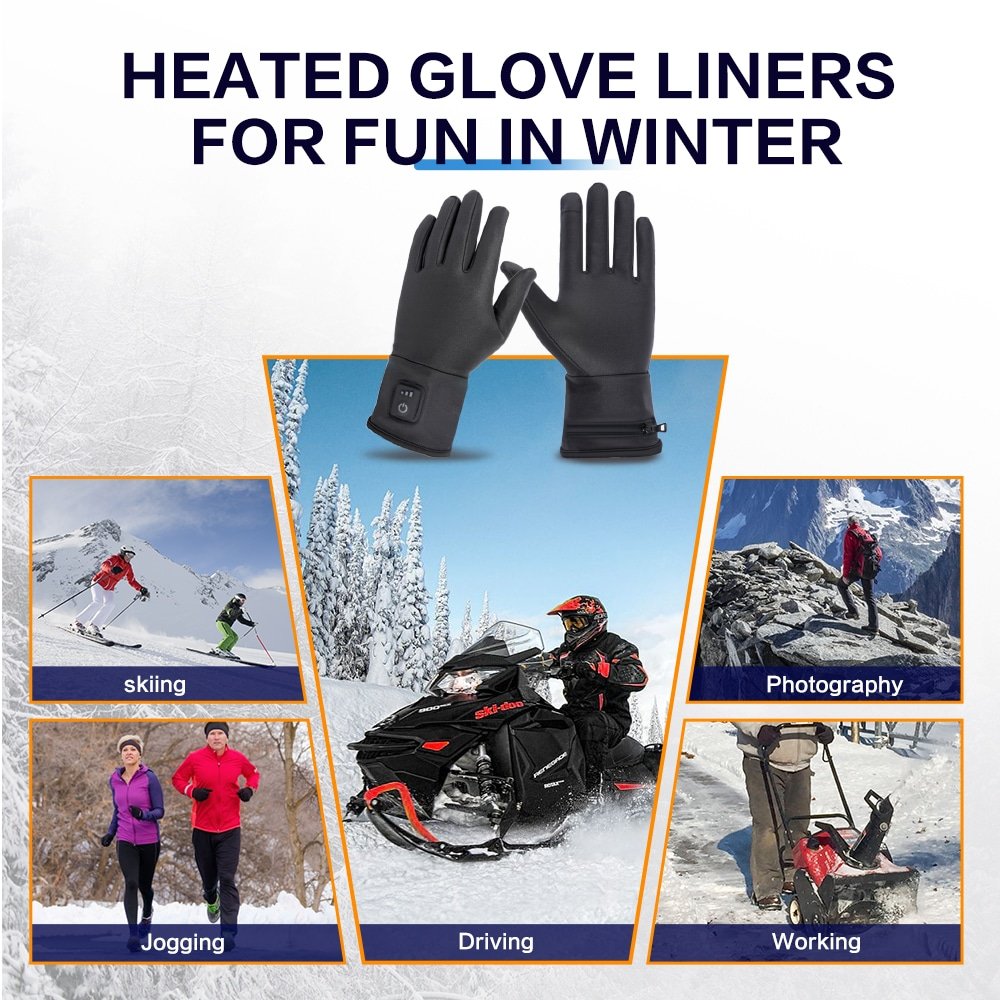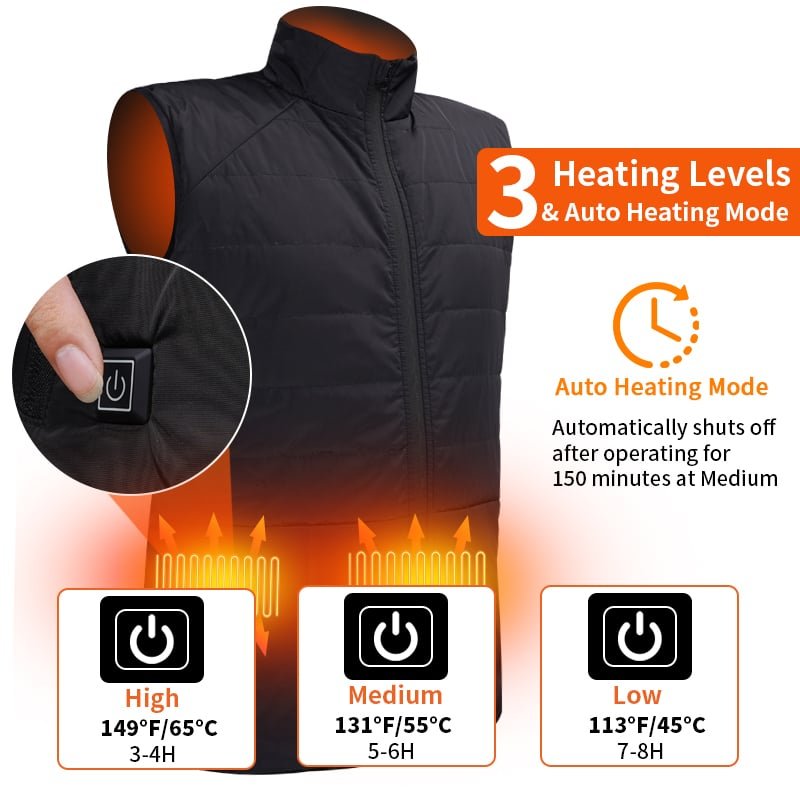

The three numbers that decide whether your heated clothing launch succeeds are not the price — they are MOQ, sampling time and production lead time. Miss the timing and your first batch of heated jackets arrives in March, when nobody wants them. Get it right and you can go from first contact to products in hand in time for peak winter sales.
If you are still deciding what to launch at all, the brand launch roadmap walks through the earlier steps in order.
This guide explains what drives each number, what is realistic to expect, and how to build a timeline backwards from your launch date. We manufacture heated apparel in Dongguan, China, and these are the questions every serious buyer should ask before the first order — plus the ones we answer every day.
The Three Numbers You Need to Understand
MOQ (Minimum Order Quantity)
MOQ is the smallest number of units a manufacturer will produce in one order. It exists because every order carries fixed costs — production line setup, material sourcing, heating-element configuration, testing and QC — that must be spread across units. Below a certain quantity, the per-unit cost becomes uneconomical for both sides.
The MOQ you are quoted depends heavily on the level of customization:
| Customization level | What it means | Typical MOQ range |
| Stock design + your logo | Existing product, branding only | ~100–300 units |
| Stock design + color/material tweaks | Existing pattern, some choices | ~300–500 units |
| Full custom design (ODM) | New style developed for you | ~500–1,000+ units |
| Proprietary tooling / custom components | Exclusive molds, new heating layout | Higher, project-specific |
These are industry-typical ranges, not a promise from us — MOQ varies by factory, product and how much is customized, so always ask for the number in writing per product. What matters is that the MOQ logic is transparent: a factory should explain why their number is what it is, not just quote it.
Sampling Time
Before mass production, you should always approve a sample. Sampling typically happens in two or three stages:
- Stock sample — an existing product without your branding, to evaluate quality, fit and heat performance. Usually available quickly (days, not weeks), priced near cost.
- Custom sample — made to your spec: your colors, logo, chosen battery, any spec changes. Custom samples typically cost more than a production unit (setup for a one-off) and take weeks.
- Pre-production sample — from the actual production line before bulk sewing starts, confirming everything is locked before the full run.
Budget at least 2–4 weeks for a custom sample after specifications are finalized — longer for full ODM development with new patterns or heating layouts.
Production Lead Time
Production lead time is the time from order confirmation to shipment. For heated clothing, it is longer than for plain apparel because the product is a garment plus an electronic heating system. A typical production timeline breaks down roughly like this:
| Stage | What happens |
| Fabric & component sourcing | Materials ordered, incoming QC |
| Cutting & sewing | Garment panels produced |
| Heating integration | Elements, wiring and controllers installed |
| Electronics testing | Function testing of heating system |
| Final QC & packing | Inspection, labeling, cartons |
Add shipping on top — air freight is faster but costs more; sea freight is cheaper but adds weeks. Total from order confirmation to warehouse typically lands in the range of several weeks to a few months depending on factory, customization and shipping mode.
Building Your Timeline Backwards
Heated apparel is seasonal — demand peaks in autumn and winter. The most common mistake we see is buyers starting too late and then asking for impossible rush production. Plan backwards from your target date:
Example: you want products in your warehouse by October 1 for winter sales.
| Step | Timing |
| Finalize product specs & quotes | ~6–8 weeks before sample approval |
| Custom sample approved | ~2–4 weeks before production |
| Production & electronics testing | Allow the factory’s stated lead time |
| Shipping (air/sea) | Air: days–1 week. Sea: several weeks |
| Buffer for delays | 2+ weeks recommended |
If you need products for October, the conversation with manufacturers should start in early summer — not September. For full ODM development, start even earlier.
How to Get Real Numbers Fast
When you contact a manufacturer, send a specification that lets them quote accurately:
- Product type and quantity — even an estimate helps
- Customization level — logo only, or full custom design?
- Target market — affects certification needs
- Desired timeline — your launch date, not just “as soon as possible”
- Questions to ask in writing:
- What is the MOQ per product and customization level?
- What is the sample cost and sample lead time?
- What is the production lead time from order confirmation?
- Does the clock start at deposit or at specification approval?
- What is included in the price (testing, packaging, certifications)?
What Slows Orders Down (and How to Avoid It)
Most delays do not come from the factory — they come from the buyer side:
- Unfinished specifications — every round of changes resets the clock
- Vague approval timelines — samples that sit unapproved for weeks
- Certification gaps — discovering late that your target market needs a certification the product does not have yet
- Peak-season squeeze — every heated apparel factory is busiest right before winter; early bookings get the production slots
Finalize your spec, approve samples quickly, and confirm certification requirements early — see our certification guide before you start.
Manufacturer Insight: What a Realistic Partner Looks Like
From inside a factory, the buyers who succeed are the ones who treat lead time as a plan, not a wish. They ask for the MOQ breakdown, they budget real time for samples, and they start early enough that rush production is never needed. A good manufacturer will tell you honestly what their timeline is — including the uncomfortable “that date is not realistic” answer — because a partner who promises the impossible in July is the same one who misses your October deadline. When you hear a promise that sounds too fast for the customization level you asked for, ask exactly how they will hit it.
FAQ
What is a typical MOQ for heated clothing? It depends on the customization level. Stock designs with logo-only branding often start around 100–300 units; custom colors or materials raise it; full custom ODM development typically needs 500–1,000+ units. Always ask for the number in writing for your specific product.
How long does it take to get a sample of heated clothing? A stock sample can ship in days. A custom sample made to your specification typically takes 2–4 weeks after specs are finalized; full ODM development with new designs takes longer.
How long does heated clothing production take? Production lead time varies by factory, product and order size — typically several weeks to a few months from order confirmation, plus shipping time. Ask for the timeline in writing and clarify when the clock starts.
When should I order heated clothing for winter sales? For products in hand by early autumn, start the conversation with manufacturers in early summer. Heated apparel is seasonal and factories are busiest right before winter — early bookings get the production slots.
Can I get a lower MOQ for my first order? Some manufacturers offer lower MOQs for stock designs with simple branding, or phased programs where you start with a pilot quantity. Ask about options — but be cautious with any factory that promises a rock-bottom MOQ with no explanation of how they make it work.
Plan Your First Order with Us
MOQ, sampling and lead time should never be a surprise. Contact our team with your product idea and target date — we will send you our MOQ structure, sample process and current production timeline in writing, so you can plan your launch with real numbers instead of guesses.
Frequently Asked Questions
What minimum order should a first buyer expect?
Stock designs with your branding start from a single unit; OEM against your own specification typically starts at 100 pieces; full ODM development typically starts at 500. The number tracks how much tooling and engineering is being created specifically for you.
Why does a custom sample cost more than a production unit?
Because it is a one-off. Setup, programming and a single run carry the whole cost with no volume to spread it across. The sample price is a development cost, and it remains the cheapest place to discover a problem.
What actually stretches a lead time?
Specification changes after sampling, artwork approval and material shortages — in that order. Production itself is usually predictable. The delays come from decisions that arrive after the line was already scheduled for something else.
How should shipping be planned against production?
As one timeline, not two. Sea freight is cheaper and slower, air is the reverse, and the choice changes when the order has to be placed. Deciding the shipping mode after production starts is how a well-run factory schedule still misses a season.