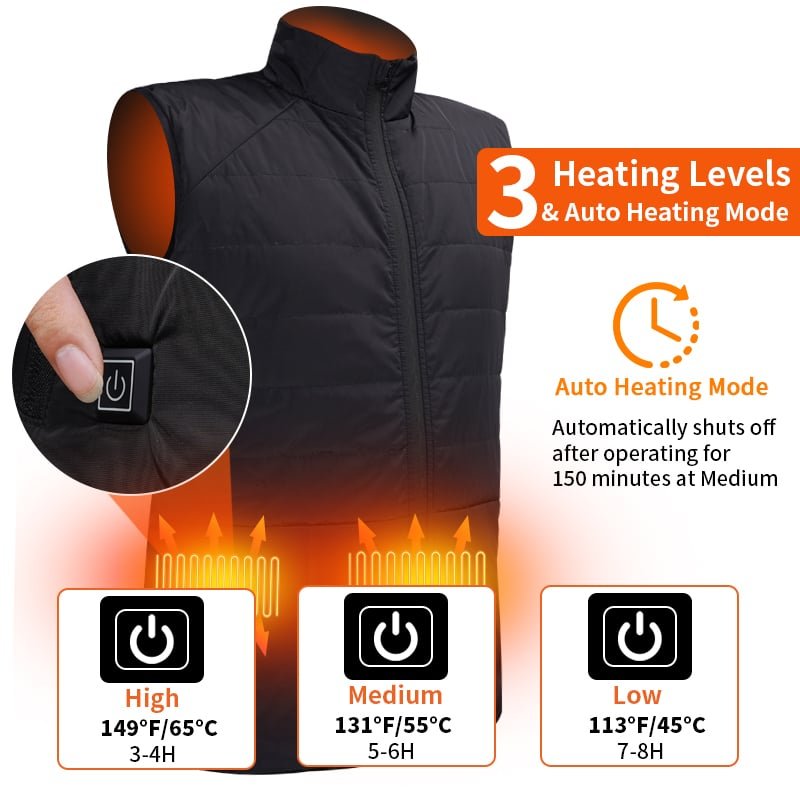

Heated clothing is one of the fastest-growing winter categories — but it is also one of the hardest to launch well. You are not just starting a clothing brand; you are starting a brand whose products combine textiles, electronics and lithium batteries. Get the basics right and you can build a real business. Get them wrong and you will burn money on samples, miss the season, or launch a product that fails safety checks.
We manufacture heated apparel in Dongguan, China, and work with new brands every year. This roadmap is the sequence we see successful first-time brands follow — in the order that actually works.
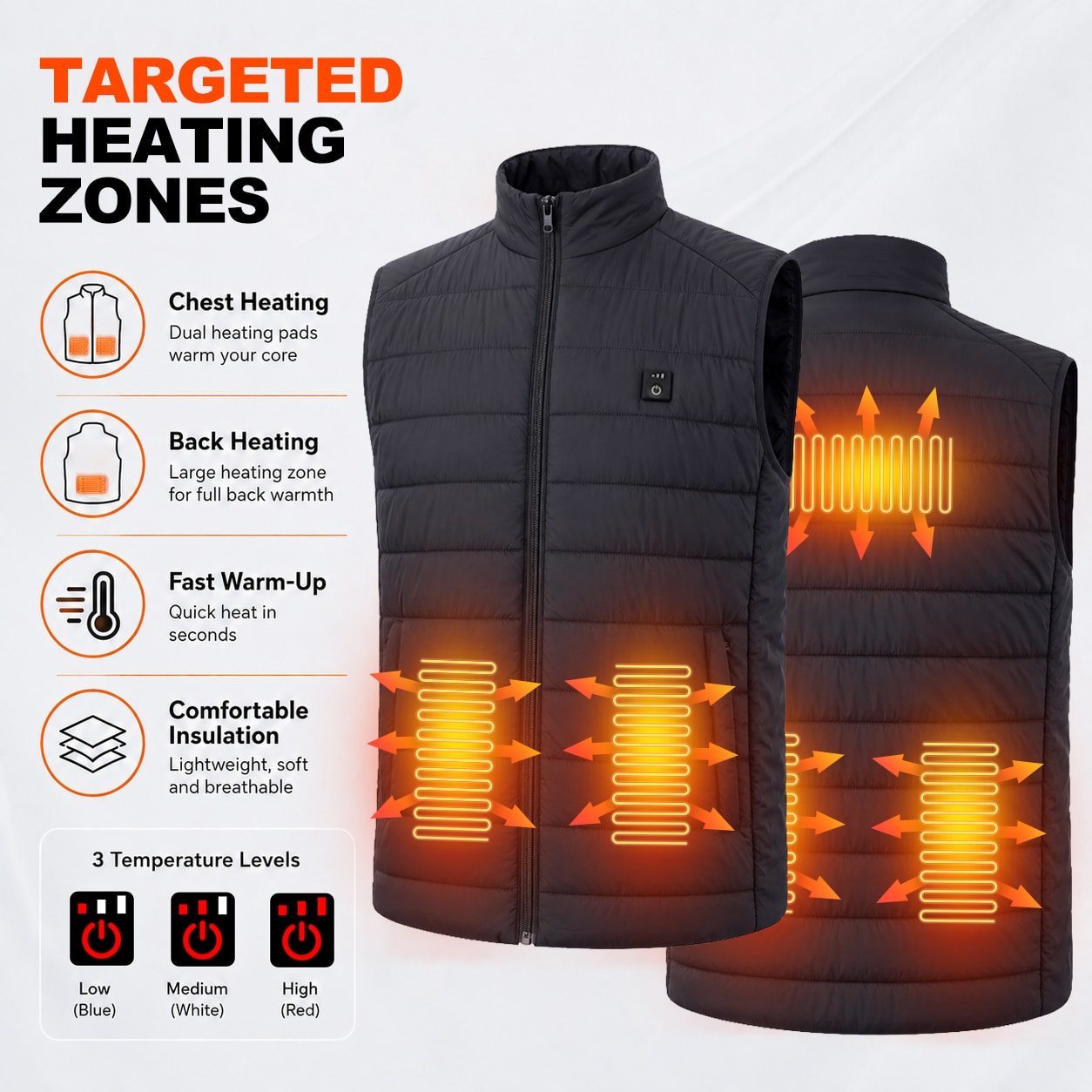
Step 1: Decide Who You Sell To Before You Decide What You Sell
The most common mistake is starting with a product (“heated jackets are popular!”) instead of a customer. Heated clothing buyers are not one market:
- Outdoor & sports — skiing, hunting, ice fishing, hiking
- Workwear — construction, cold storage, delivery, utilities
- Health & comfort — cold hands and feet, older users, circulation concerns
- Lifestyle/commuter — city winter, dog walking, stadium events
- Mobility — motorcycling, e-bikes, scooters
Pick one segment to start. The segment decides your product, your price point, your certification needs and even your channel. A heated glove for a commuter and a heated glove for a construction worker are different products with different customers.
Step 2: Choose Your Product and Price Position
Start with one hero product — usually the product that matches your chosen segment best — rather than a full range. For most new brands that is gloves or a vest: they are the most accessible categories, lower in price than full jackets, and easier for customers to try.
Decide your position:
- Value — competitive price, stock designs with your branding
- Mid-market — better components, your choice of colors and spec
- Premium — full custom design, unique features, higher margins
Your price position determines which manufacturing model fits (Step 3). Be realistic: heated clothing has a real cost floor because of the battery and heating system. If your target price is below what a certified battery system costs, the product you imagine does not exist yet.
Step 3: Choose Your Manufacturing Model
Two models, and most brands use both over time:
- OEM — you pick an existing product design (from the manufacturer’s line) and customize: logo, colors, packaging, optional spec changes. Lower MOQ, faster to market, lower risk.
- ODM — the manufacturer develops a product to your brief: new design, heating layout, materials. Higher MOQ, longer timeline, but a product nobody else has.
For a first launch, start OEM on an existing design if you can. It gets you to market with your branding, tests demand, and funds a later ODM product. See our detailed OEM vs ODM comparison before deciding.
Step 4: Shortlist Manufacturers Like a Buyer, Not a Fan
Do not pick a manufacturer because their website looks good. Vet them properly:
- Certifications in their own name — CE, FCC, UL, UN 38.3, ISO — with documents you can check, not just claims
- Heated-specific experience — how long have they made heated products, and how many units per year?
- Battery supply chain — who makes the cells, is there a protection circuit, is UN 38.3 in place?
- QC process — what testing happens between cutting and shipping?
- References — ideally from a brand in your market
Use a structured checklist rather than gut feeling — our 9-point manufacturer checklist walks through exactly what to ask.
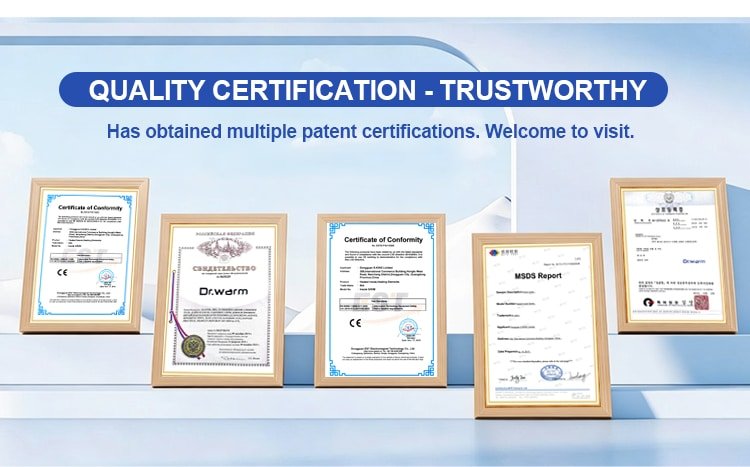
Step 5: Lock Certification Requirements Early
Certification is not the last step — it is one of the first. Your target market dictates what you need before you can sell:
- US market — FCC for the product, UL1642 for the lithium cells, UN 38.3 for the battery
- EU market — CE and RoHS, plus UN 38.3 for the battery
- Platforms — Amazon and major retailers often require documentation before listing
Confirm these with your manufacturer early, because retrofitting certification after production is expensive and slow. Our certification guide explains what each one covers and which documents to request.
Step 6: Sample Before You Commit
Never skip sampling. The process protects you from expensive mistakes:
- Stock sample — evaluate quality and heat performance of the base product
- Custom sample — your colors, logo and chosen spec, to check the details and use for photos
- Pre-production sample — from the actual production line, to confirm everything is locked
Budget time and money for samples — they are an investment, not a cost. A custom sample that takes a few weeks to arrive is normal; use that window to prepare your brand assets, not to sit idle.
Step 7: Plan the Money and the First Order
Understand the full cost picture before you commit:
- Product cost — which varies with MOQ, customization and components
- Sample costs — usually separate
- Certification/documentation — if applicable to your model
- Shipping — air vs sea
- Marketing and channel costs
Understand why heated clothing costs what it costs — the battery, heating elements, certification and QC are not markup; they are the product. Our manufacturer’s cost breakdown explains where the money goes and why the cheapest quote is usually the riskiest.
For your first order, consider a smaller pilot quantity on a stock design to validate demand before committing to a large custom run. Heated apparel is seasonal — over-ordering a product that does not sell means sitting on inventory until next winter.
Step 8: Time It Backwards from the Season
Heated clothing sells in autumn and winter. If you want products for October, the timeline looks like this:
- Early summer — contact manufacturers, finalize specs, get quotes
- Mid-summer — approve custom samples
- Late summer — place production order, confirm certification
- Autumn — production, testing, shipping
- Early autumn target — stock in your warehouse before peak demand
If you are reading this in late summer or autumn, plan for next season rather than rushing this one. Rushed production, rushed shipping and missed certification are how bad launches happen. The full MOQ, sampling and lead-time guide has the detailed timeline.
Manufacturer Insight: What We See in Brands That Succeed
The brands that work out are not the biggest — they are the best prepared. They know their customer, they ask structured questions, they approve samples quickly, and they start early enough that rush is never part of the conversation. The brands that struggle share one habit: they treat the manufacturer as a supplier to argue with instead of a partner to plan with. We answer hundreds of questions a year from new brands; the ones that send a clear product brief with their market and timeline get useful answers on the first call, and their orders move through production without surprises. Come prepared and the whole process — samples, production, delivery — runs smoother on both sides.
FAQ
How do I start a heated clothing brand? Start with a clear customer segment, pick one hero product, choose OEM (existing design + branding) or ODM (custom development), vet manufacturers properly, lock certification early, sample before committing, and time your first order backwards from the winter season.
How much does it cost to start a heated clothing brand? It varies widely with product, MOQ and customization level. The main costs are product cost (per unit × quantity), sample fees, certification/documentation where applicable, shipping, and marketing. Start with a pilot quantity on an existing design to keep the initial investment low.
What is the MOQ for starting a heated clothing brand? Stock designs with logo-only branding typically start around 100–300 units for many manufacturers, while full custom ODM development needs higher quantities. Ask each manufacturer for their MOQ structure in writing.
Do I need certification to sell heated clothing? Yes for most channels. US requires FCC for the product, UL1642 for the lithium cells and UN 38.3 for the battery; EU requires CE and RoHS plus UN 38.3. Confirm requirements with your manufacturer early.
Should I start with OEM or ODM? For a first launch, OEM on an existing design is usually the lower-risk path — lower MOQ, faster to market, and it lets you validate demand before investing in a fully custom product.
Ready to Start? Let’s Talk Numbers
Starting a heated clothing brand is a process, and the fastest way through it is with real information. Contact our team with your market and product idea — we will answer with our MOQ structure, certification coverage, sampling process and current timeline, so you can build your plan on facts rather than guesses.
Frequently Asked Questions
What is the most common first-year mistake?
Launching a range instead of a product. A hero product concentrates tooling, certification and inventory into one bet; four variants spread the same budget until nothing is deep enough to sell out or to restock before the season ends.
How much working capital does a first order really need?
More than the unit cost suggests. Certification, samples, freight, duty and the stock you hold while the season runs all sit on top of the goods payment. Brands that budget only for the goods are the ones that run dry mid-season.
Should certification come before or after sampling?
Before you commit to a design, and in parallel with sampling. Which markets you will sell in decides which tests apply, and that decision can change the battery or the element. Discovering it after tooling is the expensive version of the same lesson.
How early should a first order be placed?
Early enough that a single delay does not cross the season. Work backwards from the date stock must be in the warehouse, add production and freight, then add a buffer for one sampling round. If the arithmetic does not fit, the product is late before it starts.