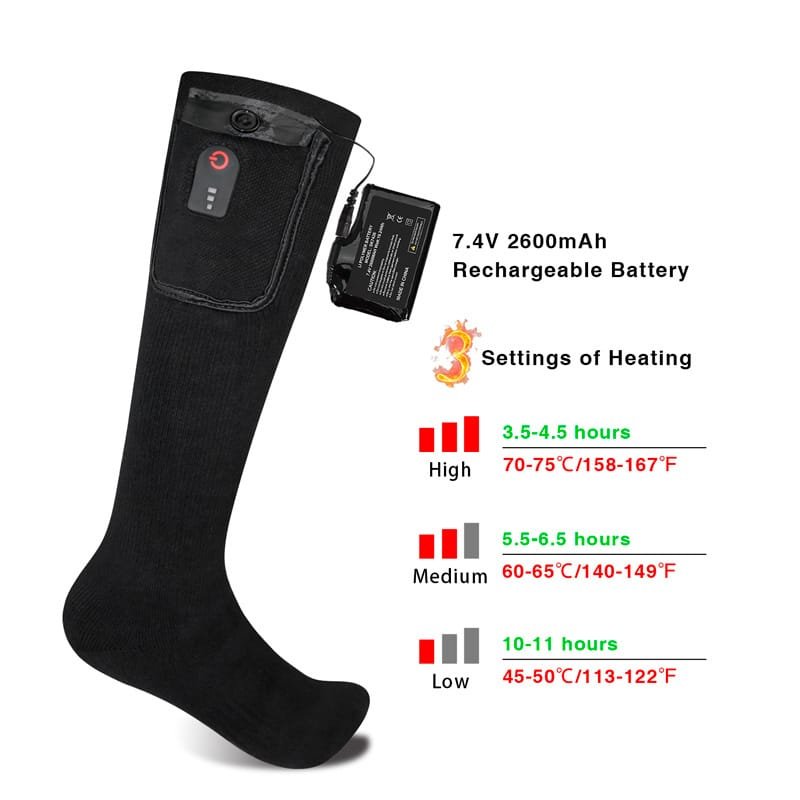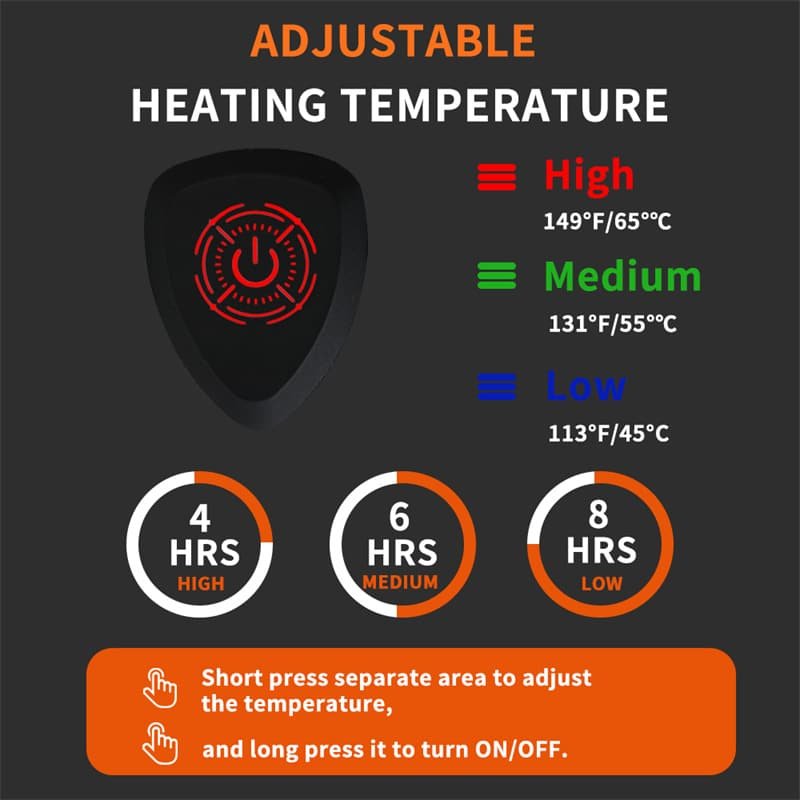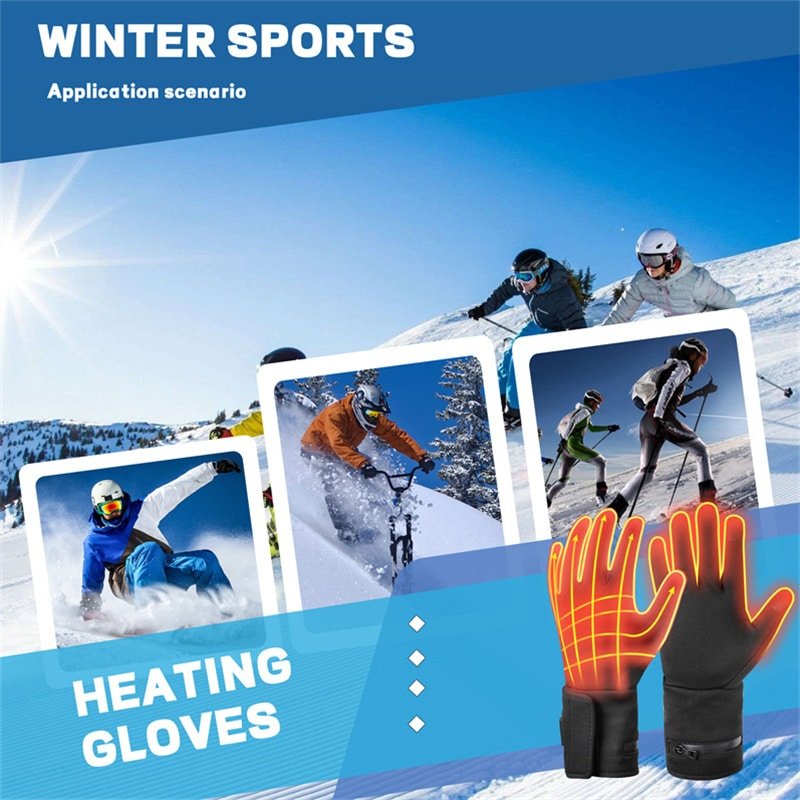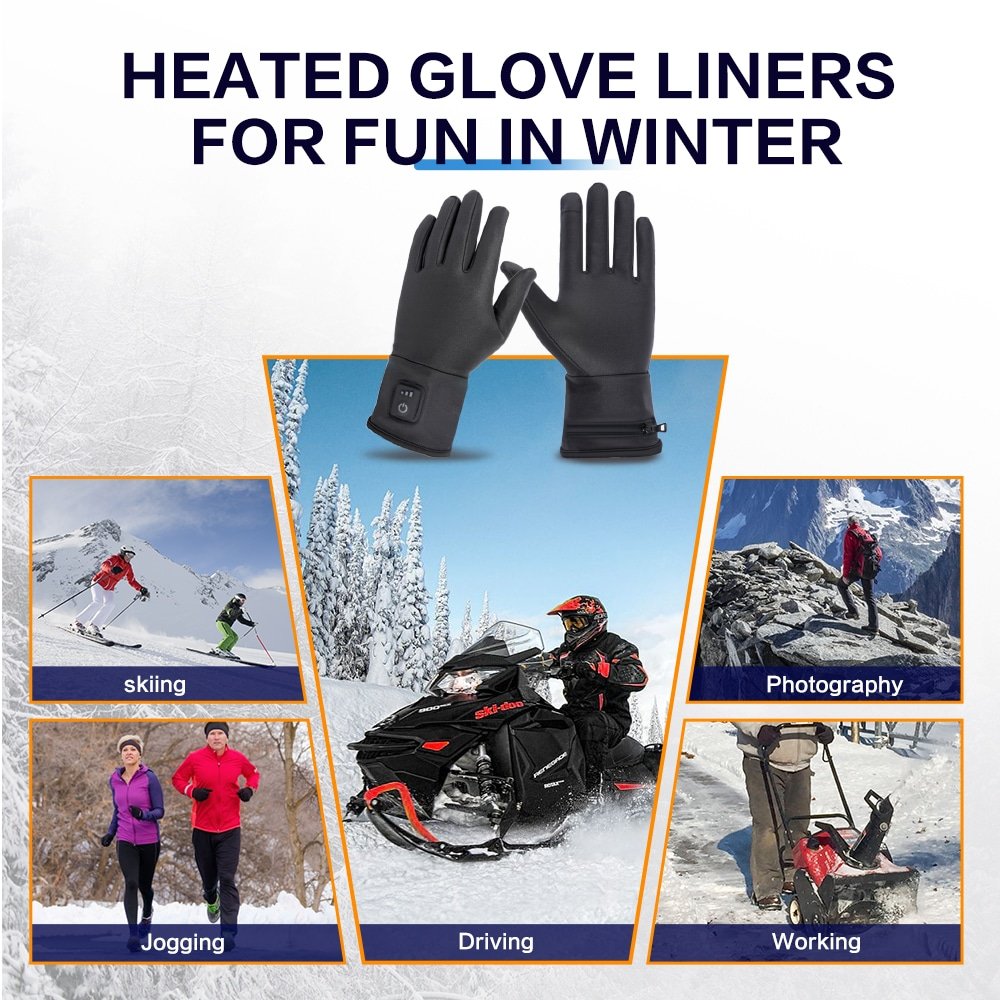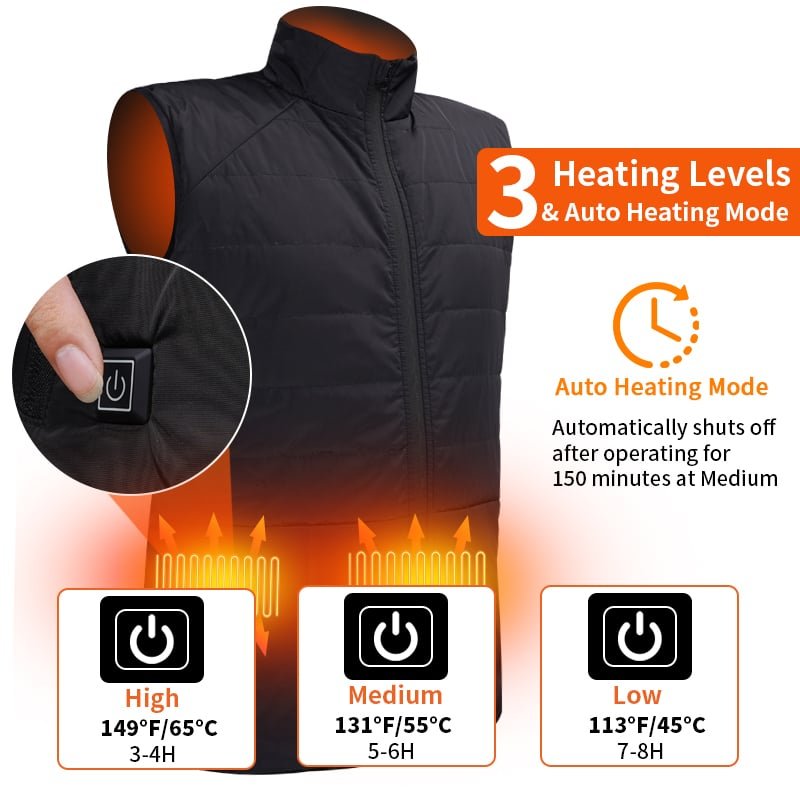

Heated apparel is not like a plain garment. Behind every heated jacket or glove are three separate supply chains that have to work together — the garment, the heating system, and the lithium battery — plus certification and safety testing that a normal clothing factory has never touched. Choose the wrong partner and you do not just get a quality problem; you can get a product that fails customs, gets pulled from a platform, or injures a user.
This guide is the checklist we would use if we were buying from a factory ourselves. We are a heated apparel manufacturer in Dongguan, China, and every check below comes from what we see go right and wrong on real orders.
The 9 Checks at a Glance
- Certification files, not just certificates
- Heated-apparel-specific experience
- Battery and heating system sourcing
- True OEM vs ODM capability
- Transparent MOQ, sampling and lead times
- Quality control you can verify
- Clear documentation and IP protection
- References, audits and factory visits
- After-sales and warranty support
1. Certification Files, Not Just Certificates
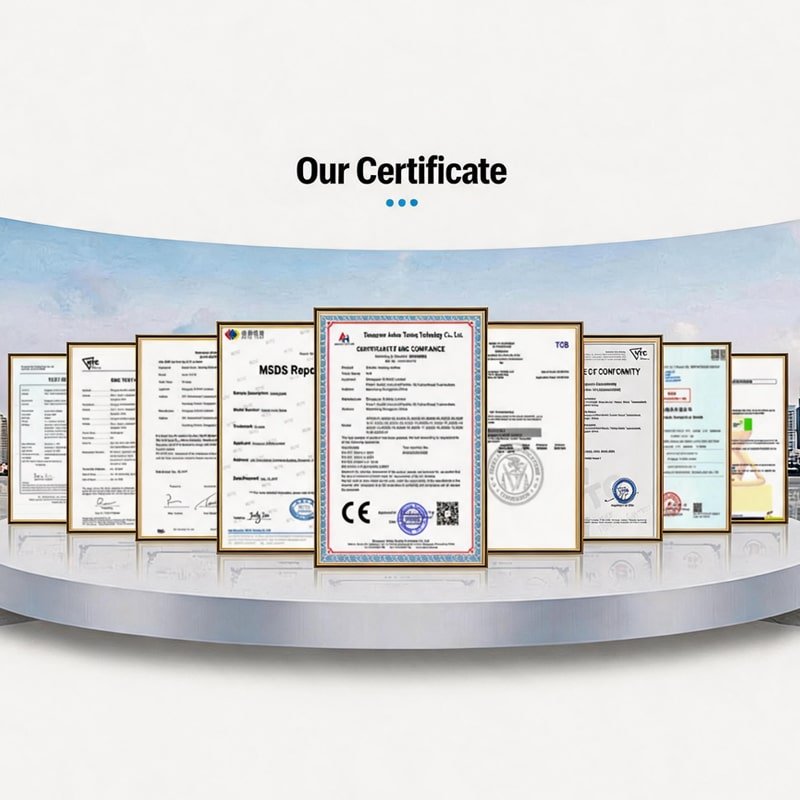
A factory can say “we have CE and FCC.” What you need is to see the documents.
Ask for the actual certificate files and check four things:
- The manufacturer name on the certificate matches the factory you are dealing with — not a trading company or a third party.
- The models covered match your product. A battery certificate does not cover the garment; a garment certificate does not cover the battery.
- The certificates are current. Certification bodies re-test on a schedule; expired certificates are a red flag.
- You get the reports, not just the certificate page. For a heated product, the relevant items are typically ISO 9001:2015 for the quality system, CE and RoHS for Europe, FCC and TUV for the US, and UN 38.3 with GB 47372-2026 and CCC for the lithium battery.
For a full explanation of what each certification covers and the documents to request, see our guide to heated clothing certifications for the US and EU market.
2. Heated-Apparel-Specific Experience
Making a heated jacket is not “sewing with extra steps.” It involves integrating heating elements into fabric without creating hot spots, cold spots or broken wires at the seams, and managing battery placement so the garment stays balanced and comfortable.
Ask how long the factory has made heated products specifically, how many heating-related orders they ship per year, and what product categories they cover. A factory that mostly makes regular jackets and “can also add heating” is riskier than one where heating is the core business.
3. Battery and Heating System Sourcing
The battery is the most safety-critical component in a heated garment — see our battery safety standards for heated apparel for the full requirements. Find out:
- Who makes the cells and whether the battery pack has its own protection circuit (overcharge, over-discharge, short-circuit protection).
- Whether the battery has UN 38.3 — this is required for shipping lithium batteries by air and is non-negotiable for export.
- Who assembles the battery — an in-house battery line gives the factory control over QC; outsourcing to a random third party is a question mark.
- Heating element quality — what material the elements use and how the factory tests them before assembly. Broken elements are the most common field failure.
4. True OEM vs ODM Capability
Know which service you actually need:
- OEM — you bring the design or an existing sample, and the factory manufactures it to your spec (logo, materials, colors, packaging).
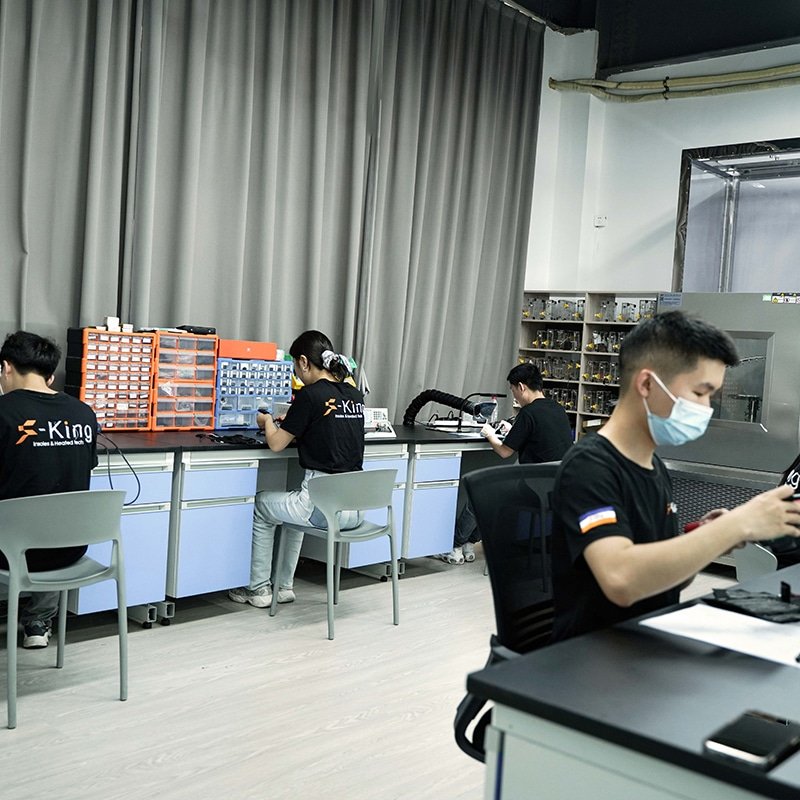
- ODM — the factory helps develop the product from concept: design, engineering, prototyping, testing, tooling and mass production.
A factory should be able to tell you clearly what they can do in each model. If you need product development help, check whether they have an in-house engineering or sample team rather than only a sales team. Our detailed comparison is here: OEM vs ODM for heated wearable products.
5. Transparent MOQ, Sampling and Lead Times
Every factory has different minimums depending on the product and customization level. What matters is not the number but the clarity — see our MOQ, sampling and lead time guide:
- MOQ per model — and whether logo-only changes have a lower MOQ than full custom development.
- Sample cost and lead time — is there a sample charge, and how long does a first sample take?
- Mass production lead time — and what happens if it slips.
- Who owns the tooling and molds if there is custom development.
Get every number in writing. A factory that is vague about MOQ and timelines now will be vaguer when your order is late.
Our verified numbers (in writing, for every inquiry):
- MOQ: 500 pairs per style for ODM, 100 pairs for OEM, 1 pair for stock items
- Sampling: 7–30 days, and the sample fee is credited against your bulk order
- Production: within 45 days for standard orders (OEM 20–25 days; full custom development 50–60 days)
- On file: ISO 9001:2015, CE, RoHS, FCC, TUV, UN 38.3, plus GB 47372-2026 and CCC for our battery packs
Full answers per product: see our manufacturing FAQ or start an OEM/ODM inquiry.
6. Quality Control You Can Verify
Ask what QC happens between cutting and shipping:
- Incoming inspection of fabric, heating elements and batteries.
- In-line checks during sewing and element installation.
- Function testing — every unit or a sample rate? At a minimum, heating function and battery check on finished units.
- Final inspection before packing, and whether a third-party inspection (like SGS or BV) is possible before shipment.
The right answer is a described process, not “our quality is very good.”
7. Clear Documentation and IP Protection
You will need documents for customs, platforms and retailers:
- Certification files (check 1)
- Battery test reports and UN 38.3
- Material or compliance declarations
- Commercial documents for shipping
If you bring your own design, also clarify IP: does the factory sign an NDA, and do they commit not to sell your design to other buyers? In heated apparel, copycat products appear fast — protect your design before sharing it.
8. References, Audits and Factory Visits
Ask for client references in your market and product category — and actually contact them if you can. If your order size justifies it:
- Do a video walkthrough of the production line and battery area before you commit.
- Arrange a third-party audit or factory inspection.
- Visit in person if you are sourcing in China. There is no substitute for seeing the battery line and the QC station with your own eyes.
9. After-Sales and Warranty Support
Heated products fail at a higher rate than plain garments because they have electronics and batteries. Clarify before ordering:
- Warranty terms on the garment, the heating system and the battery.
- How defects are handled — replacement parts, repair, credit, or replacement units.
- Spare parts availability — can you order spare batteries and controllers later? This matters for your own customers.
- Claim process and turnaround time.
A factory that has a defined after-sales process is far safer than one that is enthusiastic until the first problem.
Manufacturer Scorecard: Score Your Shortlist in 10 Minutes
Use the nine checks above as a weighted scorecard. Score each factory 1–5 per line, multiply by the weight, and compare totals. A serious partner should score 4.0 or higher before you sign anything.
| # | Check | Weight | What a top score looks like |
|---|---|---|---|
| 1 | Certification files | 15% | Certificates issued in the factory’s own name, model-matched and unexpired (ISO 9001, CE, FCC, UN 38.3) |
| 2 | Heated-specific experience | 15% | Years of heated apparel production; heating elements made in-house |
| 3 | Battery & heating system sourcing | 12% | In-house battery pack assembly; certified beyond UN 38.3 (e.g. GB 47372-2026 + CCC) |
| 4 | True OEM vs ODM capability | 10% | Both models offered, with a defined development process for each |
| 5 | Transparent MOQ, sampling, lead times | 12% | Written MOQ per model; sample fee credited to bulk order; production lead time in days, not vague ranges |
| 6 | Quality control you can verify | 12% | 100% final testing, in-house lab, test records shared on request |
| 7 | Documentation & IP protection | 8% | Willing to sign an NDA and deliver full specification documents |
| 8 | References, audits, factory visits | 8% | Third-party audit on file (e.g. ETL); video walkthrough offered without hesitation |
| 9 | After-sales & warranty | 8% | Defined warranty terms and spare-parts support in the contract |
Red Flags: Walk Away When You Hear These
- “We will have the certification soon.” You cannot ship without it, and “soon” has no date. If the cert is not done, treat the product as not certifiable yet.
- “The certificate is under our trading company name.” The entity that actually manufactures and holds the certifications should be identifiable.
- “Batteries? We just buy them, no problem.” If the factory cannot explain battery sourcing, cell type and UN 38.3, the safety chain is not under control.
- No sample before bulk. Never commit to a large order without approving a production sample first.
- Prices that look too good. Heated apparel has a real cost floor — batteries, heating elements and certification all cost money. Prices far below the market usually mean something certified or tested is being skipped.
- Where the floor comes from: a component-by-component cost breakdown of heated clothing.
Manufacturer Insight: How We Vet Factories from the Inside
From our side of the table, the factories that pass these nine checks tend to share three habits. First, they can produce documents on demand — certificates, reports, inspection records — without delay, because the records exist. Second, they talk about testing as a routine step, not a special service. Third, they say “no” clearly: no to unrealistic lead times, no to under-priced quotes, no to skipping a sample. A factory that is willing to push back on your spec is usually one that understands the product better than you do — and that is the kind of partner you want for heated apparel, where the margin for error is small.
How to Use This Checklist
Shortlist three to five factories, then run the nine checks against each one in order. The first four checks — certifications, experience, battery sourcing and OEM/ODM capability — can be done by email before you invest in samples. The last five need a live conversation, documentation and ideally a visit. If you are still building that shortlist, start with our guide to finding a reliable heated clothing manufacturer in China.
FAQ
What should I look for in a heated apparel factory? Verifiable certification files in the factory’s own name, real experience making heated products, a controlled battery supply chain with UN 38.3, defined QC and function testing, and transparent MOQ, sample and lead-time answers in writing.
How do I verify a heated clothing manufacturer’s certifications? Ask for the actual certificate files and check the manufacturer name, the models covered, and the expiry date. For a heated garment look for CE and RoHS for the EU, FCC and TUV for the US, and UN 38.3 with GB 47372-2026 and CCC for the battery.
What is the MOQ for heated clothing? MOQs vary by product and level of customization — logo-only changes typically have a much lower MOQ than full custom development. Ask each factory for the MOQ per model in writing, and confirm whether sampling is charged separately.
Should I visit the factory before ordering? For any serious order, yes — or at minimum do a video walkthrough and a third-party inspection. Seeing the battery assembly and QC stations tells you more than any sales presentation.
Why do heated clothing prices vary so much between factories? Battery quality, heating elements, certification coverage and QC all have real costs. Very cheap quotes usually mean some part of that chain — often the safety-critical part — is being skipped.
Start the Conversation with a Real Heated Apparel Manufacturer
You now have the same nine checks we would use on any supplier. If you would like to run them against a factory that makes heated apparel every day — with ISO 9001:2015, CE, RoHS, FCC, TUV , UN 38.3 and GB 47372-2026 with CCC coverage, plus full in-house OEM/ODM support — contact our team and we will send you our certification files and capabilities together with the answers to your checklist.