
Introduction — Poor Communication Is the #1 Reason Heated Apparel Projects Fail
Customization of heated apparel is a high-stakes game where electronics, textiles, battery systems, safety standards, and certifications must work in harmony, because even one mistake can turn a potentially successful project into an expensive re-run. Being an OEM consultant who has been the manager of more than 50 heated apparel lines in international companies, an engineering professional in the field of heating systems, and a supply chain optimizer with years of experience in factories of Dongguan, I have seen a vague email create a wrong prototype, such as a jacket with inadequate heat spots or a pair of gloves with fragile wiring. The intricacy requires accuracy: even the slightest omission, e.g. battery voltage or certification requirements, could postpone the mass production by several weeks or jeopardize safety. This document uses actual projects to guide the brands to communicate effectively, which leads to a successful sampling, quality control, and launching.
The Core Requirements You MUST Communicate Clearly
Out of a million factory cooperations, here are the main things ignored by brands -mythical apparel OEM communication begins with these basics to avoid reworking and keep things on track.
Heating System Requirements
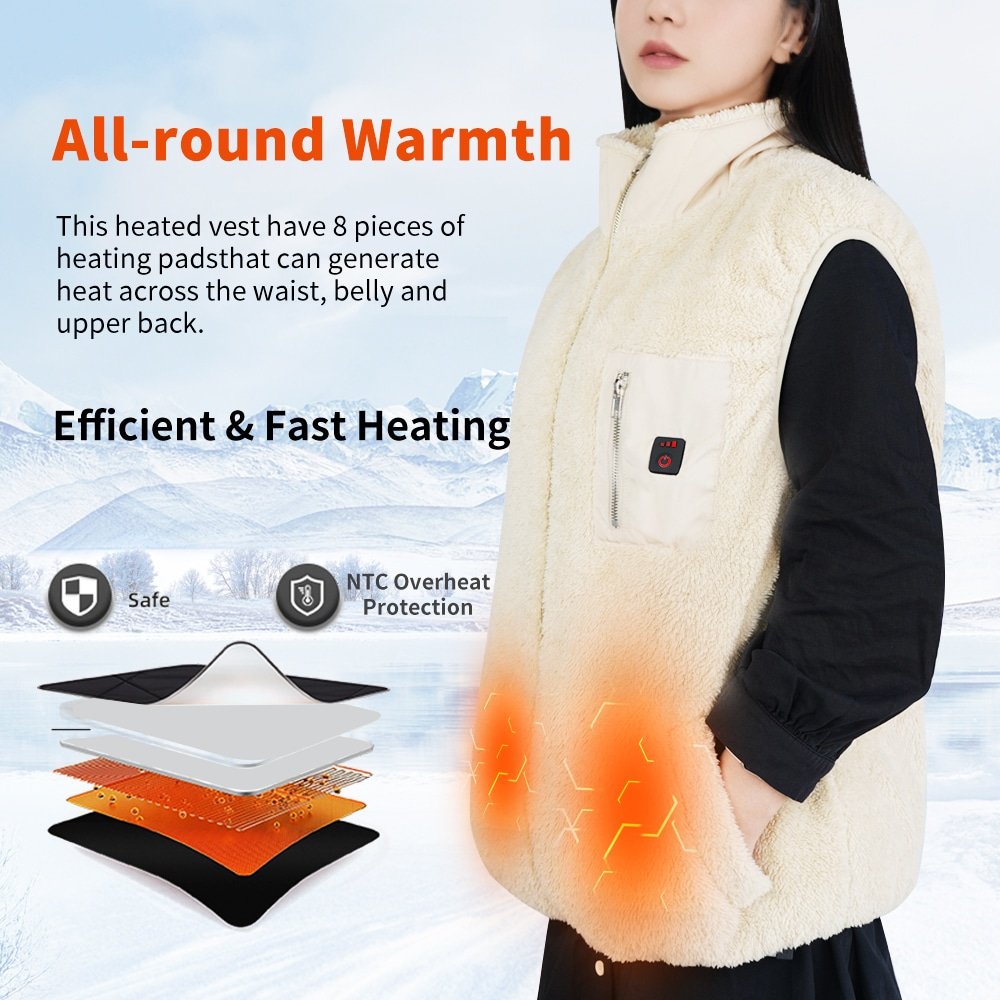
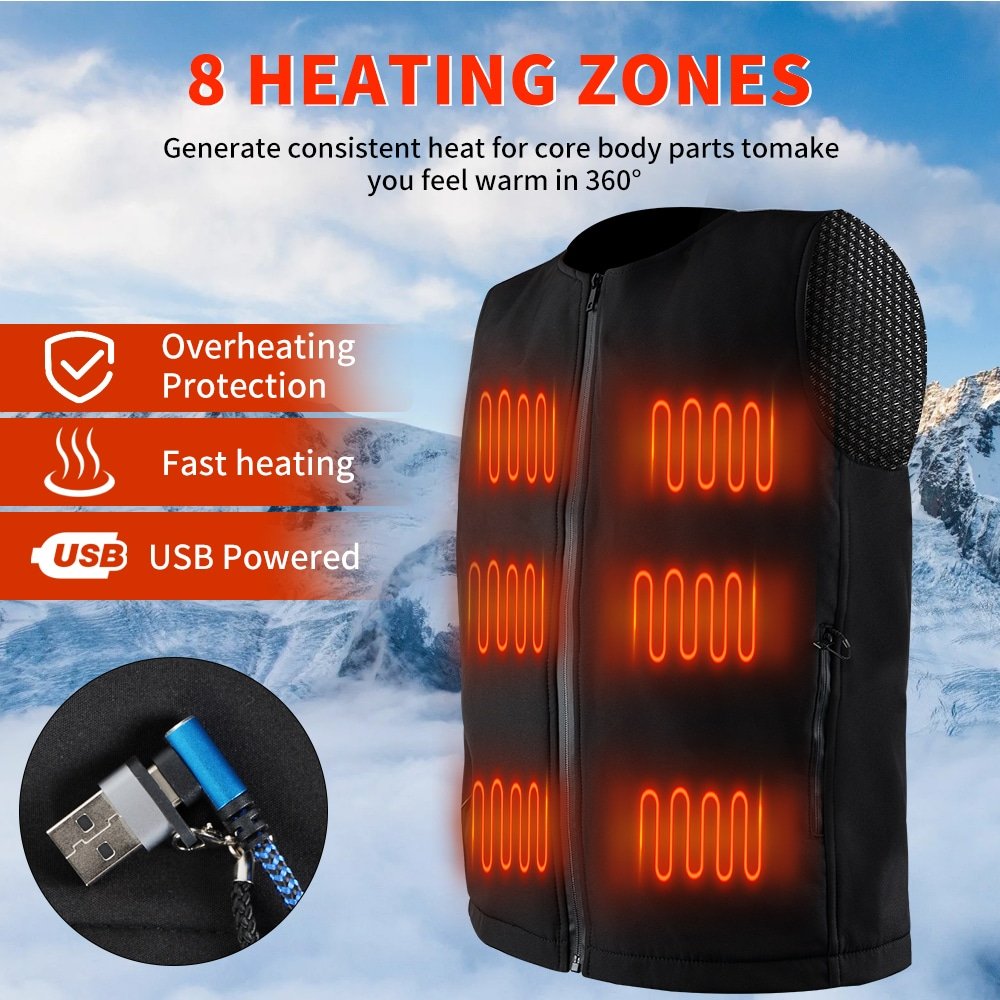
Heating System Requirements should clearly define the type of element, heating areas, and heat intensity so the product can achieve its intended purpose, such as uniform heating in jackets.
Battery Specifications
Battery Specifications should include voltage, capacity, and connector type, because these details directly affect runtime and safety in cold weather.
Temperature Control System
Temperature Control System details should specify whether the product uses a switch, app control, or remote so compatibility problems can be avoided early.
Fabric, Insulation & Style Requirements
Sophocles, puffer, fleece, glove materials–have waterproof levels and types of fits that fit comfortably.
What Should Be Included in a Proper OEM Tech Pack?
A good tech pack is your roadmap-documentation on your apparel OEM project like this one has rescued projects that I have managed by saving them a major revision as factories are given clear instructions.
Heating Element Layout Diagram
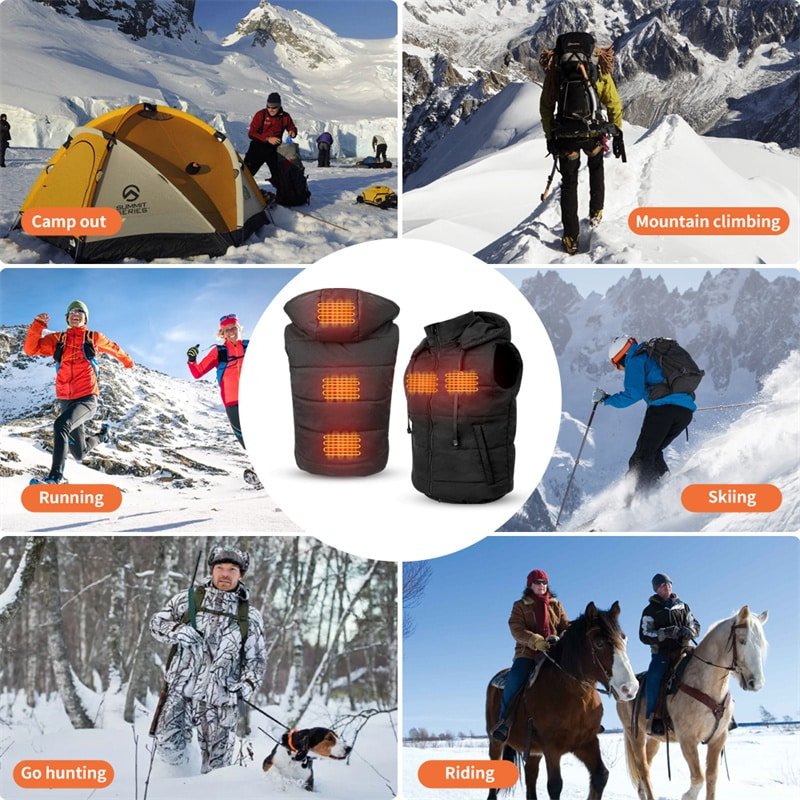
Heating Element Layout Diagram should show precise heating areas and dimensions, using cut drawings to illustrate coverage such as toes in socks or back panels in jackets.
Battery Pocket Location & Dimensions
Left in, zipper, insulated or not–specify to be sure of usability and protection.
Wiring Route Diagram
Channels, stitching, reinforcement sites- stops tears in high-flex clothing such as gloves.
Material List
Outer, lining, insulation, waterproof level–to have swatches, or references.
Technical Measurements
Size chart, tolerances, type of fit- critical in international sizing.
Visual References & Samples
Images, rival products, drawings–lets factories make what you dream of.
How to Communicate Heating & Battery Requirements
Clarity of specifications on power will avoid 80 percent of technical failures–heated clothing assembly needs such as these will guarantee that the manufacturing factories will produce what they promise in terms of warmth.
Step 1 — Choose Voltage Properly
Choose Voltage Properly by avoiding 5V for very cold conditions and using 7.4V for everyday winter products or 12V for industrial applications.
Step 2 — Specify Heating Element Type
Graphene = slim hits well, carbon fiber = tough and rough.
Step 3 — Indicate Runtime Expectations
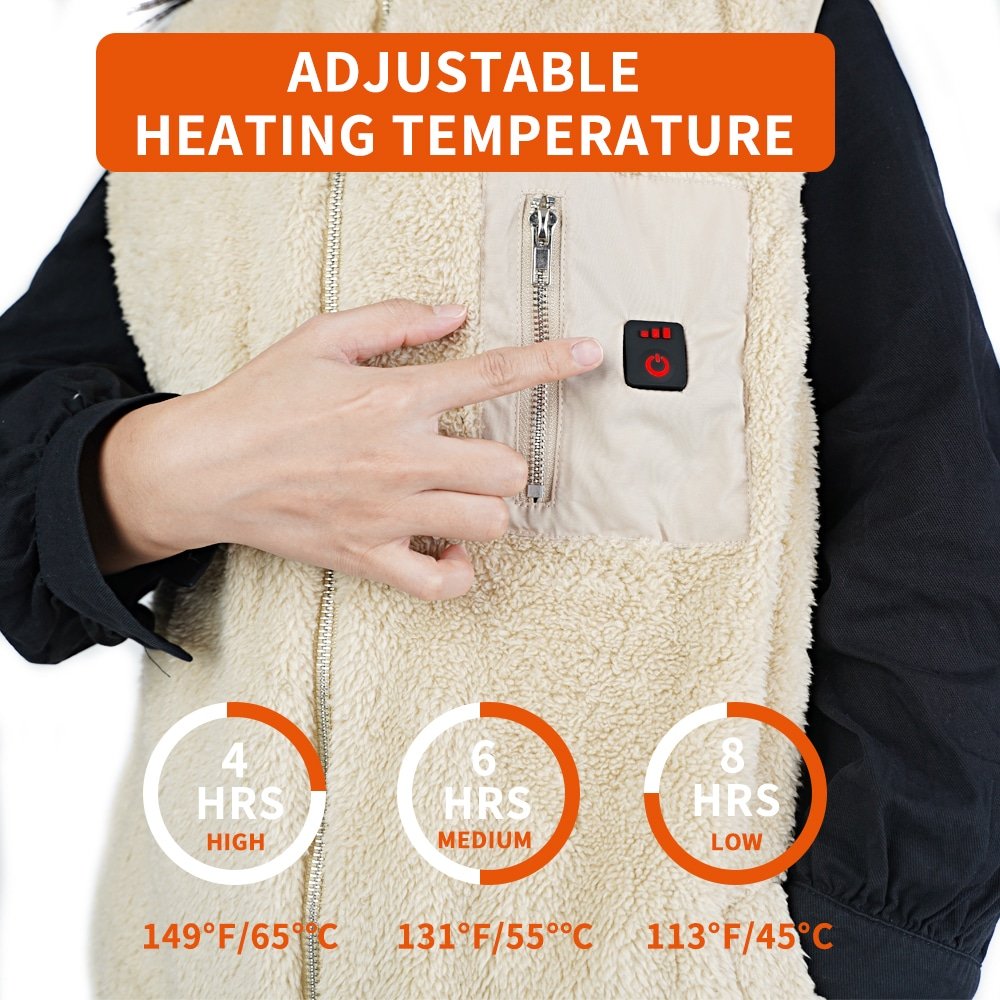
High / Medium / Low hour projections- e.g. 4-6 medium Jackets.
Step 4 — Call Out Safety Requirements
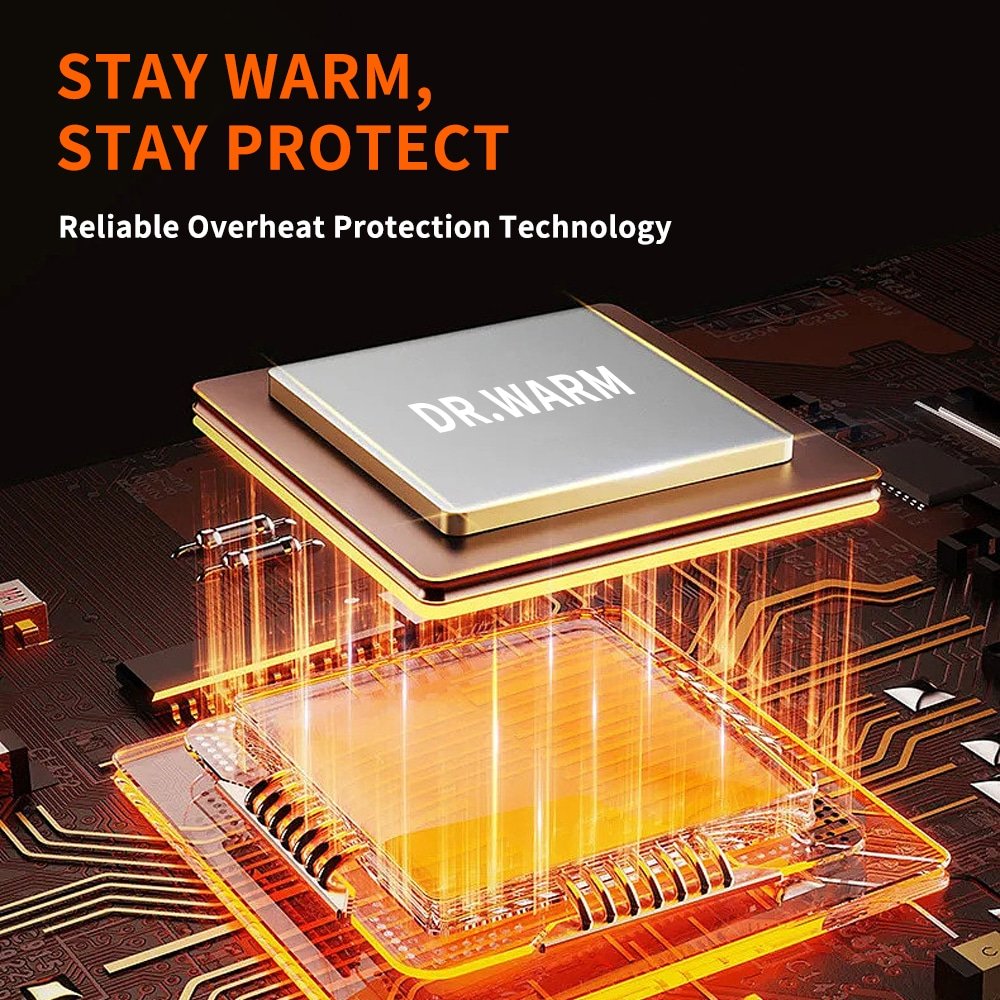
Call Out Safety Requirements such as overheating control, BMS protection, waterproofing, and NTC sensors so the factory understands the full safety standard from the start.
Step 5 — Confirm Connector Standards
DC plug, USB-C, and custom plugs- ensures compatibility with charging.
How to Communicate Fit, Style, and Material Requirements
The specifics of the style can influence the wearability: the specifics of how to make a purchase of the heated gloves begins with pictures to prevent disasters in the fitting process.
Provide Reference Samples
Photos or physical samples—request competitor gloves to reverse engineer.
Specify Fabric Weight & Function
Waterproof? Windproof? Breathable?—Breathable?–i.e., Gore-Tex in wet jackets.
Indicate Insulation Thickness
Thick, medium, or lightweight—match with heating to have a balanced warmth.
Clarify Color, Zipper, Branding, Labels
Logos, patches, print—with Pantone codes o.k.
How to Communicate Testing & Safety Requirements
There is no compromise on safety-heated apparel QC mandates such as these have avoided recalls in my projects.
Required Certifications
Required Certifications such as CE, FCC, RoHS, UN38.3, and optional UL should be specified early to support compliance planning.
Performance Testing
Performance Testing should include thermal imaging for even heat, runtime testing in cold chambers, and wiring durability tests of 3000-5000 bends.
Waterproof Tests
Gloves/jackets IPX rating- mimic the effects of rain or snow.
User Safety Requirements
None of the hot spots, managed heat curve–demand heat limits of the skin of less than 50degC.
How to Communicate Sample and Revision Expectations
It is an iterative process of sampling, the process of sampling of the apparel is to be heated and the structured feedback allows him to cut the cycles.
Define Number of Sample Rounds
Initial – Revised-PPS-budget 2-3 revisions.
Provide Structured Feedback
Insert bullets, pictures, time indications- e.g. left sleeve was weak during heating at the mark of 2 min.
Approve or Reject Sections Separately
Fit, heating performance, materials–fixes on speeds targeted.
Keep Emails Clear & Time-Stamped
Being able to track changes to prevent confusion.
Common Communication Mistakes Brands Make
These fail in auditing of failed projects are rife in the case of heated apparel projects.
Giving Vague Instructions
Giving Vague Instructions such as “make it warmer” creates unclear direction and leads to arbitrary factory decisions.
Not Specifying Voltage
But at 5V vs 7.4V settings, everything is to come to pass (underpowered samples).
No Heating Zone Layout
Guesses at the factory – false production- chilled spots in finished goods.
Not Mentioning Certification Needs
Dawdles delivery–MISSes in market.
Expecting Normal Apparel Timelines
Electronics testing is time consuming–it is additive 2-4 weeks.
How to Avoid Miscommunication — Practical Fixes
Prevention is better than cure- this way of not creating a misunderstanding with the factories has helped to simplify the launching of my clients.
Provide a Complete Tech Pack Before Sampling
Provide a Complete Tech Pack Before Sampling so everything is documented upfront and the factory does not need to guess critical requirements.
Use Visuals, Not Only Text Descriptions
Diagrams clarify zones.
Confirm All Electrical Specs in Writing
Voltage, connectors—email confirmations.
Request Clear Production Timelines
Milestones for accountability.
Ask Factory to Draw a Wiring Diagram for Confirmation
Graphical back-and-forth eliminates errors.
Conduct a Video Call to Review Critical Parts
Live clarification of samples.
OEM Requirements Template (Brands Can Copy & Use)
The following is a template of your first inquiry, tailor-made and forwarded to factories to get specific quotes.
Type of heating system: Even heat Graphene film.
Zones + layout: Toes + forefoot socks; diagram.
Voltage and capacity of batteries: 7.4V, 2000mAh min, BMS.
Expectation during running: 4-6 hours medium.
Fabrics and filling: Thinsulate, medium. Merino wool fabric.
Waterproofing: pocket electronics IPX4.
Type of controller: LED and three-level switch.
Certifications: CE, FCC, RoHS, UN38.3.
Size chart S/M/L/XL +-1cm.
Branding Logo on cuff, eco-box with charger.
QC steps: Thermal, 5000-bend wiring, cold chamber run.
Final Conclusion — Clear, Detailed Communication Is the Key to Successful Heated Clothing OEM Projects
In heated apparel OEM, clarity reduces delays by setting expectations correctly from the first day. Tech details include such aspects as voltage and zones to guarantee performance. Collaborate with technical factories to get technical know-how. Test in real cold to validate. Develop plans at the beginning of peak seasons. This helps in avoiding expensive mistakes and offers selling products.