
Introduction — Why Heated Clothing Customization Often Goes Wrong
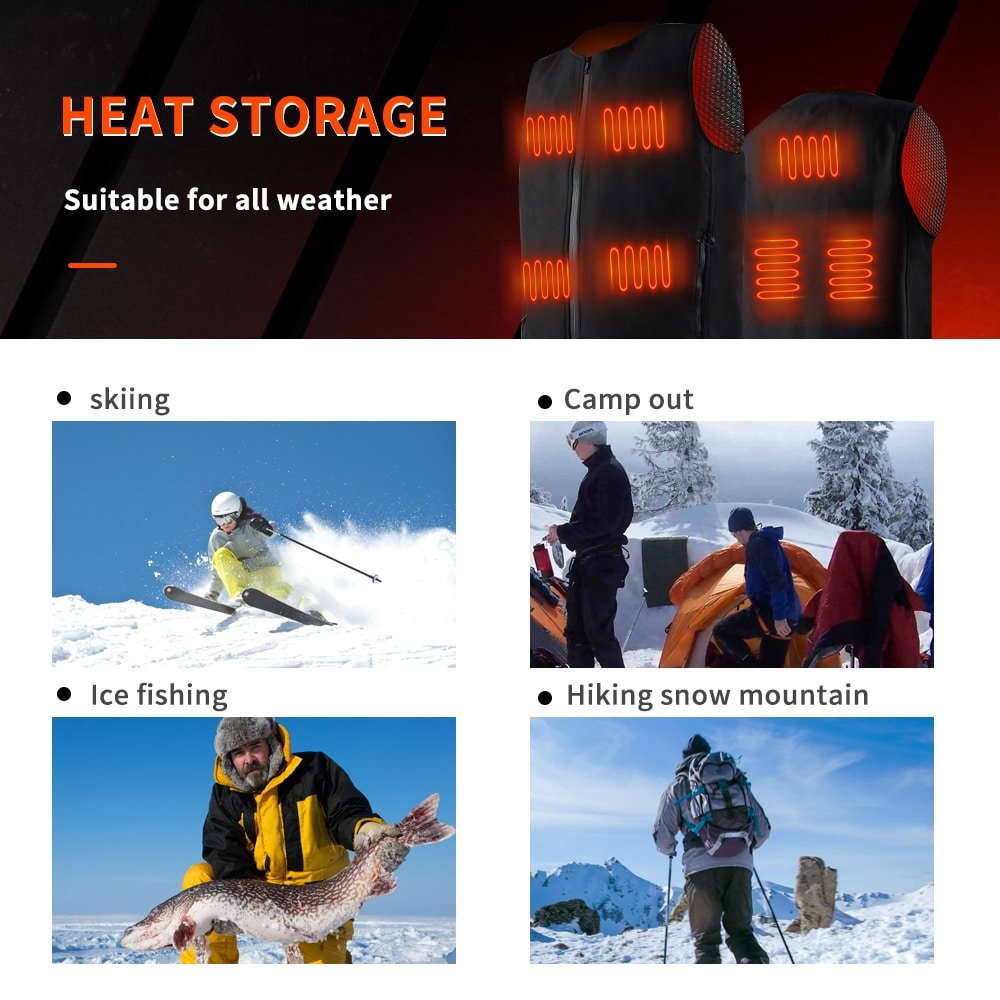
Personalization of heated clothes such as jackets, gloves, or vests, is easier than it sounds because it all comes down to electronics, fabrics, and batteries, which makes it a minefield unless done properly. Being an OEM advisor with hundreds of projects on heating in Dongguan factories, an engineering specialist in the field of heating systems, and a supply chain streamliner of international brands, I have observed how basic neglected things can turn a good line into a costly hassle. Whether it is a lifestyle brand introducing customized jackets to urban commuters with a heat feature or an outdoor brand with cold-air-customized equipment, the complexity requires accuracy – in terms of cable flexing, a battery that works when its -30 degrees and a battery that works on skiers. Avoid it and you may have returns, recalls or lost market share in this highly booming category.
The Most Common Mistakes Brands Make When Customizing Heated Clothing
Based on the experience in my factory floor these are the pitfalls that toppled the efforts of the heated apparel OEMs-solve these early to avoid time and money wastage.
Mistake #1 — Choosing the Wrong Heating System (Film, Carbon Fiber, Wire)
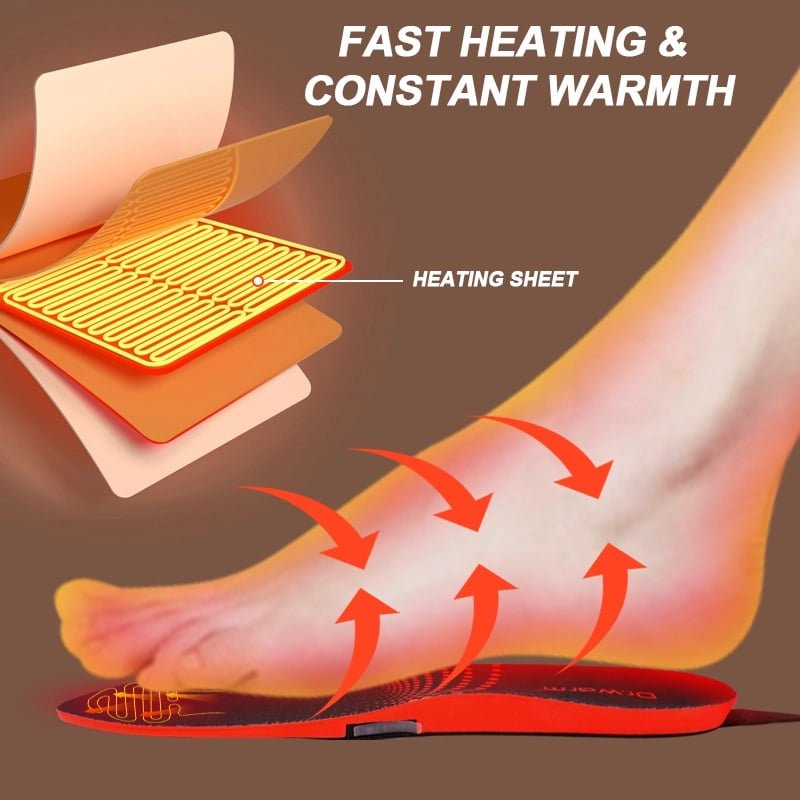
Choosing the Wrong Heating System can put a product out of place with its positioning or temperature requirements, such as cheap wire in high-quality outdoor equipment resulting in hotspots and failures.
Mistake #2 — Underestimating Battery Requirements
Underestimating Battery Requirements often means using 5 V instead of 7.4 V in real cold weather, which leads to weak heat and disappointed winter customers.
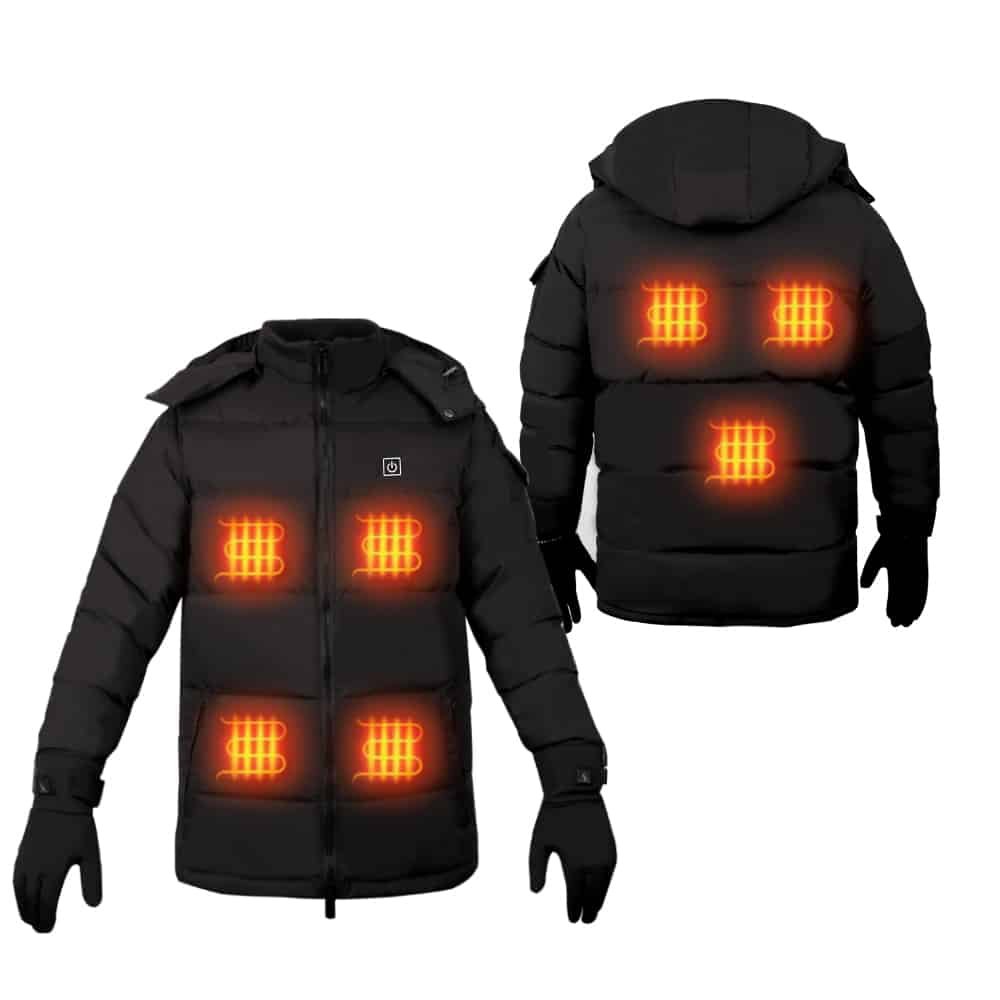
Mistake #3 — No Clear Heating Zone Layout
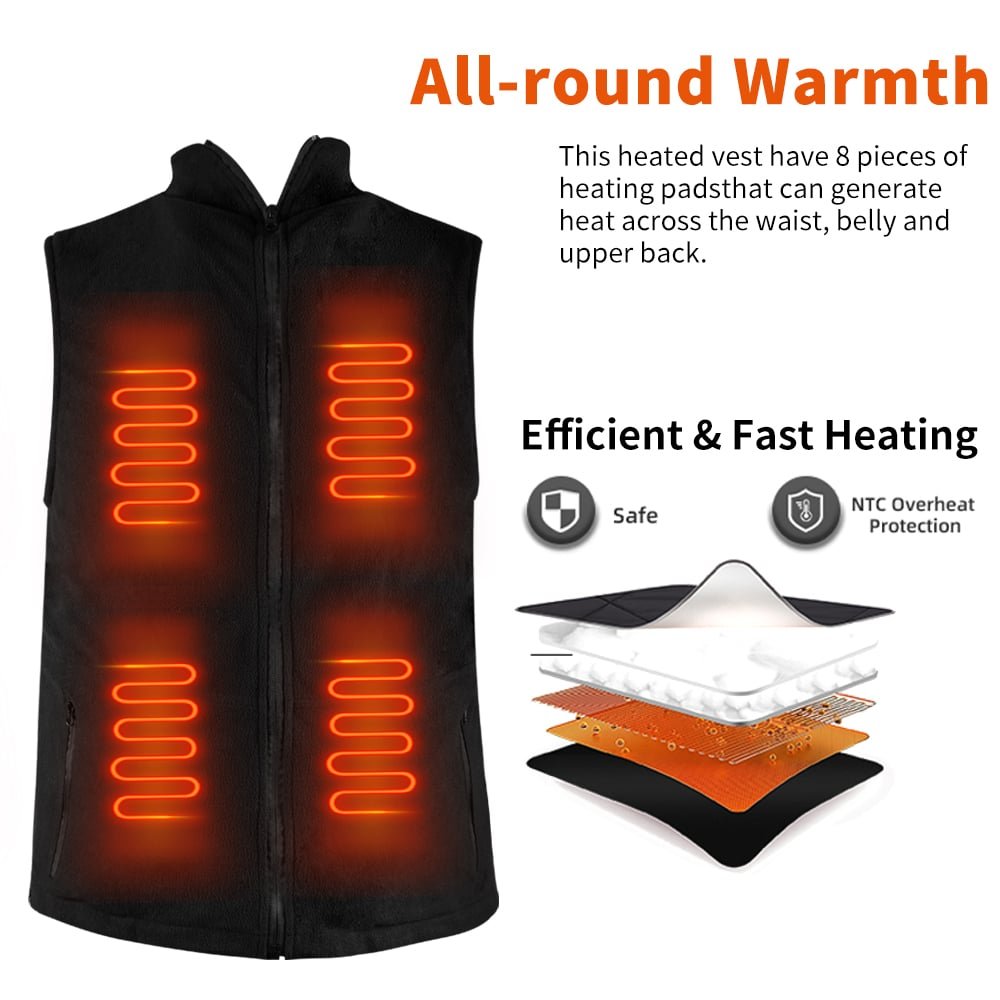
No Clear Heating Zone Layout leads to poor warmth balance and customer complaints, especially when jackets have weak back coverage that creates cold spots.
Mistake #4 — Ignoring Overheating Protection
Ignoring Overheating Protection causes safety concerns and recalls when products lack sensors that disconnect power at high temperatures.
Mistake #5 — Not Testing in Real Cold Conditions
Not Testing in Real Cold Conditions is a common mistake because lab heat does not equal outdoor performance, especially when batteries lose efficiency below freezing.
Technical Mistakes (Engineering-Related)
Technical bugs are caused by not considering the interaction between components: I have solved these in prototype versions when a minor wiring mistake has stopped the line.
Using Weak or Inconsistent Heating Elements
A mismatch between film, carbon fiber, and wire can create weak or inconsistent heating elements; for flexible gloves, a weak wire can break after a short period of use.
Incorrect Power Matching
Incorrect Power Matching can cause inadequate heat or overheating, and using a 12V battery with low-value elements may even lead to melting.
Poor Wiring Path Design
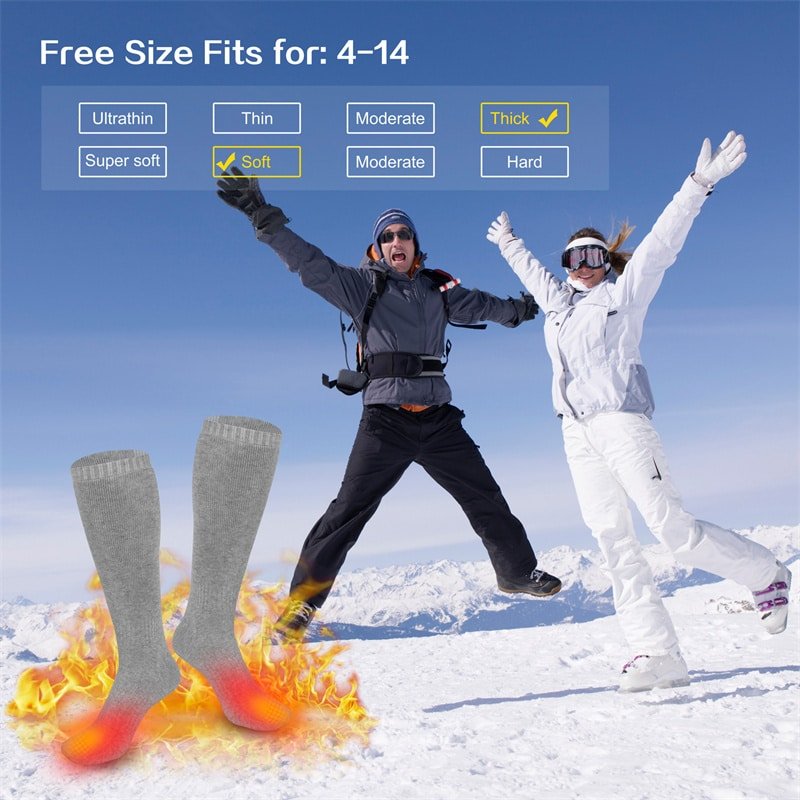
Wires snapping, stiff conditions in heated gloves; poor routing in socks cause pains and shortages when walking.
Selecting Low-Quality PCBs
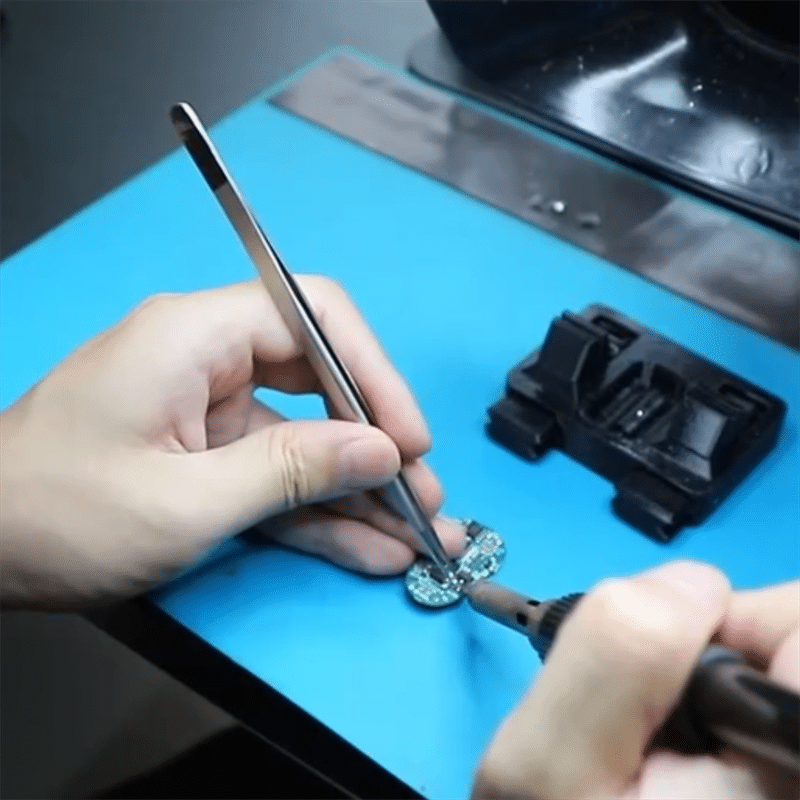
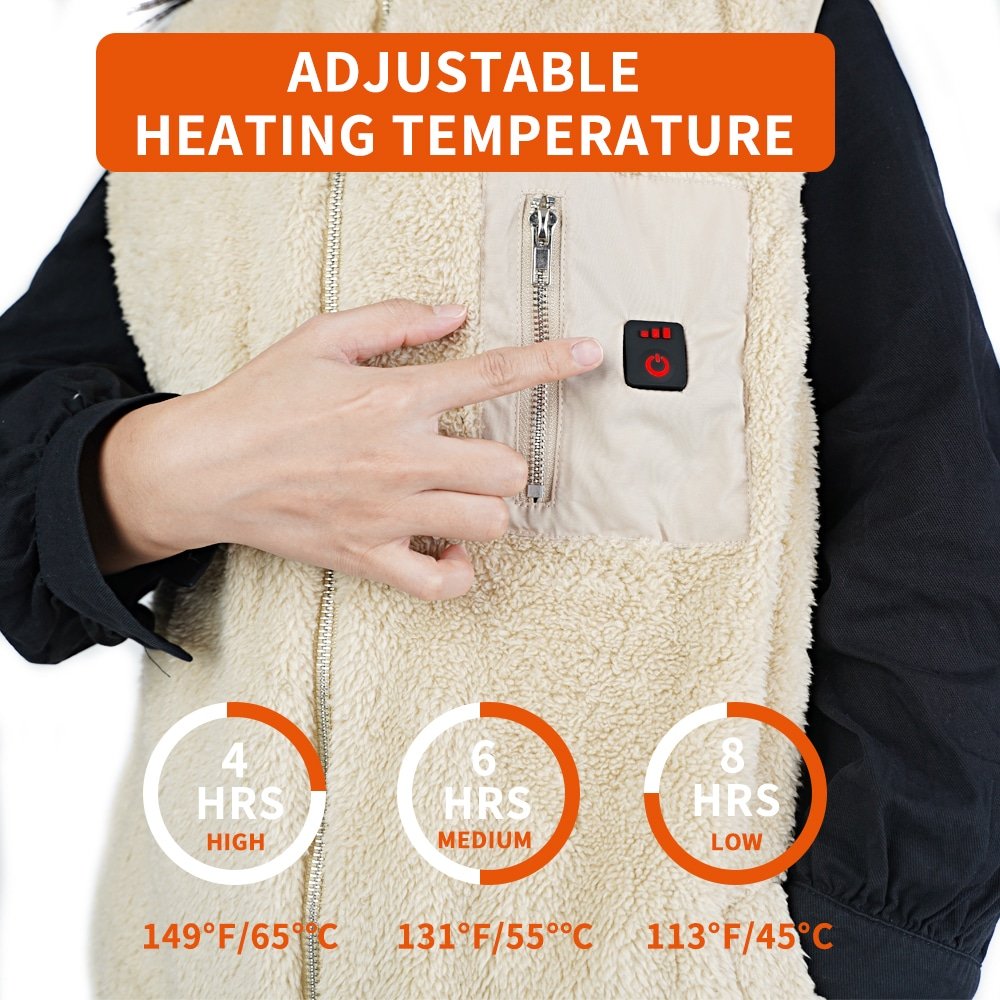
Selecting Low-Quality PCBs often leads to poor temperature regulation and sudden shutdowns because low-quality boards cannot control heat consistently under different conditions.
Forgetting Waterproofing Requirements
Forgetting Waterproofing Requirements is especially risky for gloves and jackets used in snow, because unsealed electronics allow moisture to enter and cause corrosion.
Supply Chain & Development Mistakes
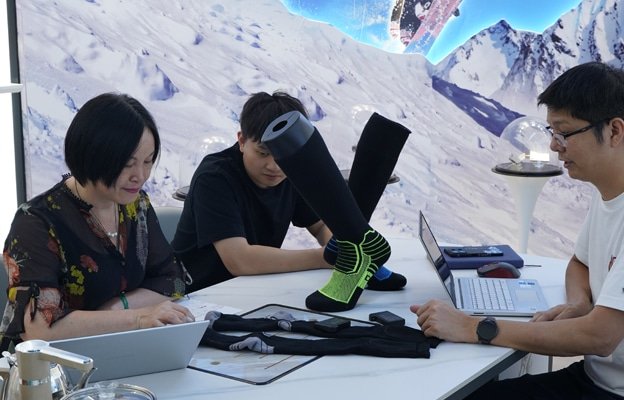
Poor communication can be a source of supply problems – such problems with OEM heated clothing have delayed launches in my projects.
Rushing Sampling Without Engineering Confirmation
Forgetting of the heat test, fabric test, battery test, ends up with defective prototypes which wastes months in correction.
Unclear Tech Packs or Incomplete Requirements
The factory guesses result in improper development, e.g. the improper zone patterns in the vests.
Not Ordering Early Enough for Peak Season
Plan 3–5 Months Ahead of Peak Season because heated apparel peaks in Sep–Jan, and late orders often cause stockouts and lost sales.
Choosing Factories Without Heating Experience
Choosing Factories Without Heating Experience can be costly because general apparel factories cannot handle electronics, which often leads to integration failures.
Safety & Certification Mistakes
Liability is welcome: safety mistakes such as these in heated clothing recalls have forced others to recall their brands.
Using Uncertified Batteries
No UN38.3 = international sale difficulties.
Ignoring CE/FCC/RoHS Requirements
Ignoring CE/FCC/RoHS Requirements is a serious issue in Europe and the U.S., where products may be banned or fined without the right compliance.
Weak Overheat Protection
None of the NTC sensors, high risk of burns or fire.
Incorrect Waterproofing
Electronics in the moisture which is typical of the warm glove designs.
Design-Related Mistakes
Design weaknesses impact usability Design Weaknesses This is where common problems encountered when a jacket is designed to be heated originate.
Too Many Heating Zones
Adds expense + decreases run time, making straight-forward vests more complex.
Poor Pocket or Battery Placement
Causes discomfort to users such as the large cuffs of gloves that make gripping difficult.
Using Bulky Fabrics That Block Heat
Warmth cannot be transferred well without the matching of heating system, otherwise, insulation cannot be done.
Wrong Sizing Strategy for International Markets
Regions = different fit and failure to recognize this results in high returns.
Cost & Pricing Mistakes
Errors in cost swell budgets – problems in manufacturing of heated clothing are frequently initiated by skimming at this stage.
Choosing Cheap Components
Fraudulent batteries – they are dangerous, they run out of charge.
Not Budgeting for Spare Batteries
Big lost a revenue opportunity, and customers usually purchase extras.
Underpricing Premium Systems
APP control + graphene film= high cost but low prices undermine perceived value.
Ignoring Packaging Costs
Electronic products should be better packaged, to avoid damage during transit.
How Brands Can Avoid These Mistakes (Clear Fixes)
Based on experience in troubleshooting dozens of projects, here is the actionable advice that will help avoid falling into the pitfalls: how to avoid the development of heated gear delays is reduced to planning and know-how.
Work With Experienced Heated Apparel Factories
Work With Experienced Heated Apparel Factories because success depends on combining electronics and textiles into an integrated design from the start.
Match Heating Elements to Product Purpose
Applications skiing vs everyday wear vs industrial graphene vs. carbon fiber durable gloves, even jacket heat.
Always Choose 7.4V for True Winter Products
Maintains a balance between power and run time.
Use Certified Batteries With Full BMS Protection
Avoids shorts and over heating in accordance with international standards.
Demand Pre-Production Testing (PPS)
Demand Pre-Production Testing (PPS) with thermal, runtime, and cold testing to replicate real usage and catch problems early.
Build A Clear Tech Pack Before Sampling
Zones, voltage, as well as materials are detailed to do away with guesses.
Plan 3–5 Months Ahead of Peak Season
Protective supply chains to launch on time.
Final Recommendation — Safe, Reliable Heated Clothing Requires Proper Planning & Engineering
To perform well in hot apparel construction, avoid making mistakes in the projects by selecting the appropriate heating systems such as graphene to be efficient. Charge batteries with certified packs and BMS. Cooperation with technical factories that specialize in heated gear. Real cold performance test. Develop the plan in advance to meet market time. The strategy transforms the possible traps into lucrative products.