March 23, 2026

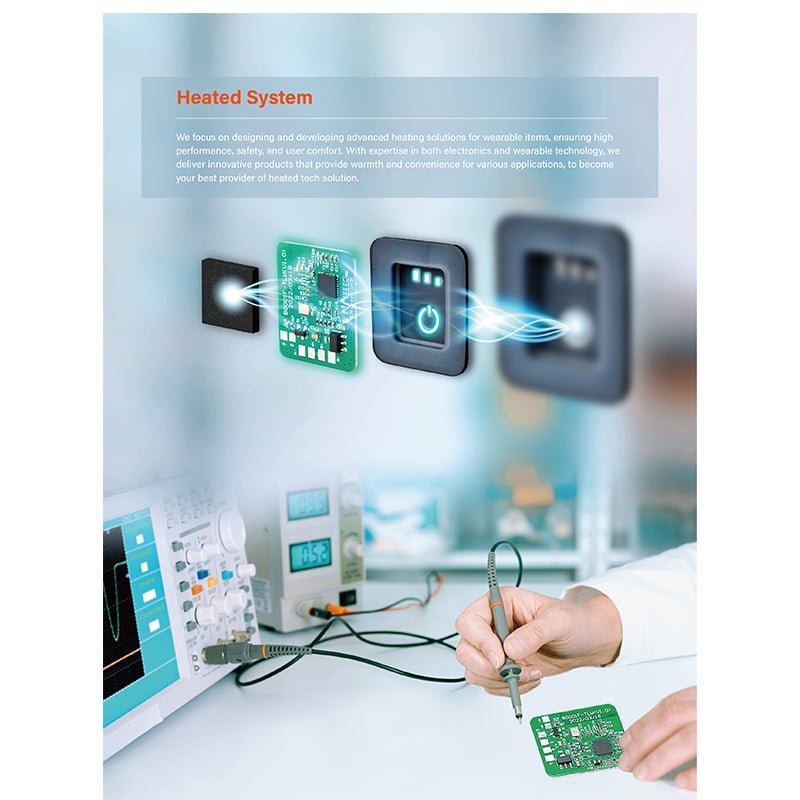
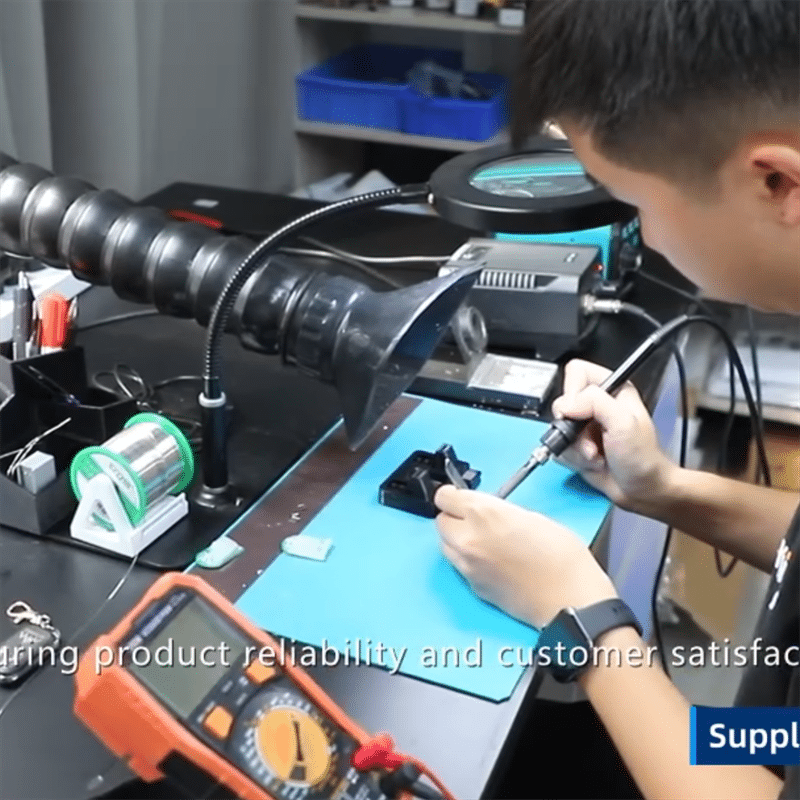
technician assembling and testing PCBA electronics for heated apparel temperature control systems during in-house heated product development
Blog

Heating Film vs Carbon Fiber in Heated Socks

Heating film and carbon fiber are two common heating technologies used in heated socks. This guide explains their structural differences, performance characteristics, durability factors, and manufacturing implications to help brands choose the right heating system for their product positioning and long-term reliability.
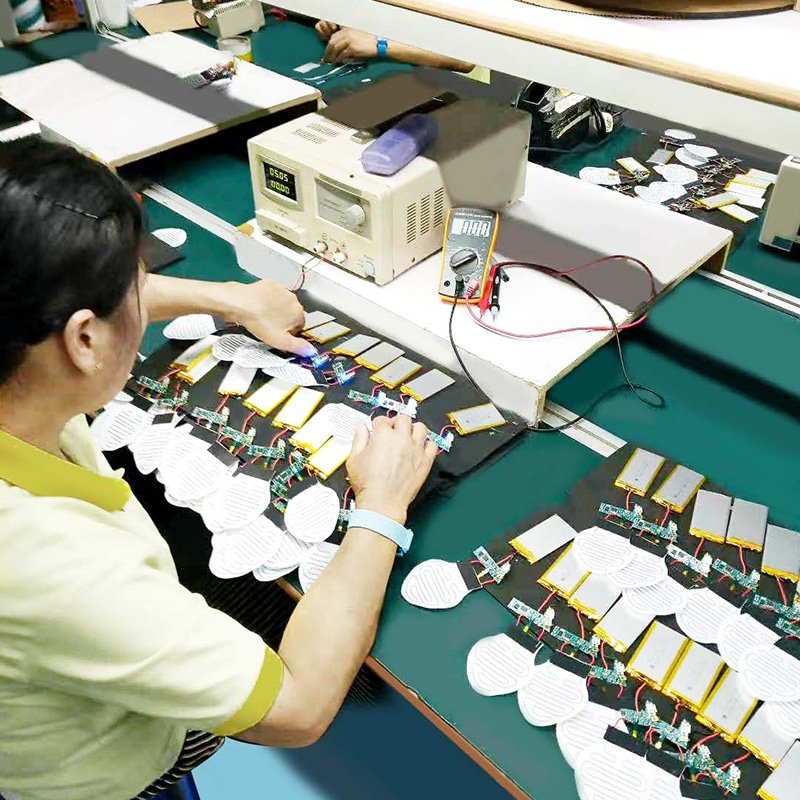
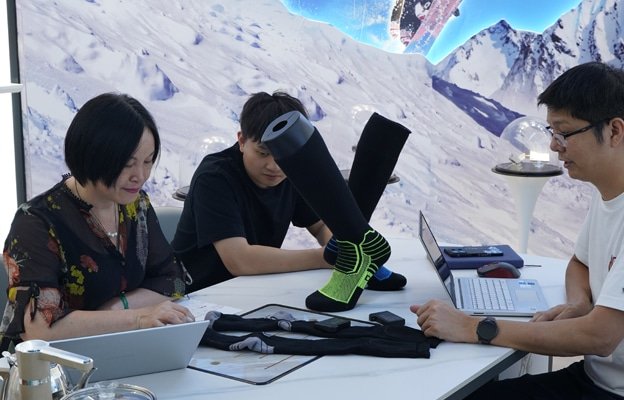
factory technician assembling and testing battery packs and heating pads for battery powered heated clothing systems
Blog

How Do Heated Socks Work? Heating Elements Explained

Heated socks combine textile structure, heating elements, battery modules, and temperature control systems to generate consistent warmth. This guide explains how heating technology works, the differences between carbon fiber and heating film, and how manufacturing design affects durability, safety, and performance in wearable heating products.

OEM heated socks samples reviewed and confirmed with international clients
Blog

Common Mistakes When Sourcing Heated Socks from China

Sourcing heated socks from China requires more than price comparison. This guide explains common mistakes brands make in supplier evaluation, quality control, certification review, and production planning — and how to reduce sourcing risks in wearable heating manufacturing.

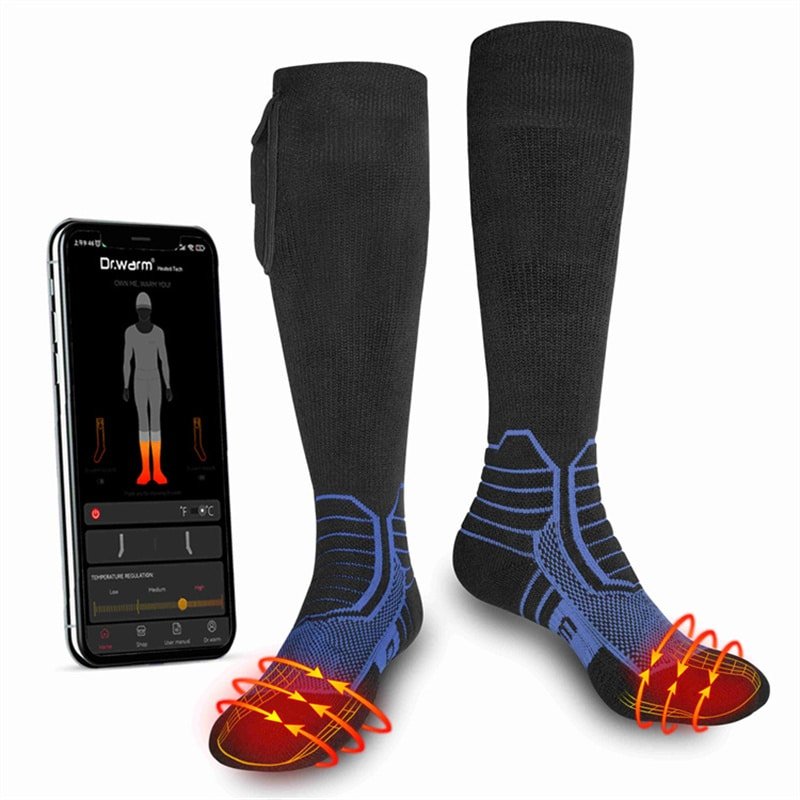
Premium APP Controlled Heated Socks Ideal as a Winter Gift for Skiing Wholesale from Factory
Blog

Private Label Heated Socks: Manufacturing Process Explained

Private label heated socks require more than logo customization. This guide explains the full manufacturing process, including heating element integration, battery configuration, testing procedures, and quality control systems that ensure long-term production consistency and brand reliability.

OEM heated socks samples prepared and reviewed before mass production
Blog

MOQ, Lead Time & Custom Options for OEM Heated Socks

MOQ, lead time, and customization options directly affect OEM heated socks production planning. This guide explains how minimum order quantities are determined, what influences production timelines, and how brands can align customization goals with manufacturing realities for scalable, consistent output.

custom PCBA heating control system for heated clothing electronics with smart temperature control circuits for heated wearables
Blog

OEM vs ODM Heated Socks: Which Is Right for Your Brand?

Choosing between OEM and ODM heated socks affects product control, development cost, and scalability. This guide explains the structural differences between both manufacturing models and helps brands decide which approach aligns with their long-term strategy and operational goals.

Professional Electric Heated Products Manufacturer Dr Warm Showcasing 12V Rechargeable Heated Socks with Strong ODM Capability
Blog

Ensuring System Consistency in App-Controlled Heated Apparel

System consistency in app-controlled heated apparel depends on coordinated calibration of firmware logic, heating output, battery performance, and Bluetooth communication. This article explains how structured validation processes and disciplined production controls ensure stable performance across large manufacturing batches.

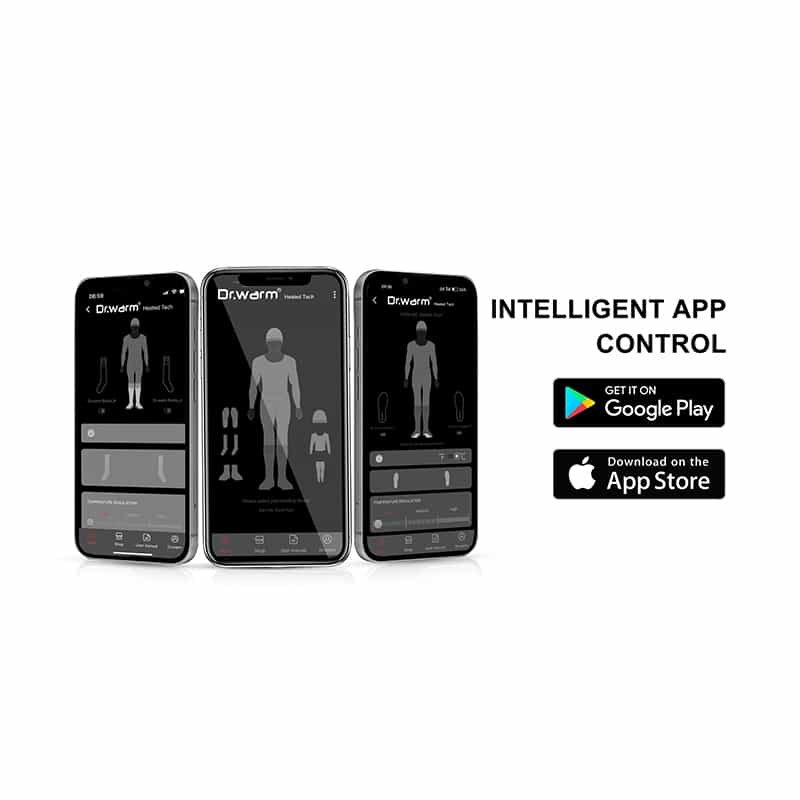
APP Remote Control Heated Socks for Skiing Rechargeable Battery Thermal Socks from ODM Factory
Blog

Bluetooth Stability Challenges in App-Controlled Heating Systems

Bluetooth instability in app-controlled heating systems can cause signal drop, delayed temperature response, and pairing failures. This article explains the engineering causes behind these issues, including antenna placement, firmware timing, insulation interference, and production calibration challenges.

bluetooth app control heated gloves heated clothing smart heating system temperature control mobile app OEM heated apparel technology
Blog

How Temperature Control Algorithms Work in Heated Apparel Apps

Temperature control algorithms in heated apparel apps dynamically regulate heating output using current smoothing, voltage scaling, and feedback loops. This article explains how firmware logic ensures stable warmth, energy efficiency, multi-zone balance, and battery safety in app-controlled wearable heating systems.

Scroll to Top

Request A Quote​