

A heated apparel order leaves the factory as two products travelling together: garments, and lithium-ion batteries. The garments clear customs as ordinary textiles. The batteries are classified as dangerous goods, and that classification follows the shipment whether anyone declares it or not.
Most first-order delays we see are not caused by a refusal to comply. They are caused by a shipment being prepared as a clothing order when part of it is a battery order — and the specific mistake that recurs most often is a UN number that does not match how the batteries are packed.
The Classification That Decides Everything
Lithium-ion batteries fall under two entries that look similar and behave very differently at the freight desk. Which one applies is not a choice — it is determined by how the batteries are packed.
| UN 3480 | UN 3481 | |
| Description | Lithium-ion batteries shipped on their own | Lithium-ion batteries contained in or packed with equipment |
| Typical heated apparel case | Spare packs, additional batteries, replacement packs shipped separately | Packs installed in the garment, as the product is sold |
| Treatment | Stricter controls; state-of-charge and packaging conditions apply | Equipment provides enclosure; requirements differ per packing instruction |
| Practical consequence | More documentation, tighter limits, higher freight cost | Simpler path, provided the pack is genuinely installed |
The distinction is not a technicality. A shipment declared under one entry while packed as the other is a misdeclaration, and misdeclared dangerous goods are treated as a compliance failure rather than a paperwork slip — regardless of intent.
Two practical implications for buyers:
Ask how your order will be packed before you ask for the freight quote. A quote built on the assumption that packs ship inside garments will not hold if the factory ships the packs in a separate carton, and that difference usually surfaces after the invoice rather than before it.
Decide deliberately whether you need spare packs in the same shipment. Including spares can change the classification of part of the consignment and complicate the whole shipment. Splitting spare packs into a separately declared consignment is often cheaper than trying to ship everything under one declaration.
The rules themselves are set by the international frameworks — IATA’s Dangerous Goods Regulations for air, the IMDG Code for sea — and both are updated on their own cycles. Regulatory requirements and carrier-specific conditions change, so always confirm the current requirements with your freight forwarder or carrier before shipping. What follows is the structure of the requirements, not a substitute for that confirmation.
Packing Requirements
Whatever the mode, the packing rules exist for one reason: preventing a battery from short-circuiting in transit. Four requirements cover most of it.
Terminal protection. Terminals must be insulated so they cannot contact anything conductive. On installed packs this is handled by the garment’s design; on loose packs it is done with non-conductive caps or tape over the terminals, individually applied.
Prevention of movement. Packs must be secured inside the packaging so they cannot shift, crush against each other or be punctured. This is the requirement most often under-delivered in practice, because a carton that looks well packed from outside can still allow internal movement.
Individual wrapping for loose packs. Loose packs are wrapped individually so one cannot contact another’s terminals, then cushioned with non-conductive material.
Correct marking and labelling. Hazard labels and handling marks must be present and correct for the classification, and packaging must meet the applicable packing instruction for the configuration.
The state of charge matters too. For air shipments, industry practice is to ship lithium-ion cells at a reduced state of charge, commonly around 30%, to lower thermal risk in transit. Confirm the exact figure with your carrier, as requirements and carrier policies in this area have been revised repeatedly and are not uniform across airlines or years.
The Document Pack
This is where a smooth shipment is decided. The documents required are not numerous, but each has a specific purpose and a specific failure mode.
| Document | What it covers | Common failure |
| SDS (Safety Data Sheet) | Battery composition, hazards, handling and emergency measures | Outdated version, or one that does not match the cells actually shipped |
| UN 38.3 test summary / test report | Evidence the cell or pack design passed the UN transport test series | Absent, expired for the design shipped, or describing a different cell |
| Dangerous goods declaration | The UN number, proper shipping name, class, packing and quantity | UN number not matching the actual packing configuration |
| Commercial invoice | Product description, quantities, declared values, battery specification | Describes garments only, with no battery reference |
| Packing list | Carton contents, weights, dimensions, battery placement | Does not distinguish battery cartons from garment cartons |
| Certificates relevant to the destination market | Market access requirements for the product itself | Assumed to be covered by the transport documents |
Two clarifications worth stating precisely, because loose wording here causes disputes:
On the safety data sheet. The internationally used term is SDS — Safety Data Sheet — under the GHS framework. You will also see MSDS (Material Safety Data Sheet), which is the older naming; the two refer to the same class of document, and SDS is the current term. What matters in practice is that the document is current and describes the cells actually in your shipment.
On UN 38.3. UN 38.3 is a test, from the UN Manual of Tests and Criteria. The supporting document is a test summary or test report — a record of results, not a mark of approval. The wording matters when you assess a supplier’s documentation: what you ask for is the test summary itself. As of the 2022 revisions to the UN Model Regulations, manufacturers are required to make test summaries available on request for cells and batteries offered for transport, so the document should exist as a matter of course.
Where Shipments Stall
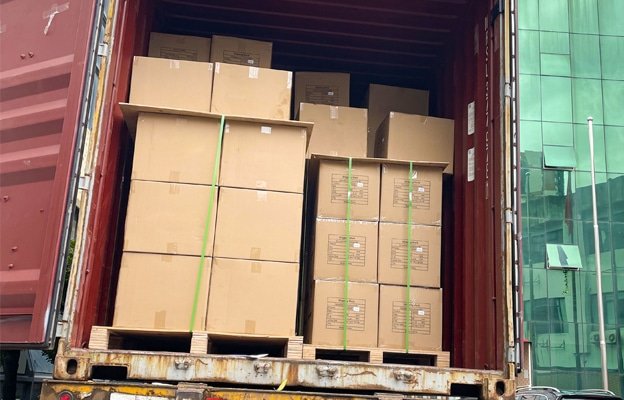
Most delays trace back to one of five causes, and all five are preventable at the factory end.
Mismatched UN number. The most common and the most disruptive, because resolving it usually requires re-documenting the consignment rather than answering a question.
Invoice describes garments only. Customs sees a textile declaration for a consignment containing regulated goods, and the discrepancy triggers an inspection.
Missing or mismatched test summary. The document exists but covers a different cell or pack design than the one shipped, which is functionally the same as not having it.
HS code confusion. Heated apparel and its batteries can attract different classifications, and an order that mixes them under a single code invites scrutiny. Batteries and battery-containing goods typically fall under the 8507 heading; garments under the textile chapters. Confirm the applicable codes for your destination with your broker.
Packing that does not match the declaration. Declared as installed-in-equipment, packed loose. This is what the classification distinction exists to catch.
Manufacturer Insight
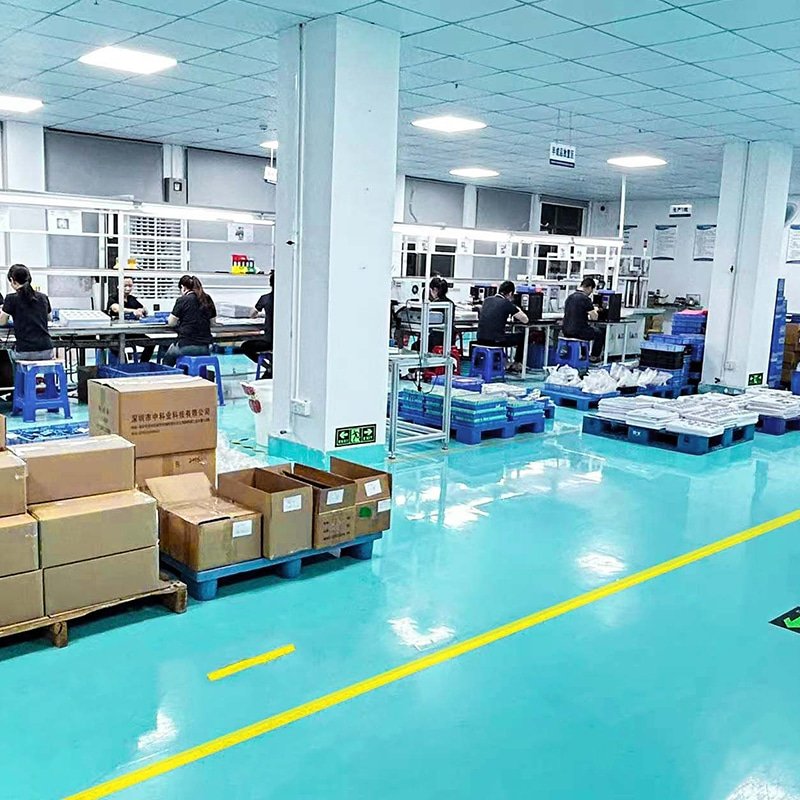
From the factory side, the shipments that clear without friction have one thing in common: the buyer and the factory agreed on how the batteries would be packed and documented before the production schedule was fixed, not when the goods were ready to leave.
Three things we ask buyers to settle early, because each one changes what the factory prepares:
Will packs ship installed, loose, or both? This single decision sets the UN classification and the packing method.
Which documents does your forwarder need, and in what language? Requirements differ by destination and by forwarder, and a document that arrives after the container is loaded is not a document that helps.
Are spare packs part of this order? Spare packs are usually the correct choice for the customer experience and the wrong choice for shipping simplicity. Planning for them separately is easier than reworking a declaration.
Our own battery packs are assembled in-house with the BMS design handled by the same team, which means the pack configuration, the protection design and the shipping documentation all come from one source — the practical benefit being that the technical details on the paperwork are the technical details of the actual product. You can read more about that on our battery solution page.
Frequently Asked Questions
Do heated clothing batteries count as dangerous goods? Yes. Lithium-ion batteries are classified as dangerous goods for transport and the classification applies regardless of whether the shipment is declared. What changes between shipments is which entry applies — determined by how the batteries are packed, not by their size.
What is the difference between UN 3480 and UN 3481?
UN 3480 covers lithium-ion batteries shipped on their own; UN 3481 covers batteries contained in or packed with equipment. Heated apparel sold with the pack installed is normally shipped under UN 3481, while spare packs shipped loose fall under UN 3480 with its stricter conditions.
Can heated apparel with batteries be shipped by air? Yes, subject to the air transport rules and to carrier-specific conditions, which are tighter than for sea freight and change periodically. Battery watt-hour rating and quantity per consignment both affect what is permitted — confirm current requirements with your forwarder before booking.
What state of charge should the batteries ship at? Industry practice for air shipments is a reduced state of charge, commonly around 30%, to lower thermal risk in transit. This is an area where requirements and carrier policies have been revised repeatedly, so confirm the figure that applies to your shipment rather than working to a fixed number.
Why do heated apparel shipments get held at customs? Most often because the documents describe garments only, or because the declared UN number does not match how the batteries are packed. Both are preparation issues at the factory end rather than problems that arise at the border, and both are avoidable by settling the packing configuration before production is scheduled.
The Short Version
Check three things before your first shipment: the UN number matches how the batteries are actually packed, the document pack includes a current SDS and a UN 38.3 test summary for the exact cell or pack shipped, and the commercial invoice and packing list describe the batteries rather than only the garments. Confirm state-of-charge and current carrier conditions with your forwarder, since these change.
For the standards the batteries themselves have to meet, see our guide to battery safety standards for heated apparel. For who arranges and pays for freight under each trade term, see Incoterms for heated apparel sourcing — the two articles together cover the commercial and the regulatory sides of getting an order delivered.