March 23, 2026

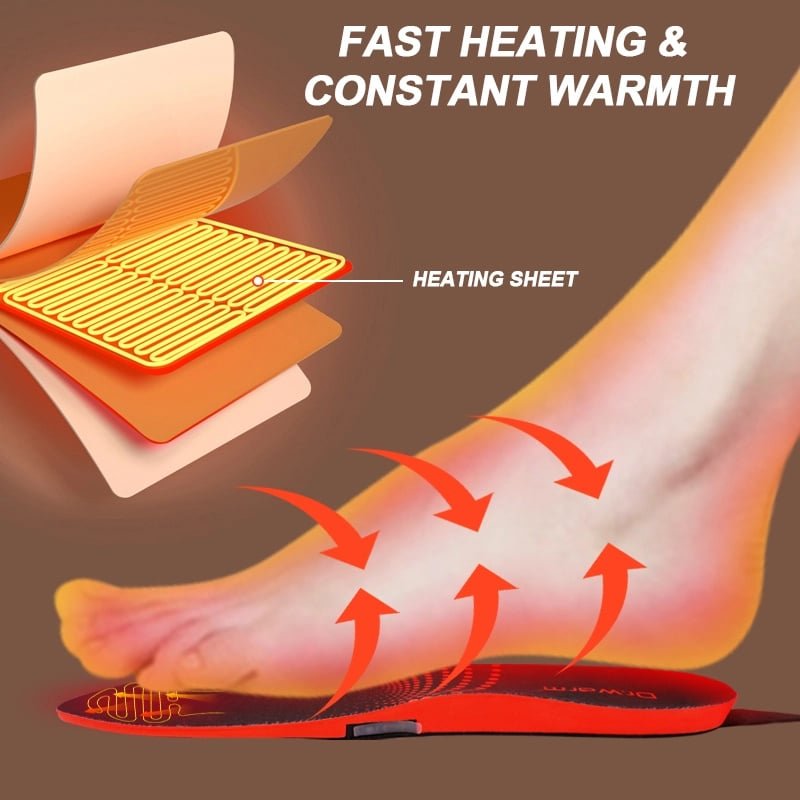
Visual representation of Dr.Warm insole’s fast-heating technology, showing the heating sheet that provides rapid and consistent warmth to the entire foot.
Blog

Common Mistakes When Sourcing Heated Insoles from China

Sourcing heated insoles from China involves more than comparing prices or reviewing samples. From lithium battery safety integration and heating system durability to compliance documentation and production consistency, this guide explains the most common sourcing mistakes and how brands can reduce long-term manufacturing and regulatory risks.
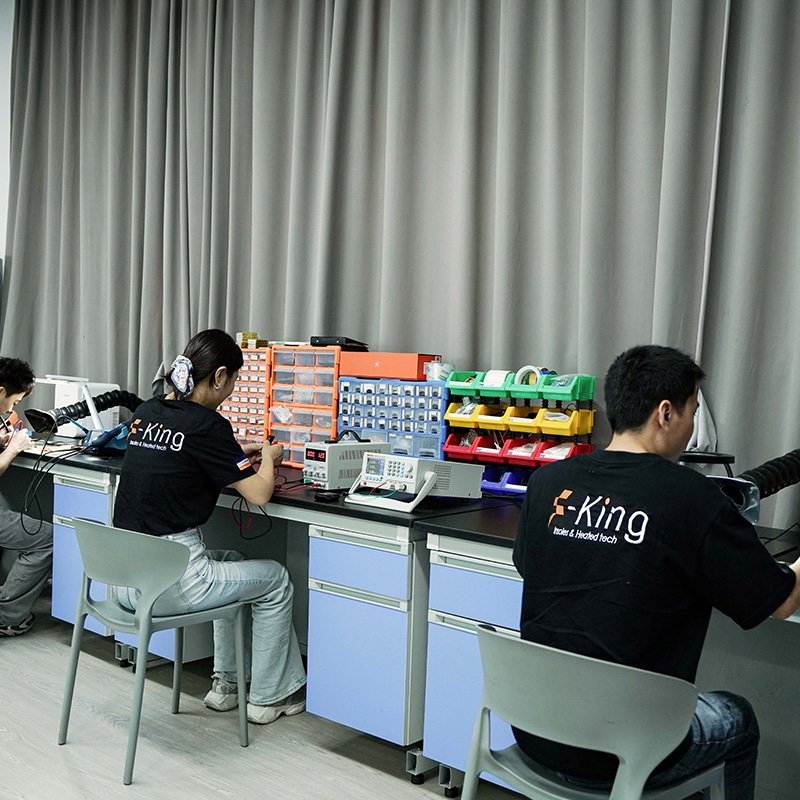
engineers developing custom PCBA controller design for heated clothing electronics and temperature control systems
Blog

Lithium Battery Safety Standards for Heated Insoles Manufacturers

Lithium battery safety standards for heated insoles manufacturers involve protection circuit integration, overcharge and short-circuit safeguards, UN38.3 transport validation, and production-level testing protocols. This guide explains the engineering and regulatory frameworks that ensure safe battery performance, stable heating output, and compliance with US and EU market requirements.

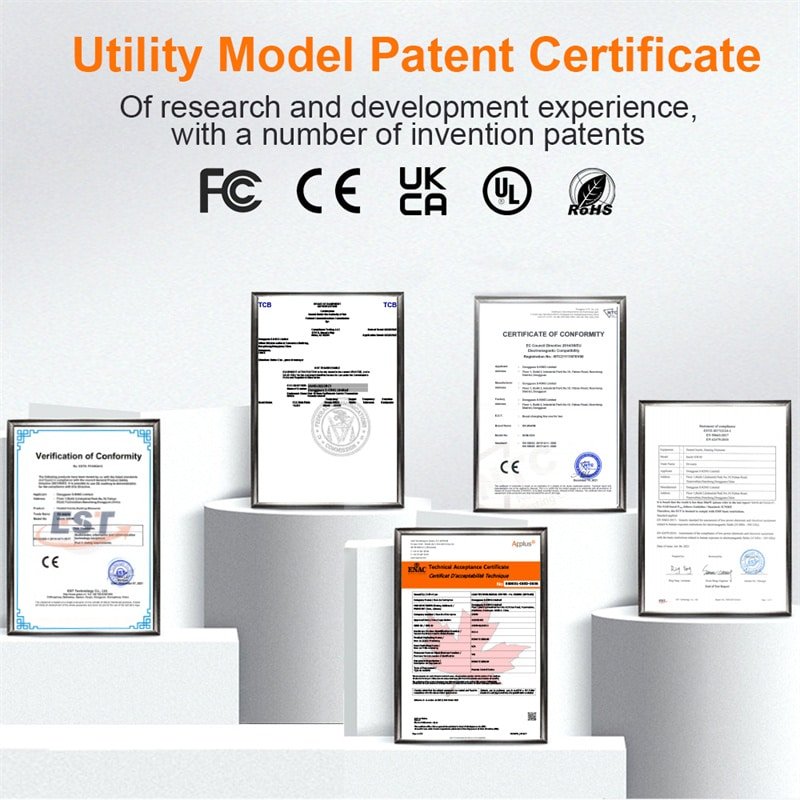
DO NOT USE - third-party certificate collage (not S-KING)
Blog

Certifications Required for Heated Insoles in US & EU Markets

Heated insoles sold in the US and EU markets must comply with electrical safety, electromagnetic compatibility, battery transport, and material restriction regulations. This guide explains key certifications such as CE, FCC, RoHS, and UN38.3, and outlines how proper compliance planning ensures smooth customs clearance and marketplace approval.

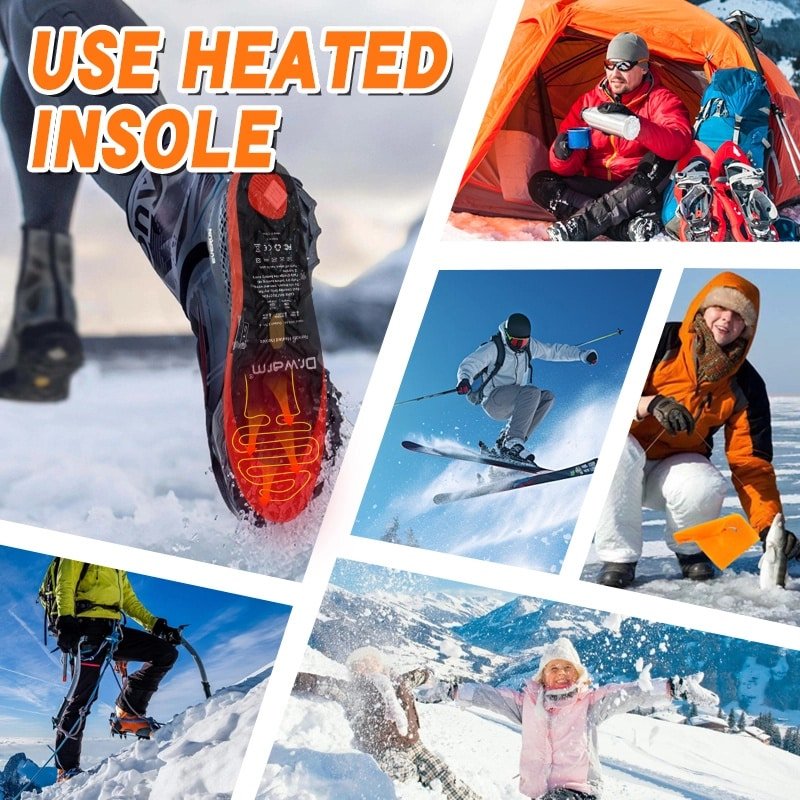
Simple instructional graphic with the text “USE HEATED INSOLE”, demonstrating the basic concept of placing heated insoles inside winter boots or shoes.
Blog

Heated Insoles for Motorcycle Riders: What Features Matter Most?

Heated insoles for motorcycle riders must perform reliably under wind chill, vibration, and extended riding conditions. From heating element durability and battery endurance to temperature control stability and structural reinforcement, this guide explains the key engineering features that determine performance and safety for cold-weather riding applications.

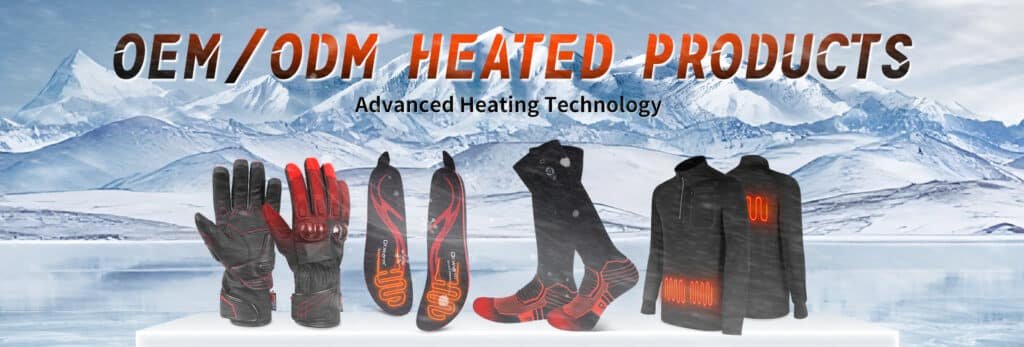
Discover our full range of OEM/ODM heated products designed for winter sports, outdoor activities, and cold weather protection. Our advanced heating technology delivers reliable warmth, comfort, and performance across a variety of heated apparel
Blog

Heated Insoles vs Heated Socks: Which One Should You Choose?

Heated insoles and heated socks both provide warmth in cold environments, but they differ in heating coverage, battery placement, structural durability, and application flexibility. This guide compares the two solutions to help brands, sourcing managers, and outdoor users determine which option best fits their footwear design and usage conditions.

Outdoor enthusiast wearing boots with wired heated insoles while standing in snow, ideal for hunting or skiing.
Blog

Heated Insoles for Outdoor Work: Construction & Cold Storage Applications

Heated insoles for outdoor work and cold storage must deliver stable heat output, extended battery performance, and durable construction under demanding industrial conditions. This guide explains how heating technology, lithium battery systems, structural reinforcement, and safety compliance requirements determine suitability for construction sites, warehouses, and extreme cold workplaces.

Hero image featuring a skier, hunter, and outdoor worker using various types of heated clothing in cold environments.
Blog

Best Heated Insoles for Skiing, Snowboarding & Winter Sports

The best heated insoles for skiing and winter sports must deliver stable heat distribution, reliable lithium battery performance in freezing temperatures, and durable construction under constant flexing. This guide explains the key engineering and performance factors that winter sports brands and sourcing managers should evaluate when selecting heated insoles for extreme cold applications.

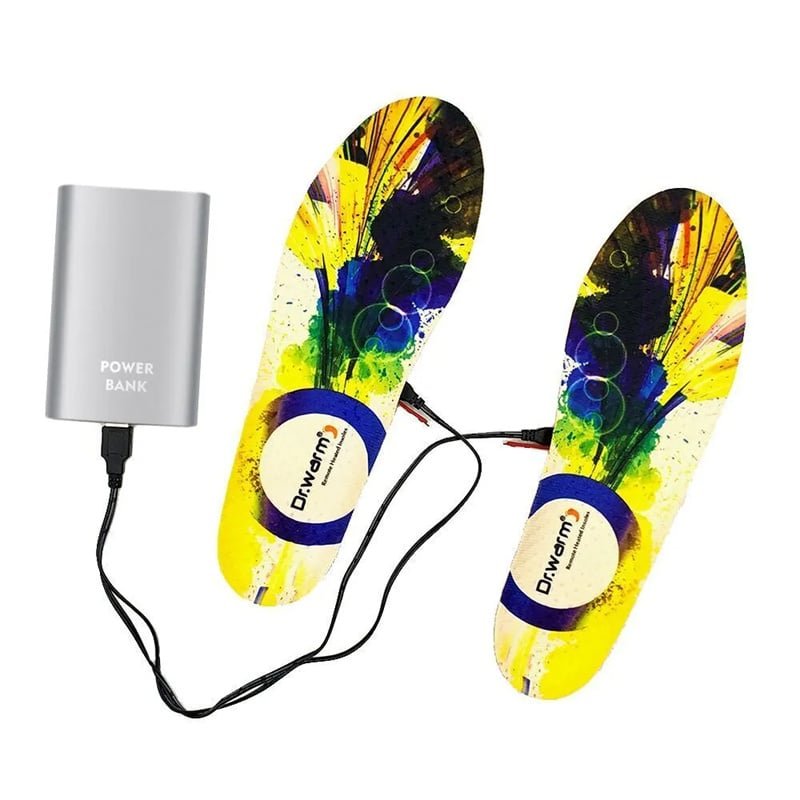
The rechargeable battery pack of Dr. Warm heated insoles being charged via a USB cable.
Blog

Carbon Fiber vs Heating Film in Heated Insoles: Which Is Better?

Carbon fiber and heating film are the two most common heating technologies used in heated insoles. While both operate through electrical resistance, they differ in flexibility, durability, heat distribution, and cost structure. This guide explains the key engineering differences to help brands and sourcing managers choose the most suitable heating system for their product strategy.

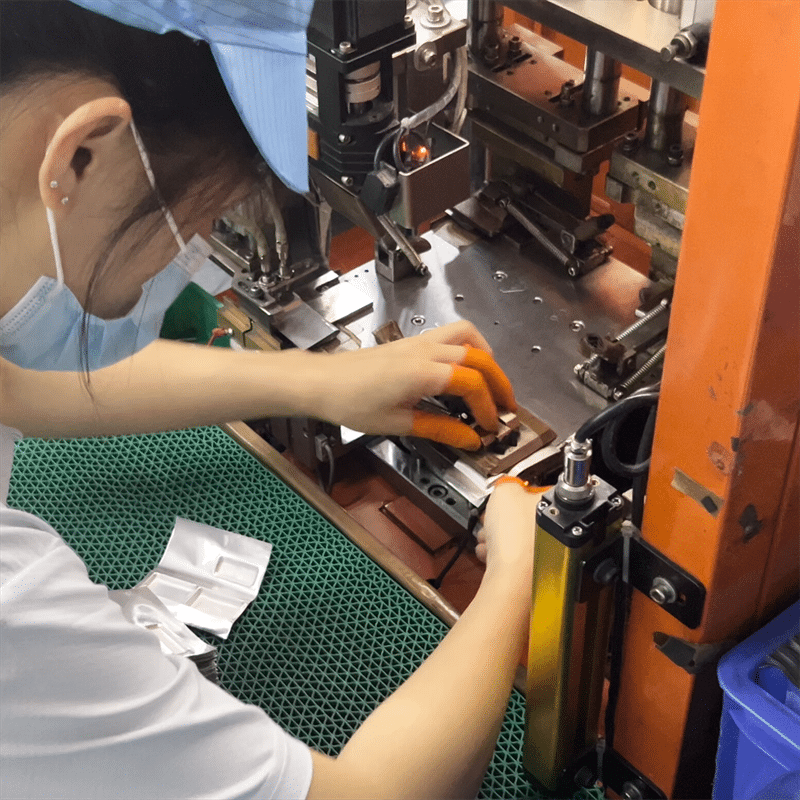
worker operating heat press machine forming heating elements structure for heated clothing production
Blog

Are Heated Insoles Safe? Battery Protection & Temperature Control Explained

Are heated insoles safe? When properly engineered, heated insoles include lithium battery protection circuits, temperature regulation systems, and safety testing protocols to prevent overheating and electrical hazards. This guide explains how battery protection, thermal sensors, and quality control processes work together to ensure stable and reliable heated insole performance.

Scroll to Top

Request A Quote​