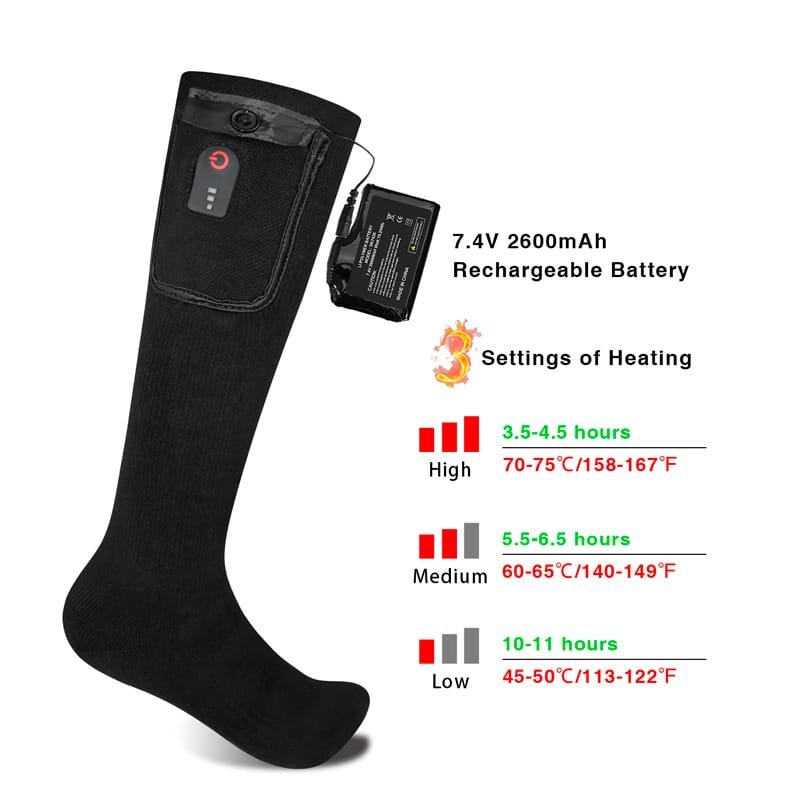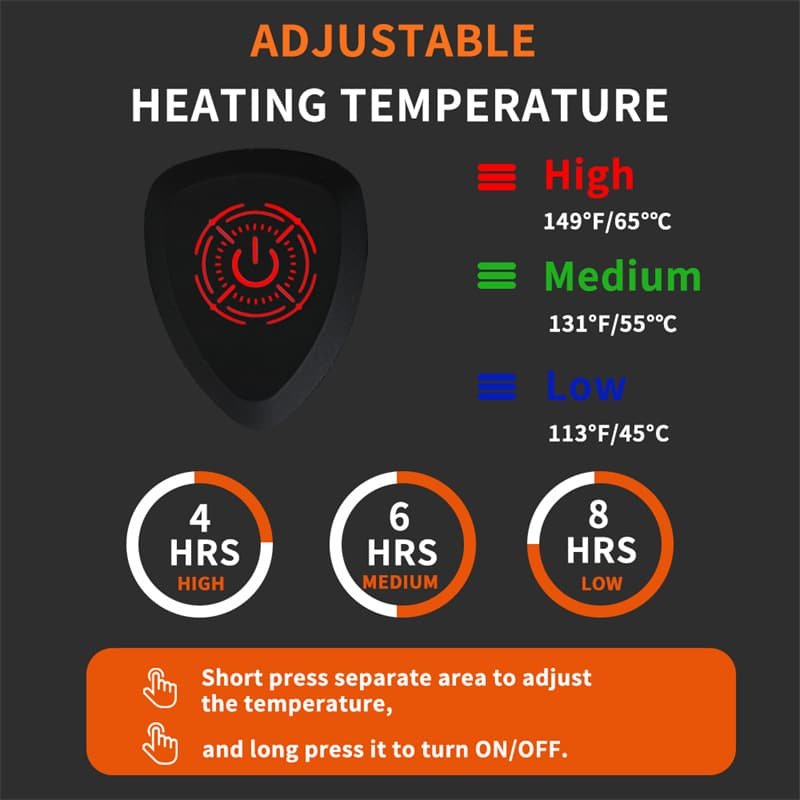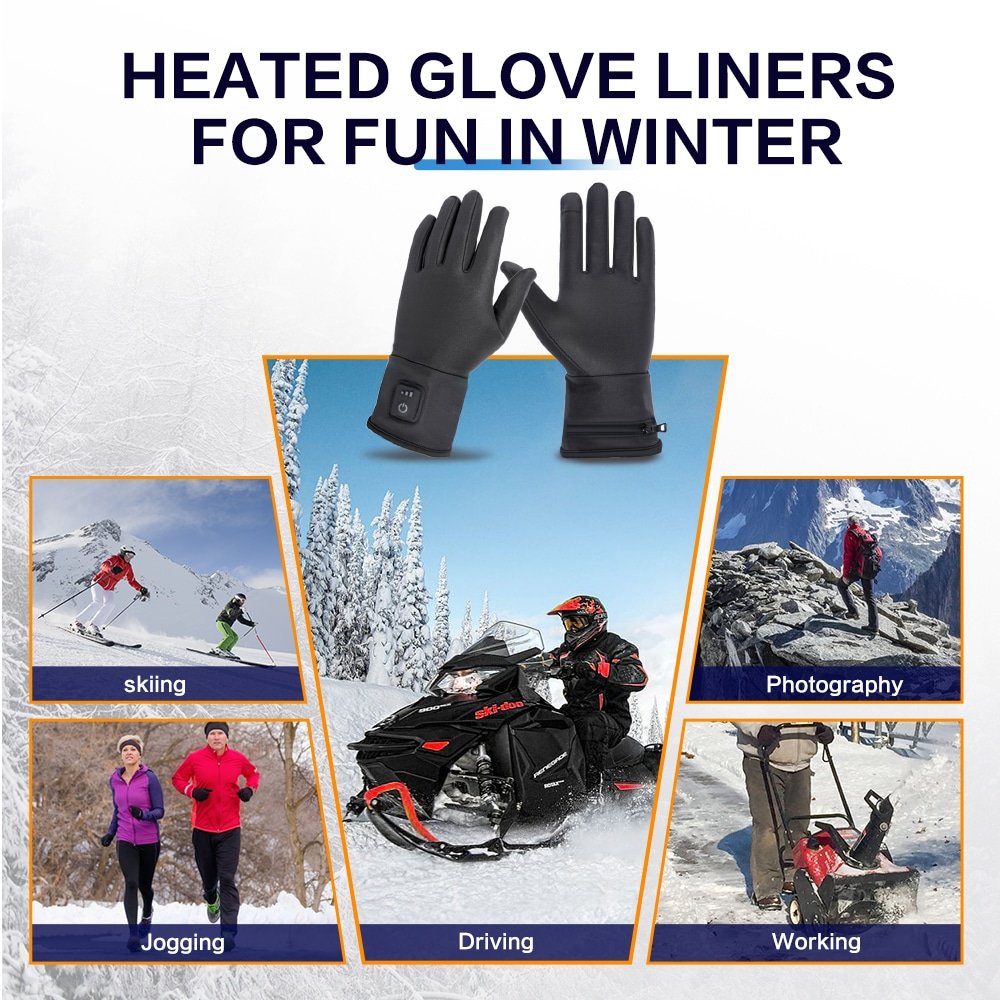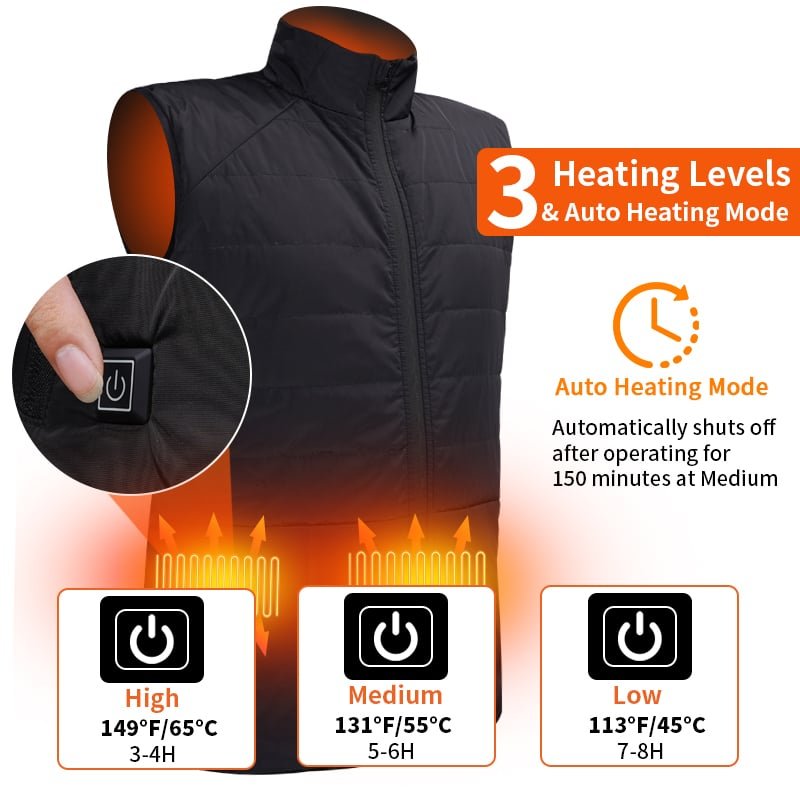

Heated clothing is one of the harder products to clear through customs, because it is three products in one. The garment is apparel, the heating element and controller are electronics, and the battery pack is dangerous goods. Each of those three can be classified, valued and charged differently, and a small mistake in classification changes the duty rate on the entire order.
This guide walks through how heated apparel is classified, what actually makes up the import cost, which documents a customs broker will ask for, and the points where importers most often overpay or get a shipment held.
Why Classification Is the Whole Game
Every import starts with an HS code, the internationally standardised number that determines the duty rate, the statistics category and often the licence or permit requirements. The code is not optional and it is not generic: it must match the specific product in the box.
For heated clothing the question is whether the product is treated as a garment or as an electrical device. Different customs authorities answer this in slightly different ways, but the practical rule is consistent: the principal function decides. A heated jacket whose main job is to be worn is normally classified under the apparel chapter, with the heating function described in the product literature rather than in the code itself. A heating pad or a heated cushion, where warming is the point of the product, may fall under an electrical chapter instead.
Because the classification drives the duty, it is worth getting it confirmed before the first container ships, not after a hold at the border. A customs broker or a licensed customs consultant can provide a binding ruling in some jurisdictions, and that ruling removes the argument later.
What the Import Cost Is Actually Made Of
The invoice price is only the start. A realistic landed-cost calculation for heated apparel adds several lines on top of it.
- Customs duty, charged as a percentage of the customs value, which is normally the transaction value of the goods plus freight and insurance to the port of entry.
- Sales tax or VAT, applied at the destination country’s rate on top of the duty-inclusive value.
- Brokerage and handling fees, which are fixed per shipment rather than per unit, so small orders carry a proportionally higher cost per piece.
- Any anti-dumping or additional tariffs that apply to the country of origin at the time of import, which change and must be checked against the current tariff schedule rather than an old quote.
The duty rates themselves are not something to memorise, because they are revised. The reliable habit is to look them up in the official tariff tool at the time of quoting: the USITC HTS search for the United States and the TARIC database for the European Union.
US vs EU: What Changes at the Border
| Dimension | United States | European Union |
|---|---|---|
| Classification tool | HTS (10-digit) | CN code + TARIC (10-digit) |
| Customs value basis | Transaction value (FOB) | Transaction value, adjusted to the EU border |
| Sales tax | State and local, applied at sale not import | VAT, charged at import on the duty-inclusive value |
| Lithium battery documentation | UN38.3 test summary, MSDS/SDS on request | UN38.3 test summary, SDS available |
| Where importers get held | Missing country-of-origin marking, wrong HTS | Missing CE documentation, incomplete customs value |
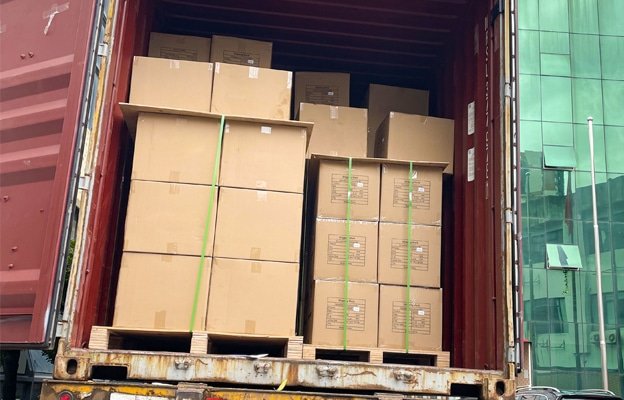
Documents That Clear a Heated Clothing Shipment
A complete file saves more time at the border than any negotiation does. For a heated apparel order, the standard set is:
- Commercial invoice with the exact product description, HS code, unit value, quantity, country of origin and incoterm.
- Packing list matching the invoice line by line, so the inspector can trace any carton.
- Bill of lading or air waybill, plus the incoterm that fixes who pays freight and insurance.
- UN38.3 test summary for the lithium battery or battery pack, which is required for air and sea freight.
- Safety data sheet (SDS) for the battery, kept with the transport documents.
- Declaration of conformity and CE documentation where the destination is the European Union.
- Certificate of origin where a trade agreement or a preferential duty rate is being claimed.
Our guide to shipping lithium batteries with heated clothing goes deeper on the battery side, which is where most holds actually happen.
Where Importers Overpay or Get Held
- Classifying by price instead of by function. A cheaper jacket does not change its chapter; it changes its value. The code is about what the product is, not what it cost.
- Undervaluing to save duty. This is the fastest route to a customs hold, a reassessment and a penalty. Declare the real transaction value.
- Splitting battery and garment without documentation. If the battery is invoiced separately, its documentation must still travel with it and the value must still be declared.
- Shipping samples with no paperwork. Samples still cross a border. They need the same invoice discipline, just with a stated sample value.
- Assuming the old rate still applies. Tariff schedules and additional duties change; recheck the official tool on every quote, not once a year.
How We Prepare Shipments for Export
We manufacture heated apparel since 2013, and we assemble the export file the same way every time: the invoice, packing list, UN38.3 summary and SDS for the battery travel together, and the country of origin and HS description are written to survive an inspector’s question rather than to satisfy a spreadsheet.
For the order side of the equation, see payment terms and the order process for OEM heated clothing and MOQ, lead time and costs. When you are ready to move from quote to shipment, our OEM/ODM team will confirm the classification, the documents and the landed cost for your market before anything leaves the dock.
Frequently Asked Questions
How is heated clothing classified for customs?
By its principal function. A heated jacket or glove whose main job is to be worn is normally classified under the apparel chapter, while a heated cushion or pad where warming is the point may fall under an electrical chapter. The classification should be confirmed with a customs broker before the first shipment.
What documents do I need to import heated clothing?
A commercial invoice with HS code and country of origin, a matching packing list, the bill of lading or air waybill, the UN38.3 test summary and SDS for the battery, and CE documentation plus a declaration of conformity for the EU. A certificate of origin is needed only where a preferential rate is claimed.
Why do batteries complicate heated clothing imports?
Lithium batteries are treated as dangerous goods, so they need a UN38.3 test summary and an SDS to travel by air or sea. If the battery documentation is missing, the whole shipment can be held even when the garment itself is compliant.
How can I avoid overpaying duty?
Get the classification right before shipping, declare the real transaction value, and check the current tariff rate in the official tool at the time of quoting. Undervaluing to save duty is the fastest way to a hold and a penalty.
Planning an import? Tell us your destination market and we will confirm the classification, the documents and the landed cost before you commit to a shipment.