

For a first OEM order, the money side makes buyers just as nervous as the product side. The samples looked right, the quote is agreed – and then come the questions that really matter: how much do I pay up front, when is the balance due, and what happens if the goods are not what I approved?
This guide walks through how heated gear orders are normally paid for, and how to structure payment so that neither side is exposed. The exact terms always live in your proforma invoice, but the logic behind them is remarkably consistent across the industry.
Payment Follows Production Milestones, Not Dates
The most important thing to understand is that payment is split across the order, not handed over in one go. Each payment is anchored to a milestone that both sides can verify:
- Order confirmation – deposit against a signed proforma invoice and agreed specification.
- Sampling and material purchase – the deposit unlocks raw materials and sample development.
- Production – the factory manufactures to the approved sample and tech pack.
- Pre-shipment inspection – goods are checked against the agreed AQL before the balance is released.
- Shipping documents – bill of lading, packing list and certificate of origin are issued and handed over against the balance.
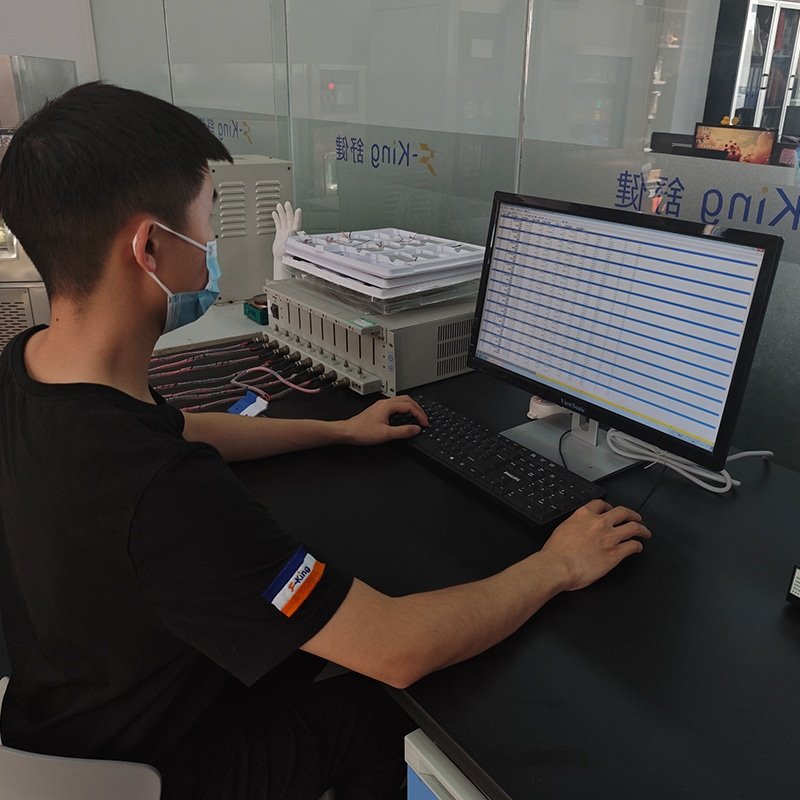
Seen this way, the deposit is not a gift of trust – it funds the materials the factory has to buy on your behalf. Coming back with a clearly defined spec and sample is what makes those milestones enforceable.
The Payment Methods You Will Be Offered
Most factories work with a small set of methods, and each has a different risk profile:
- T/T (telegraphic transfer) – a direct bank transfer, the default for most OEM orders. Fast, cheap and standard.
- Letter of credit (L/C) – the bank guarantees payment once specific documents are presented. Common on larger orders, and the safest structure for a first-time buyer because payment depends on documents, not on goodwill.
- Platform escrow or trade assurance – the payment is held by the platform until delivery is confirmed. Useful for smaller and trial orders.
- PayPal or card – occasionally offered for samples and small accessory orders, but rarely for bulk production because of the fees.
A legitimate manufacturer is comfortable discussing any of these and will put the method in writing. Reluctance to accept anything traceable is itself a signal worth noting.
Deposit and Balance: The Typical Split
The split depends on how custom the order is, not on the size of the relationship:
- Standard production: a deposit at order confirmation with the balance before shipment is the most common structure. A 30/70 split is widely used; some factories ask for 50/50.
- Heavy customization: orders that need new molds or fully custom electronics typically carry a higher deposit, because the factory is committing to non-recoverable tooling.
- Ready-to-ship stock: usually paid in full before dispatch, since no production risk is involved.
The deposit percentage is negotiable in most cases, especially on repeat orders. What is not negotiable is that the milestone structure is written down before you pay anything.
Sample and Tooling Costs
Development is usually charged separately from production. Sampling for a customized heated product takes time and engineering, so a sample fee is normal, and it typically becomes a credit against your bulk order once production is placed. Custom molds and tooling are a one-off cost that belongs to the buyer – confirm in writing who owns the tooling after the order, so you are not paying for it twice on the next round.
Protecting Yourself on Payment
A few habits remove most of the risk from paying an overseas factory:
- Match names. The bank beneficiary should be the factory company name on your contract – not a personal account or an unrelated third company.
- Keep the spec attached. The deposit should reference an approved sample, tech pack and inspection standard, so “approved” has a fixed meaning.
- Use documents as the trigger. Where the value justifies it, structure the balance against documents (L/C) or against a pre-shipment inspection report.
- Inspect before the balance. A third-party or factory AQL inspection before final payment is standard practice and protects both sides.
- Agree the trade term. Whether you are buying FOB, EXW or DDP decides where cost and risk sit – and it should be settled before the proforma invoice, not after.
How the Order Runs From Payment to Delivery
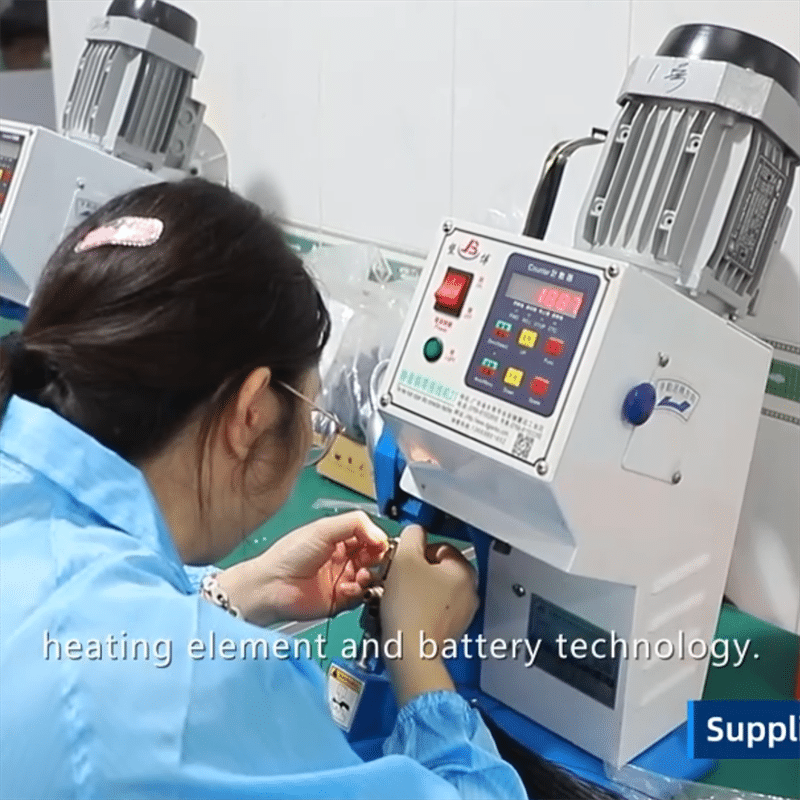
Once the deposit clears, the sequence is predictable: samples are developed and approved, materials are purchased, and mass production begins. Sampling generally runs 7-30 days depending on how deep the customization goes, after which bulk production follows. Throughout, the two dates worth tracking are the balance date and the shipping date – the gap between them is where late surprises hide.
Frequently Asked Questions
What deposit should I expect for a first OEM heated clothing order?
A deposit at order confirmation with the balance before shipment is standard. A 30/70 split is common and a 50/50 split is also seen; orders requiring new tooling usually carry a higher deposit because the factory is committing to non-recoverable molds. The exact figure belongs in the proforma invoice.
Should I always pay by bank transfer?
Not necessarily. T/T is the default for OEM production because it is fast and cheap, but an L/C is safer for a first-time or high-value order because payment is triggered by documents rather than by trust. For smaller and trial orders, platform escrow is a practical middle ground.
Can the sample fee be refunded on the bulk order?
In most cases yes – a sample charge is typically credited against the production order once it is placed. Tooling and mold costs are separate and are usually a one-off paid by the buyer, so agree the ownership of custom tooling in writing.
Planning your first order? See how MOQ, sampling and lead time fit together, or walk through our OEM/ODM process – from brief and sampling to mass production under one roof since 2013.