
Packaging Packaging Design Design Decisions that can be reproduced across scale by production processes. DFM based packaging designs are simpler to create, more standardized, and less expensive to scale.
A lot of problems with packaging can be caused by teams using DFM late in time, in most cases, first samples are created or even in the trial production. One of the misconceptions is that DFM is a part of the manufacturing phase only. As a matter of fact, it has to direct design choices at the onset. xFM is known to redesign brands, increase scrap rates, unpredictable yields, and start increasing costs when it is an afterthought. Implementation of design principles of manufacturing packaged items early will synchronize the design intent and practical production capability avoiding such issues prior to their existence.
What Does Design for Manufacturing Mean in Packaging?
Design for Manufacturing (DFM) in the context of packaging implies designing structures, material, and specifications that are consistent with high-speed converting, folding, gluing, or molding. DFM, in contrast to the discounting operations of general product DFM, which usually focuses on reducing the number of parts, or ergonomics in the assembly process, in packaging is concerned with repeatability, process stability at large volumes.
Packaging is associated with the high-speed lines, accurate registration and material performance under tension, heat or pressure. Even a minor design flaw can result in jams, misfeeds, or defects which will be over thousands of units. The idea is to make sure the design can be made to work on normal pieces of equipment without having to keep having tweaks.
DFM in package packaging contrasts with more wide-range product DFM since in packaging, the packaging is frequently second (protecting and present-to-sale), however it must be designed to include automated filling, closing and palletizing lines. The emphasis remains on alignment of the process: the interaction of the design with machinery, material flow and conditions in the environment throughout production such as humidity or temperature.
The following will be a brief overview of the main aspects of DFM and their implications in packaging:
| DFM Aspect | Packaging Implication |
| Structural simplicity | Faster assembly and fewer setup changes |
| Tolerance discipline | Lower defect rate and reduced waste |
| Material behavior | Predictable output during folding, sealing |
| Process alignment | Stable production with minimal downtime |
These are what make the packaging run well over the factory floor and not only appear well on sketches.
Why DFM Must Be Applied at the Packaging Design Stage
DFM will need to begin with the packaging design phase- once the stage is over it is often too late to begin. At that stage, tooling, dies or printing plates might be invested, fixing costs and changing them is both costly and time consuming.
Timely use of packaging design in the manufacturing process shortens the redesign cycle since this only helps to determine constraints before the prototypes are constructed. It also freezes cost structure: material selection, tolerances and structural characteristics set up to 80 percent of final production cost, long before production starts. Late modifications destroy schedules, add to waste and diminish margins.
Take into account the impact of the decisions made at various stages of design:
| Design Phase | DFM Focus |
| Concept stage | Feasibility assessment |
| Structural layout | Assembly logic |
| Material selection | Process compatibility |
| Tolerance planning | Yield stability |
The treatment of such early aversifies downstream problems. An approach to the packaging design, set at the concept stage, to make it manufacturing friendly is a way against the typical trap of beautiful prototype, which seems to be not workable in the actual production situation.
For brands exploring effective strategies, adopting a design-for-manufacturing packaging approach from the outset proves essential to long-term success.
Key DFM Principles That Apply to Packaging Design
DFAM principles of simplification, discipline and compatibility are the core values in packaging. These instructions can be used to develop scalable packaging design which is reliable in production.
- Structural simplification Minimize complicated folds, undercuts, or interlocking character that need strict registration or slow line speeds. Larger simpler structures have less rejects and lisp-quicker.
- Tolerance management – Tolerances preferred by the converting process (e.g. die-cutting or flexo printing). Unnecessarily high tolerances are more expensive and result in a higher rate of defects but do not add value.
- Process consistency Design with standard equipment in mind-eliminate a design which requires special tooling or continual changes. Regular designs enable consistent and repeatable runs.
- Matching of the material and the process – Choose materials which act in accordance with the stresses of production (heat, tension, humidity). Use only compatible mates so as not to produce curling, delamination or poor seals.
These design concepts will allow manufacturers to continually produce their packaging designs with minimal or no interference when applied at the early stages.
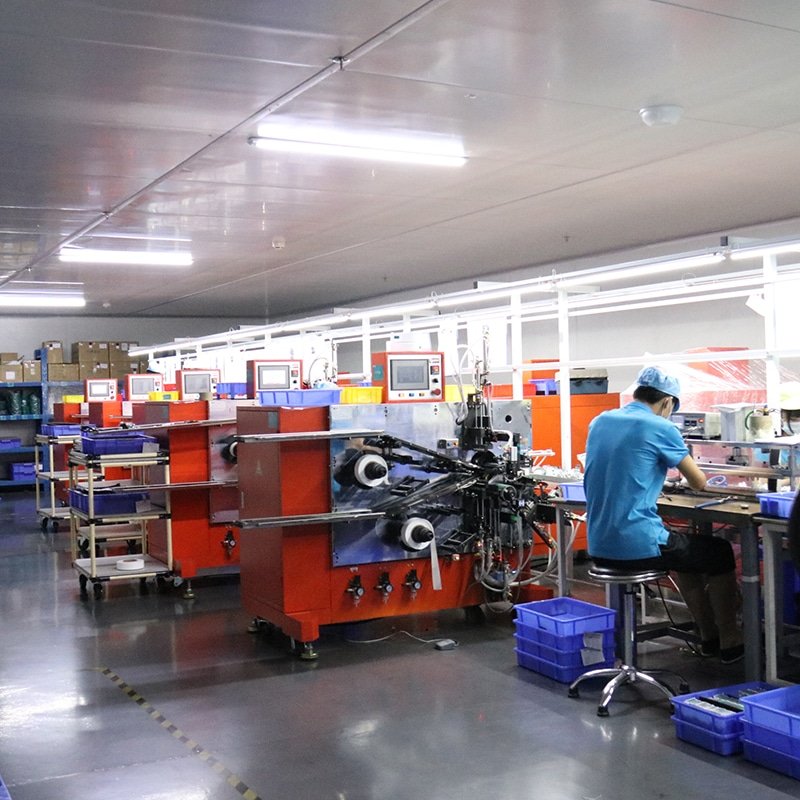
How DFM Improves Cost, Quality, and Scalability
Properly implemented DFM will reduce the dependency on labor directly and normalize processes and enhance the reduction of long-term costs. With the construction of packaging designs on the production line, the speed of the setups is increased, and the operators require a lower training level and line runs with fewer stops.
There are also stable processes, which result in less scrap and rework, two of the most important factors that create costs in high-volume packaging. Quality standards in different batches will facilitate repeat orders without cases of variation or returns. The design is easier to transport across the machines or even factories thus making scalability better.
Such benefits only get returned over time: reduced revision, stable yields, and consistent lead times. DFM-focused brands incur lower total ownership costs and incentives of the supply chain.
Common Packaging Problems Caused by Ignoring DFM
Letting DFM get away results in foreseeable production headaches that have a detrimental effect on quality and profitability. These problems usually emerge in scale up.
- High defects on mass production – The characteristics such as cramped folds or mismatched material create jams, tears or poor seals.
- Software redesigns – Requirement changes often trigger expensive redesigns.
- Poor consistency in quality between batches – There is material behavior variation or tolerance that causes the runs to have a visible difference.
- Increasing cost over time Rework, scrap, downtimes, and expedited shipping cut into margins.
These are issues that are directly related to designs that were not tested against manufacturing realities. A majority of these problems are avoided by treating them in a proactive manner by DFM.
How Brands Can Apply DFM Thinking Without Engineering Teams
DFM does not require brand engineers to use its benefit. The trick is to pose the correct questions at the beginning and assess designs in the perspective of manufacturing.
Begin with engaging suppliers in the concept reviews and presenting definite production targets (volume, speed, type of equipment). Ask targeted questions:
- Does this structure operate on standard high-speed lines with no special tooling?
- Are the tolerances in accordance with the material and process capabilities?
- Can the material be produced uniformly (heat, tension)?
- What characteristics do you expect to make frequent adjustments or be downtime?
Test prototypes and samples not only artistically, but also based on their production parameters: the ease of assembly, the frequency of rejections, and stability in experiments. Compare various supplier feedbacks in order to identify patterns. The rationale behind this particular decision that is process fit oriented and not only visual grants most of the DFM advantages without extensive engineering investment.
Conclusion — DFM Is a Design Discipline, Not a Manufacturing Fix
DFM in packaging Design for Manufacturing is needed to make sure that designs can be manufactured in consistent amounts, in an efficient manner, and on a large scale-DFM is a core discipline as opposed to a correction on the other end.
It begins with design projects: organization, tolerance, materials and process match. As a continuous engineering process than a single check list, DFM provides the repeatability, reduced risk, and enhanced lifecycle economics of the product. Brands which incorporate such thinking at an early stage will create packaging that performs efficiently in the actual environment rather than just on paper.