
Introduction — Why Heated Clothing Helps People With Cold Sensitivity
Cold intolerance is a condition that can turn normal life into a burden, particularly to persons with poor circulation or a medical condition that causes this condition. The hands and feet become icy and result in discomfort, loss of dexterity and even pain that interferes with work, hobbies, even getting the buttons of a shirt buttoned. Being an expert in the field of therapeutic warming products and having many years of experience providing consultations on which solution should be used to address a patient with circulation problems, I have witnessed how the lives of cold-sensitive patients are changing due to the use of a heated garment. It is not even about luxury, it is about practical relief in the form of medical warming solutions such as patients wearing a thawb jacket, gloves, etc., to solve the problems of chronic chill, but not in an invasive fashion.
The Core Medical Benefits of Heated Clothing
The main benefit of heated clothing in medical application is that it provides specific warmth and has a direct effect against the influence of cold on vulnerable bodies.
Helps Maintain Core Body Temperature for Cold-Sensitive Patients
In people with such conditions as Raynaud’s syndrome, hypothyroidism, anemia, circulation challenges due to diabetes, or autoimmune disorders, changes in temperature may cause an acute reaction. Medical heated clothing actively regulates body heat and eliminates the instances of drops that cause shivering or exhaustion. Research on thermal therapy demonstrates that the regular application of warmth can prevent the manifestation of symptoms as it leads to an equal distribution of heat, which is important in cases where the bodies of individuals are unable to self-heat.
Improves Circulation in Hands & Feet
Numbness and stiffness are common results of poor circulation and circulation is improved by wearing hot gloves to boost blood flow to the extremities, or with use of other circulatory items like bandages, and other gloves, etc. This heat therapy to circulation problems decreases constriction as reported in the studies on Raynauds where hot components decrease vascular spasms. The perceived number of tingling episodes is reduced among the patients, and the given effect of heated clothing on cold hands and feet is one of the important primary advantages.
Provides Immediate Relief From Chronic Cold Symptoms
Battery heated medical clothing provides on-demand warmth in cases where medications fail to soothe the chronic cold symptom as a solution to the incessant coldness of heated clothing. Heat is used to treat deep pain as an alternative to drugs and is fast and easily manageable.
Enhances Daily Function & Mobility
The extremes are warmer, which is an indicator of the better grip and movement of the patients, enabling them to handle utensils, walk straight, or even drive without distraction. This increase in functionality is a significant lesson that can be learnt by people with limited mobility caused by stiffness caused by cold.
Secondary Benefits — Comfort, Mobility & Quality of Life
In addition to the primary relief, medical purpose heated clothing contributes to the entire well-being.
Reduces Need for Heavy Layering
Large clothes may be a hindrance to movement particularly to elderly patients or those with compromised mobility. Elderly patients should use heated vests because they offer slim and effective protection to the patient to ensure they are free without any additional weight.
Helps Patients Stay Active in Cold Environments
With warmth therapy solutions to autoimmune conditions, outdoor walks or therapy is possible, and this promotes further circulation by making activities feasible.
Supports Pain Relief in Stiff Muscles & Joints
Light heat relaxes the tissues and can be used as adjunct in treating arthritis-like conditions that are associated with exposure to cold.
How Heated Clothing Works(Simple Medical-Friendly Explanation)
The knowledge of the technology of medical warming garments will also assure patients of its safety and effectiveness.
Heating Elements
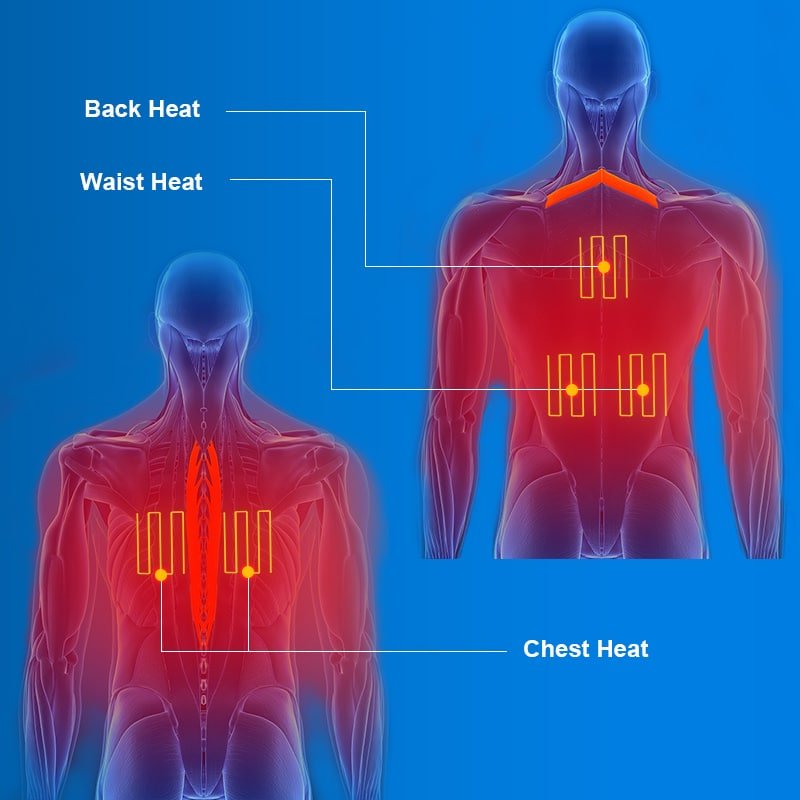
They use either flexible carbon fiber, graphene film or heating wires woven into fabrics and that provide infrared heat that mimics natural warmth but does not have hotspots.
Battery Systems(7.4V / 5V USB / Medical-safe options)
The power is provided by rechargeable lithium packs at 7.4V or lower 5V USB, which are medical user friendly and feature no high-risk features. For vulnerable users, selecting certified battery solutions for heated apparel with robust BMS protection and appropriate voltage options is essential to ensure both safety and reliable performance.
Temperature Control Systems
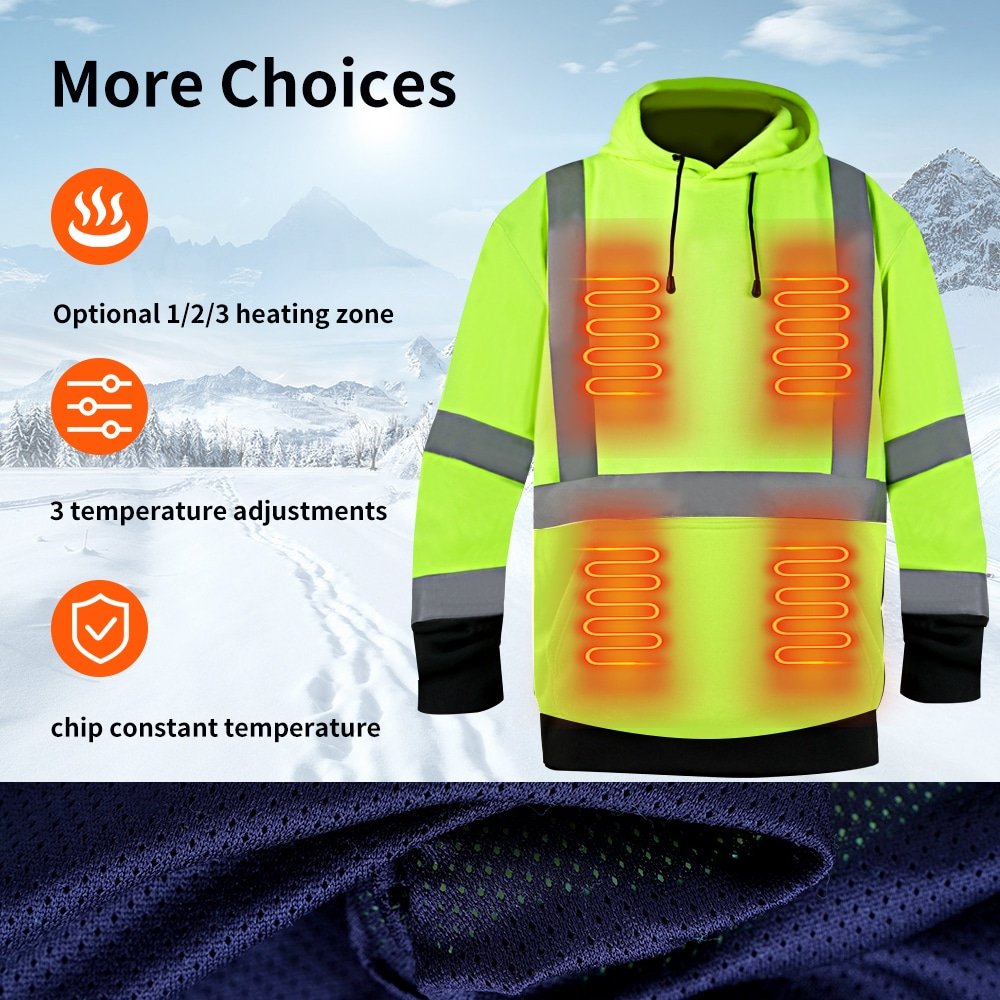
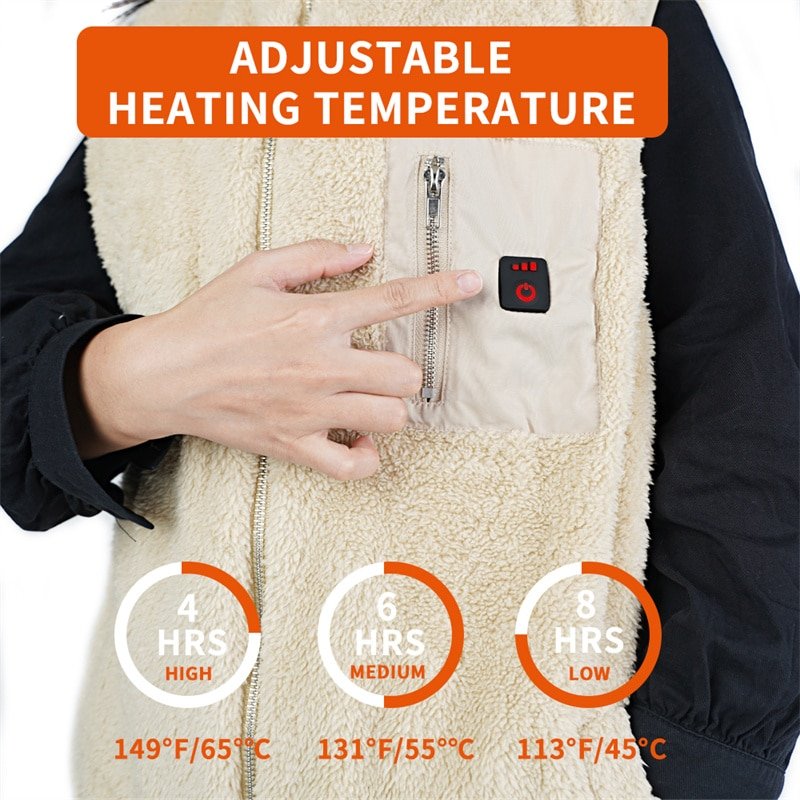
Customization options such as low (about 100degF), medium and high allow adjustment of the heat to keep any skin that is delicate in heat safe. For patients who require precise and easy-to-manage control, app-controlled heating systems provide convenient fine-tuned temperature management from a smartphone while enforcing strict safety limits suitable for sensitive users.
Safety Protections
It has an inbuilt overheat shut off, short circuit protection, BMS (Battery Management System) and waterproofing which is in compliance with the medical safety requirements.
Best Heated Clothing Types for Medical Use
The choice of the correct category is based on the symptoms, and each of them has its specific advantages and disadvantages.
Heated Jackets & Vests(Core Warming)
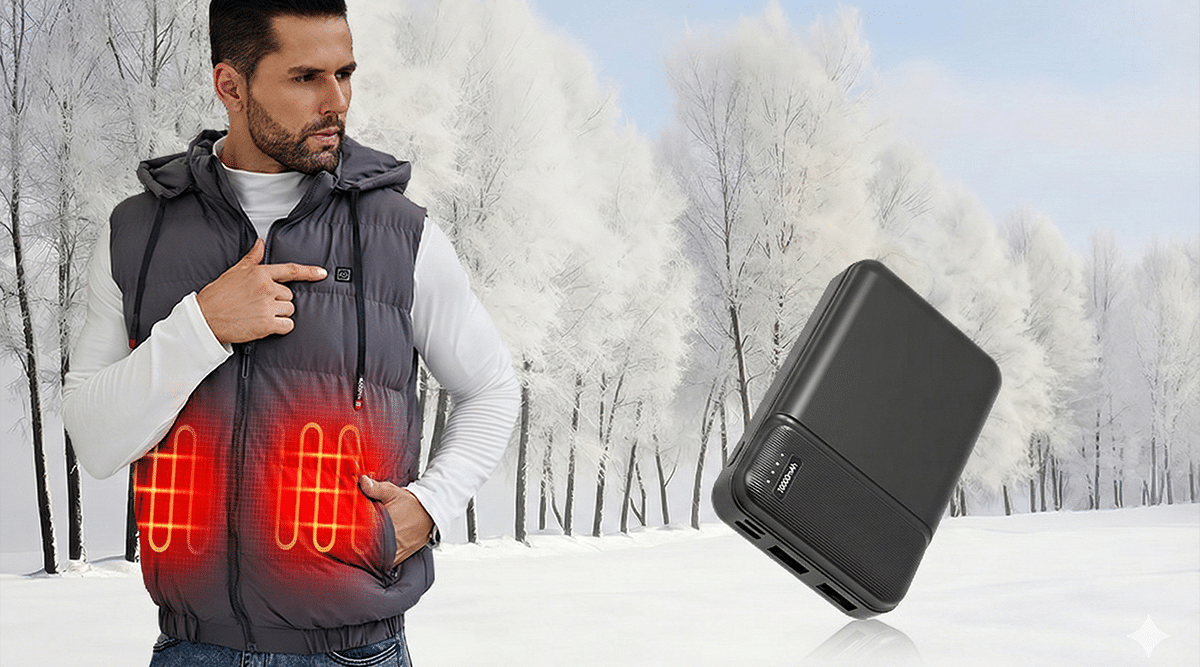
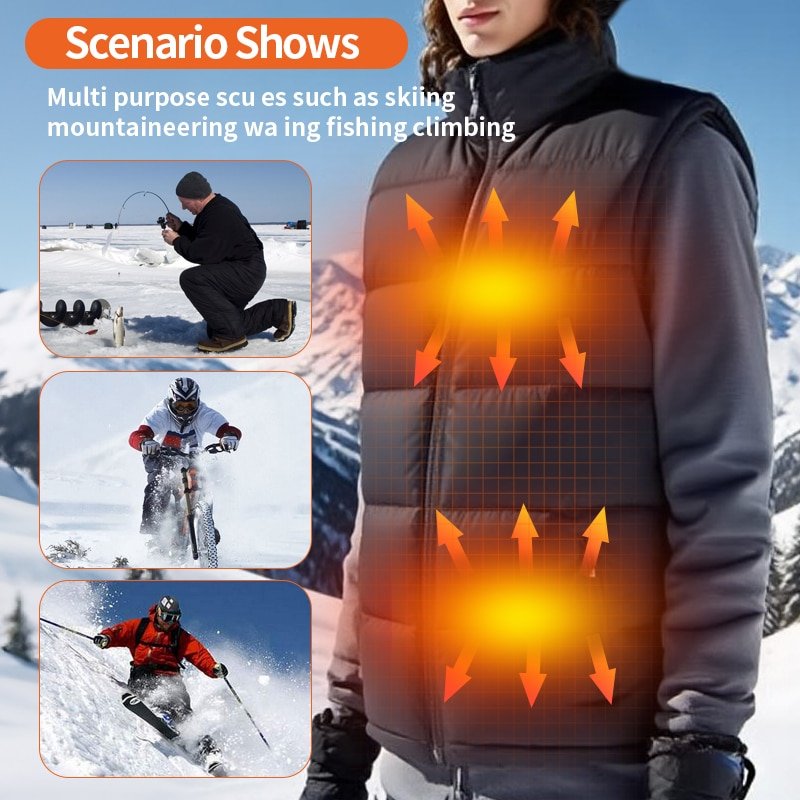
Patients using heated jackets have jackets that cover the torso to ensure general stability. For maintaining core body temperature, many cold-sensitive patients benefit from thoughtfully designed custom heated jacket solutions that offer adjustable heating zones and lightweight warmth without excessive bulk. Advantages: Large coverage, adjustable zones; disadvantages: Some might find it to be bulky.
Heated Gloves(Most Important for Raynaud’s)
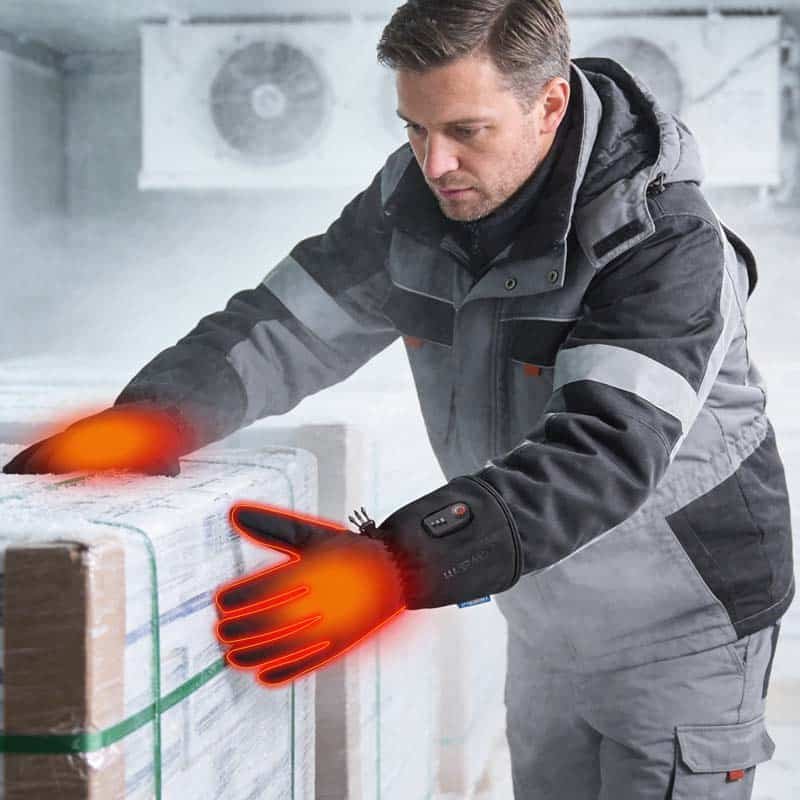
Heated gloves are essential to circulation and targets fingers, which is important in issues that are hand-based. Many patients with Raynaud’s or poor hand circulation experience meaningful relief with properly engineered custom heated gloves that deliver targeted, consistent warmth without adding bulk or restricting dexterity. Advantages: Accurate relief, enhances dexterity; secrets: Smaller designs have shorter charge capacity.
Heated Socks & Insoles(Foot circulation improvement)
These deal with lower extremity chilly. Advantages: It is inconspicuous, walks better; disadvantages: It can only be placed on feet and demands shoes to be compatible. Patients managing neuropathy or chronic cold feet often find gentle, steady relief with well-designed custom heated socks that fit comfortably inside regular footwear.
Heated Base Layers(Full-body warmth)
Medical heat base layers: Medical under-clothing heat is provided by the medical heated base layers. Advantages: Comfort all over; disadvantages: In comparison with outerwear, less adjustable.
Medical Use Cases Where Heated Clothing Is Especially Helpful
Practical applications are depicted by real situations.
Raynaud’s Phenomenon
Warmth in clothing used in Raynaud syndrome to prevent spasm due to cold, warmth interrupts the spasm-induced by cold although patients in winter commuting report a decrease in spasms with the use of gloves.
Hypothyroidism
Patients experiencing slowed metabolism are always cold; warm clothing is safe and keeps patients warm throughout daily activities thus they do not feel fatigued.
Peripheral Neuropathy
Nerve damage is a numbness, which is relieved by heating the socks and making a diabetic patient garden without soreness.
Elderly Patients With Reduced Circulation
Light vests help the elderly stay warm at home, enhance sleeping and activity.
Autoimmune Diseases (e.g., Lupus, Sjogren’s)
Cold flare-ups are typical; stratified heating aids in doing outdoor chores and making oneself more independent.
Safety Considerations for Patients
It is of utmost importance to the vulnerable users to ensure safety is prioritized.
Choose Medical-Safe Temperature Ranges
Use warm temperatures, not hot- safety precaution: Do not burn delicate skin, begin gently.
Importance of Certifications
CE, FCC, RoHS, UN38.3 and IPX waterproof should be searched to meet the requirements.
Avoid Cheap Batteries Without Protection Systems
Major warning: Unguarded units will get overheated or may break down.
Don’t Use While Sleeping or in High-Risk Situations
Heat would cover up problems–awake and alert.
Consult a Doctor for Severe Circulation Problems
This is informational in nature; the professional advice that is used is customized according to needs.
Comparing Heated Clothing vs Traditional Warmth Solutions
Active technologies are better than passive approaches.
Heated Clothing Advantages
- Active heat source to maintain warmth.
- Effective in extreme cold.
- Superior on the hands and feet of Raynaud.
- Less bulky for mobility.
Traditional Solutions Limitations
- Use of passive insulation alone, not effective when wet.
- Extremities chill quickly.
- Layers inhibit movement, with the added fatiguation.
Buying Guide — What Patients & Caregivers Should Look For
Efficiency is assured by smart decisions.
Adjustable Temperature Levels
Buyer recommendation: Various personalizing options.
Lightweight, comfortable fabric
Light fabrics are appropriate in delicate skin.
Soft heating elements for sensitive skin
Irritation is avoided by flexible designs. Professional heated product design and engineering teams prioritize skin-friendly materials, low-profile heating elements, and ergonomic construction specifically suited for users with sensitive skin or reduced mobility.
Runtime long enough for outdoor activity
Aim for 4-8 hours
Waterproof gloves & socks for winter conditions
Protects against moisture.
Conclusion — Heated Clothing Offers Safe, Effective Warmth for Cold-Sensitive Patients
Heated Clothing Provides Effective Safe Warmth to Patients with cold Sensitivities.
Cold-sensitive heat apparel offers fundamental medical advantages such as temperature regulation, enhanced circulation and pain relief, so it is a consistent resource in the treatment of diseases like Raynaud syndrome and hypothyroidism. By being very selective on the safety features, the patients are in a position to obtain reassurance and flexibility. Maximize these cold sensitivity medical solutions by always putting into consideration the aspect of safety and consulting professionals.