

Introduction — Heated Apparel Is One of the Fastest-Growing E-Commerce Categories
The e-commerce market in heated apparel is experiencing a rampant growth in winter 2024-2026, and worldwide searches of “heated jackets” have increased by 40 percent of the past year on e-commerce platforms such as Google and Amazon. With consumers looking to have smarter ways to be warm to commute to work, sport, and work, brands are taking advantage of the trend to add to their winter collections. Heated apparel is not only a seasonal category: it is a high-margin one that drives repeat purchase and bundling. However, to achieve success, there must be a method: smart assortment, technologies, and targeted advertising to make inventory the best-sellers.
Core Framework for Building a Best-Selling Heated Clothing Collection

What follows is the blueprint that has repeatedly helped e-commerce stores roll out best-selling heated collections in their first winter.
Offer High-Demand Core Products First
Begin with hot jackets, vests, gloves– these are the category drivers with wide appeal of 70 percent.
Choose the Right Heating & Battery System
7.4V of power in a normal operation; and 12V of extreme cold to suit a wide range of customer requirements.
Build a Clear Brand Positioning
Outdoor / workwear / lifestyle / skiing – customize your story to target segments in order to convert better.
Focus on Quality & Certifications
CE / FCC / RoHS / UN38.3—trust is necessary and returns can be avoided in products with high technology.
Step 1 — Select the Right Product Categories (Build a Strong Lineup)

Heated clothing product selection products selection is make-or-buy (heated) because it is important prioritizing SKUs with high search volume and low competition. Since heated lines first appeared on Amazon, jackets have regularly accounted for about half of opening-season sales.
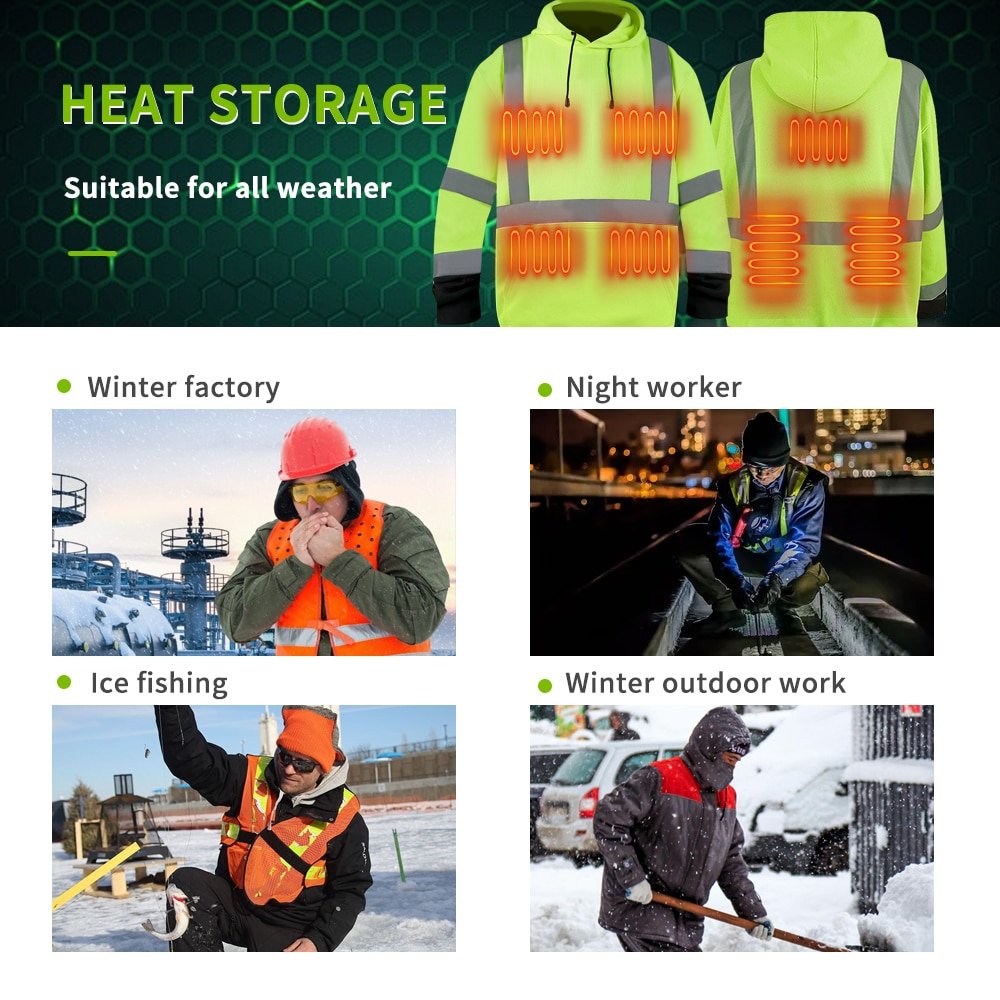
Heated Jackets (Best Seller)
Traffic is high + conversion is high; strengths: Various styles suited both men and women, bundling is easy; weaknesses: MOQ is higher (300 + pcs); customers: Commuters, hikers. For brands looking to launch proven bestsellers, partnering on heated jackets with flexible MOQ and full technical support is often the strongest starting point.
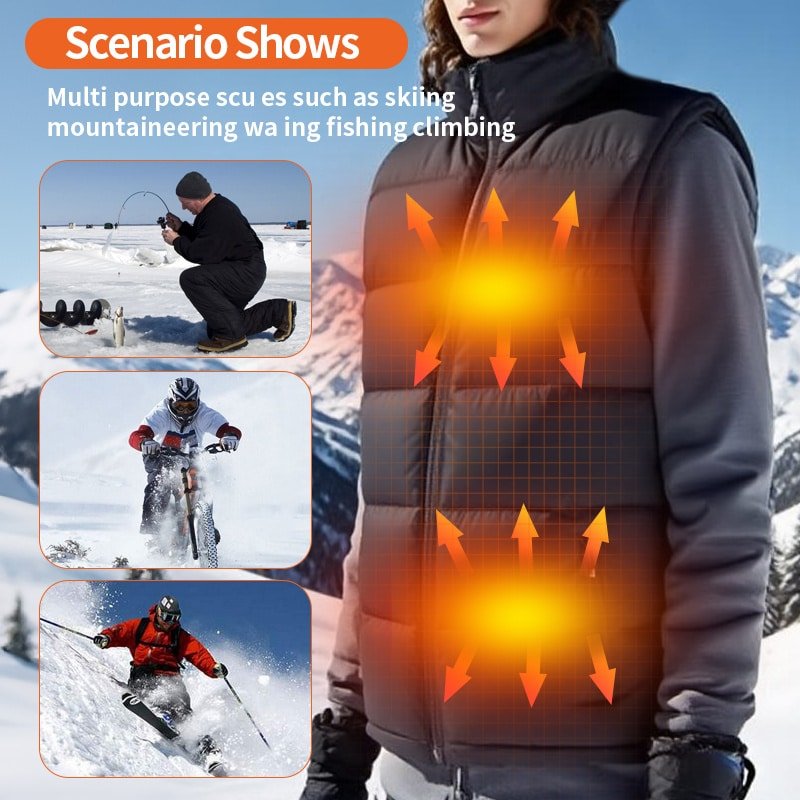
Heated Vests (Top Volume)
Lower price point ₆: Layer-friendly, slim fit; pros: Less perceived value in isolation; cons: AOV; consumer: Workers, casual users. Heated vests remain one of the highest-volume categories for e-commerce brands because of their versatility and lower price entry point.
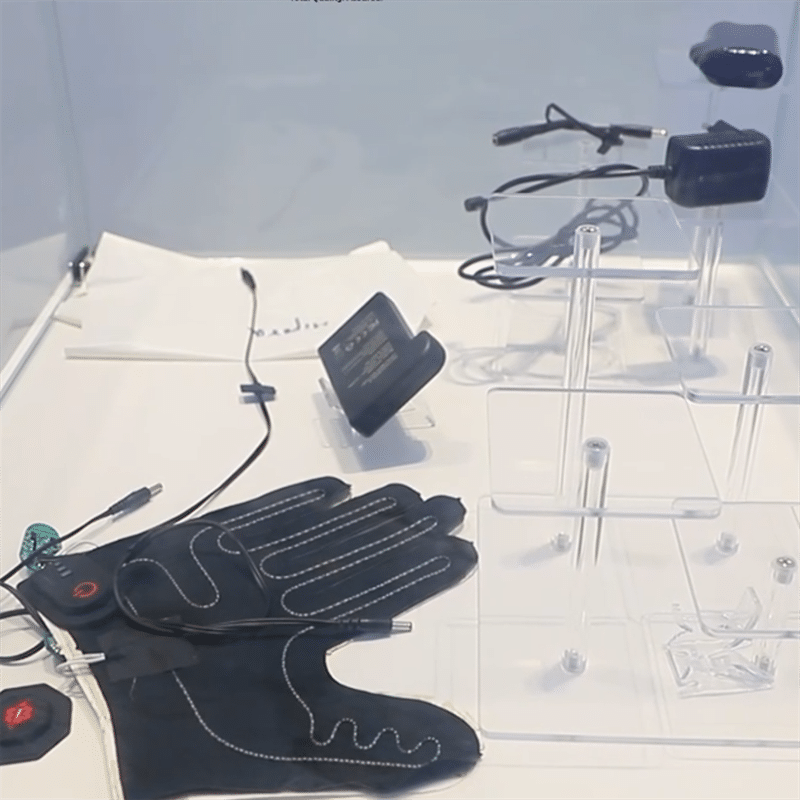
Heated Gloves (Essential Winter SKU)
Strong repeat demand; benefits: Addresses cold-hand problem; drawbacks: Complicated to size; target market: Bikers, pro outdoor sports. Heated gloves consistently rank among the highest-repeat-purchase items in any winter collection.
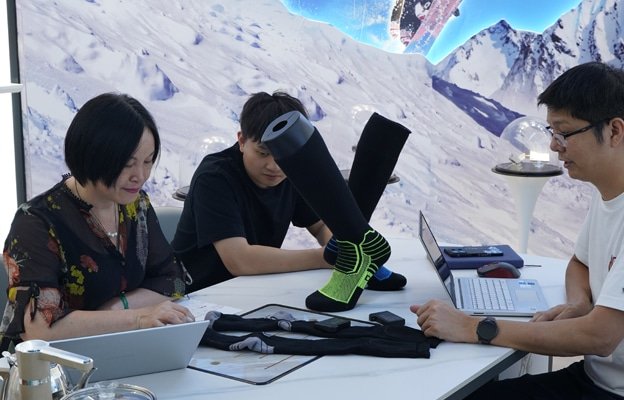
Heated Socks / Insoles (Fast-Growing)
Great add-on products; strengths: Cheap to enter, high rate of upsell; weaknesses: Poorer battery life, target: Skiers, runners.
Heated Pants / Base Layers (Niche but High Margin)
Good: high level of customer segment; benefits: Wholesole warmth; drawbacks: Increased risk of returns in case of fit problems; target market: extreme cold employees.
Step 2 — Choose the Right Heating Technology
Performance and reviews, i.e., how to select heated jackets to sell, begin with the heating system. Element efficiency is what separates a high-margin product from a return-heavy one, and well-engineered elements are the safer commercial choice. Strong heating element design is what ultimately determines both comfort and long-term reliability.
Graphene Heating Film
Slim, high-performance, rapid hotness; can be used to produce a smooth distribution of heat in jackets, alleviating hotspots.
Carbon Fiber Heating Elements
Sturdy, stretchy, can be used with gloves; can resist bending, ideal to be used actively.
Heating Wire
Budget alternative-not the best choice to the premium positioning; this is likely to be breakable and should only be used when replacing entry level SKUs.
Explain why heating zone layout affects comfort and warmth: Multi-zone (chest/back/arms) ensures balanced heat, preventing cold spots and improving user satisfaction—key for 5-star reviews.
Step 3 — Select the Correct Battery System
Batteries influence the runtime and safety- battery selections with heated clothes can lead to or lose repeat business. In making trade-offs to maximize the e-commerce returns, use cold-resistant packs. Choosing the right battery solutions for heated apparel is one of the highest-impact decisions an e-commerce brand can make.
Voltage Options (5V / 7.4V / 12V)
5V = simple to light 7.4 V = niche to maximize the e-commerce balance 12 V = extreme cold to niche.
Capacity Matters More Than mAh
Wh = (mAh ÷ 1000) × Voltage—emphasize Wh to make correct runtime claims.
Typical Battery Size by Category
Jackets: 5000 -15000mAh; Gloves: 20003000mAh/hand; Socks: 15002500mAh.
Battery Safety Features
There is overheat protection, short-circuit protection, BMS– necessary to bypass liability.
Step 4 — Define Price Positioning & Profit Margins
Scalability, through pricing- Pricing hot apparel to online retailers must mirror the value of tech. Mid-range heated apparel typically carries around 45% gross margin.
Entry-Level vs Premium Line
Entry → 5V/limited zones (50-80); Mid-range, 7.4V/ multi- zone (100-150); Premium, graphene, APP control, 12V (150 +).
Heated Apparel Profit Margins
Above-average garments as the result of technological elements– target 50%+ cost of OEM.
Bundle Strategy
Jacket + gloves + extra battery– 30-40% Increase in AOV.
Step 5 — Work With a Reliable OEM/ODM Factory
Sourcing is important- e-commerce in OEM heated apparel simplifies launches. Dongguan remains the usual route to a quick turnaround. Working with a proven OEM/ODM factory removes most of the technical and certification barriers that slow new brands down.
What a Good Factory Provides
Battery design; heating design; testing and certifications; engineering support; battery design.
Sampling Timeline
2-4 weeks on complexities- early test prototypes.
MOQ Considerations
Jackets: from 100 pcs (OEM) or 500 pcs (ODM); Gloves: from 100 pairs (OEM) or 500 pairs (ODM) — branding on a stock design can start far smaller.
Step 6 — Build a Strong Product Page (Conversion Essentials)
Traffic is changed into pages: the key to selling heated clothing online is through images. Based on A/B testing, obvious technologies increase add-to-cart by 25%.
Clear Heating Zone Diagrams
Users desire to see clearly– use infographics to display coverage.
Battery Runtime Chart
Real statistics on Low/Medium/High-trusts.
Temperature Level Icons
Improved UX-icons to scan easily.
Video Demonstrations
Demonstrate how to heat-up + practical outdoor application -this is crucial to the marketing of e-commerce heated gear.
Trust Elements
Certifications, reviews, warranty, -add badges to credibility.
Step 7 — Marketing Strategy for Selling Heated Apparel Online
Visibility is driven by marketing- branding tips of the marketing of heated apparel focus on education. Video content routinely accounts for around 40% of traffic in heated apparel campaigns.
TikTok & Reels: Show Real Heat Up Tests
Visual evidence → immediate interaction- demo in snow to be authentic.
SEO Blog Topics
How heated jackets work; Best heated gloves in skiing- target long-tails the organic reach.
Influencer Collaborations
Winter sports, outdoor employees, commuters- micro-influencers of target ROI.
Peak Season Launch Strategy
Begin pushing content September-November to get early searches.
Step 8 — After-Sales Strategy for Heated Apparel
Retention is important – the higher the customer loyalty, the higher is the profit margin of heated apparel. Out of returns processing, there is obvious support which reduces complaints by half.
Battery Troubleshooting Guides
No unnecessary returns– PDFs on popular problems.
Clear Charging Instructions
Minimizes customer error-videos on how to use them.
Warranty Strategy
Promotion 1 year battery guarantee- creates trust.
Spare Charging Upsells
Nope, no, save on charging upsells- high margin accessories such as additional batteries.
Common Mistakes E-Commerce Brands Make
Pitfalls that show up in factory audits:
Selling 5V USB Heated Apparel as Premium
Failure to reflect heating zones on the product pages.
Not Showing Heating Zones on Product Pages
Confuses buyers.
Ignoring Certifications
Ignoring Certifications
No Clear Charging Data
Leads to poor reviews.
Underestimating Winter Seasonality
Misses peak sales.
Final Recommendation — How to Build a Winning Heated Apparel Line
Begin with the basics such as jackets and gloves. Differentiate with good heating systems. Standard 7.4V balance is selected. Design powerful page graphics + training. Cooperate with reputable OEM factories to achieve quality. Create winter sales early enough to get as much revenue as possible.
Frequently Asked Questions
If I can only launch one product, which should it be?
A jacket or a vest, because it is the item customers already search for and it carries the highest perceived value per order. Gloves convert well but are harder to size and generate more returns; socks and insoles work better as a second purchase once the customer trusts the brand. One hero product with a clear heating story beats five thin listings.
How deep should my first order be per SKU?
Deep enough to cover one season of realistic sell-through, not the whole catalogue. Spread the budget across the sizes that actually sell — the middle sizes usually carry most of the volume — and keep one size small. Reordering mid-season is possible, but reorder lead time is measured in weeks, so a sell-out in December is a lost season.
Can I start with private label instead of full custom?
Yes, and it is the lower-risk route for a first season: take an existing platform, apply your branding and packaging, and test demand before committing to tooling. What changes later is the element layout, the battery position and the fit — so choose a platform whose base specification you would still be happy to sell in year two.
Which certifications do I need before I can list?
For the US, FCC plus UN38.3 for the battery in transport; for the EU, CE with RoHS for materials; UKCA for the UK market. Marketplaces increasingly ask for the test reports behind the marks, not just the logo, and the certificate must be issued in your supplier’s name against the model you are listing.