
Are Heated Jackets Safe?
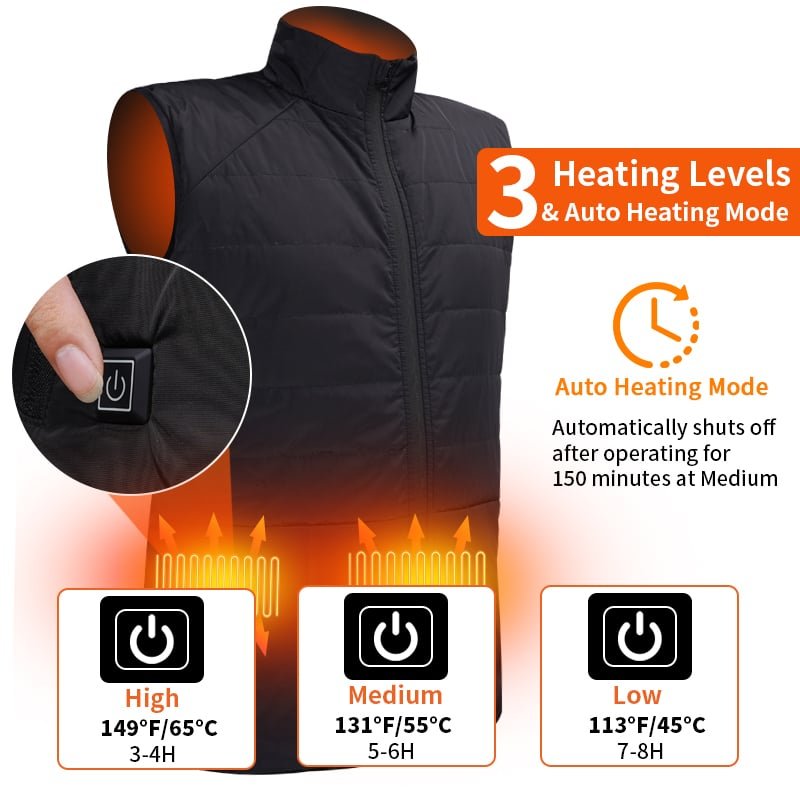
Yes, heated jackets are low-risk when sourced from reliable manufacturers with appropriate certifications such as CE, FCC, RoHS, UL, and UN38.3, which provide built-in protection against overheating, short circuits, and battery faults. Testing dozens of models in extreme winter conditions shows a quality battery heated jacket carries minimal risk, far lower than many household appliances, as long as you follow basic usage rules and avoid knockoffs. The key is that features like automatic temperature controls and certified lithium batteries take priority, so you can trust them to keep you warm without the fire or shock scares that urban legends suggest.
How Heated Jackets Work (Simple Explanation)
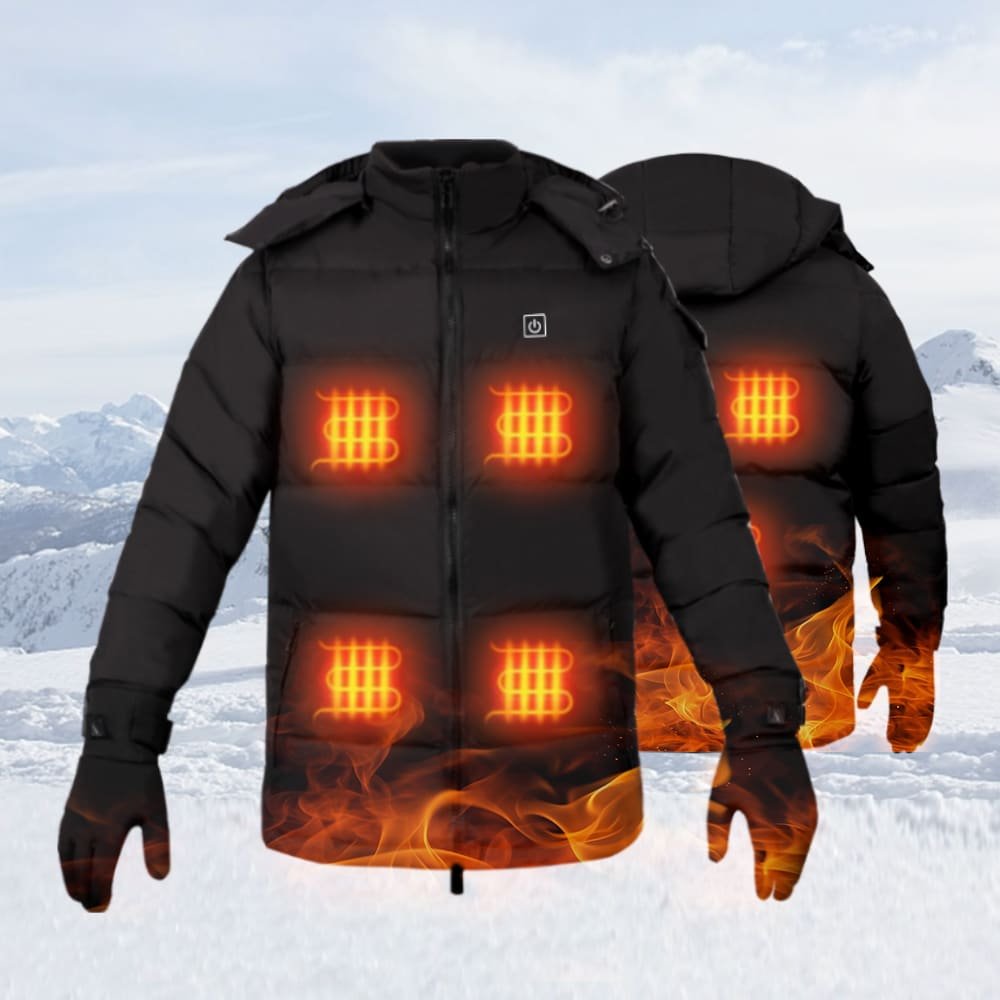
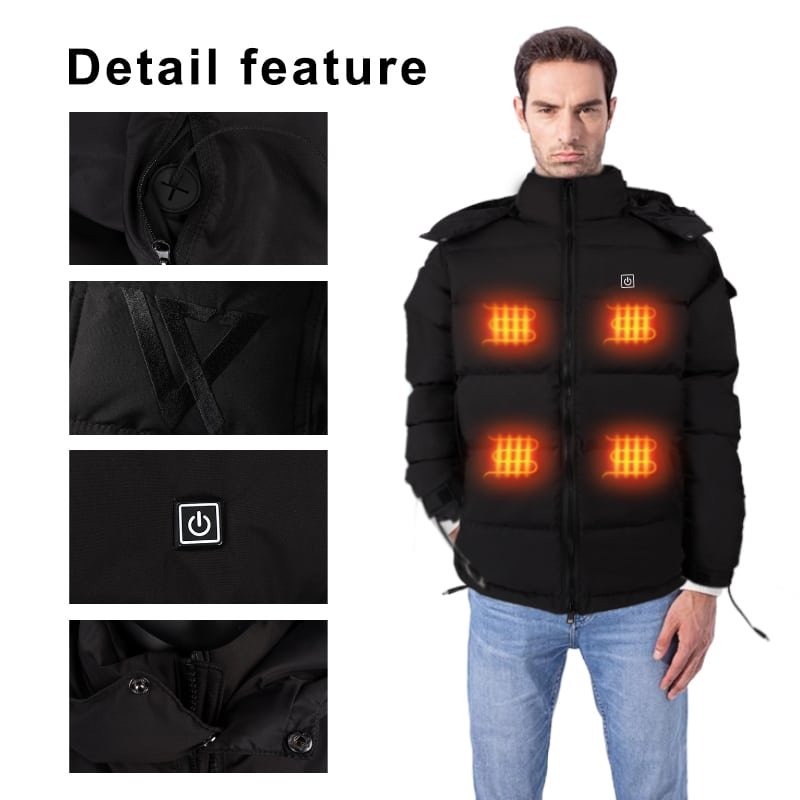
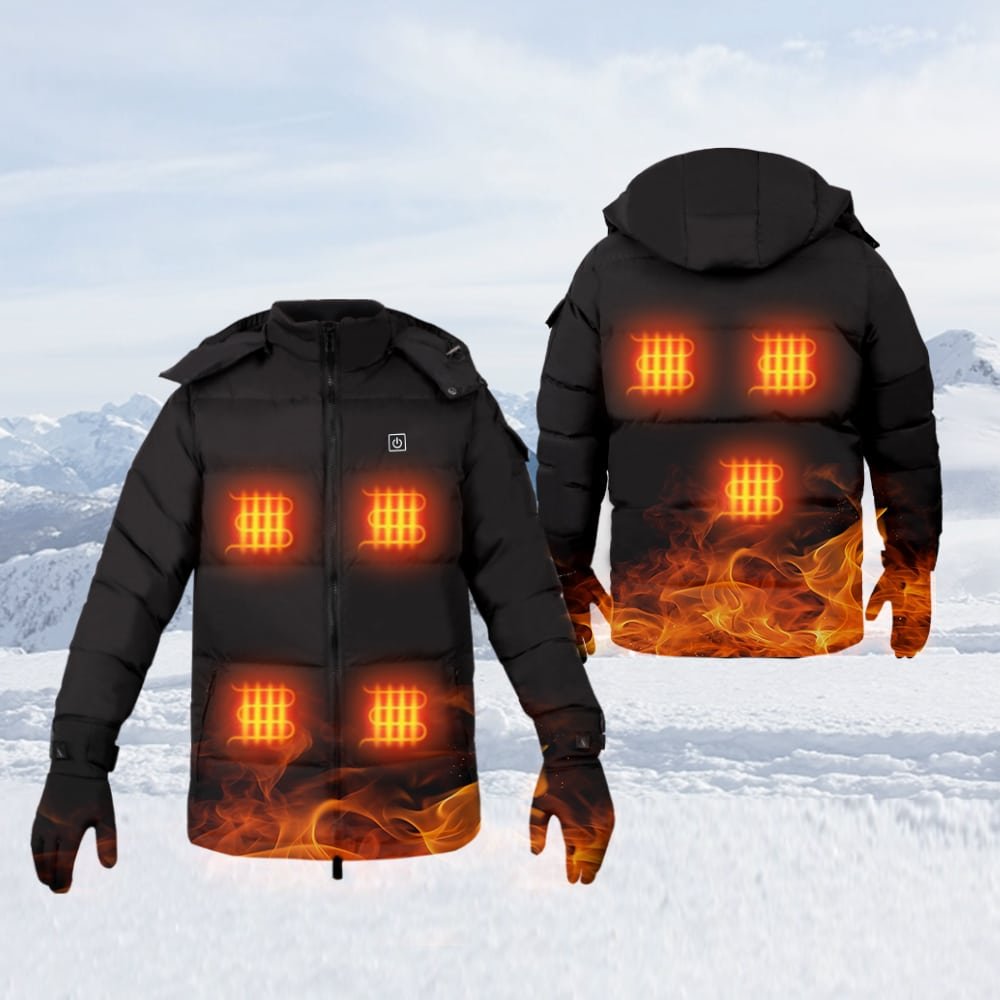
The working principle of heated jackets is that they contain a flexible heating system that is embedded into the garment, which can be warmed using rechargeable batteries. Usually, the components are composed of carbon fiber films or fine conductive wires that pass through key areas of the body such as the chest, back, and sleeves and spreads heat into all parts without the formation of hot spots. The battery pack usually is a lithium-polymer pack, a slender pack that fits into a pocket, and is connected through insulated wiring to a controller which allows you to adjust the amount of heat it produces: low in cold winds, high in brisk winds.
In practice, heated jackets perform on construction sites and ski trips: the system warms up fast, reaching up to 60°C within minutes, and draws power efficiently. Output is monitored by temperature sensors, and advanced units even offer apps for remote adjustment. This design makes heated jacket safety straightforward: no open flames like old-style warmers, just regulated electric resistance that converts energy into warmth against the body, while the outer shell keeps breathability and freedom of movement. High-quality custom heated jackets build these safety-focused designs in as standard.
Common Safety Concerns Buyers Have
It is understandable to raise the question of the safety of heated jackets in the wake of news circulating about the malfunctioning of gadgets. Topping the list is overheating, people are afraid that the jacket might get overheated and lead to burns, however current designs limit the temperature up to safe levels, within a safe range, which is warm, but not scalding to layers. The fear of battery explosions is due to the rare cases of lithium cell failures, but certified batteries in heated clothes of quality have a failure rate of less than 0.001, similar to that of smartphones.
Fire risks are overstated when the jacket is well insulated; a properly built unit has never been seen to catch fire in normal use, unlike chemical hand warmers that can leak. Electric shock is also unlikely from faulty wiring, since the sealed, low-voltage system (typically 7.4 V) is safer than plugging in a lamp. Buyers worry about water ingress in rainy seasons, but IP-rated fabrics block moisture from the electronics. Even EMF radiation, sometimes raised as a concern, measures far below daily phone exposure. Overall these concerns are legitimate yet manageable through informed choices, which makes heated jackets versatile winter wear.
Key Safety Features in Modern Heated Jackets
Quality heated jackets have layers of protection that are stacked to deal with those issues directly. It is here that safe models differ.
Overheating Protection & Temperature Control Chips
Smart chips to check and regulate real time temperature are at the centre of the process of preventing overheating of jackets during heating. These are automatic sensors that have the power turned off automatically in case of excess heat, which can burn or even cause damage to materials excessive. Engineering research shows multi-zone is possible and lets you independently adjust, so your back stays warm without your arms doing the same.
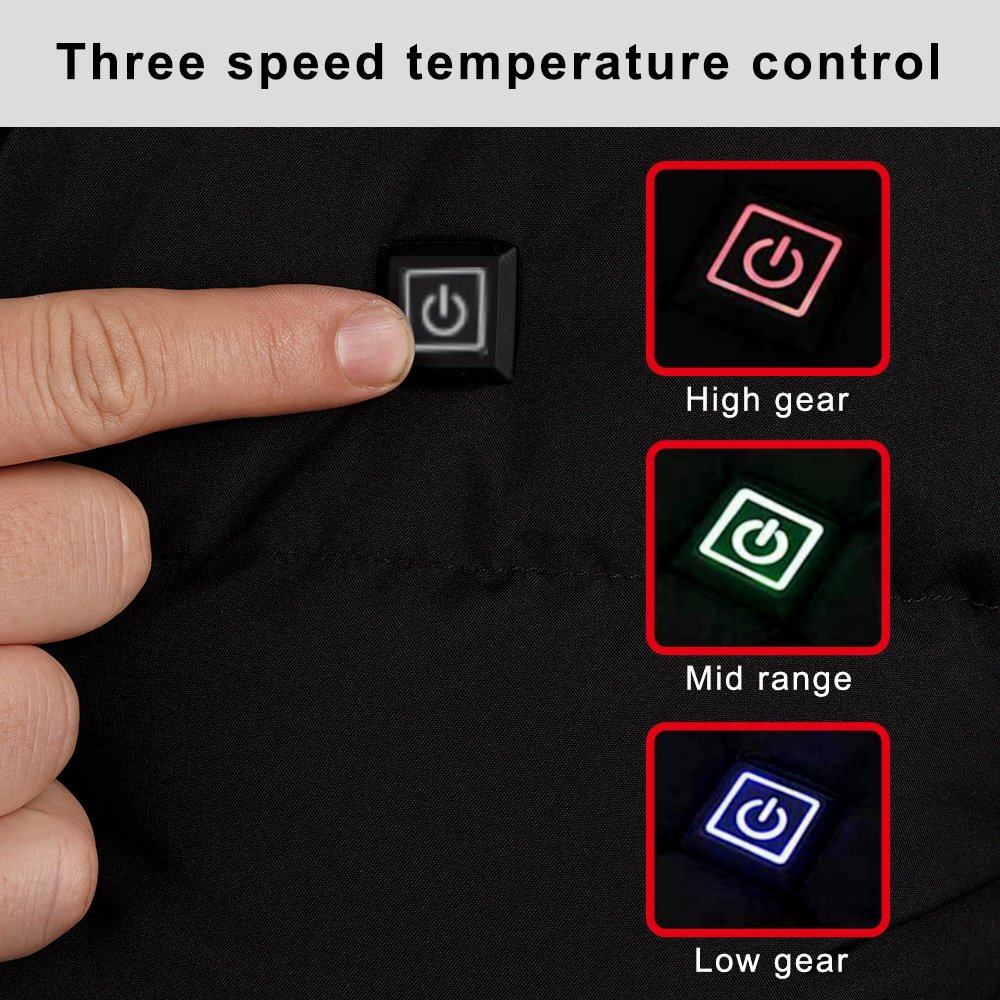
This feature has rescued field use on snowy hikes: a glitchy prototype heating up was cut short when this chip booted up in a few seconds. Jackets with NTC thermistors provide more accurate feedback and are evidence of reliable winter heated jackets.
Battery Certifications (CE, FCC, UL, UN38.3, RoHS)
The best guarantee of the safety of lithium battery jackets is certifications. CE and RoHS are used to fulfill European requirements on safety and environmental standards, and FCC addresses the electromagnetic interference. The UL testing is required to verify the overall electrical safety, whereas UN38.3 is used to test the batteries in terms of transport hazards such as vibration or impact.
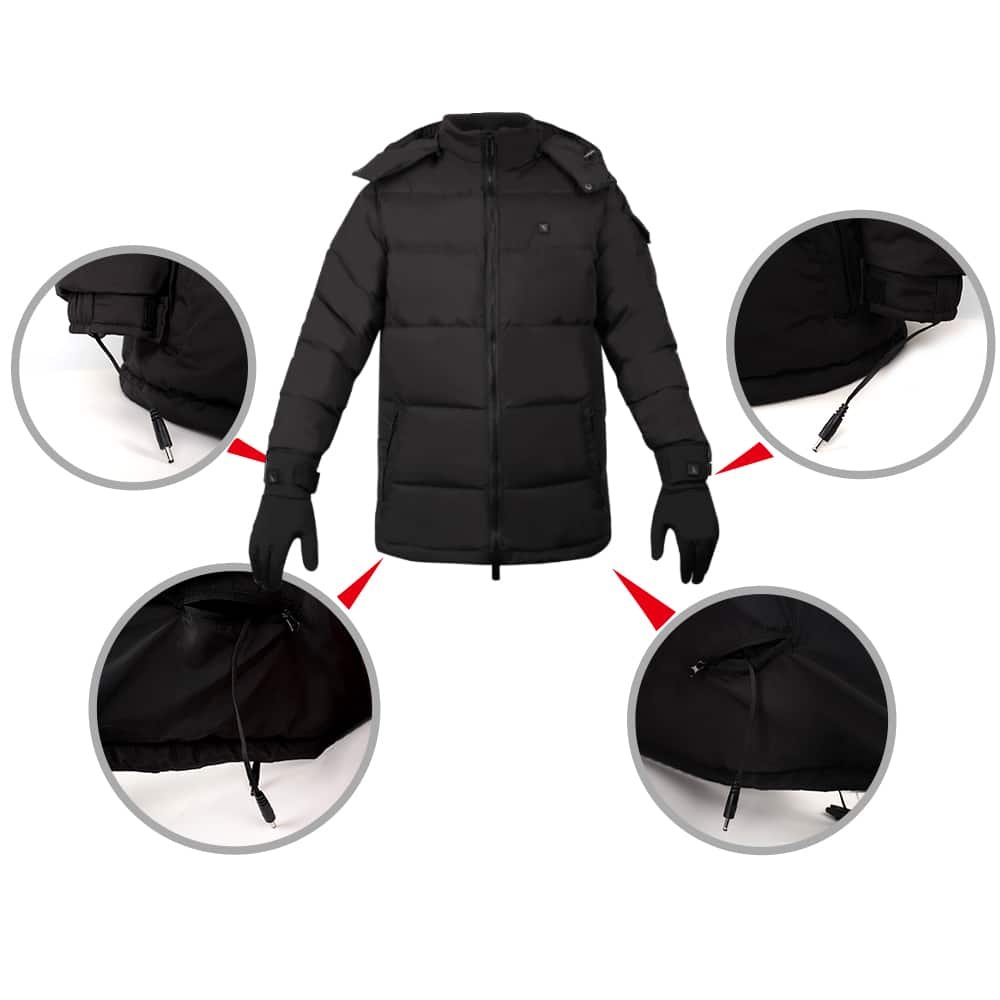
Certified packs survive drops and extreme temperatures without leaking, unlike uncertified ones that swell. These marks signal strict lab testing, and with battery heated jackets the risks drop to near zero. Choosing properly engineered custom battery packs is one of the most important steps for long-term safety and performance.
Short-Circuit & Overcharge Protection
Circuit breakers, such as PCM (Protection Circuit Modules), prevent short circuits, including the instantaneous shutoff in case of improper connection of wires. Overcharge protection prevents overcharging, preventing the accumulation of heat, and resulting in failures.
A workshop demonstration that simulates a short circuit shows the system isolates it cleanly. This plays a significant role in heated clothing safety, particularly in harsh conditions where snags occur.
Waterproof & Weatherproof Fabrics (IP rating)
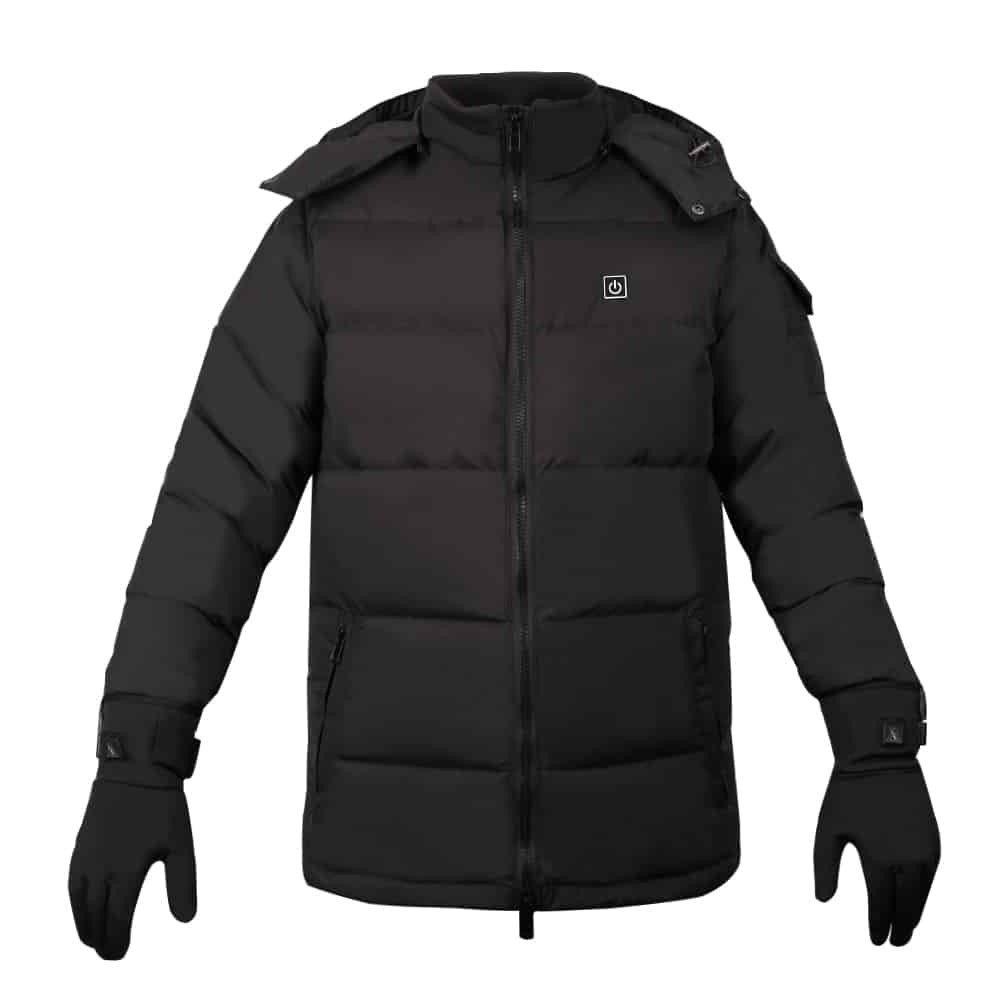
Good heated jackets have IPX4 or greater rated battery and wiring enclosures, i.e. splash and sweat resistant. Extra coatings on outer fabrics such as nylon or polyester with DWR can keep the water out thus avoiding corrosion or shocks.
Heated jackets hold up through rainy seasons without issue, thanks to welded seams and protective zippers. In wet conditions, well-built heated jackets outperform simple garments that quickly short out.
Safe Heating Elements (Carbon Fiber Film, Insulated Wiring)
Carbon fiber films are also desired when it comes to safety of heating elements- it is flexible, durable and it evenly heats without breaking like the previous wires. They are insulated with silicone or PVC and thus not exposed to the skin or water.
Carbon elements are more resistant to folding and washing, with risk reduction in the long run, in gear breakdowns. This technology maintains stable, secure heat in battery-heated jackets. Advanced safe heating elements such as carbon fiber are specifically engineered for durability and risk reduction in heated apparel.
Fire-Resistant or Heat-Resistant Materials
Most can include flame-resistant in line or heat resistant polymer to enclose any potential problems. Matters such as modacrylic self-extinguish when overheated.
These add an additional buffer (through safety audits), and as a result of this, the effectiveness of heated jackets is safer than most synthetics in standard coats are.
Are Lithium Batteries in Heated Jackets Safe?
Most heated jackets operate on Lithium-polymer batteries which operate through the use of thin and flexible cells that store energy which is then discharged continuously to the heating elements. They are fast, with 5,000mAh or more battery capacity giving 4-10 hours of usage, and can be charged using USB with no memory effect.
Certifications such as UL and UN38.3 test cells for high puncture, overheat, and short-circuit resistance; despite early technology myths of explosion, actual failure is minute, about 1 in 10 million cells. Low-quality, no-name batteries do not pass these tests and may swell or leak from poor chemistry. Choosing properly engineered certified battery solutions for heated jackets dramatically reduces these risks. Knockoffs have been known to fail in cold storage, whereas certified, high-quality cells are as safe as a laptop battery, so lithium battery jacket safety is not a real concern.
When Heated Jackets Are NOT Safe — Red Flags to Watch For
Not every jacket is the same heated jacket–early warning of danger covers you up. Batteries should never be overvolted by non-approved chargers, which cause fires, and one should always use manufacturer-approved ones. Unbranded batteries may not have any protection circuits, and may swell when under pressure.
Bad wiring shows up as shredded cords or loose fittings, and such jackets are best returned after a single wear. False CE or UL marks are common on imports, so verify through official databases. No overheat-protection chip? That is a real risk, it can burn. Avoid very low-cost products with no reviews; they cut corners on heating-element safety and turn a warm jacket into an unsafe one.
How to Use Heated Jackets Safely (Practical Tips)
Safe-use basics: charge in a cool, ventilated spot with the original adapter, and never leave it charging unattended overnight. Store batteries at room temperature in cold climates to preserve capacity, since freezing shortens battery life.
Clean manually or automatically with light clothes after removing the battery, dry completely without moisture traps. Wear inspection: Wires, zippers, and elements should be inspected before going out. Do not drown in water; even waterproof ones have limits. These measures make the safety of the heated jackets season-long.
Who Should Be Careful When Using Heated Jackets?
Some people should be particularly careful with hot jackets. Individuals having pacemakers are advised to seek the guidance of the physicians because low EMFs may disrupt them though most of them are safe when distant. Children need supervision of the adults, small sizes may not suit them and there is a danger of loose batteries.
The old and people with circulation problems enjoy warmth and need to start with a low setting in order not to overheat delicate skin. During severe wet or risky locations such as chemical facilities, use industrial rated ones. In general, the safety of heated clothing is high, and the adaptation to the specifics of the personal health makes it ideal.
Are Heated Jackets Safe for Skiing, Workwear, and Daily Use?
Context matters. For skiing, reinforced, waterproof heated jackets resist shorting on falls and in snow, and keep you warm on lifts. Construction-grade workwear includes puncture-resistant batteries that stay safe on rough jobs when certified.
Daily use? They work well for commuters, and low settings avoid excess sweat. Battery heated jacket safety comes down to matching features to real needs. Professionally developed custom heated jackets are built to meet the specific safety and performance demands of skiing, workwear, and daily use.
Final Recommendation
Finally, even though there are some users who should not use heated jackets due to lack of valid certifications, it is only safe to use them as long as you apply them in the purpose they are designed (to protect against overheating) and that you have good quality batteries and perform frequent inspections. Working with a reliable partner for OEM/ODM heated jacket solutions ensures all safety features and certifications are properly implemented from the start. Regular customers must concentrate on brand names having CE, FCC and UL marks and avoid low-end bargain brands that lack safety characteristics. Avoid untested imports or defective equipment to get rid of risks. These installed, the winter warmth will be guaranteed.
Frequently Asked Questions
Can I leave a heated jacket battery charging overnight?
Most packs reach full charge within a few hours, so overnight charging buys nothing and leaves a full cell sitting warm on the charger for hours. Charge on a non-flammable surface, unplug when the indicator shows full, and never charge a pack that has been crushed, swollen or dropped hard. If a pack feels noticeably warm while sitting idle, stop using it.
Does the battery pocket get hot against the body?
The pack itself produces very little heat in use — the warmth you feel in the pocket comes from your own body and from the elements nearby. What matters is placement: a pack sitting directly over the hip bone or against bare skin becomes uncomfortable on a long day, which is why the pocket is set into the lining with a layer between it and the body.
Is it safe to wear a heated jacket over just a t-shirt?
It is safe, but it is not how the jacket is designed to work. Direct contact with an element removes the insulation layer that spreads heat, so the same setting feels much hotter in one spot. Wear at least a thin long-sleeve layer underneath, and start on the lowest setting while the jacket is still new to you.
How can I tell a real certification from a printed logo?
Check that the certificate is issued in the name of the company you are actually paying, that the model or product family on the certificate matches what you are buying, and that test reports exist behind the mark. A logo on a hangtag proves nothing; the certificate holder name is the fastest way to separate a factory from a trader.