Introduction — Construction and Outdoor Workers Face Extreme Cold That Standard Gloves Can’t Handle
Construction and outdoor labor does not pause for winter; workers face sub-zero temperatures, sharp winds, and wet snow while handling tools, climbing ladders, or carrying heavy loads, and cold hands cause accidents, reduce precision, and raise injury risk. Work-glove testing on OSHA-compliant sites, job-site safety advisory work through Midwest winters, and industrial heating-system engineering at Dr. Warm in Dongguan all show how regular gloves fail in these conditions — causing frostnip or forcing productivity-losing breaks. Heated gloves deliver active warmth that keeps hands gripped and focused; the wrong choice brings unreliable heat or premature wear from workplace hazards like vibration or abrasion. This guide covers the performance essentials that help workers stay safe and effective in severe conditions.
What Makes the Best Heated Gloves for Construction & Outdoor Work
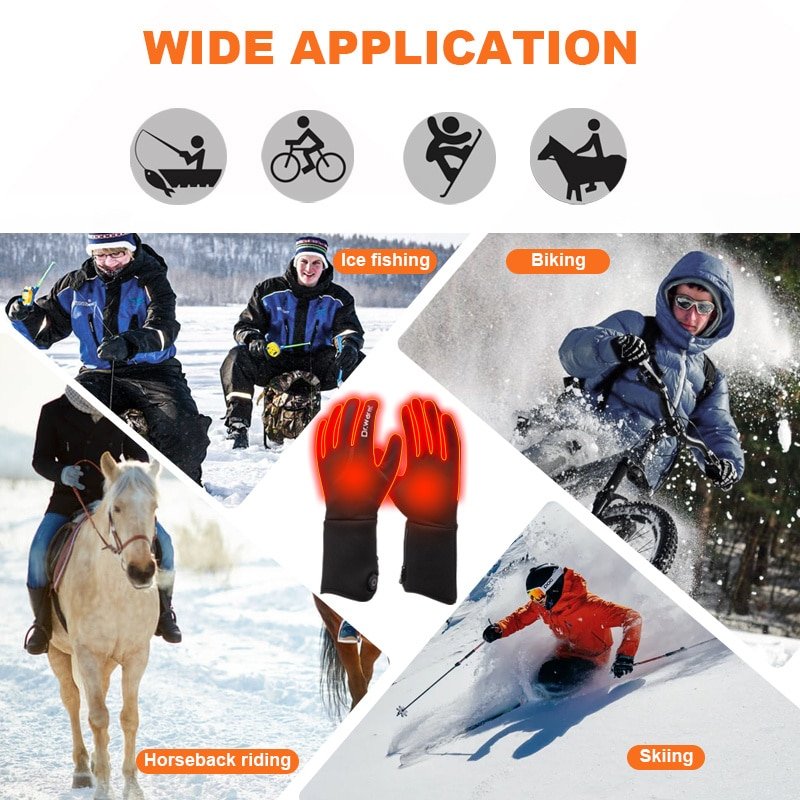
Through field trials by Dr. Warm with rainy scaffolds and frozen yards, the best worker types have the following characteristics which should be prioritized so that the gloves are not defective in the middle of the shift when exposed to metal or dirt.
High Heat Output That Works in Extreme Cold
Needs to combat low temperatures and wind-45-55degC to combat chill of tools of metal.
Durable Construction for Job Sites
Friction-resistant, cut resistant, strengthened stitches – endures nails, wire and debris.
Waterproof & Weatherproof Construction
Wet goods, snow, rain, and IPX4+ are required to avoid shortages.
Long Battery Life (7.4V or 12V)
Should work whole work shifts where possible- 4-6 hours average on 8 hour shifts.
Reliable Grip for Tools & Heavy Equipment
Wet handle must be anti-slip-PU coating.
The Harsh Realities Workers Face on Job Sites
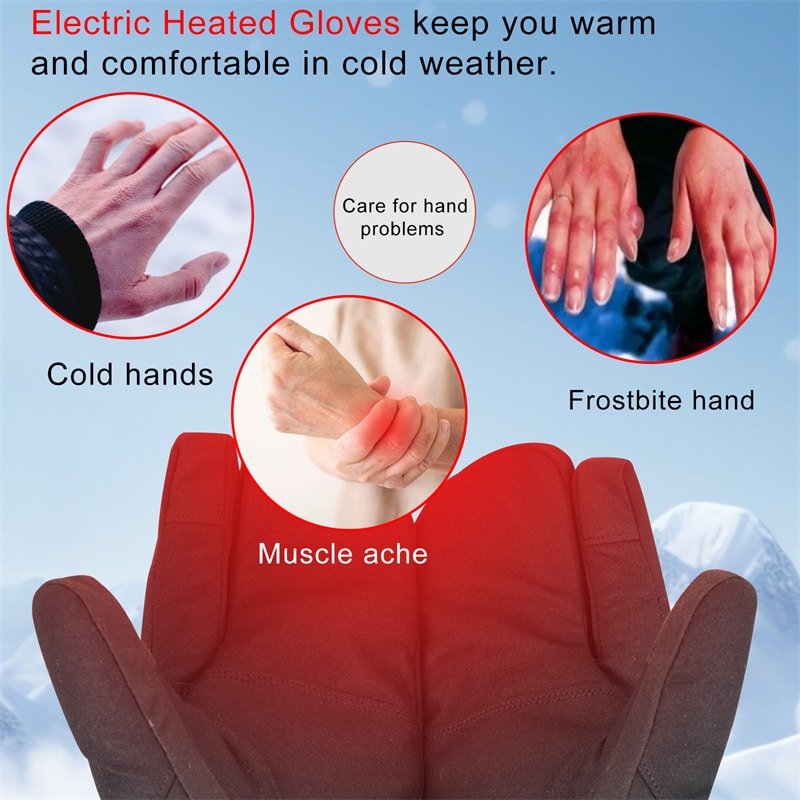
Construction work also increases cold-construction worker, heated gloves should confront this because in a site I inspected in Chicago, where the temperature was -15degC, dropped hands were a result of numbness.
Windchill + Metal Surfaces = Faster Heat Loss
Beams of steel, scaffolding, pipes, run off heat in hands–gloves must be put in motion.
Hands Are Constantly in Use
Tools, materials, working with machines– cold retards reflexes by 30%.
Wet Conditions Reduce Regular Glove Performance
Wetness destroys insulation–warmed insulations evaporate as the temperature rises.
Long Shifts Require Consistent Heat
Employees are unable to take a break to warm hands very often, so gloves have to last a full 8–12 hour shift. For the specification side, see the rechargeable heated gloves buying guide; for the garments worn alongside them, heated jackets for workwear.
Key Features to Look For in Heated Work Gloves
Bells should accommodate dangers-job site heated gloves that are durable and have grip cannot be compromised as with bulky designs they could not climb ladders during trial periods.
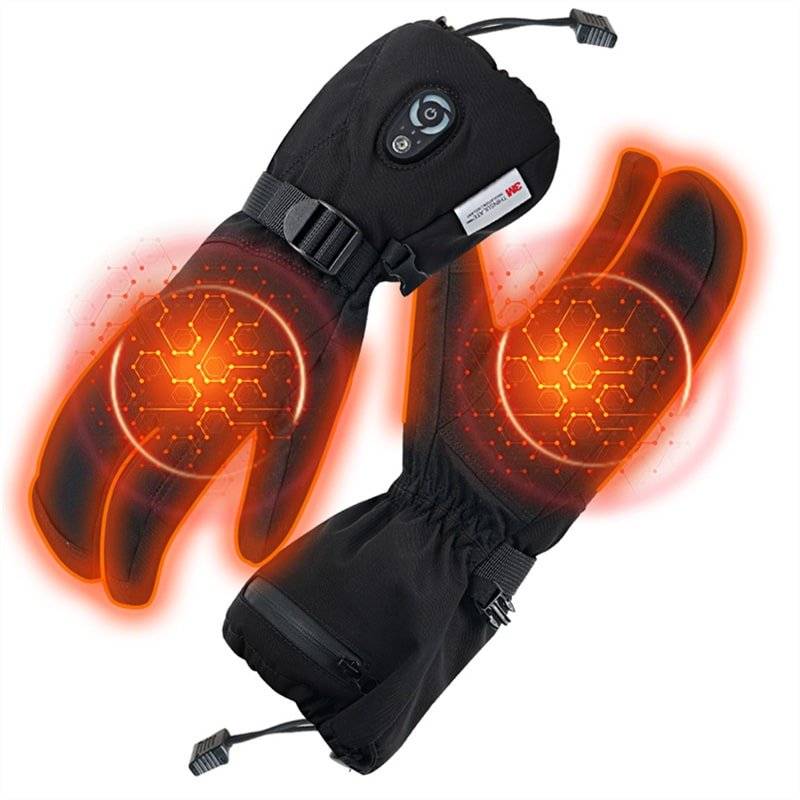
Heating Technology
Graphene – Quickest, smoothest heat recovery.
Carbon fiber – Tool flex and tool-durable.
Heating wire – Economical, not to be used intensively–breaks easily.
Heating Zone Layout
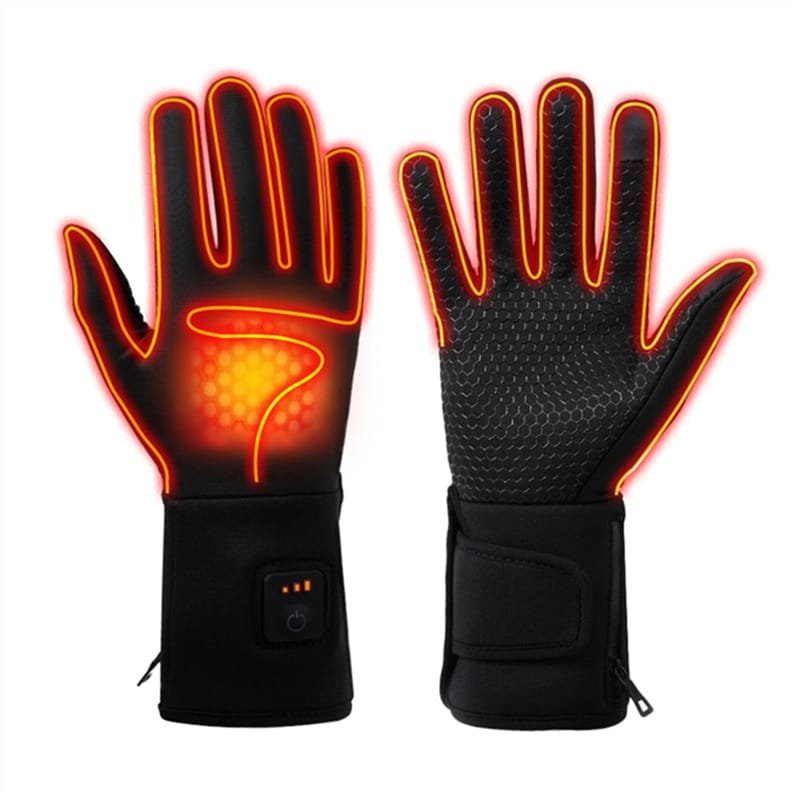
Full finger and back-of-hand heating is perfect circulation.
Durability Requirements
Palms with reinforced protection, knuckle protection, impact-resistant panels made of cuts.
Waterproofing
Membrane inserts- IPX6+, rain.
Grip & Dexterity
PU or leather palm reinforcement–holds on wet steel.
Battery Performance for Outdoor Workers
Batteries are supposed to resist things, 7.4V, hot work gloves, long battery life, but chilled production.
7.4V vs 12V Heated Work Gloves
7.4 V= normal; 12 V= extreme cold or heavy-duty working with a rapid heat.
Real Runtime Values
High: 2-3 hours; Medium: 3-5 hours; Low: 5-8 hours- in wet cold.
Extra Batteries for Long Shifts
Swappable packs for 12+ hours.
Cold Weather Battery Loss
Freezing temperatures cut runtime by 20–40%—insulated pockets help.
Best Heated Gloves for Workers (By Category — No Brands)
These types of categories are appropriate to needs, based on the vibration tests Dr. Warm was doing that relate to machinery, he needed gloves that were heated with reinforced palms to hold.
Best Overall Heated Gloves for Construction Workers
Balanced, waterproof, heat, and dexterity- 7.4V carbon on tools.
Best for Extreme Cold Job Sites
Massive insulation + high heat performance-12V graphene in yards.
Best Long-Battery Work Gloves
Big cell batteries or replaceable packs -8 or more hours low.
Best Waterproof Heated Work Gloves
In snow, rain, ice and wet construction sites -IPX7 using membranes.
Best Budget Heated Work Gloves
Strong heat resistance + tolerable life span -7.4V wire to economy.
Best Heated Mittens for Static Outdoor Work
Optimal warmth of low motion guards such as guarding.
Safety Features Workers Must Expect
No accidents happen because of safety–impact-resistant, heated gloves that are certified are required at the sites.
Overheat Protection
Prevents burns with sensors.
Electrical Safety
CE / FCC / RoHS / UN38.3 must be complied with.
Reinforced Knuckle & Finger Protection
Shocks, bruises, falls, shaking–armor takes.
Slip-Resistant Palms
Textured PU can not fall in cold or wet locations.
Construction Work Scenarios and Recommendations
The choice is determined by the scenarios: the utility workers require dexterity in their heated gloves.
Working with Metal Structures
Also require maximum heat production and cold steel reinforced palms.
Snow Removal Staff
Needs exposure to waterproofing + extended run time.
Electrical Utilities & Maintenance
Require dexterity + insulation to be fine.
Cold Storage Warehouse Workers
Regular medium long shift heat-stable insulation.
Common Mistakes Outdoor Workers Make When Buying Heated Gloves
Avoid these- warm-up gloves among cold storage employees must be checked.
Choosing Non-Waterproof Heated Gloves
Shorts in wet.
Selecting Gloves Without Reinforced Palms
Slips on tools.
Buying Thin Gloves With Weak Insulation
Loses heat fast.
Using 5V Gloves Meant for Casual Wear
Insufficient for wind.
Ignoring Battery Runtime Limitations
Fails mid-shift.
Tips to Extend the Life of Heated Work Gloves
Wipe dry before storing; store batteries at 50-60% level; do not bend the wiring vigorously; wash the palm and exterior with clean water; spray with DWR to make waterproof.
Final Conclusion — The Best Heated Gloves for Workers Must Combine Strength, Heat, and Safety
Outdoor worker heated gloves provide the necessary warmth, grip, and lifespan required to work on cold and wet locations- 7.4V or 12V of power, waterproofing of cold and weather, and reinforcements of safety. Carbon fiber heating, anti-slip palm, among other features, increase productivity and minimise risks. Decide on your occupation to get equipment that endures–strength, heat, and safety combined.
Frequently Asked Questions
Can heated work gloves be worn with a cut-resistant liner?
Yes, but specify it at the pattern stage rather than afterwards. A liner adds roughly a size to the internal volume, which affects finger length, the fit over the knuckle and where the battery pocket sits on the wrist. Sending the liner you intend to use lets the pattern be built around it instead of over it.
What water resistance should a site glove have?
IPX4 is the working baseline for rain, spray and wet tools, with IPX5 available where the glove sees direct jets or heavier sustained exposure. Note that the rating describes water ingress only — it says nothing about abrasion, cut resistance or grip, which are separate specifications on a job site.
Will one battery cover an eight-hour shift?
Rarely on a single pack. A glove running at mid level typically gives 4 to 6 hours, and cold reduces that further. Crews working full shifts normally carry a second pair of packs and swap at a break; capacity can be specified higher for a project, up to 5,000mAh and beyond, which narrows the gap without removing the need for a spare.
Do heated gloves replace electrical insulating gloves?
No, and they must not be treated as substitutes. A heated work glove is a low-voltage comfort garment; electrically insulating gloves are a tested personal protective item with a dielectric rating and a re-test interval. If a task requires insulating protection, the heated layer goes underneath or the task does not proceed.