
Industrial workers often face prolonged exposure to sub-zero temperatures, high wind, moisture, and physical demands that accelerate heat loss and increase risks of cold stress, reduced dexterity, and productivity drops. Standard consumer heated jackets fall short here because they prioritize comfort and lightweight design over rugged endurance. Workwear heating systems require higher durability to withstand abrasion, impacts, repeated bending, and chemical exposure common in industrial settings. Safety and compliance standards also differ significantly from recreational markets, where electrical risks, battery integrity under heavy use, and integration with PPE take precedence.
Industrial heated jackets must be engineered as performance equipment with reinforced structure, integrated safety systems, and long-term reliability under harsh working conditions. Rather than fashion-forward features, the focus remains on consistent thermal performance, hazard mitigation, and regulatory alignment to support safe, extended shifts.
Why Industrial Work Environments Require Heated Jackets
Industrial heated jackets address real thermal hazards where passive insulation alone cannot maintain core body temperature during long exposures. Workers in these settings experience not just cold but combined stressors like wind chill, wet conditions, and physical exertion that demand active heating for safety and efficiency.
Common environments include:
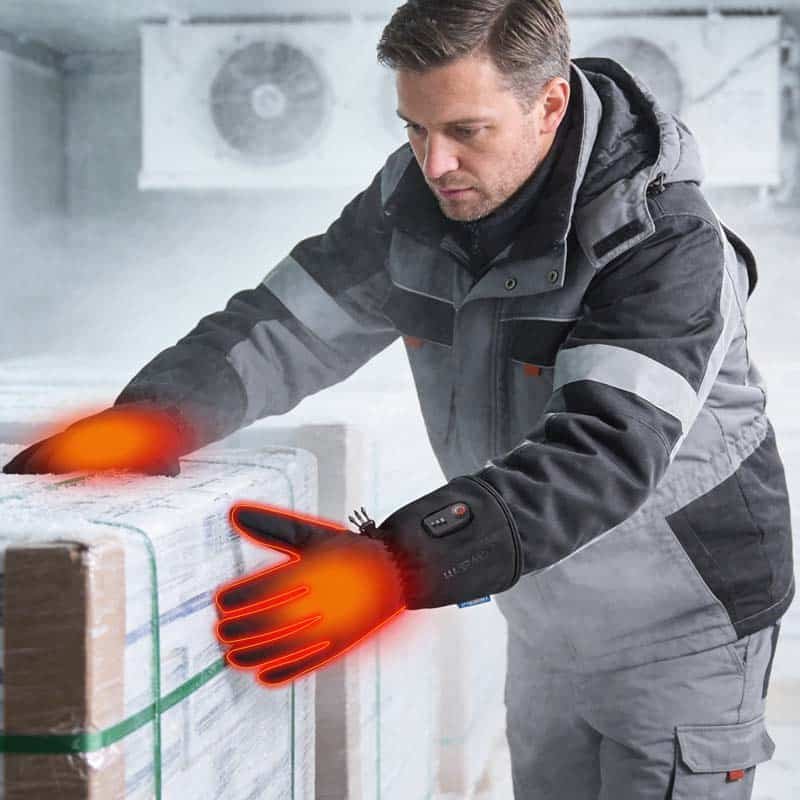
- Cold storage facilities — Continuous temperatures below 0°C, often -20°C to -30°C, with limited movement and high humidity from freezer cycles.
- Outdoor construction — Exposed to wind, precipitation, and variable weather while handling heavy tools and materials.
- Oil & gas field operations — Remote sites with extreme low temperatures, potential explosive atmospheres, and extended shifts.
- Warehouse night shifts and logistics yards — Prolonged outdoor or semi-exposed work with forklift traffic and loading docks.
- Utility maintenance in remote cold areas — Isolated work requiring reliable warmth without frequent breaks.
| Work Environment | Temperature Challenge |
| Cold storage | Below 0°C continuous (often -20°C to -30°C) |
| Construction | Wind exposure, precipitation, variable lows |
| Logistics yards | Extended outdoor shifts, movement in cold air |
| Utility maintenance | Remote cold areas, limited access to shelter |
| Oil & gas fields | Extreme sub-zero with wind and moisture |
These conditions elevate risks of hypothermia, frostbite, and reduced manual performance, making active heating essential rather than optional.
Key Technical Requirements for Workwear Heated Jackets
Industrial heated jackets demand components engineered for abuse rather than casual use. Fabrics and assemblies prioritize resistance to tearing, punctures, and environmental degradation while maintaining heating functionality.
Critical requirements center on:
- Heavy-duty outer fabric capable of handling abrasive surfaces, tool contact, and repeated washing.
- Reinforced stitching at stress points like shoulders, elbows, and seams to prevent failure during movement or load-bearing.
- Industrial-grade connectors that resist loosening from vibration or pulling.
- Impact-resistant battery housing to protect cells from drops, compression, or crushing common on job sites.
| Requirement | Engineering Consideration |
| Fabric durability | High abrasion resistance (e.g., ripstop nylon or reinforced polyester) |
| Water resistance | Industrial waterproof rating (e.g., 10,000mm+ hydrostatic head) |
| Battery protection | Reinforced compartment with padding and secure closure |
| Connector strength | Anti-loosening design, sealed against dust/moisture |
These elements ensure the jacket survives months or years of daily industrial use without compromising heating performance or worker safety.
For workwear brands seeking tailored solutions, exploring heated jacket OEM services for workwear becomes essential to match exact site needs with proven manufacturing expertise.
Heating System Design for Industrial Use
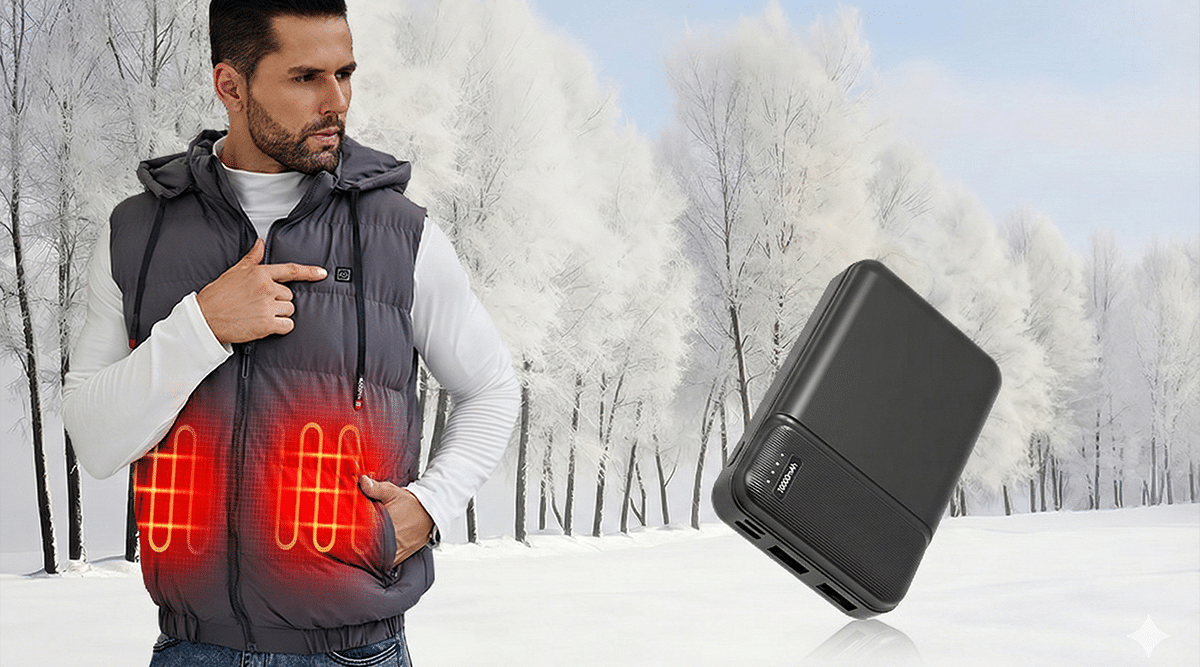
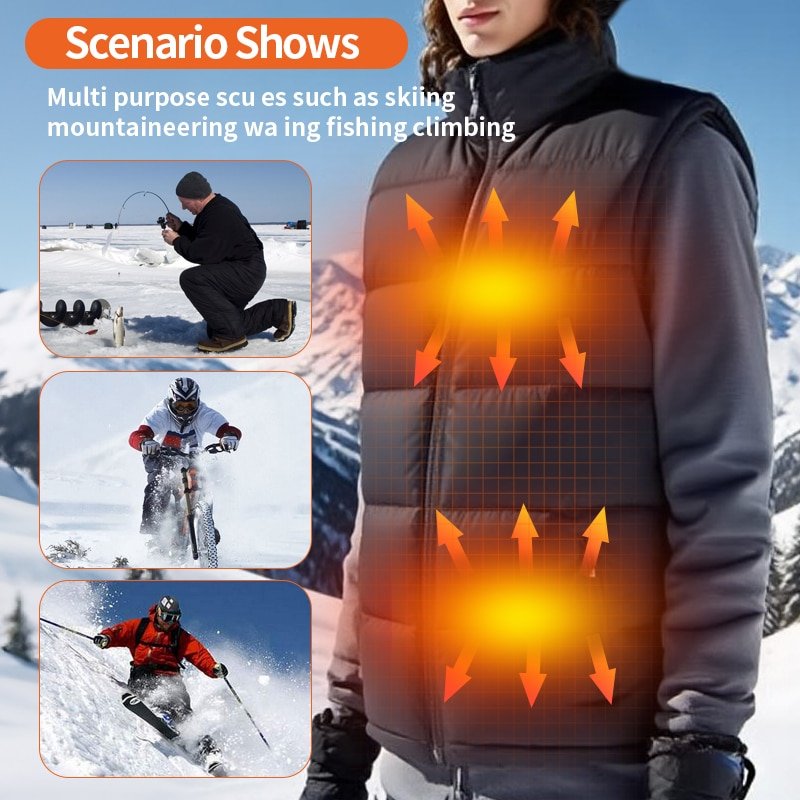
Heating systems in industrial heated jackets prioritize stable, predictable output across full shifts rather than short bursts of intense warmth. Designs focus on core body zones (chest, back, mid-back) to preserve vital organ temperature efficiently.
Key aspects include:
- Stable heat output maintained over 8–12 hour shifts, avoiding rapid drain or inconsistent zones.
- Multi-zone heating with independent or grouped controls, allowing workers to prioritize core warmth while conserving battery for extremities when possible.
- Cold-resistant battery performance ensuring reliable discharge even at low temperatures where standard lithium cells lose capacity.
- Built-in protection from overheating through thermal sensors, automatic shut-off, and fail-safe circuits to prevent burns or fabric damage.
Engineers select carbon fiber or flexible film elements calibrated for even distribution and low power draw, reducing hotspot risks in high-movement areas.
Battery Safety & Compliance in Workplace Settings
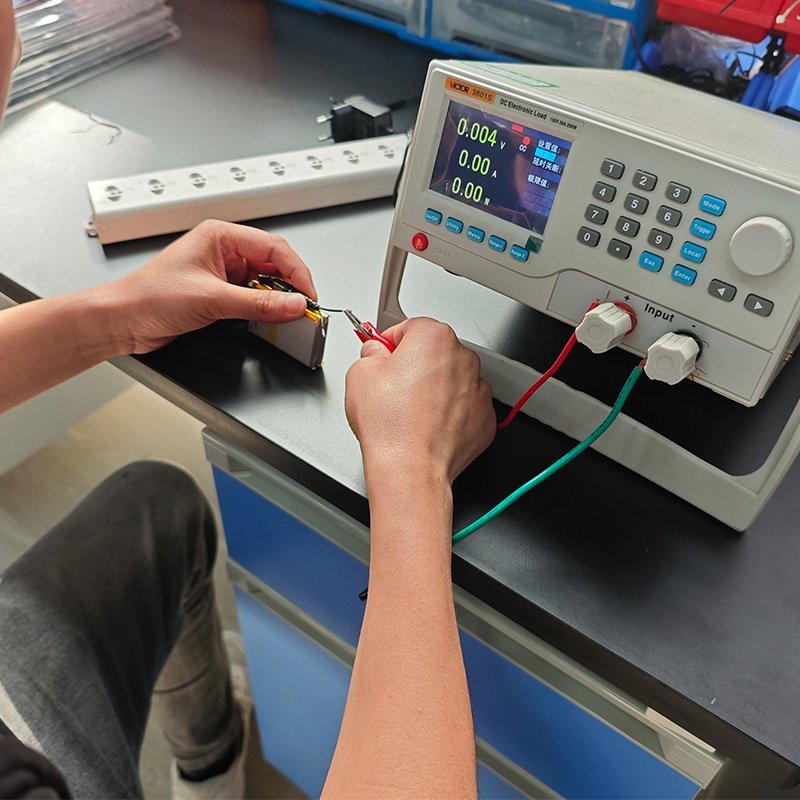
Battery integration represents one of the highest safety priorities in industrial heated jackets. Lithium cells must withstand mechanical stress, temperature extremes, and potential misuse while complying with electrical and transport regulations.
Workplace settings require:
- Adherence to electrical safety standards to minimize shock or short-circuit risks.
- Compliance with transport regulations for batteries carried or shipped.
- Seamless integration with existing PPE protocols, including high-visibility elements.
- Full certification documentation for audits and inspections.
| Compliance Area | Industrial Relevance |
| CE / FCC | Market access and electromagnetic compatibility |
| Battery testing | Workplace safety against thermal runaway or failure |
| Labeling | Clear warnings and usage instructions |
| Documentation | Corporate audits and regulatory inspection records |
Certifications like CE, RoHS, FCC, UKCA, and UL testing verify overcharge protection, short-circuit prevention, and safe operation, giving procurement teams confidence in field reliability.
Durability Testing & Quality Control
Durability defines whether an industrial heated jacket delivers value over its service life. Testing goes beyond basic wear to simulate real-world abuse.
Protocols typically cover:
- Abrasion testing (e.g., Martindale or Taber methods) on outer shells and high-wear zones.
- Thermal cycling to replicate repeated cold-to-warm transitions without degradation.
- Drop testing for battery packs from job-site heights onto hard surfaces.
- Long-term endurance tests involving thousands of flex cycles, heating on/off sequences, and environmental exposure (humidity, salt spray for coastal sites).
These rigorous checks, combined with incoming material inspections and final aging tests, ensure consistent performance and minimize field failures.
Customization Strategies for Workwear Brands
OEM customization allows workwear brands to adapt heated jackets to specific industrial demands without compromising core safety features.
Practical strategies include:
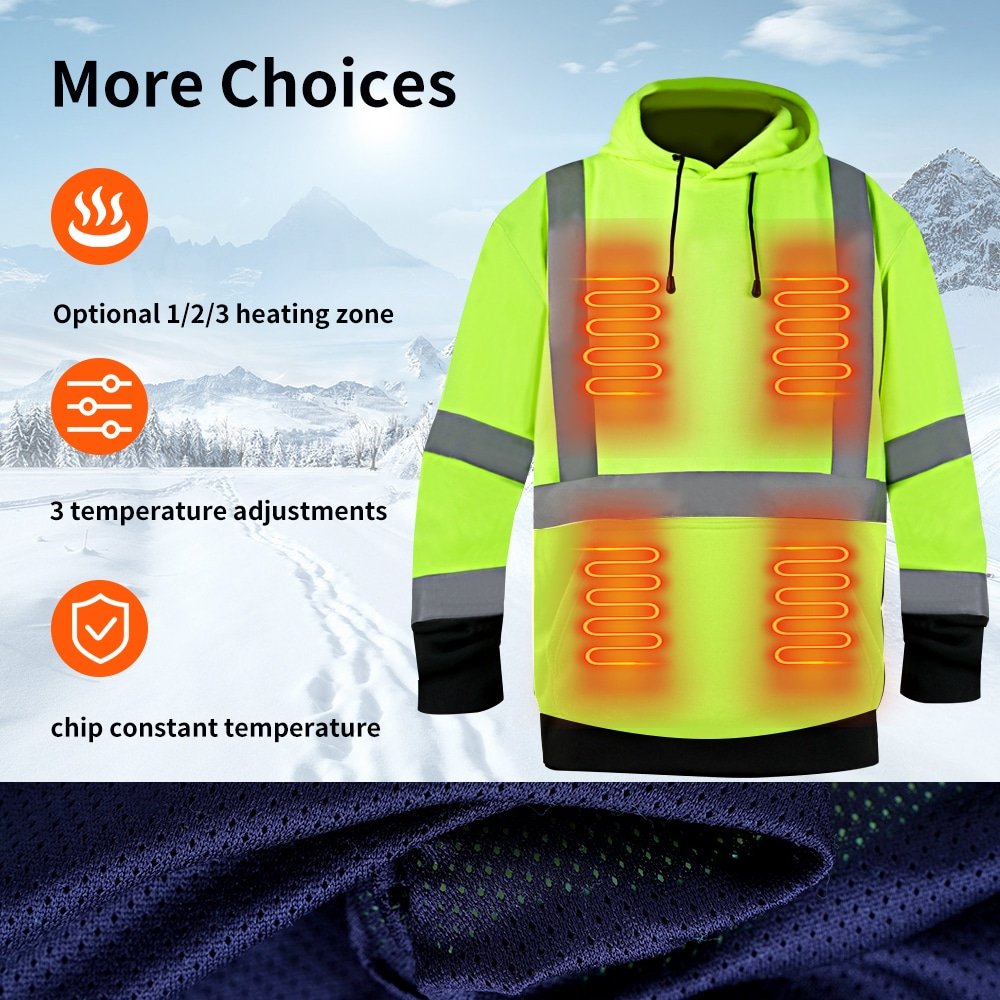
- High-visibility design integration with ANSI/ISEA-compliant reflective strips and fluorescent panels for low-light safety.
- Company logo placement via embroidery or heat-transfer methods that withstand industrial laundering.
- Reflective strip compatibility to meet site-specific visibility requirements without interfering with heating zones.
- Custom heating zone layout to match task-specific needs, such as enhanced back heating for drivers or core focus for manual laborers.
These adaptations support brand identity while ensuring functional performance in demanding environments.
Conclusion — Industrial Heated Jackets Are Functional Equipment
Industrial heated jackets are not fashion items or casual add-ons; they function as critical equipment where safety, durability, and reliability directly impact worker well-being and operational continuity. Prioritizing reinforced construction, robust battery protection, and compliance alignment delivers measurable value in preventing cold-related incidents and maintaining productivity.
For workwear brands and industrial buyers, early OEM planning with experienced manufacturers ensures reliable supply chains and designs optimized for real-world demands rather than short-term trends.