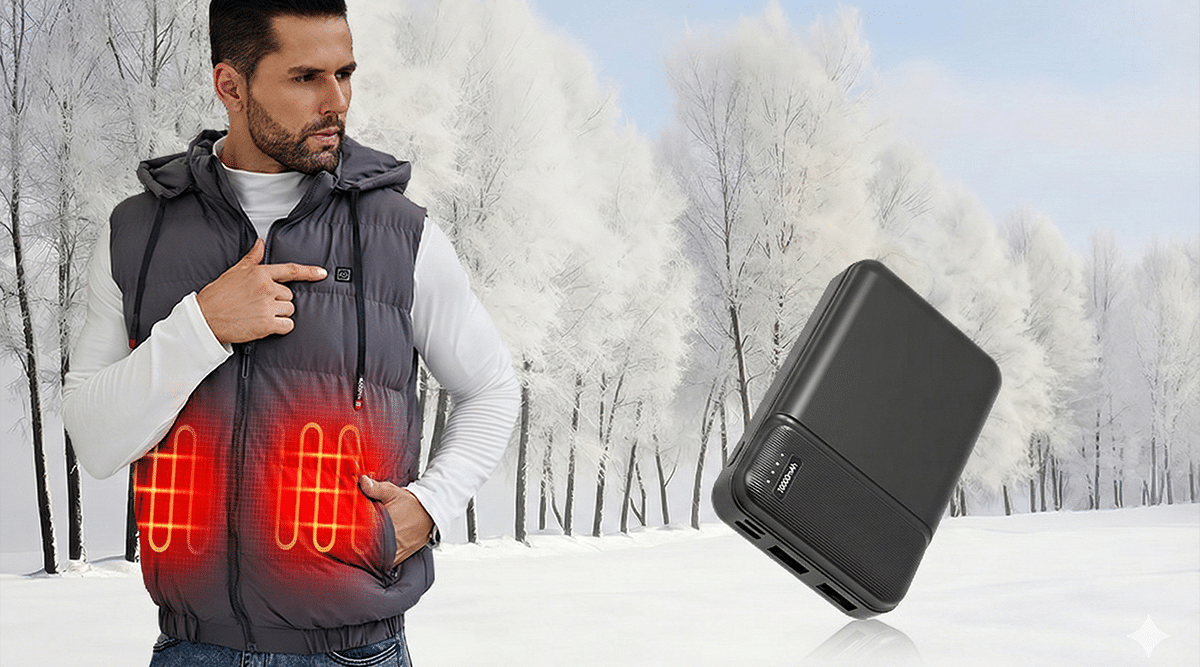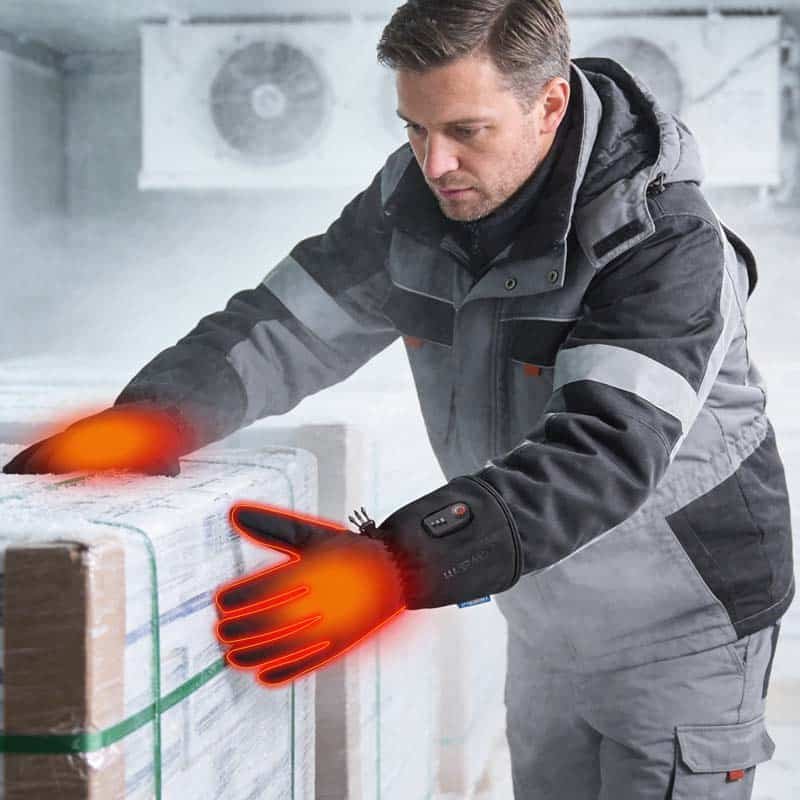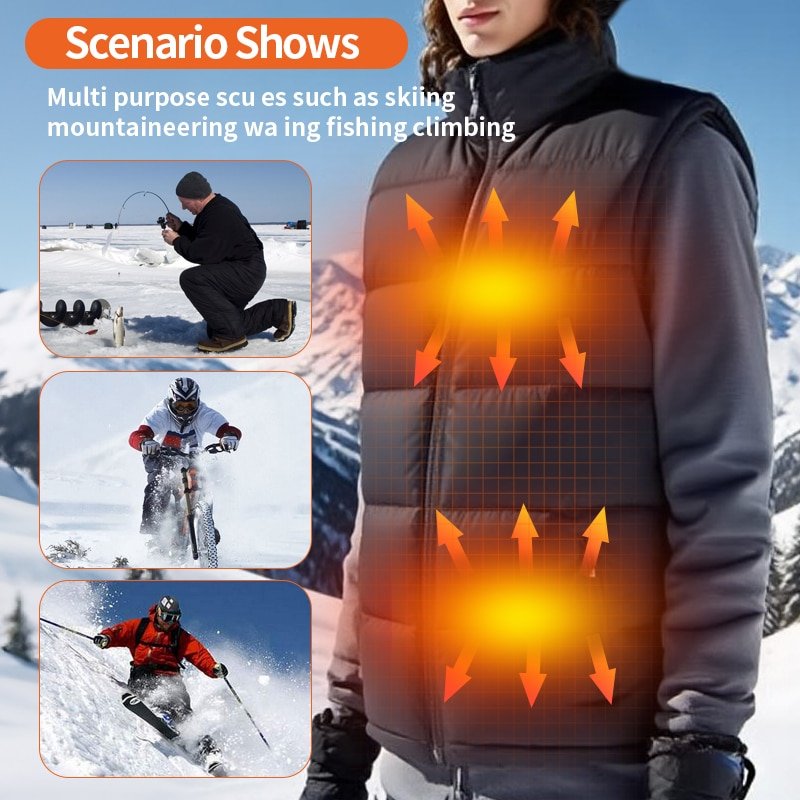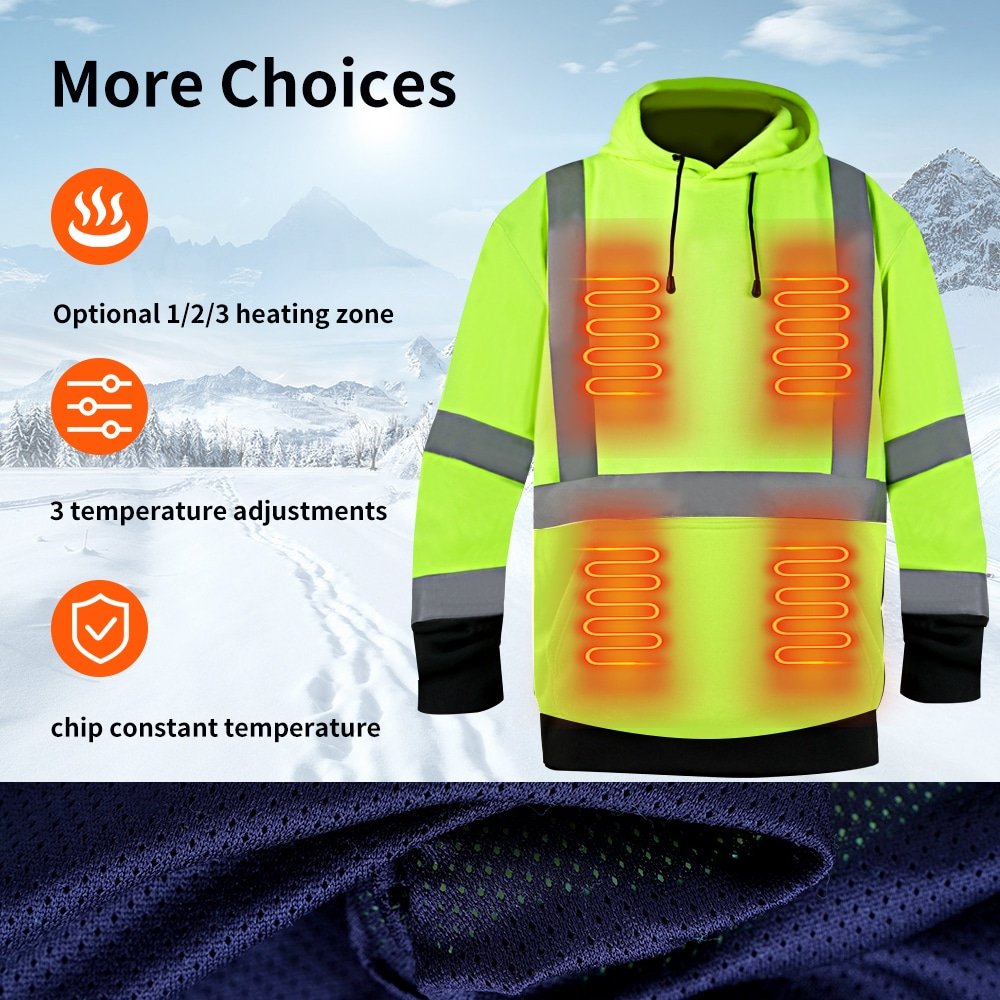

Outdoor-work heated insoles are highly important in areas where employees have to work a long time in low-temperature conditions, e.g., in building-sites, cold storage plants. Such working environments may include hours of standing, walking over concrete, or working in icy environments, and this may lead to a substantial decrease of foot temperature. Loss of foot warmth causes discomfort and impairs circulation and productivity as well as increases the risk of slips or slower reactions.
There is a widespread fallacy that high-end insoles for recreational sporting and winter casual wear can be used in industrial settings. Practically, the workplace conditions require much more durability, a steady heat supply during the extended working hours, and mechanical load resistance. Heated insoles of the industry and construction industry should have structural strength, long battery life, and be reliable in terms of temperature regulation to address the safety and performance standards of the professions.
Why Cold Exposure Is a Serious Industrial Risk
The risks of cold exposure in industries include serious health risks, safety, and productivity of workers. Excessive exposure to cold temperatures leads to the tightening of the blood vessels in the body extremities, thus cutting the circulation to the feet and hands.
The consequence of this is numbness, lack of dexterity and slow movements that may affect precision-based tasks, including manipulation of tools or machinery. There are usually decreases in productivity because employees get fatigued faster or they take more time to accomplish tasks. More importantly, cold stress heightens the risk of developing injuries such as frostbite, trench foot or hypothermia especially in construction or cold storage where temperatures can be kept at or below zero throughout the entire shift.
In addition to short-term impacts, the chronic exposure causes long-term problems like musculoskeletal pains of the back, neck, shoulders, and legs. Regarding the occupational safety, such aspects influence operational productivity and increase the liability concerns of employers according to the workplace health standards.
Heating Technology for Industrial Applications
Industrial insoles should provide even and consistent heat and not bursts of hotness. Equal distribution of heat over the foot prevents pinacolone spots that may be experienced locally and thus interfere with performance or comfort on its lengthy usage.
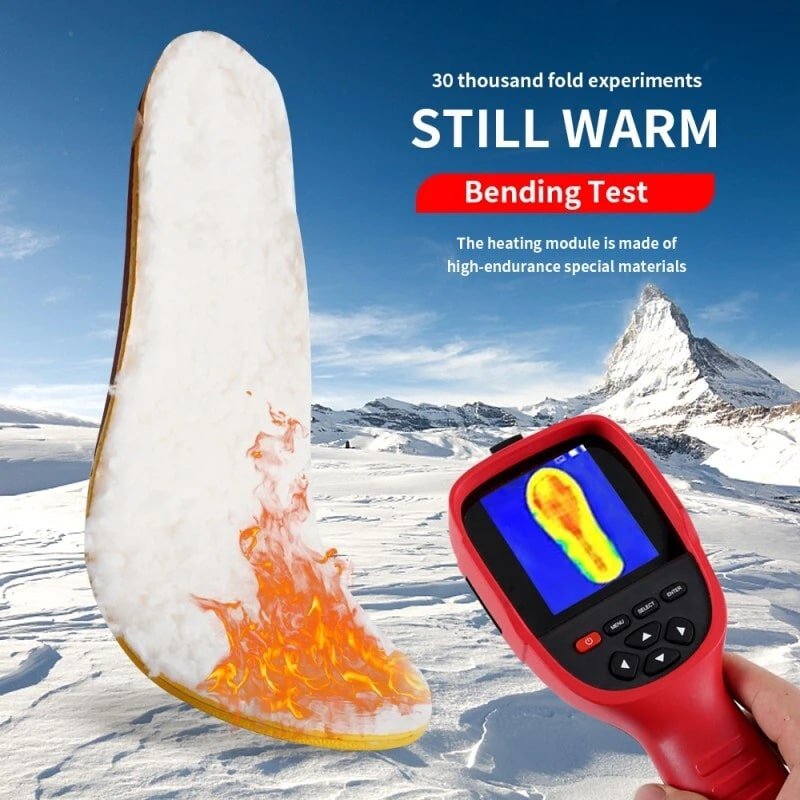
In the heavy work boots, heating devices are under a continuous load due to standing, walking, and load bearing. Carbon fiber heating elements are unique in this aspect because they have flexibility and can be bent and compressed several times before breaking or loss of performance. Carbon fiber is also resistant to stress and thus can be relied upon to give a stable output throughout hours as opposed to wire systems which tend to have a breakdown in powers.
A consistent heat production is mandatory towards ensuring comfort without using too much power, particularly in the case of freezing when power efficiency is the key factor.
| Heating Requirement | Industrial Importance |
| Even heat spread | Prevent localized cold spots |
| Stable output | Maintain consistent warmth |
| Flex resistance | Withstand heavy-duty boots |
| Efficient power use | Extend shift coverage |
For companies developing or sourcing solutions tailored to industrial needs, industrial custom heated insoles offer engineering options that prioritize these performance aspects.

Battery Endurance for Long Work Shifts
One of the most essential factors in choosing insoles heated to work outdoors is battery life. Construction and cold storage shifts are normally 812 hours and systems that operate without recharging regularly or replacement are needed.
Lithium batteries have lower capacity and increased internal resistance when at cold temperatures which results in high rate of discharge at low temperatures as opposed to when it is at room temperature. This behavior is taken into consideration by proper capacity planning, which may necessitate larger mAh ratings in order to cover full-shift.
Protection circuits allow over-discharge to be avoided and make cells more safe, and cold-resistant cells bring the circuit output more stable as the temperature decreases. Quick charging facility reduces downtime in breaks.
| Battery Factor | Industrial Impact |
| High capacity | Full-shift coverage |
| Protection circuit | Safety compliance |
| Cold-resistant cells | Stable output in freezing conditions |
| Fast charging | Reduced downtime |
Structural Durability Under Heavy Load
The quality of the structure of the insoles defines the longevity of the insoles in the heat of the industry. Construction or warehouse workers spend all their shifts on solid floors, standing on their legs, or carrying the weight of machinery.
Stiffened layers of lamination support heating components as well as wiring against compressive and shear forces. Shock absorbing properties absorb impacts, minimizing fatigue but maintaining component integrity. Routing of the wires should have protection pathways or encasement to avoid pinching or scraping during movement.
These components of the design make sure that the insole does not lose its shape and functionality even after thousands of steps and does not cause the interruption of work.
Moisture, Dust, and Environmental Protection
The industrial conditions subject the heated insoles to moisture, snow, dust and debris way more than when they are used. Ingress of water may cause short circuiting or degradation of elements, and the presence of dust may interfere with connections.
Internal electronics are shielded by waterproof insulation layers and closed-end connectors. Dust resistant curtains ensure that the buildup of particles does not interfere with performance or safety. Such protections are stable in wet construction sites or cold storage facilities that are moist.
Control System Considerations for Work Environments
Industrial heated insoles should have control systems that are user-friendly and do not fail so easily. The button controls are situated in the boot to enable the customization without taking off the footwear, however, with glove compatible designs.
Remote systems are also convenient to use with gloved hands, as it is possible to quickly alter the amount of heat. In other applications, app-based control is made available through Bluetooth integration, although simplicity can be more useful in noisy or high throughput industrial environments where complex functions can go unexploited.
The option is based on the requirements of the workflow, where there is a balance between user-friendliness and the simplest complexity.
Compliance and Occupational Safety Considerations
The safety standards in the case of the heated insoles should not be compromised in the professional practice. Electrical safety standards warrant that the systems are non-hazardous in terms of electricity shocks and overheating.
Lithium cell regulations Battery transport and use laws, especially those on lithium cells, deal with fire and leakage risks. Employers face the issue of liability in such provision or even permitting such equipment, necessitating this clear documentation of certifications.
The standards that will apply are electrical compliance tests and conformity to the occupational health standards regulations of protective equipment in cold conditions.
Common Mistakes When Selecting Heated Insoles for Industrial Use
Incorrect choice of heated insoles in industry can be due to the fact that fundamental distinctions between consumer and professional are not properly considered.
- Selection of sports oriented products in industries.
- Disregard of battery shift endurance requirements.
- Neglecting structural reinforcement requirements.
- Lack of understanding of the adverse effects that cold-weather discharges have on performance.
Such mistakes may lead to early failure, lack of heat or security holes.
Conclusion — Industrial Applications Require Engineering Depth
Outdoor work and cold storage heated insoles should be designed to be structurally robust, have constant heating performance and have a long battery duration. Industrial products need reliability and safety assurance but not just consumer-grade functions. With such technical considerations, work wear companies, safety footwear manufacturing companies, and industrial users can ensure that they protect workers in harsh cold conditions and retain productivity.