

Heated gear is a seasonal product with an inverted calendar. Demand peaks when the temperature drops, but production has to be finished long before that – which means the decisions that make or break a winter range are made in spring and summer, not in autumn.
Buyers who plan backwards from their selling season launch on time. Buyers who start late compete for the same factory capacity in the busiest weeks of the year, pay more for freight, and often accept whatever is still available. This guide sets out a practical 12-month calendar and the logic behind it.
Why Heated Apparel Runs on a Different Calendar
Three characteristics push the whole timeline forward:
- Demand is compressed. Most winter heated gear sells in a short window around the coldest months, so the range has to be on the shelf and in the warehouse before that window opens.
- Development is not instant. A customized heated product involves heating elements, electronics and battery packs, not just fabric – so sampling takes real engineering time.
- Manufacturing is concentrated. The same factories that make your product serve every other brand in the category, so capacity in the run-up to winter is finite.
The result is that a November retail date is decided by an order placed roughly six months earlier. Every stage below is anchored to that reality.
Start From Your Selling Season and Work Backwards
The most reliable planning method is to fix the date the goods need to be in your warehouse and count backwards. A typical chain looks like this:
- Selling season opens – the moment your range needs to be available.
- Inbound shipping – sea freight typically takes roughly five weeks door to door, longer in peak congestion.
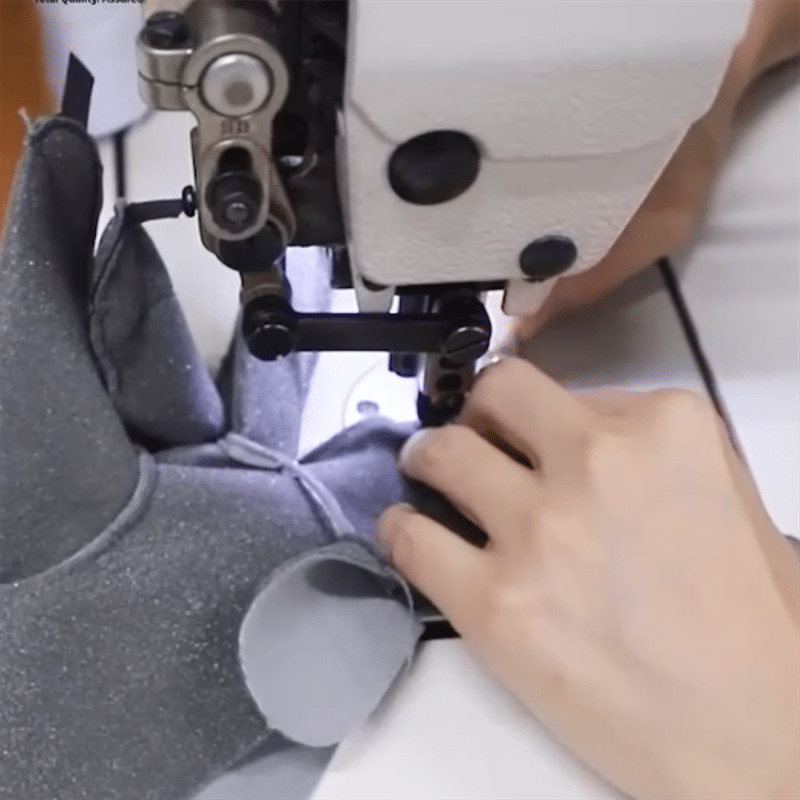
- Bulk production – mass production of a customized heated order usually runs up to around six weeks after sample approval.
- Sampling and approval – sample development runs 7-30 days depending on how deep the customization goes, followed by your review and any revisions.
- Design brief – the range, specifications and target price agreed with the factory.
Added together, that chain is why a late-summer brief is usually the latest sensible start for a winter launch – and why a spring brief is comfortable. If you want the detail behind each stage, our guide to MOQ, sampling and lead time explains how they interlock.
A 12-Month Planning Calendar
Read as a cycle rather than a one-off project, the year divides naturally into four phases.
January to February – Review and Plan
The selling season is still running, which makes it the best moment to gather evidence: which styles sold, which sizes ran out, what customers complained about, what returns pointed to. Turn that into a brief for the next range – categories, price points and the improvements you want. This is also when you confirm preliminary quantities with your factory, because early signals help them reserve capacity.
March to May – Develop and Sample
Hand the brief to the factory and move into sampling. This is the stage for testing heating zones, battery placement, materials and fit, and for locking the specification. Approve the samples before the season’s capacity starts filling up – a sample approved in spring is a slot much easier to secure than one approved in summer. Packaging artwork should be briefed in parallel, since printed packaging adds its own lead time.
June to August – Place Bulk Orders and Produce
With samples signed off, the bulk order goes in. This is the summer window when production runs, and it is also the last comfortable moment to raise quantities – by late summer the factories that serve the category are booking their busiest weeks. Agree the trade terms and payment milestones now so nothing stalls at the shipping stage; the structure of an OEM order is covered in our guide to OEM payment terms and order process.
September to October – Ship and Distribute
Production completes and the goods move. Sea freight, customs clearance and onward distribution fill these weeks, which is precisely why the earlier stages cannot be compressed without eating into the selling season. Files for compliance – battery transport documents, certificates of origin, product certifications – should be ready well before this point, not gathered in a panic at the port.
November to February – Sell, Monitor and Reorder
The season runs. Two things matter operationally: keep stock data live so you can spot sell-through early, and understand your reorder window. A repeat order placed after the season has started can still arrive if the factory holds stock or has spare capacity – but it needs to be triggered while there is time to produce and ship, which means monitoring by week, not by month.
Peak Season Capacity: Why Late Orders Slip
Late orders rarely fail because a single step is slow. They fail because every factory in the category is working flat out at the same time, and the queue compounds. Magazines, packaging suppliers, battery suppliers and freight forwarders all face the same crunch. Ordering into that crunch means paying peak freight, accepting longer production windows and having far less leverage if something goes wrong. Booking early is the single most effective cost control in seasonal sourcing.
Off-Season Is the Best Time to Develop
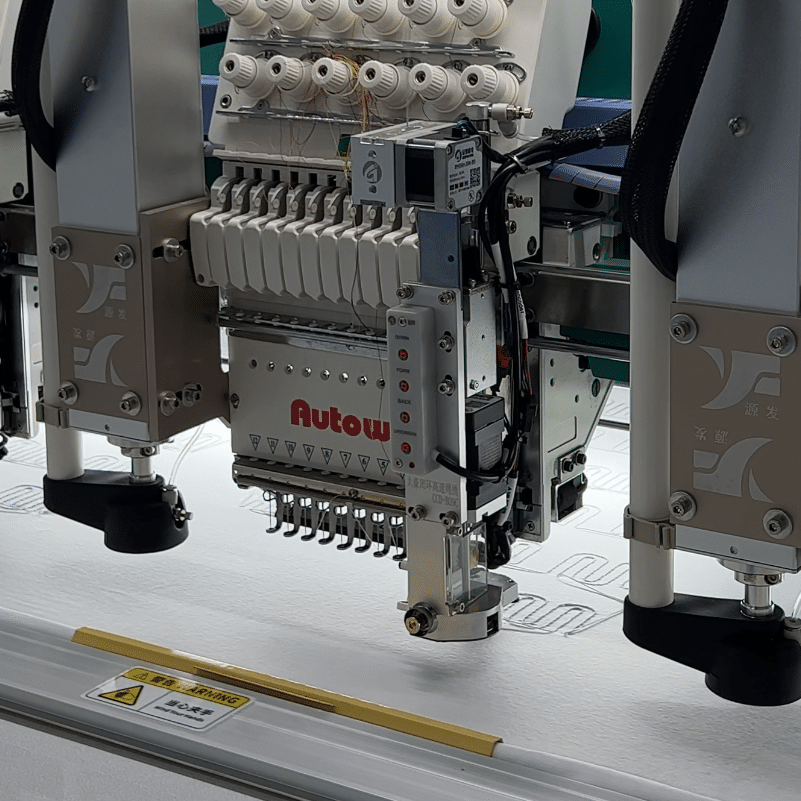
The quiet months are an under-used asset. Prototyping a new product line, testing a new battery configuration or running packaging changes all cost less time and attention in the off-season, when the factory’s engineering team is not stretched. Brands that treat the off-season as development time enter the peak with a finished range instead of a rush. If you are planning a new line, our OEM/ODM process is built around exactly this cycle, and you can see the production floor behind it on the factory page.
Frequently Asked Questions
When should I place a heated clothing order for the winter season?
Working backwards from your selling date, the bulk order should be placed in early summer for a typical winter launch, with samples approved in spring. Sampling takes 7-30 days and mass production runs up to around six weeks, before shipping is added on top. Placing the order late means competing for peak factory capacity.
How far in advance should I start developing a new heated product?
Allow the full cycle: a design brief in late winter or early spring, sampling through spring, and bulk production in summer. Development is worth starting in the off-season, when factory engineering teams have more capacity and prototyping moves faster than during the pre-winter crunch.
Can I reorder mid-season if a style sells out?
Sometimes – but only if the factory holds stock or has spare capacity, and only if the reorder is triggered early enough to allow production and shipping. Monitor sell-through weekly through the season so a repeat order can be raised while there is still time for it to arrive.
Planning a winter range? See how our OEM/ODM process runs from brief to bulk, or check the manufacturing FAQs for lead times, MOQ and sampling. We have supported brands’ seasonal production cycles since 2013.