
Introduction — Why Heated Clothing Matters for Motorcycle Riders
Having been a riding instructor of more than 20 years teaching both beginning courses and advanced track days, I have encountered the effects of cold weather on a ride first hand as it can be one of the most enjoyable one day but the next day it becomes a nightmare. Motorcycle riders have special problems: At highway speeds the wind cold attacks the body heat and body by 10-20degC, reducing reaction time to braking or evading. High-speed exposure has the effect of even the mildest cool weather seeming vicious, whereby the fingers become numb and cannot control the clutch properly, or the cores are frozen and result in fatigue and loss of proper judgement. Heated clothing is a solution to this problem as on-demand heating directly to vulnerable parts keeps the body to keep circulation and attention without having to wear bulky layers that limit mobility. Whether it is commuting on rainy mornings or riding in snowy passes, the correct gears such as a motorcycle jacket that is heated or gloves that are heated and given to the riders can make the season longer and can also be safer. We shall also discuss the issues of riding in this guide, the comparison of categories and pros/cons, and tips based on our experience, especially on the issue of safety, such as battery protection and wearable fabrics, to make sure you choose setups that work when the moment comes.
Key Riding Challenges Heated Clothing Must Address
Cold has a greater effect on motorcycle riding and thus the use of heating clothing is no longer a luxury but rather a safety and fun tool. These are the issues that can be understood during the choice of the pieces that really work.
Wind-Chill Factor at 40–120 km/h
At 80 km/h, a 5degC day, with a wind chill of -5degC, robs the body of heat, exposing body parts to hypothermia perils on any extended journey. Heated clothes overcomes this by providing focused heat, such as jackets keeping your core temperatures to keep you alert. During my team rides in the Rockies, those riders who did not wear it would have to stop prematurely, whereas my fellow riders who had the heated pants used hours before they felt cold.
Reduced Dexterity from Cold Hands
Fine motor control and grip strength is reduced in cold hands which is essential in throttle twists or emergency stops- numb fingers may cost braking seconds. Glover warms that have a finger-zoned area enable a rider to regain dexterity preventing accidents. I have been coaching students who have difficulties with clutch levers in 0degC, and heated alternatives changed their self-esteem.
Core Temperature Drop & Fatigue
The long-term exposure causes chills in the torso which results in shivering and mental fog–tiredness sets in quick and when quickness matters most of all. Core heat is held steady with a heated motorcycle jacket or vest and stops and range are reduced. I have depended on them during wet commutes in order to be at work and not rattled.
Category Comparison — Best Heated Clothing Options for Motorcycle Riders
Dividing by category, we will contrast features, and the tables below will be more understandable in terms of pros/cons-related to the needs of a rider, such as vibration resistance and easy access.
Category 1 — Heated Jackets (Main Protection Layer)
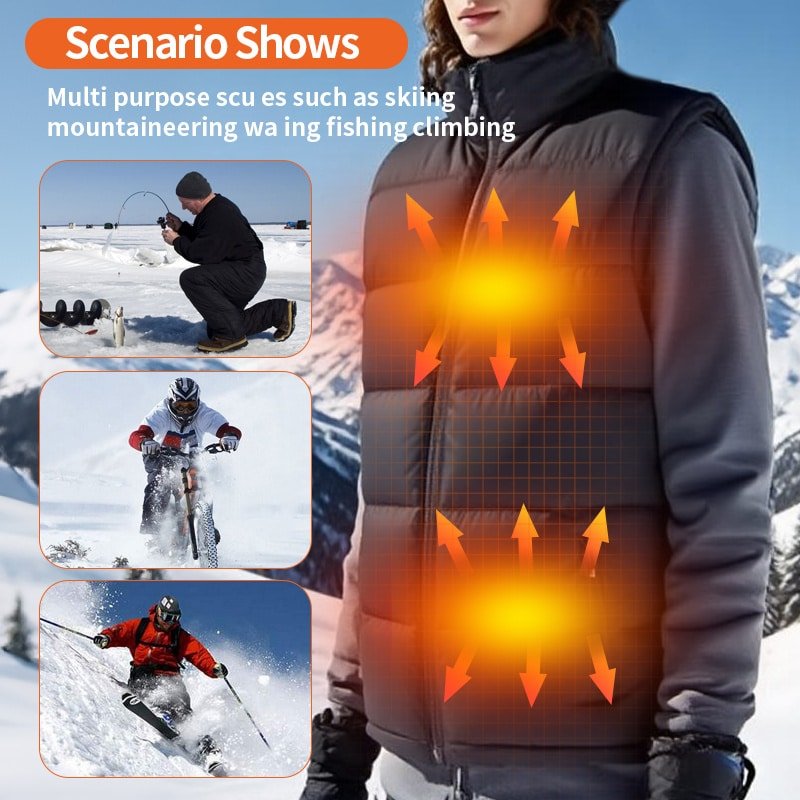
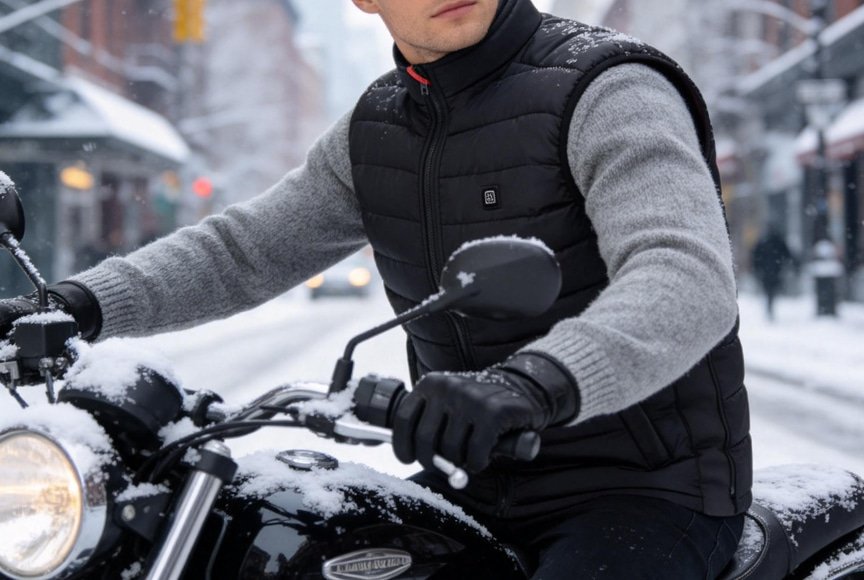
The basic of riders is the use of heated jackets, which cover the rider core with the unforgiving wind but also offer an additional warmth layer that is intertwined with riding armor.
Reasons Riders Should Have One: Jackets offer protection against torso chill which robs them of energy at speeds above 60 km/h and on tours where stopping is not an option. Riders looking for purpose-built options can explore our custom heated jackets for motorcycle riders with high-output heating and abrasion-resistant shells.
Best Features to Look For:
- Heat output high (7.4 V or 12 V) in penetrating wind.
- Crash protection Windproof + abrasion-resistant such as Cordura or nylon.
- Full back + chest + collar heating areas to encompass high exposure areas.
- Zippers that are waterproofed to keep the rain out.
Pros / Cons Table
Pros:
- Full body insurance against wind chill.
- Extended (6-10 hours on medium) battery life.
- Motorcycle armor compatible.
Cons:
- Heavy, even bulky, and may limit movement unless fitted properly.
- More expensive (150-300) as it is bigger.
- When pockets are not well placed, battery weight may be unbalanced.
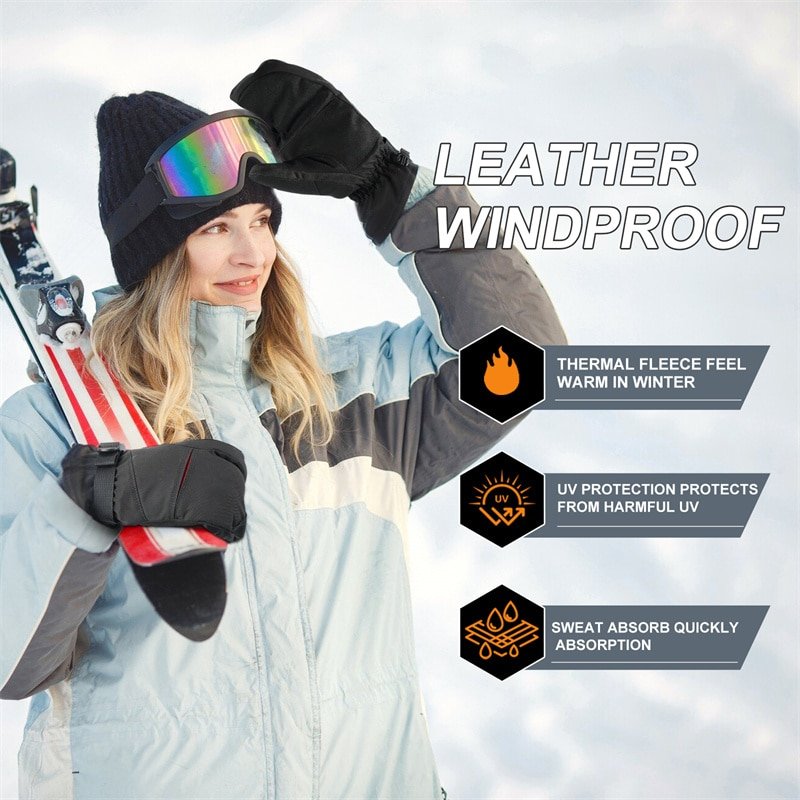
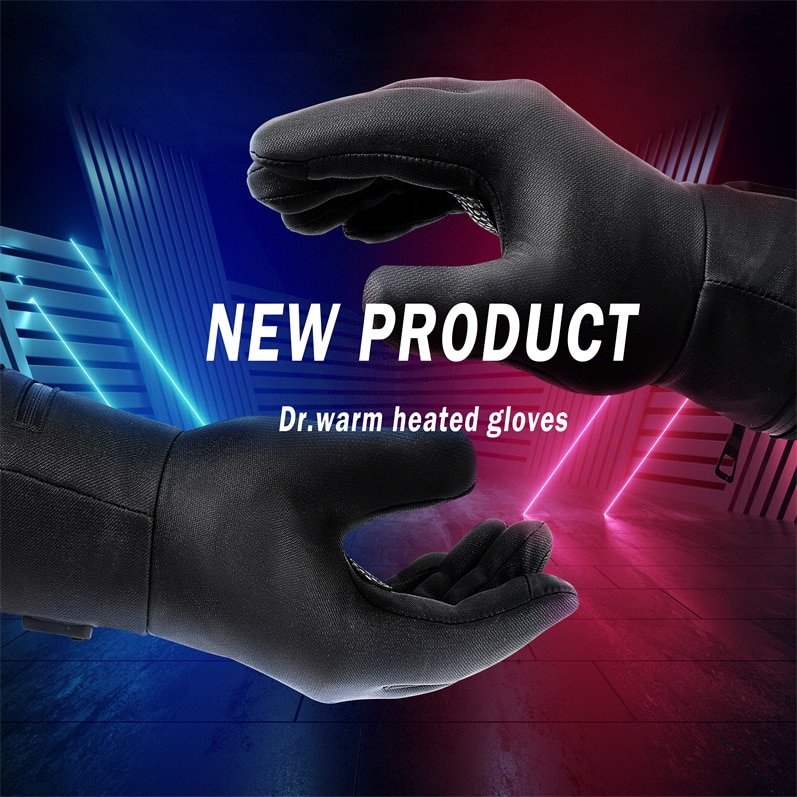
Category 2 — Heated Gloves (Critical for Safety)
The gloves are heated, and it is a deal not to be compromised, cold hands imply slow responses, and riders cannot afford it.
The Reason They Are Necessary: Wind initially causes fingers to freeze, which reduces the sensations in the brakes and clutches, and hot systems restore their ability to grip and be precise. For maximum control and safety, our custom heated gloves for motorcycle riders feature full-hand zoned heating and anti-slip palms.
Best Features:
- Not the back-of-hand, but the whole hand.
- Sealed compartment battery protection.
- Waterproof such as Gore-Tex when riding in rain.
- Anti-slip palm to hold handlebars.
Pros / Cons Table
Pros:
- Is deft of hand, to keep out of danger.
- Fast warming (2-3 minutes) to relieve instantly.
- Fingertips that are Touchscreen enabled.
Cons:
- Small packs will result in shorter battery life (3-5 hours).
- May be bulky when the insulation is excessively thick.
- Increased susceptibility to flex failure in the event that non-durable wiring is used.
Category 3 — Heated Pants / Heated Base Layers
Wind tunnel numbness in the lower body is a problem that is addressed by heated pants, which are essential even on long-haul trips.
Wholesomely to Riders: Radical exposure to wind through legs, which causes cramps; overheated layers without confining their equipment.
Key Features:
- Knee + thigh heating treatment zones.
- Adjustable wiring to fit the riding position.
- Under-pants are wearable.
Pros / Cons Table
Pros:
- Avoids fatigue of legs during tours.
- Protective layerable under riding pants.
- The efficiency of moderate heat (100-120degF) suffices.
Cons:
- Space limitation on battery choice.
- Can bunch if not fitted slim.
- Not as important to brief rides.
Category 4 — Heated Socks & Insoles
Heated socks It fights the cold on the boots, feet forget, ride focus overall.
Why This Category Is Important: Toes numb with vibrations and coldness, lose pedal sensation; insoles that are heated can be discreetly warm. Long-distance riders appreciate our custom heated socks and insoles for riders with toe-focused heat and moisture-wicking comfort inside boots.
Best Features:
- Quick thaw with toe-oriented heat.
- Prolonged run time batteries (4-6 hours).
- Clammy fabrics should be avoided with moisture-wicking fabrics.
Pros / Cons Table
Pros:
- Enhances foot circulation towards control.
- Hugging in boots with no bulk.
- Affordable add-on ($50-100).
Cons:
- Battery in cuffs are shiftable on rides.
- Less heat available than gloves.
- Needs matching boot space.
Important Technical Considerations for Motorcycle Riders
In addition to categories, tech specs allow gear to match the needs of riding, such as systems that resist vibration and cold.
Heating System Type
Heating System Type Flexible, even heating in gloves with carbon fiber; jackets with graphene film; high-budget pants with heating wire but not high flex; high-flex should not be heated. Our team specializes in heating element design for heated apparel to deliver vibration-resistant performance tailored to riding demands.
Battery Voltage & Runtime
Battery Voltage & Runtime Wind: 7.4V or 12V batteries perform better than 5V–test in cold is expected 4-8 hours. Discover reliable, cold-rated options in our battery solutions for heated motorcycle gear designed for long rides and high-speed wind exposure.
Weatherproof Ratings
IPX5+ rain resistant; essential because water and electricity may short.
Durability & Abrasion Resistance
Cordura or Kevlar that can be used in case of a crash; 10,000 flex-test.
Motorcycle-Specific Features to Look For
Fit & Ergonomics
Fit & Ergonomics Fits closely but is stretchy, to be worn beneath leathers; pre-curved riding posture. Safety Compatibility Should be built in with protective pads; preferably CE impact tested. Professional-grade solutions start with expert heated product design for motorcycle gear that ensures proper ergonomics, layering compatibility, and integrated safety features.
Switch Accessibility
Buttons or remotes that can be used by gloves- No apps if you are alone.
Compatibility With Motorcycle Layering Systems
Modular under/overs; no armor interference.
Safety Compatibility
Should be built in with protective pads; preferably CE impact tested.
Full Comparison Table — Jackets vs Gloves vs Pants vs Socks
| Category | Heat Levels | Battery Life | Riding Suitability | Waterproofing | Pros | Cons | Best Use Cases |
| Heated Jackets | Low-Medium-High (100-140°F) | 6-10 hours | Long tours, commuting | IPX5+ | Core stability, wind block | Bulky, expensive | Highway riding |
| Heated Gloves | Low-Medium-High (110-140°F) | 3-5 hours | All rides | IPX6 | Dexterity, control | Short battery | Urban/cold mornings |
| Heated Pants | Low-Medium (100-130°F) | 4-6 hours | Touring | IPX4 | Leg relief | Bunch risk | Adventure bikes |
| Heated Socks | Low-Medium (100-120°F) | 4-6 hours | Long-distance | IPX4 | Foot comfort | Cuff shift | Wet conditions |
Best Use-Case Scenarios
Long-Distance Touring Riders
Heated jackets + pants for full coverage; 12V to go the distance.
Daily Commuters
Heated gloves + socks to warm up in the traffic.
Adventure / Dual-Sport Riders
Heated motorcycle jacket + gloves with IPX6 for off-road wet.
Cold Climate Riders
Whole installation and heavily powered when it gets to -10C.
Tips for Choosing the Best Heated Motorcycle Gear
Prioritize Heating Gloves
Safety-critical– control is dead in numb hands; begin here.
Choose High Voltage for High Speeds
Counters wind with 7.4V +; will not cut at 80km/h.
Never Compromise on Waterproofing
IPX5 minimum—rain is unavoidable.
Verify Battery Safety Certifications
CE / FCC / RoHS / UN38.3 none explosions or shorts.
Common Mistakes Riders Make (And How to Avoid Them)
Buying 5V USB Gear for Motorcycle Speeds
Too weak—always 7.4V+; test in wind.
Ignoring Waterproof Levels
Leads to shorts—check IP ratings.
Choosing Non-Motorcycle Fabrics
No scuff resistance- use Cordura.
Overlooking Switch Accessibility
Mid-ride hard access–better remotes.
Final Recommendation — The Best Heated Clothing Setup for Most Riders
Most of them will begin with a heated jacket or vest (7.4 V, IPX 5, carbon fiber) as the core, followed by full-finger heated gloves (high heat, anti-slip), then think about heated socks on long hauls. This is wind chill but safety is of the highest priority, find UN38.3-approved batteries and durable material. Test it with your riding gear; it will be worth the purchase to have longer and safer rides.